

What to Know Before Getting a Titanium Plate Implant?


 2025-12-18 08:33:21
When facing the prospect of a titanium plate implant, it's natural to have questions and concerns. This medical procedure, while common, can feel daunting to many patients. Understanding what a titanium plate implant entails, its benefits, and potential risks can help alleviate anxiety and prepare you for the process ahead. In this comprehensive guide, we'll delve into the crucial aspects you should be aware of before undergoing a titanium plate implant procedure.
|
|
|
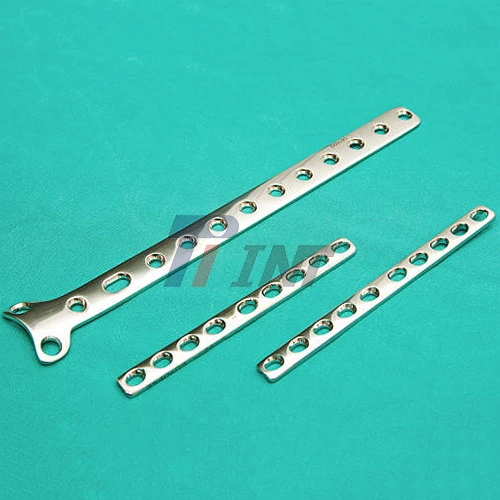

Understanding Titanium Plate Implants: Purpose and Procedure
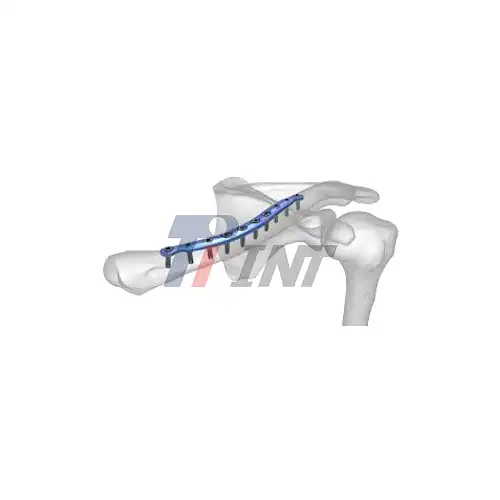
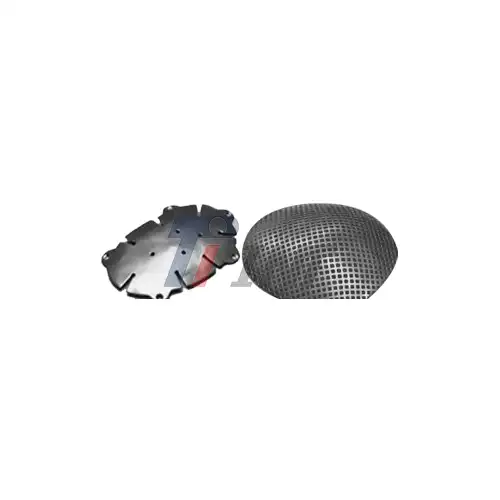
Titanium plate implants are medical devices used to stabilize and support bones that have been fractured or weakened due to injury, disease, or surgical intervention. These implants are particularly valuable in orthopedic and maxillofacial surgeries, where they aid in the healing process and restore functionality to the affected area.
The procedure for inserting a titanium plate implant typically involves the following steps:
- Preoperative assessment and planning
- Administration of anesthesia
- Surgical incision to access the affected bone
- Alignment of the bone fragments
- Placement and fixation of the titanium plate using screws
- Closure of the incision
- Post-operative care and monitoring
The specific details of the procedure may vary depending on the location of the implant and the patient's individual circumstances. Your surgeon will provide you with a detailed explanation of what to expect during your particular procedure.
Titanium is the material of choice for these implants due to its remarkable properties. It's biocompatible, meaning it's well-tolerated by the human body and unlikely to cause adverse reactions. Additionally, titanium is corrosion-resistant, lightweight, and has a high strength-to-weight ratio, making it ideal for long-term implantation.
Benefits and Potential Risks of Titanium Plate Implants
Before deciding to proceed with a titanium plate implant, it's crucial to weigh the benefits against the potential risks. While titanium implants have revolutionized many areas of medicine, particularly orthopedics and dentistry, they're not without their considerations.
Benefits of Titanium Plate Implants
- Enhanced Healing: Titanium plates provide stability to fractured bones, promoting faster and more effective healing.
- Improved Functionality: By supporting proper bone alignment, these implants can help restore normal function to the affected area.
- Durability: Titanium is known for its longevity, often lasting for many years without needing replacement.
- Biocompatibility: The human body generally accepts titanium well, reducing the risk of rejection or allergic reactions.
- Lightweight: Despite its strength, titanium is relatively light, minimizing the burden on the body.
- Corrosion Resistance: Titanium resists corrosion from bodily fluids, ensuring long-term stability of the implant.
Potential Risks and Complications
- Infection: As with any surgical procedure, there's a risk of infection at the implant site.
- Implant Failure: Although rare, the plate or screws may loosen or break over time.
- Nerve or Tissue Damage: During the implantation process, there's a small risk of damaging surrounding nerves or tissues.
- Pain or Discomfort: Some patients may experience ongoing pain or discomfort around the implant site.
- Allergic Reaction: While uncommon, some individuals may be allergic to titanium or other components of the implant.
- Cold Sensitivity: Some patients report increased sensitivity to cold temperatures in the area of the implant.
Preparing for Your Titanium Plate Implant Surgery
Proper preparation can significantly impact the success of your titanium plate implant surgery and your recovery process. Here are some key steps to consider:
Medical Evaluation: Your surgeon will conduct a thorough medical evaluation to ensure you're a suitable candidate for the procedure. This may include:
- Physical examination
- Review of your medical history
- Blood tests
- Imaging studies (X-rays, CT scans, or MRIs)
Medication Review: Inform your doctor about all medications, supplements, and herbal products you're taking. Some may need to be discontinued temporarily before surgery to reduce the risk of complications.
Lifestyle Adjustments: Your doctor may recommend certain lifestyle changes to optimize your health before surgery:
- Quitting smoking, as it can impair healing
- Maintaining a healthy diet to support recovery
- Engaging in approved exercises to strengthen your body
Home Preparation: Depending on the location of your implant, you may need to make some adjustments to your home environment:
- Arranging for help with daily tasks during recovery
- Setting up a comfortable recovery area
- Removing tripping hazards if your mobility will be affected
Fasting Instructions: You'll likely need to fast for a certain period before surgery. Follow your doctor's instructions carefully.
Transportation Arrangements: Arrange for someone to drive you home after the procedure, as you won't be able to drive yourself.
Mental Preparation: Surgery can be stressful. Consider practicing relaxation techniques or speaking with a counselor if you're feeling anxious.
Questions for Your Surgeon: Prepare a list of questions to ask your surgeon during your pre-operative consultation. Some important questions might include:
- What specific type of titanium plate will be used?
- How long will the surgery take?
- What is the expected recovery time?
- Will I need physical therapy after surgery?
- What restrictions will I have during recovery?
- What signs of complications should I watch for?
Recovery and Long-Term Care After Titanium Plate Implant Surgery
The recovery process following a titanium plate implant surgery is crucial for the success of the procedure and your overall well-being. While the specifics can vary depending on the location and nature of the implant, here are some general guidelines and considerations for your post-operative care:
Immediate Post-Operative Period
- You'll be monitored in a recovery area until the anesthesia wears off.
- Pain management will be a priority. You may be prescribed pain medications to manage discomfort.
- Depending on the surgery, you might need to stay in the hospital for a short period for observation.
Early Recovery at Home
- Follow your surgeon's instructions regarding wound care and hygiene to prevent infection.
- You may need to keep the surgical site dry for a certain period.
- Rest is crucial, but gentle movement as advised by your doctor can help prevent blood clots.
- Take prescribed medications as directed, including antibiotics if prescribed.
- Apply ice or heat as recommended to manage swelling and discomfort.
Physical Therapy and Rehabilitation
- Depending on the location of your implant, you may need physical therapy to regain strength and mobility.
- Follow your therapist's instructions carefully to ensure proper healing and prevent complications.
- Be patient with the process. Recovery can take time, and pushing too hard too soon can lead to setbacks.
Long-Term Care
- Attend all follow-up appointments with your surgeon to monitor your progress.
- You may need periodic imaging studies to check the position and stability of the implant.
- Maintain a healthy lifestyle, including a balanced diet and regular exercise as approved by your doctor.
- Be aware of any signs of complications, such as increased pain, swelling, or fever, and report them promptly.
Conclusion
Undergoing a titanium plate implant surgery is a significant decision that requires careful consideration and preparation. By understanding the procedure, its benefits and risks, and what to expect during recovery, you can approach the process with confidence and make informed decisions about your care.
If you're considering a titanium plate implant or have questions about titanium medical products, don't hesitate to seek expert advice. For more information about medical-grade titanium materials, you can contact INT at export@tiint.com. Their team of specialists can provide detailed information about their products and how they contribute to successful medical implant procedures.
References
1. American Academy of Orthopaedic Surgeons. (2021). "Internal Fixation for Fractures." OrthoInfo.
2. Elias, C. N., Lima, J. H. C., Valiev, R., & Meyers, M. A. (2008). "Biomedical applications of titanium and its alloys." JOM, 60(3), 46-49.
3. Food and Drug Administration. (2019). "Implants and Prosthetics." FDA.gov.
4. Gotman, I. (1997). "Characteristics of metals used in implants." Journal of Endourology, 11(6), 383-389.
5. Sidambe, A. T. (2014). "Biocompatibility of Advanced Manufactured Titanium Implants—A Review." Materials, 7(12), 8168-8188.
_1751956867796.webp)