



 2026-01-05 09:08:14
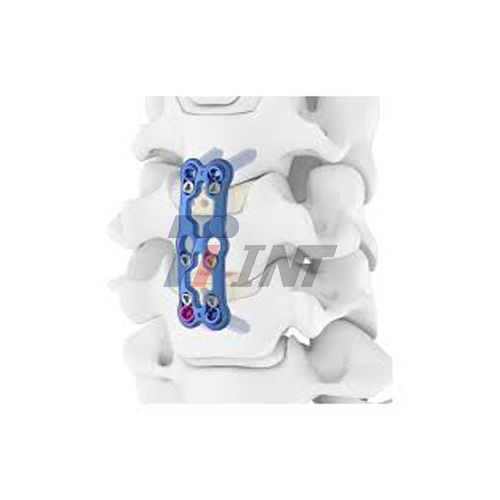

Understanding Neck Surgery Titanium Plate Implants
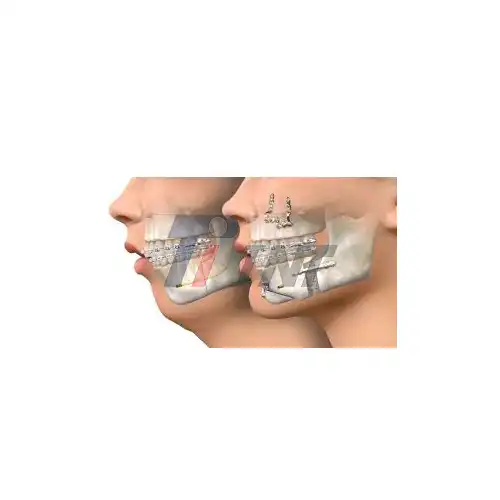
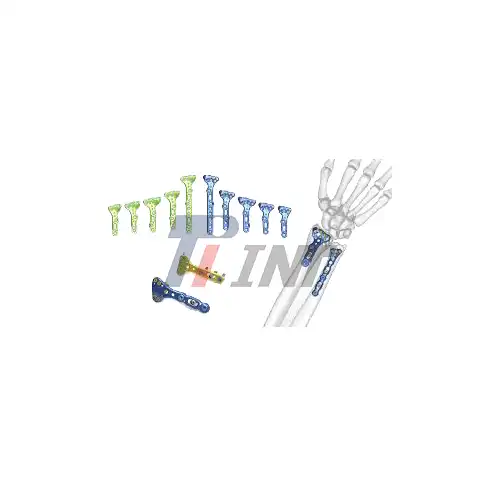
Before delving into recovery tips, it's crucial to comprehend the purpose and function of titanium plates in neck surgery. Neck surgery titanium plates are advanced medical devices designed to stabilize and support the cervical spine following various procedures, such as spinal fusion or disc replacement.
The Role of Titanium Plates in Cervical Spine Stabilization
Titanium plates play a pivotal role in maintaining proper alignment and promoting fusion of the vertebrae after neck surgery. These plates, produced by reputable neck surgery titanium plate factories, are crafted from biocompatible materials to ensure optimal integration with the body's tissues. The high strength-to-weight ratio of titanium makes it an ideal choice for spinal implants, providing necessary support without adding excessive bulk.
Benefits of Titanium Plates in Neck Surgery
The use of titanium plates in neck surgery offers several advantages:
- Enhanced stability during the healing process
- Reduced risk of vertebral misalignment
- Improved fusion rates
- Minimized risk of hardware failure
- Excellent biocompatibility
Immediate Post-Surgery Care for Neck Surgery Titanium Plate Patients
The initial days following neck surgery with a titanium plate implant are critical for establishing a foundation for successful recovery. Patients should adhere to their surgeon's specific instructions and implement the following general care guidelines:
Managing Pain and Discomfort
Pain management is a crucial aspect of post-operative care for neck surgery titanium plate patients. Your healthcare provider will prescribe appropriate pain medications to alleviate discomfort. It's essential to take these medications as directed and communicate any concerns about pain levels to your medical team. Additionally, applying ice packs to the surgical site (as advised by your doctor) can help reduce swelling and provide relief.
Wound Care and Infection Prevention
Proper wound care is vital to prevent infection and promote healing. Keep the incision site clean and dry, following your surgeon's instructions for dressing changes. Avoid touching or scratching the wound, and report any signs of infection, such as increased redness, warmth, or drainage, to your healthcare provider immediately. Neck surgery titanium plate implants are designed to minimize the risk of infection, but vigilant wound care remains essential.
Restricted Movement and Proper Positioning
In the immediate post-operative period, it's crucial to limit neck movement to allow for proper healing. Your surgeon may recommend wearing a cervical collar to restrict motion and provide support. When resting, use pillows to maintain proper alignment of your neck and spine. Avoid sudden movements or activities that could strain the surgical site. Adhering to these restrictions helps ensure the titanium plate remains securely in place during the initial healing phase.
Long-Term Recovery Strategies for Neck Surgery Titanium Plate Patients
As patients progress beyond the immediate post-operative period, focus shifts to long-term recovery and rehabilitation. Implementing the following strategies can optimize healing and restore function:
Gradual Return to Activities
Resuming normal activities should be a gradual process guided by your surgeon's recommendations. Begin with light activities and slowly increase intensity as tolerated. Avoid lifting heavy objects or engaging in strenuous exercise until cleared by your healthcare provider. The neck surgery titanium plate is designed to provide stability, but it's essential to allow adequate time for the surrounding tissues to heal and adapt.
Physical Therapy and Rehabilitation Exercises
Physical therapy plays a crucial role in recovery after neck surgery with a titanium plate. Your therapist will design a customized exercise program to improve strength, flexibility, and range of motion in your neck and upper body. These exercises help prevent muscle atrophy and promote proper healing around the titanium implant. Consistently performing prescribed exercises can significantly enhance recovery outcomes.
Nutrition and Lifestyle Adjustments
Proper nutrition is vital for optimal healing following neck surgery with a titanium plate. Consume a balanced diet rich in proteins, vitamins, and minerals to support tissue repair and bone fusion. Avoid smoking and limit alcohol consumption, as these can impede the healing process. Maintaining a healthy weight reduces stress on the cervical spine and the titanium implant, contributing to long-term success.
Regular Follow-up Appointments
Attending scheduled follow-up appointments with your surgeon is crucial for monitoring your recovery progress. These visits allow your healthcare provider to assess the stability of the neck surgery titanium plate, evaluate healing, and address any concerns. X-rays or other imaging studies may be performed to ensure proper alignment and fusion of the vertebrae.
Mental Health and Emotional Well-being
Recovery from neck surgery with a titanium plate implant can be physically and emotionally challenging. Prioritize your mental health by practicing stress-reduction techniques such as meditation or deep breathing exercises. Engage in activities you enjoy, within the limits set by your healthcare provider. Consider joining a support group for individuals recovering from spinal surgery to share experiences and coping strategies.
Conclusion
Recovering from neck surgery with a titanium plate implant requires patience, dedication, and adherence to medical advice. By following these post-surgery tips and maintaining open communication with your healthcare team, you can optimize your recovery process and achieve the best possible outcomes. Remember that each patient's recovery journey is unique, and it's essential to consult with your surgeon for personalized guidance throughout your healing process. For more information about neck surgery titanium plates and other medical titanium products, please contact us at export@tiint.com. Our team of experts is ready to assist you with any questions or inquiries regarding our high-quality titanium implants and medical devices.
FAQ
How long does it take to recover from neck surgery with a titanium plate?
Recovery time varies depending on the individual and the specific procedure. Generally, initial recovery takes 4-6 weeks, with full recovery potentially taking several months.
Can I feel the titanium plate in my neck?
Most patients do not feel the titanium plate once healing is complete. However, some may experience a slight awareness of the implant, especially during weather changes.
Will the titanium plate set off metal detectors?
Modern titanium implants rarely trigger metal detectors. However, it's advisable to carry a medical card describing your implant when traveling.
References
1. American Association of Neurological Surgeons. (2021). Spinal Fusion.
2. Journal of Neurosurgery: Spine. (2019). Anterior cervical plating: a biomechanical analysis of plate strain and screw pull-out strength.
3. The Spine Journal. (2020). Outcomes of anterior cervical discectomy and fusion using titanium versus PEEK cages: a systematic review and meta-analysis.
4. Spine. (2018). Titanium vs. polyetheretherketone (PEEK) interbody fusion: Meta-analysis and review of the literature.
5. World Neurosurgery. (2021). Titanium Alloy Versus PEEK Interbody Fusion Cage for Anterior Cervical Discectomy and Fusion: A Meta-Analysis.
_1751958555199.webp)
_1751956503238.webp)