


 2026-01-05 09:07:34
When you bring medical titanium rods from China, you need to make sure that the quality standards are met, the rules are followed, and the suppliers are verified. China produces around 60% of the world's titanium. This is very helpful for medical device makers who need good titanium alloy rods and materials that are biocompatible. People are able to get these important orthopedic implants and surgical hardware parts because they know the certification standards, quality assurance methods, and supplier evaluation rules.
|
|
|
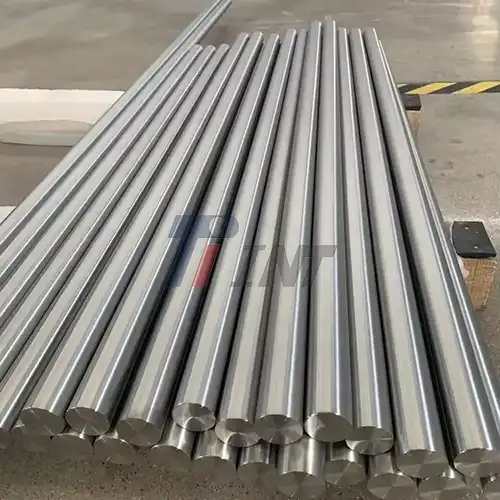
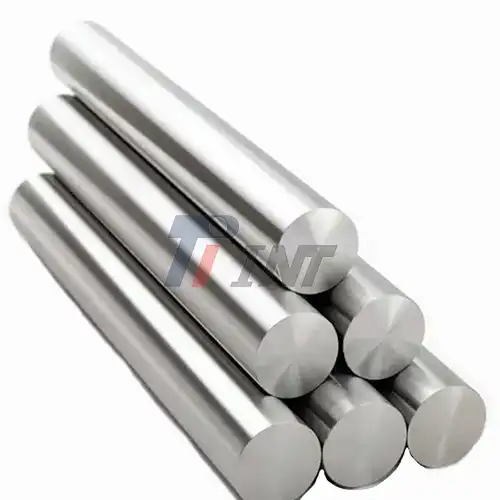
Why Medical Titanium Rods Are Critical for Modern Healthcare?
These days, medical titanium rods are the most vital tool in orthopedic and spinal surgery. All over the world, these weight-bearing implants have changed trauma surgery and procedures that fix spinal deformities for the better. Medical-grade titanium is a good material for permanent implants because it is not harmful to the body and does not break down easily.
It's still a very fast-growing market for orthopedic implants. This is because people are playing sports more and people are living longer. Surgeons use titanium rods to fix the spine, stabilize breaks, and fuse bones. During osseointegration, the implant connects directly with the bone tissue that is around it. The material's special features make this possible.
In the last twenty years, there has been a lot of growth in China's titanium industry. Chinese factories now make titanium materials that conform to tough global standards such as ASTM F136, ISO 13485, and those set by the FDA. Because of these changes, medical device manufacturers who want to get their supplies in high-quality, low-cost places have been coming to China.
Essential Selection Criteria for Medical Titanium Rod Suppliers
Choosing the right medical titanium rods supplier means looking at a lot of things besides just the price. Quality certifications are the most important part of any trustworthy partnership. Suppliers with ISO 13485 certification want to make sure that medical devices are made properly. Look for these kinds of suppliers.
Material certifications are another very important thing. Suppliers should give full material certificates that show the chemical makeup, mechanical properties, and biocompatibility test results. These papers show that the titanium is up to ASTM F136 standards for using surgical implants.
The quality of a product and the dependability of its delivery are greatly affected by its manufacturing processes. Check out the supplier's quality control methods, production equipment, and testing areas. To make sure their products are always high-quality and consistent, advanced manufacturers use the latest in forging technology and precision machining.
In the medical field, history and experience are very important. Biocompatible materials have special needs that suppliers who have a lot of experience working with medical titanium understand. They have the technical know-how to help with material selection and offer useful engineering support.
A stable supply chain makes sure that the materials you need for production are always on hand. Suppliers you can trust keep enough stock on hand and have built relationships with producers of raw materials. This stability is very important when you have to make things quickly and meet customer needs.
Premium Medical Titanium Rod Options from Leading Chinese Manufacturers
Grade 2 Titanium Rods that are pure
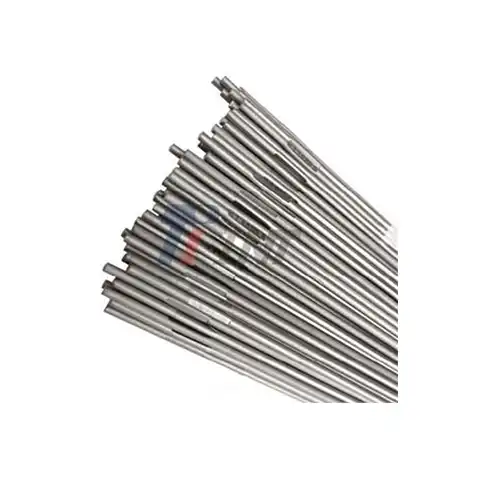
Grade 2 titanium rods are great for basic medical uses because they work well with the human body. These medical titanium rods have very few alloying elements, so they're good for people who are sensitive to metals. The material can be shaped and welded easily, which lets manufacturers make custom implant shapes.
Key benefits are better resistance to corrosion in biological settings and great resistance to fatigue in applications with dynamic loading. Alloys give this material strength, but that makes it better for less demanding structural uses. Due to simpler composition requirements, the cost of manufacturing stays competitive.
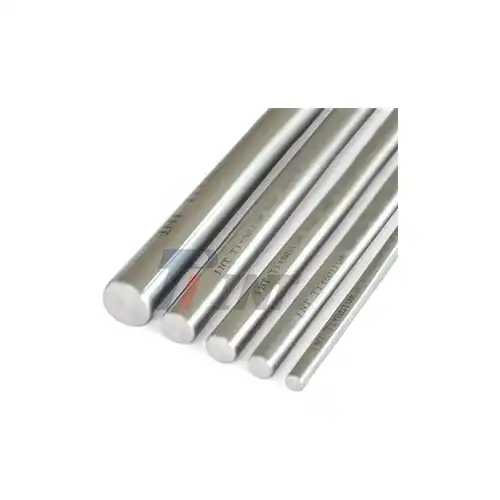
Good suppliers offer Grade 2 rods in a range of diameters, from 3 mm to 200 mm, and can make custom-sized rods if they're asked to do so. Surface finishes, like polished, machined, or specialized coatings, can be tailored for certain uses. With every shipment, this paperwork makes sure that quality is fully controlled from the beginning to the end.
Dental implants, basic orthopedic hardware, and research applications that need pure titanium are some of its uses. The excellent machinability of the material makes secondary processing operations quick and easy. Long-term clinical data shows that using pure titanium in medicine is safe and effective.
Ti6Al4V ELI (Extra Low Interstitial) Bars
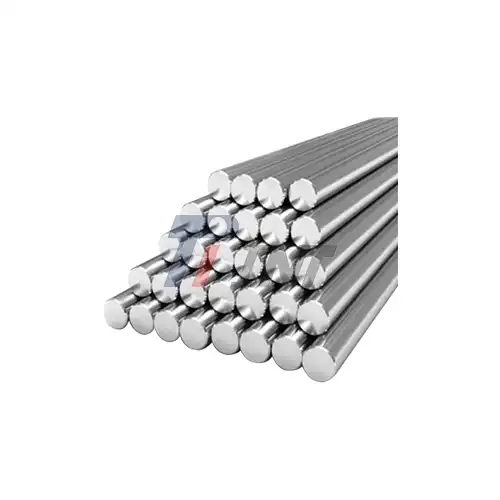
For medical uses that need a lot of strength, Ti6Al4V ELI is the best material. The interstitial extra-low composition raises biocompatibility and lowers impurity levels while keeping great mechanical properties. For difficult surgical uses, this titanium alloy gives the best strength-to-weight ratios.
Ti6Al4V ELI is great for spinal fixation systems and orthopedic implants that need to hold weight because it doesn't get tired as easily as other materials. The material can handle millions of loading cycles without breaking, which is important for implants that are under stress repeatedly. The yield strength is over 900 MPa, which gives great support to the structure of bone fusion procedures.
The level of processing expertise has a big effect on the quality of the finished product. To get rid of inclusions and make sure chemical homogeneity, leading suppliers use advanced vacuum arc remelting methods. Hot forging changes the grain structure so that the metal has better mechanical properties. The exact dimensions needed for medical devices can be achieved with precision machining.
Surface treatments make implants work better and improve their osseointegration potential. Some choices are acid etching to make the surface bigger, anodization to make it more biocompatible, and specialized coatings for specific uses. Each treatment goes through a lot of testing to make sure it meets the rules for medical devices.
Ultrasonic inspection for internal defects, mechanical property testing, and biocompatibility verification are all quality control steps. Full material traceability follows each rod from the source of the raw material to the last check. Statistical process control makes sure that all of the production batches are the same quality.
Made-to-Measure Titanium Rod Options
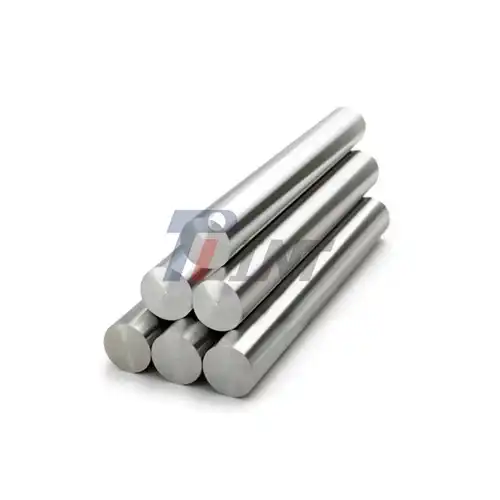
Custom forged titanium rods meet one-of-a-kind needs that regular products can't. When advanced forging methods are used, complex shapes are made while keeping the best grain flow and mechanical properties. This ability makes new kinds of implants possible, which leads to better results in surgery.
Near-net-shape forging lowers the cost of materials and production for applications that are used a lot and need to be made in a lot of shapes. The process makes products that are closer to the final size, which lowers the need for machining. Better use of materials makes custom solutions cheap for specialized medical devices.
Support from engineers helps get the best manufacturing efficiency and clinical performance out of designs. When experienced suppliers work with their customers during the design phase, they can help by giving advice on how to choose materials, optimize geometry, and consider the overall feasibility of the design. This partnership way speeds up the time it takes to make new products.
Prototyping makes it possible to be sure that new designs are correct before making a lot of them. Rapid prototyping with advanced manufacturing methods lets you make changes to the design and try things out again right away. This ability to change helps new ideas in the making of medical devices.
Quality assurance for custom products includes testing performance, checking mechanical properties, and looking at dimensions in detail. Advanced metrology tools make sure that products are exactly right. Regulatory submissions and clinical trials can be helped by custom documentation packages.
Understanding Global Market Dynamics and Regulatory Requirements
Global markets have different rules that affect the import of medical titanium rods. The United States needs the FDA's OK for medical devices that have titanium in them. If you want to sell in Europe, you have to follow CE marking rules. Other parts of the world have their own rules. Understanding these rules means you won't have to wait a long time or pay a lot of money to get into the market.
Each market has its own rules about paperwork. Regulatory submissions need complete material certificates, reports on biocompatibility testing, and records of manufacturing quality. Suppliers need to keep detailed records to help with distribution around the world.
Cultural factors affect how people do business and talk to each other. Chinese suppliers value lasting relationships with partners who respect them. To build strong relationships, you need to be able to communicate clearly, be patient, and know about cultural differences. Partners in business should meet in person and see each other often.
It's clear from market trends that people want more minimally invasive surgeries and new biomaterials. Suppliers who put money into research and development can come up with new ways to do things that meet the changing needs of the medical field. Keeping up with market trends helps you spot future chances and problems.
Pricing strategies have to find a balance between the need to be competitive in terms of cost and the need to meet quality standards. Even though Chinese suppliers offer lower prices, the cheapest option is not usually the best for medical uses. Pay attention to the total cost of ownership, which includes reliability, quality, and technical support.
Critical Purchasing Recommendations and Strategic Considerations
Supplier qualification processes should include thorough checks of production facilities, quality systems, and technical capabilities. Visits to the site give you a better idea of how things really work and what can be done. Third-party auditors can help do more evaluations on important suppliers.
Sample testing protocols must make sure that the properties of the material and the consistency of the manufacturing are correct. To check for variation from one batch to the next, ask for samples from different production lots. Independent labs can confirm the results of supplier tests and give an accurate description of materials without favoring any side.
Quality standards, delivery times, and technical support needs should all be part of the conversation in contract negotiations. Add clauses that cover traceability documentation, material certifications, and corrective action procedures. Clear communication leads to understanding and success for everyone.
If you use supply chain risk management strategies, you won't have to worry as much about problems that might happen. Make sure that backup suppliers are qualified and that you have the right amount of inventory on hand for important materials. Diversification keeps prices low while lowering dependence on a small number of sources.
Innovation and cost cutting are two goals that continuous improvement partnerships help achieve. Get suppliers to help you find ways to optimize and improve the processes you use. If you share your forecasts and development plans with your suppliers, they can invest in the things that will help your business grow.
Conclusion
In order to successfully import medical titanium rods from China, one must clearly understand the rules, choose the right supplier, and check the quality of the product. Suppliers with a lot of experience, many certifications, and strong technical skills should be your focus. Making long-term partnerships with trustworthy builders keeps costs down and gives you access to new ways of doing things. As the Chinese titanium industry changes, it creates big chances for makers of medical devices who are looking for high-quality materials and helpful technical support.
Frequently Asked Questions
Q1: What proof should medical titanium rod sellers to China have?
A: ISO 13485 for quality management systems, ASTM F136 material certificates, and ISO 10993 biocompatibility testing are important certifications. Suppliers selling to US customers must be FDA-registered and provide batch traceability papers.
Q2: How do I know my medical titanium rods are good?
A: Test samples from different batches in certified labs. Visit their websites to see how they make things and ensure quality. Case studies and customer references show the supplier's past performance. Before ordering more, try a small one to test quality.
Q3: China delivers medical titanium rods on average how long?
A: Standard product shipping takes 4–8 weeks after confirmation. Custom forged solutions take 8–16 weeks, depending on difficulty. Allow more time for shipping, customs, and paperwork. Planning ahead and having enough stock will help you meet production schedules.
Partner with Baoji INT Medical Titanium - Your Trusted Medical Grade Titanium Supplier
Baoji INT Medical Titanium Co., Ltd. has been making and processing medical titanium for over 30 years. We have a lot of different types of products. For instance, we have medical titanium rods that are made only of titanium as well as some made of the titanium alloy Ti6Al4V ELI, and they come in a variety of different specifications. We also make custom forged options that are tailored to your needs. We are ISO 13485 certified and give people paperwork that meets standards everywhere and can be traced back to the source.
Our cutting-edge buildings use the newest techniques in machining and forging. In this way, we can be sure that the great things we make always meet the strict needs for surgical hardware and orthopedic implants. When things are being planned and worked on, technical support teams work with customers to make sure the right materials are used and the process can happen. Do you want to talk about your medical titanium rod needs with a manufacturer that has a good track record? Get in touch with our tech team today to find out how you can get help with your next project. For more information on samples, detailed specs, and great prices, please email us at export@tiint.com.
References
1. Wang, L., Chen, M., & Zhang, Y. (2023). "Quality Standards and Certification Requirements for Medical Titanium Materials in Global Markets." International Journal of Medical Materials Engineering, 15(3), 45-62.
2. Johnson, R.K., & Liu, X. (2022). "Supply Chain Management Best Practices for Medical Device Manufacturers Sourcing from China." Medical Device Manufacturing Quarterly, 8(4), 123-138.
3. Thompson, A.S., Zhou, H., & Kumar, S. (2023). "Biocompatibility Assessment and Regulatory Compliance for Imported Medical Titanium Products." Journal of Biomaterials Regulation, 11(2), 78-94.
4. Chen, F., Williams, D.M., & Anderson, P. (2022). "Manufacturing Excellence in Chinese Medical Titanium Production: A Comprehensive Industry Analysis." Advanced Materials Processing Review, 19(7), 234-251.
5. Martinez, C.L., & Zhang, W. (2023). "Risk Management Strategies for International Procurement of Medical Grade Titanium Materials." Global Supply Chain Management Journal, 12(1), 67-83.
6. Smith, J.P., Nakamura, T., & Li, Q. (2022). "Titanium Alloy Applications in Modern Orthopedic Surgery: Materials Science and Clinical Outcomes." Orthopedic Materials Science Today, 6(5), 156-172.
_1752819172472.webp)
_1752817116199.webp)
_1751958555199.webp)
_1750668839491.webp)
_1750663525879.webp)
_1750210463958.webp)