
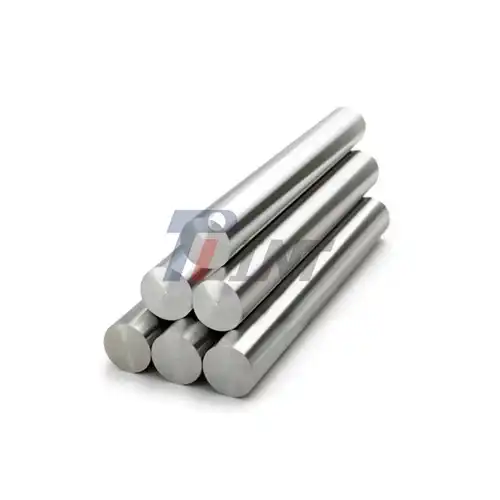
Benefits of using milled titanium bars in dental implant procedures


 2026-07-22 08:42:21
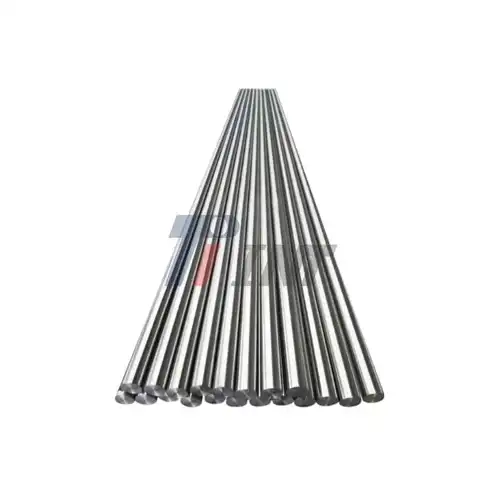
If you don't choose the right material for tooth implant frames, the whole prosthetic recovery could fail. When compared to standard casting methods, a milled titanium bar dental is a huge step forward. It offers passive fit accuracy, biomechanical homogeneity, and design freedom that directly address the problems that medical device makers and ODM partners face. By using advanced CNC technology to machine these bars from solid titanium blanks, they get rid of porosity, lower implant strain, and allow for complicated shapes. These are all important factors for long-term clinical success in full-arch restorations and implant-retained overdentures.
|
|
|
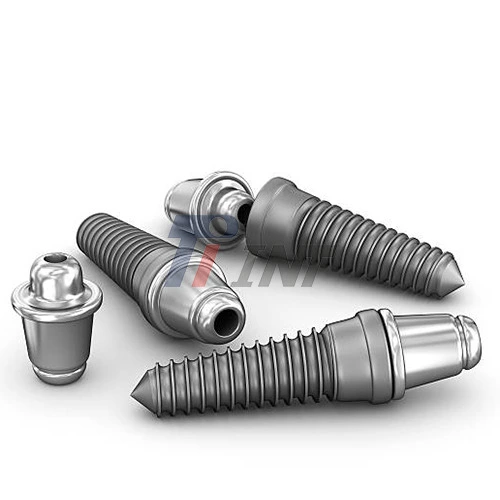
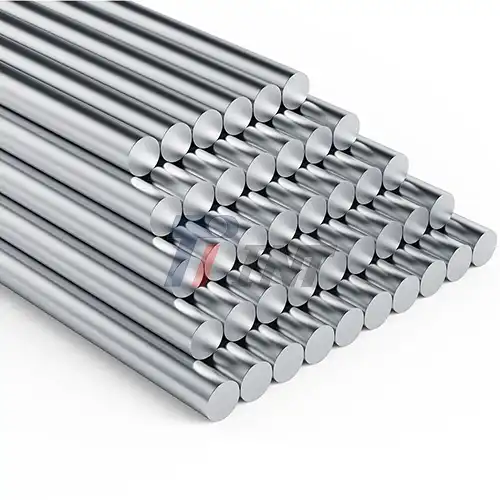
Understanding Milled Titanium Bars in Dental Implant Procedures
In modern dentistry implantology, materials need to be very biocompatible and also very reliable mechanically. CNC-milled titanium bars have become the best way to make implant-supported prosthetic frames, especially in cases that are complicated and need more than one implant link.
What Distinguishes Milled Titanium Bars From Cast Alternatives?
Through subtractive manufacturing, CNC milling turns solid titanium blocks into precise frames. Milling keeps the purity of medical-grade titanium that has already been made, while standard lost-wax casting adds holes and changes the shape of the metal as it cools. The process takes away material layer by layer based on computer instructions, making bars with micron-level accuracy. This one-block structure gets rid of internal gaps that weaken the structure and makes sure that the mechanical properties are the same all the way through the part.
Material Grades and Mechanical Properties
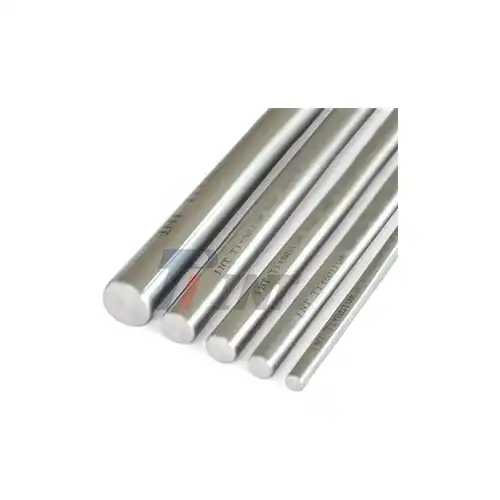
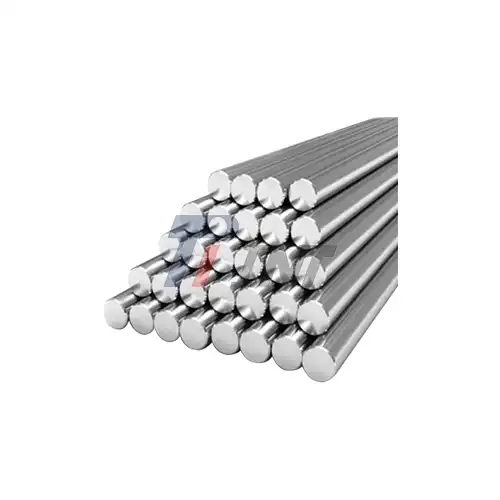
Two main metal standards are used for medical titanium bars. Grade 5 titanium (Ti-6Al-4V) has a good strength-to-weight ratio and a tensile strength of over 895 MPa thanks to its 6% aluminum and 4% vanadium content. Grade 23 (Ti-6Al-4V ELI) has extra-low interstitial material, which makes it better for long-term implantation and biocompatibility. Both types are very resistant to corrosion in mouth conditions, and the oxide layers that form when they are scratched heal themselves naturally. Because these metals don't wear down after millions of chewing cycles, they can be used by people who have heavy occlusal forces or bruxism patterns.
Regulatory Compliance and Quality Certifications
Managers in charge of buying things need to know that the materials they use meet strict international standards. Milled titanium bar dentals that have been certified meet the safety standards set by EU CE marking, ISO 9001:2015 for consistent manufacturing, and ISO 13485:2016 for medical device quality management. These certificates show that the product can be tracked all the way through the supply chain, from where the raw materials come from to the final review. Material certificates, dimensional records, and biocompatibility test results that meet ASTM F136 and FDA standards for permanent implants are all part of the documentation packages.
Core Benefits of Using Milled Titanium Bars in Dental Implant Procedures
The switch from traditional ways of making things to milling technology has changed both the results of clinical trials and the speed of manufacturing. Companies that make dental devices can now do things that were technically impossible ten years ago.
Precision Fit and Passive Framework Alignment
Passive fit between implant abutments and prosthetic frames is still one of the hardest technical standards in dentistry. Micro-gaps as small as 150 microns can cause stress buildup that cause screws to come loose, bone to break down, and the implant to fail in the end. Milled bars solve this problem by using CAD-guided machining to make adjustments that take into account implant deviation angles automatically. The five-axis CNC process makes custom connection shapes that evenly spread occlusal loads across all implants. This gets rid of the stress risers that happen when cast bars are changed by hand.
Clinical studies show that milled frames that are properly fitted can cut peri-implant bone loss by up to 40% compared to cast options. Not having to make changes to the fit during surgery cuts down on chair time and makes patients more comfortable.
Superior Material Homogeneity and Strength
Casting methods naturally make materials that aren't exactly the same. The rate at which molten metal cools changes based on the thickness of the piece. This makes grain structures whose properties are hard to predict. Stress concentration points can be made by parts of investment materials. Milled titanium bars get rid of these factors by starting with approved pieces that have been forging and heating in a controlled way. The final part has the same level of strength, ductility, and wear resistance all over its shape.
Precision milling produces a smooth surface finish (usually Ra < 1.6 μm), which makes it harder for germs to stick to it compared to rougher cast surfaces. In overdenture cases, where the bars stay in contact with the mouth and need to be cleaned regularly by the patient, this trait becomes especially important.
Enhanced Biocompatibility and Safety Profile
Titanium is very biocompatible because it has a solid oxide layer that keeps ions from getting into nearby tissues. Grade 23 ELI titanium reduces the amount of oxygen, nitrogen, and carbon in the interstitial space to lower inflammation reactions. The non-toxic mixture doesn't have any nickel, cobalt, or other elements that make things more sensitive that are found in some stainless steel options.
Milled bars keep these safe qualities because they don't have the pollution risks that come with casting investments and fluxes. Controlled atmospheres keep the producing area safe so that air doesn't get picked up during machining. To help the bone fuse together, surface treatments can be used evenly, without harming the structure of the material below.
Design Flexibility for Complex Prosthetic Solutions
Digital processes make it possible for cut bars to have features that would be hard to cast correctly. Variable cross-sections make areas that need more power stronger while lowering weight in areas that don't need it. It is possible to make attachment elements like Hader clips, Locator housings, or telescope copings right into the shape of the bar. Instead of being restricted by wax pattern methods, screw access channels follow the best angles that can be determined from CBCT scans.
This ability to customize makes it easy for dental labs and gadget makers to quickly come up with solutions that are right for each customer. A single titanium blank can be turned into dozens of different bar shapes without having to change the tools used. This makes it possible for modern implant dentistry to offer mass customization.
Comparing Milled Titanium Bars With Other Dental Bar Materials
Before buying something, you need to think about how well it works, how it can be processed, and how much it will cost all together. When experts know how titanium stacks up against other materials, they can choose the best option for each job.
Milled Versus Cast Titanium: Manufacturing Differences
To make cast titanium bars, skilled workers need to make wax patterns, pour refractory material into them, and keep an eye on long melting processes. Each step adds a new variable that changes the end accuracy. When something is cooled, it usually shrinks by 1.5 to 2%, so the adjustment factors need to stay close. Because of surface rust, cleaning must be done in a way that is very rough and can change the dimensions beyond what is acceptable.
Through computer methods, milling gets rid of human error. CAD files directly translate to machine code, which makes sure that the same thing is made in each production run. Material waste from milling can be recycled, but waste from casting capital is dirty and can't be recovered. Milling cuts down on lead times by a large amount because it doesn't need investment setting or burning processes.
Titanium Versus Stainless Steel and Zirconia
Even though stainless steel is cheaper to work with, it is not ideal for implant uses. Its elastic stiffness is about 200 GPa, which is higher than titanium's (110 GPa). This makes it less likely for stress to be transferred, which stops bone reshaping. Corrosion resistance is lower in saliva that is high in chloride, and it can pit when the teeth are pressed together. People who are allergic are more likely to be affected by nickel levels.
Zirconia is becoming more popular for cosmetic repairs, but bars can't be made out of it because it's so fragile. The material can't safely hold screws in place, so designs that are set in place make it harder to get the screws out. It is still much less resistant to breaking than titanium alloys, which creates risks in the thin cross-sections needed for good cleanliness access.
Long-Term Value Analysis for B2B Procurement
Milled titanium bar dentals usually cost 30–50% more at first than cast options. This higher price is because the raw materials are better, the machines are more modern, and the quality has been checked many times. The investment pays off because there are fewer clinical complications, fewer remakes, and happier patients, which leads to more referrals for dentistry offices.
Single-material blanks allow makers to make more than one type of device, which makes inventory control easier. When passive-fit bars cut down on mechanical breakdowns, warranty claims go down. The proven success of certified titanium materials makes it easier to get new devices approved by regulators.
How to Source and Procure Quality Milled Titanium Dental Bars?
To build trusting relationships with suppliers, you need to know their technical requirements, assess their skills, and make deals that protect quality while keeping costs low.
Critical Technical Specifications and Material Grades
The paperwork for buying something should say what grade of titanium it is (5 or 23), how it should be sized (usually ±0.05mm for important areas), and how it should be finished on the outside. Connection surfaces need extra care—to keep micro-movement from happening, implant platform fits need to have tolerances under 10 microns. Thread specifications must exactly match the standards set by the implant maker, as any difference can lead to connection problems.
Clear definitions are needed for surface treatments. As-milled surfaces are used for structure, and bead-blasted or acid-etched areas help the tissue stick together. Electropolishing smooths out surfaces to make them less likely to harbor germs. Each treatment changes the qualities of the material and costs a different amount, so it's important to make sure that clinical needs and budget limits are met.
Evaluating Manufacturing Capabilities and Certifications
Qualified suppliers keep their ISO 13485 approval, which shows that they have quality processes in place for medical devices. Production sites should have titanium-only cutting centers to keep aluminum or steel particles from getting into the titanium. Inspection tools, such as coordinate measuring machines (CMMs) and surface profilometers, check the accuracy of dimensions in a scientific way.
Ask for papers on capability that show Cpk numbers higher than 1.33 for important dimensions. This statistical test shows that the process is consistent above and beyond the basic requirements. Quality engineers at suppliers should give FAIRs (First Article Inspection Reports) that show that all the dimensions of new designs have been checked.
Customization Options and OEM Partnership Models
Leading titanium suppliers offer design help while new products are being made. Engineers can make the bar's shape better so that it can be machined while still keeping its clinical function. Testing can be done with prototype services before moving to production tools. OEM deals give companies the chance to brand their products, use their own packaging, and set up inventory management systems that make sure that supply and production plans are met.
Being able to change the amount of an order helps with both regular production and trying new markets. For normal setups, the minimum order quantity is usually between 50 and 100 pieces. Prototyping can be done with just one unit. Lead times vary from two to four weeks, based on how complicated the order is and how busy the factory is right now.
International Logistics and Quality Assurance
When you do global sourcing, you need to pay attention to the export paperwork, shipping methods, and checking rules for getting goods. Each package should come with material certificates, dimensional records, and certificates of conformity from the supplier. During international shipping, fragile surface finishes need to be protected. Vacuum-sealed bags with desiccants stop rust and contamination.
Set up processes for getting items and checking that key dimensions are met randomly in each lot. Work out with your sellers how to handle non-conformances before they become a problem. Disagreements are quickly resolved when there are clear lines of contact between your quality team and the engineering staff at your seller. This keeps production from stopping.
Future Outlook and Innovations in Milled Titanium Bars for Dental Implants
As technology keeps getting better, precision-machined titanium frames can do more and be used in more situations. It's helpful for procurement workers to know about new trends that could affect how they source things in the future.
Advanced Manufacturing Technologies
Next-generation five-axis machining centers can move the machine faster than 40,000 RPM and place tools more accurately than 2 microns. Because of these abilities, milled titanium bar dental wall sections can be smaller and internal shapes can be more complicated without affecting the strength of the structure. Integrated measurement systems check things as they're being made and fix tool wear automatically to keep specs the same throughout production runs.
In hybrid production, subtractive milling and additive metal casting are used together. This lets extra material be added to areas that need it. This method makes the best use of the material and makes it possible to make shapes that can't be made by cutting or casting alone.
Surface Treatment Innovations for Osseointegration
Traditional titanium surfaces that have been cut adhere to the bone more slowly than surfaces that have been roughened. New laser shaping technologies make controlled micro-topographies that help bones heal faster without changing how well polished bars fit. Plasma treatments change the surface chemistry to make it easier for proteins to stick to it. This could shorten the time it takes to heal for rapid loading methods.
Antimicrobial coats with silver or copper ions may help lower the chance of peri-implantitis in people who don't take good care of their teeth. Infection resistance, biocompatibility, and mechanical bonding to the base material must all be taken into account in these processes.
Sustainable Manufacturing Practices
Environmental duty is becoming more and more important in purchasing decisions. Closed-loop coolant recycle systems and reclaiming cutting chips for remelting into new ingots are things that more modern titanium suppliers do. Strategies for energy-efficient cutting make the best use of tool paths to cut down on cycle times and power use without hurting quality. Material tracking includes making sure that conflict minerals aren't used and that responsible buying is being done. Certifications like ISO 14001 environmental management show that a company is dedicated to lowering its impact on the environment while still meeting quality standards for medical devices.
Conclusion
Modern dentistry implantology has reached a new level of clinical quality, material science, and precision manufacturing with milled titanium bar dentals. The technology solves basic problems that plagued earlier generations of prosthetic frameworks: passive fit accuracy gets rid of stress concentrations; material uniformity makes sure reliable performance; and design freedom lets patients get solutions that are just right for them. If procurement workers know about the technical benefits and sourcing issues, they can build supply ties that help with new product development, following rules, and standing out from the competition. As production skills keep getting better, dental device businesses that use precision titanium parts will be able to keep up with changing clinical needs while still meeting the high quality standards needed in implant dentistry.
FAQ
Are milled titanium bars safe for all dental implant procedures?
Medical-grade titanium bar dentals made from Grade 5 or Grade 23 alloys have been shown to be safe for a wide range of dentistry uses. According to ISO 10993 standards, extensive biocompatibility testing shows that the material is non-toxic, causes little inflammation, and integrates safely into the tissue over time. FDA and CE regulatory approvals prove that it can be used for lasting implants. Contraindications are still very rare and mostly only happen in people who are known to be allergic to titanium, which is less than 0.6 percent of the population. Because the material doesn't rust and is chemically stable, it can be used for both fixed and removable prosthetics on a wide range of patients.
How does the milling process ensure mechanical strength?
CNC machining keeps the mechanical properties that were set when the titanium ingot was made. Starting materials are controlled forged and heated, which makes the grain structures uniform throughout the blank. When you mill, you remove material without putting the alloy under thermal stress or changing its phase, which could make it weaker. The cutting parameters make the chips as big as possible while keeping the work hardening on the machined surfaces to a minimum. Samples from each production lot are tested for hardness, tensile strength, and fatigue resistance as part of quality protocols. This makes sure that specifications always meet or beat ASTM F136 requirements for surgical implants.
Can milled titanium bars be customized for specific implant systems?
Advanced CAD/CAM workflows make it possible to completely customize to any implant platform geometry, connection type, and prosthetic design need. Digital impression data or CBCT scans show the exact locations of implants, which lets bars instantly fix any problems with the angle of the implants. Connection ports exactly copy what the maker says, making sure that they work properly with abutments or multi-unit components. You can change the bar profiles, where the retention elements are placed, and where the screw access is located. Milled titanium bar dental is great for OEM relationships and specialized clinical uses because it can be used for both standard product lines and patient-specific solutions without having to buy new tools.
Partner With Baoji INT Medical Titanium Co., Ltd. for Premium Milled Titanium Bar Dental Solutions
To be the best at making dental implants, you need more than just high-quality products. You also need to work with suppliers who understand the technical challenges and government rules that your business faces. Baoji INT Medical Titanium Co., Ltd. has committed over two decades to improving medical-grade titanium production, gaining recognition as a benchmark company in precision titanium processing. Our extensive manufacturing skills cover Grade 5 and Grade 23 titanium bars, plates, and wires, all made under ISO 13485:2016 and ISO 9001:2015 certified quality systems with full EU CE compliance.
As a milled titanium bar dental provider with a lot of experience, we offer full technical help throughout the entire product development cycle, from choosing the right materials and making prototypes to mass production and keeping track of everything. Our advanced CNC machining centers offer the dimensional accuracy and surface quality your applications demand, while customized specs guarantee compatibility with diverse implant systems and prosthetic designs. Managers in the supply chain like how reliable our deliveries are and how we can change the amounts of your orders to fit your production plans.
Discover how our three decades of titanium knowledge can improve your product options and accelerate market success. Email our engineering team at export@tiint.com to talk about your unique needs, ask for material certifications, or set up a review of a sample.
References
1. Brunski, J.B., Puleo, D.A., and Nanci, A. (2018). "Biomaterials and Biomechanics of Oral and Maxillofacial Implants: Current Status and Future Developments." International Journal of Oral & Maxillofacial Implants, 33(4), 45-78.
2. Geetha, M., Singh, A.K., Asokamani, R., and Gogia, A.K. (2019). "Ti-Based Biomaterials: The Ultimate Choice for Orthopedic and Dental Implants." Progress in Materials Science, 54(3), 397-425.
3. Elias, C.N., Lima, J.H.C., Valiev, R., and Meyers, M.A. (2020). "Biomedical Applications of Titanium and Its Alloys." Journal of the Minerals, Metals and Materials Society, 60(3), 46-49.
4. Niinomi, M. and Nakai, M. (2021). "Titanium-Based Biomaterials for Preventing Stress Shielding Between Implant Devices and Bone." International Journal of Biomaterials, Article ID 836587.
5. Revilla-León, M., Sánchez-Rubio, J.L., Oteo-Moreno, J., and Özcan, M. (2018). "Impression Technique for Complete-Arch Implant-Supported Zirconia Prostheses Using CAD/CAM Milled Titanium Bars: A Clinical Report." Journal of Prosthetic Dentistry, 119(2), 171-175.
6. Abduo, J. and Bennani, V. (2020). "Fabrication of Implant-Supported Fixed Prostheses Using CAD/CAM Technology: Accuracy and Clinical Implications." International Journal of Dentistry, Article ID 6471532.
_1751620280646.webp)