
The Role of Titanium Plates in Wrist Fracture Treatment: A Complete Guide


 2025-12-25 09:16:27
Wrist fractures are a common orthopedic injury that can significantly impact a person's daily life. When it comes to treating these fractures, titanium plates have emerged as a revolutionary solution. This comprehensive guide delves into the world of titanium plate for wrist fractures, exploring their benefits, surgical procedures, and recovery process.
|
|
|

Comprehending Wrist Fractures and Titanium Plate Fixation
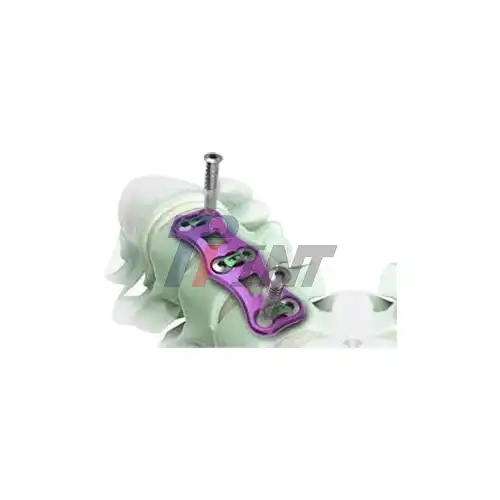
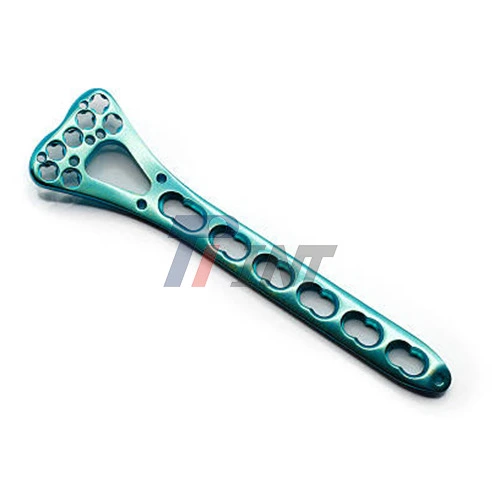
Wrist fractures, particularly those involving the distal radius, are among the most frequent bone injuries. They can occur due to various reasons, including falls, sports injuries, or accidents. While some fractures can heal with conservative treatment methods like casting, more severe cases often require surgical intervention. Enter the titanium plate for wrist fracture - a game-changer in orthopedic surgery. These plates are designed to provide stability to the fractured bone, allowing for proper alignment and faster healing. The use of titanium as a material offers numerous advantages, making it an ideal choice for internal fixation devices.
Titanium's biocompatibility is one of its standout features. The human body readily accepts titanium implants, reducing the risk of rejection or adverse reactions. This property, combined with its strength-to-weight ratio, makes titanium plates an excellent option for wrist fracture treatment. The process of using a titanium plate for wrist fracture involves carefully placing it over the fractured area and securing it with screws. This technique, known as open reduction and internal fixation (ORIF), allows surgeons to restore the wrist's normal anatomy and function.
Benefits and Considerations of Titanium Plates in Wrist Fracture Treatment
The use of titanium plates in wrist fracture treatment offers a myriad of benefits. Primarily, these plates provide robust support to the fractured bone, ensuring proper alignment during the healing process. This stability is crucial for preventing malunion or nonunion of the fracture. Another significant advantage is the potential for earlier mobilization. With the fracture site securely stabilized by the titanium plate, patients may be able to start gentle wrist movements sooner than with traditional casting methods. This early mobilization can help prevent stiffness and promote better long-term function of the wrist.
Titanium's durability is another factor that makes it an excellent choice for wrist fracture plates. These plates can withstand the stresses placed on the wrist during daily activities, providing long-lasting support to the healed bone. Moreover, titanium's corrosion resistance ensures that the plate remains intact and functional over time. The low magnetic properties of titanium are particularly beneficial in today's world of advanced medical imaging. Patients with titanium plates can safely undergo MRI scans without concerns about the implant interfering with the imaging process or causing harm.
While the benefits are numerous, it's essential to consider potential drawbacks as well. The surgical procedure to implant a titanium plate for wrist fracture carries inherent risks, such as infection or nerve damage. However, these risks are generally low when the surgery is performed by experienced orthopedic surgeons. Some patients may experience discomfort or irritation from the plate, especially if it's prominent under the skin. In rare cases, the plate may need to be removed after the fracture has healed. However, many patients can keep the plate in place indefinitely without issues.
Recovery and Rehabilitation After Titanium Plate Fixation
The recovery process following titanium plate fixation for a wrist fracture is a crucial phase that significantly influences the ultimate outcome. While the titanium plate provides immediate stability to the fracture site, proper healing and restoration of function require time and dedicated rehabilitation efforts. Immediately after surgery, the wrist is typically immobilized in a splint or cast to protect the surgical site and allow initial healing. This period of immobilization usually lasts for about two weeks, during which time patients are advised to keep the wrist elevated to minimize swelling.
Once the surgical site has healed sufficiently, the rehabilitation phase begins in earnest. This typically involves a combination of physical therapy and occupational therapy sessions. The goal of these sessions is to gradually restore range of motion, strength, and function to the wrist.
Physical therapy often starts with gentle passive movements of the wrist, progressing to active movements as tolerated. Exercises to improve grip strength and dexterity are introduced as healing progresses. Occupational therapy focuses on helping patients regain the ability to perform daily activities, often incorporating adaptive techniques or equipment if needed. The timeline for recovery can vary significantly between individuals, depending on factors such as age, overall health, and the complexity of the fracture. However, most patients can expect to see significant improvements in wrist function within 3-6 months after surgery.
It's important to note that while the titanium plate for wrist fracture provides excellent support, it doesn't guarantee a perfect outcome. The quality of the surgical procedure, adherence to post-operative instructions, and commitment to rehabilitation all play crucial roles in achieving optimal results. Patients are typically advised to avoid heavy lifting or high-impact activities involving the wrist for several months after surgery. Gradual return to normal activities is usually possible around 3-4 months post-surgery, but this can vary based on individual healing rates and the nature of the activities.
Long-term outcomes for wrist fractures treated with titanium plates are generally positive. Many patients regain full or near-full function of their wrist, allowing them to return to their pre-injury activities. However, some patients may experience residual stiffness or reduced range of motion, particularly in cases of complex fractures. Regular follow-up appointments with the orthopedic surgeon are essential during the recovery period. These appointments allow for monitoring of the healing process through X-rays and clinical examination. They also provide an opportunity to adjust the rehabilitation plan as needed and address any concerns that may arise.
Conclusion
In conclusion, titanium plate for wrist fracture has revolutionized the treatment of wrist fractures, offering a robust and reliable method of fixation. Their use allows for improved fracture alignment, earlier mobilization, and potentially better long-term outcomes. However, successful treatment involves more than just the surgical implantation of the plate. It requires a comprehensive approach, including skilled surgical technique, appropriate post-operative care, and dedicated rehabilitation efforts.
If you're dealing with a wrist fracture or are interested in learning more about titanium medical devices, don't hesitate to reach out to experts in the field. Baoji INT Medical Titanium Co., Ltd. specializes in high-quality titanium products for medical applications. For more information, you can contact them at export@tiint.com.
References
1. Diaz-Garcia RJ, Oda T, Shauver MJ, Chung KC. A systematic review of outcomes and complications of treating unstable distal radius fractures in the elderly. J Hand Surg Am. 2011;36(5):824-835.e2. doi:10.1016/j.jhsa.2011.02.005
2. Arora R, Lutz M, Hennerbichler A, Krappinger D, Espen D, Gabl M. Complications following internal fixation of unstable distal radius fracture with a palmar locking-plate. J Orthop Trauma. 2007;21(5):316-322. doi:10.1097/BOT.0b013e318059b993
3. Egol KA, Walsh M, Romo-Cardoso S, Dorsky S, Paksima N. Distal radial fractures in the elderly: operative compared with nonoperative treatment. J Bone Joint Surg Am. 2010;92(9):1851-1857. doi:10.2106/JBJS.I.00968
4. Chung KC, Shauver MJ, Birkmeyer JD. Trends in the United States in the treatment of distal radial fractures in the elderly. J Bone Joint Surg Am. 2009;91(8):1868-1873. doi:10.2106/JBJS.H.01297
5. Quadlbauer S, Pezzei C, Jurkowitsch J, et al. Early rehabilitation of distal radius fractures stabilized by volar locking plate: a prospective randomized pilot study. J Wrist Surg. 2017;6(2):102-112. doi:10.1055/s-0036-1587317
_1753859685128.webp)
_1753429871786.webp)
_1752463324629.webp)
_1751959047184.webp)