Ti-6Al-7Nb Titanium Bar for Dental Implants: Full Guide


 2026-02-24 10:32:29
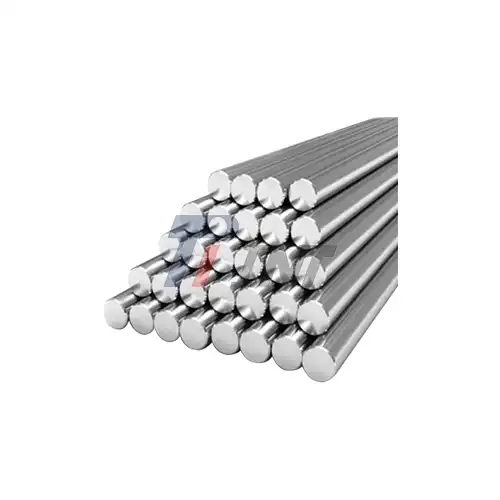
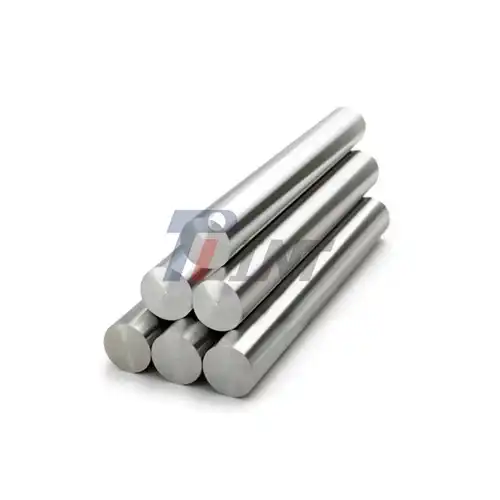
When choosing materials to make tooth implants, the Ti-6Al-7Nb Titanium Bar stands out as a high-quality biomedical metal that is very biocompatible and has great mechanical qualities. This detailed guide looks at how Ti-6Al-7Nb titanium alloy meets the important needs of current dental implant uses, providing better corrosion protection and better patient results compared to older options. When procurement workers and research and development experts know about the special features of this medical-grade titanium bar, they can make smart choices about how to make dental devices.
|
|
|
Understanding Ti-6Al-7Nb Titanium Bar: Composition and Properties
The Ti-6Al-7Nb alloy is a complex alpha-beta titanium mixture with 6% aluminum and 7% niobium. It was first created in 1977 as an alternative to metals having vanadium for use in medicine. This exact mix of elements makes a hexagonal α phase stabilized by aluminum and a body-centered β phase stabilized by niobium. This gives the material better dynamic qualities that make it perfect for medical uses.
Chemical Composition and Microstructure
By strategically replacing vanadium with niobium in Ti-6Al-7Nb, worries about cytotoxicity are taken away while the strength remains the same as in Ti-6Al-4V. The biocompatibility of this metal modification has been greatly improved, which makes it ideal for long-term use in the mouth environment. Like vanadium, niobium works as a beta stabilizer, but it doesn't come with the health risks that have made people worry about using it in medical settings.
The microstructural features of Ti-6Al-7Nb have a direct effect on how well it works in tooth implant uses. The improved two-phase structure does a great job of strengthening strong solutions, and the lack of dangerous substances makes sure that the tissue integrates perfectly. Controlled sintering temperatures between 900°C and 1400°C are used in the manufacturing process to achieve precise microstructural control. This lets features like porosity and grain structure be customized.
Mechanical Properties and Performance Specifications
In oral implant applications, Ti-6Al-7Nb has great mechanical qualities that meet the strict needs of those uses. The metal has a density range of 4.51-4.53 g/cm³, which means it has the best strength-to-weight ratio. Its hardness ranges from 2700 to 2900 MPa, and its elasticity ranges from 895 to 905 MPa, which means it can hold the forces of chewing well.
The melting point is between 1800 and 1860 K, which makes it very stable at high temperatures during industrial processes. The specific heat capacity is between 540 and 560 J/kg*K, which helps make the temperature behavior during processing reliable. When you put these qualities together, you get a material that can handle the repeated loading that happens in dental uses better than commercially pure titanium options.
Heat Treatment and Processing Optimization
Ti-6Al-7Nb is heated through carefully controlled annealing at 700°C and then cooled by air. This makes the texture of the metal ideal for dental uses. This pretty easy heat processing keeps the good qualities and makes sure that the manufacturing process works well. The managed cooling rate stops phase changes that aren't wanted and could hurt biocompatibility or mechanical performance.
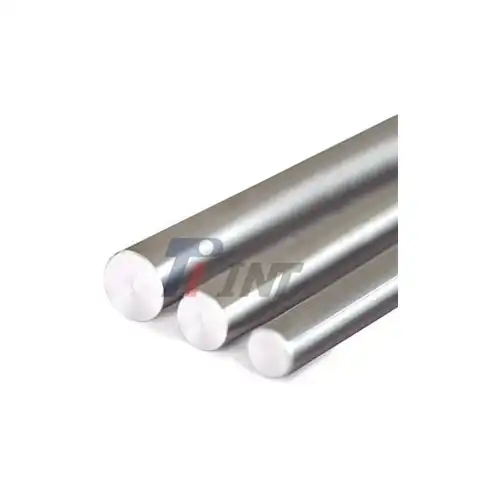
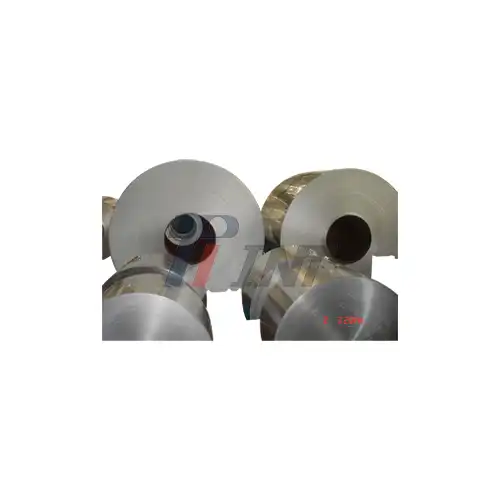
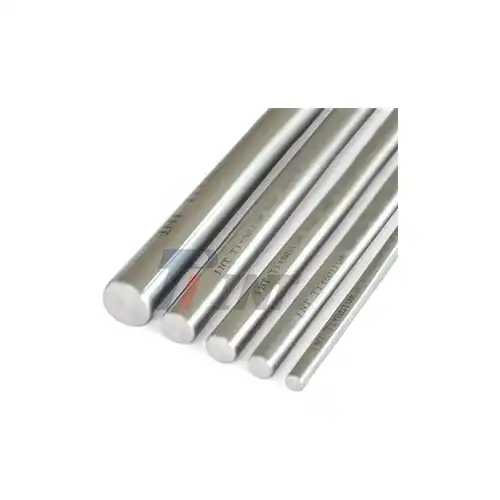
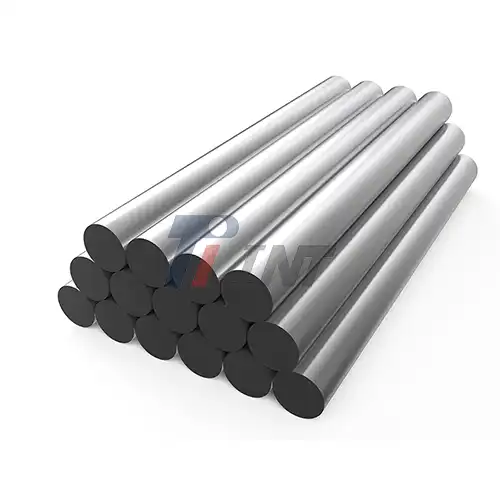
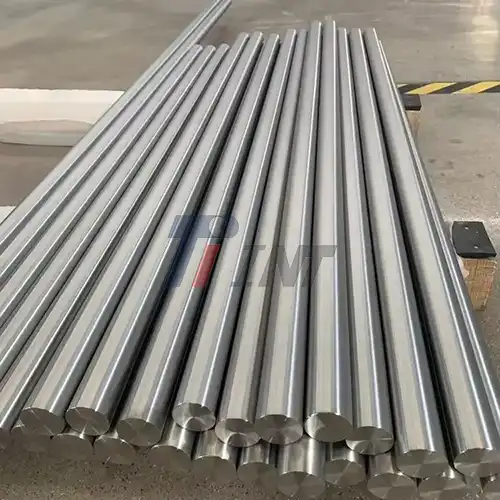
Processing temperatures for manufacturing ingots typically range between 1150°C and 1200°C. This temperature range facilitates processes like hot forging, precision forging, and hot rolling, which are essential for producing the Ti-6Al-7Nb Titanium Bar. These manufacturing methods enable the creation of medical-grade bars in diameters of 110mm, 60mm, 30mm, 20mm, and 12mm, meeting diverse requirements in dental implant production while ensuring the material's properties remain consistent throughout.
Applications and Benefits of Ti-6Al-7Nb Titanium Bar in Dental Implants
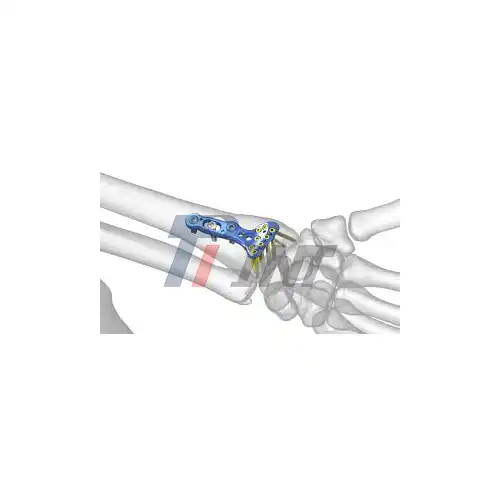
In dental implantology, Ti-6Al-7Nb is useful for a lot more than just basic structural needs. It can be used to solve a wide range of problems related to complex mouth therapy. This advanced titanium alloy is the base for many dental implant parts, such as implant bodies, abutments, and prosthetic frames. Its special qualities directly affect the success rates in the clinic.
Superior Biocompatibility in Oral Environments
The removal of vanadium from the alloy makeup answers long-standing worries about its possible harmful effects on living things. Ti-6Al-7Nb is very good at osseointegration, which means that it can help tooth implants connect securely to bone and stay that way for decades. The biocompatibility of the metal lowers inflammatory reactions and encourages the growth of healthy peri-implant tissue, which leads to higher long-term implant survival rates.
Clinical tests have shown that the metal works very well in harsh oral environments like the mouth, where saliva, bacterial biofilms, and changes in pH can damage other materials. The biocompatibility of Ti-6Al-7Nb helps the body's natural mending processes and lowers the risk of bad tissue reactions that could cause the implant to fail or cause other problems.
Enhanced Corrosion Resistance and Durability
In living settings, Ti-6Al-7Nb is more resistant to corrosion than Ti-6Al-4V. This is very important for the long-term health of tooth implants. This higher resistance comes from the constant formation of an oxide layer that keeps the metal below it from breaking down electrochemically. This better protection directly leads to more reliable implants in the complex mouth environment, where chloride ions and organic acids can speed up the corrosion process.
The benefits of longevity go beyond just being resistant to corrosion. They also include being resistant to fretting corrosion at the interfaces between the implant and the abutment and to pocket corrosion in places where tight tolerances could lead to problems. These features make sure that Ti-6Al-7Nb implants keep their shape and good looks for a long time, which means that patients don't have to have as many repair surgeries and the problems that come with them.
Clinical Performance and Patient Outcomes
In real life, tooth implants made of Ti-6Al-7Nb have shown success rates that are the same as or higher than those achieved with standard titanium materials. The mechanical qualities of the alloy make it strong enough to support a wide range of prosthetic designs, from simple single-tooth replacements to complicated full-arch repairs. The predictable healing reaction and good tissue integration help cut down on treatment times and make the osseointegration process more comfortable for the patient.
Because Ti-6Al-7Nb is very strong mechanically, it can be used to make implants with the best designs that can handle the complex stress patterns that happen in practical use. This mechanical dependability lowers the number of broken implants and component failures, which makes patients happier and lowers the amount of long-term upkeep that dental practices need to do.
Ti-6Al-7Nb vs. Other Titanium Alloys: Making the Right Choice
Many things need to be carefully thought through when choosing the right titanium alloy for dental implants. These include the metal's mechanical qualities, biocompatibility, processing needs, and cost. Comparing these different titanium alloy choices helps people who work in buying understand the pros and cons of each one.
Ti-6Al-7Nb vs. Ti-6Al-4V: Key Differences
The main difference between Ti-6Al-7Nb and Ti-6Al-4V is the beta-stabilizing element. In Ti-6Al-4V, niobium is used instead of vanadium to avoid worries about cell damage. Ti-6Al-4V has a little more mechanical strength, but Ti-6Al-7Nb is better at being biocompatible and resisting rust in biological settings. Ti-6Al-7Nb has enough mechanical qualities for oral uses, and it also has better long-term biocompatibility, which is an added bonus.
Because it is widely used and has well-established supply lines, Ti-6Al-4V is often cheaper. However, the medical device industry is increasingly recognizing the value of the Ti-6Al-7Nb Titanium Bar for critical implant applications. The modest price premium for this biomedical-grade alloy is justified as it reduces the risk of long-term complications and improves patient outcomes.
Comparison with Commercially Pure Titanium
Pure titanium types sold in stores are very biocompatible, but they aren't strong enough for high-stress dental uses. Titanium-6Al-7Nb is about twice as strong as widely pure titanium Grade 2, but it is still biocompatible in the same way. Because they are stronger, smaller implants and thinner replacement parts can be made without affecting their structural stability.
Ti-6Al-7Nb can be processed in ways that make it possible to make more complicated shapes and more precise parts than pure titanium grades. This manufacturing flexibility lets implant designs that best distribute load and protect bone, which leads to better long-term clinical results and patient happiness.
Decision Criteria for Alloy Selection
When choosing titanium materials for dental implants, there are a few important things that you should keep in mind. Biocompatibility is still the most important thing to think about, followed by mechanical qualities, resistance to rust, and ease of manufacture. Ti-6Al-7Nb is great at being biocompatible and resistant to corrosion, and it has good enough mechanical qualities for dentistry uses.
Decisions about buying are affected by economic factors such as the cost of materials, the time and money needed for handling, and the costs of following rules. Ti-6Al-7Nb has been approved by regulators under ASTM F1295 and ISO standards. This makes the approval process easier for companies that make medical devices, which speeds up time to market and lowers the costs of complying with regulations.
Procuring Ti-6Al-7Nb Titanium Bars: A B2B Buyer's Guide
To buy Ti-6Al-7Nb titanium bars successfully, you need to know a lot about quality standards, qualifying suppliers, and the details of the supply chain. This part gives procurement workers useful tips for navigating the complicated world of finding medical-grade titanium.
Quality Standards and Certifications
For chemistry make-up and mechanical qualities, medical-grade Ti-6Al-7Nb has to meet strict international standards, such as ASTM F1295. With ISO 13485 approval, suppliers are required to keep up with the right quality control systems for medical device materials. These certifications give you peace of mind that the materials you buy fit the exact requirements for dental implant uses.
Chemical composition analysis, mechanical property tests, and biocompatibility proof should all be part of the process of checking material certificates. Third-party testing labs independently confirm the qualities of materials, which lowers the risk of buying them and makes sure they meet regulations. Each lot of materials should come with a certificate of conformance document that makes it possible to track them all the way through the production process.
Pricing Structures and Cost Considerations
The price of Ti-6Al-7Nb is higher than the price of regular titanium grades because it is a specialized medicinal metal. Some of the things that affect the price of high-purity niobium are the cost of the raw materials, the special handling needs, and quality control tests. Large manufacturers whose demand patterns are reliable can often get big cost savings from volume price systems.
Different suppliers have different minimum order amounts. Well-known companies can accommodate both small R&D needs and big production volumes. Long-term supply deals can give manufacturers with strict delivery requirements and ongoing production plans peace of mind by guaranteeing availability and keeping prices stable.
Custom Specifications and Manufacturing Services
Leading providers of Ti-6Al-7Nb Titanium Bar can customize the size and handling of their products to meet the needs of different applications. Some of these services include precise cutting, cleaning the surface, and optimizing heat treatment processes. Custom manufacturing allows implant makers to obtain materials that are pre-configured for machining, which significantly reduces processing time and boosts overall manufacturing efficiency.
Technical support services, such as help choosing materials and suggestions for handling, make the buying connection more valuable. Suppliers with a lot of experience making medical devices can help you figure out the best material specs and processing factors, which will lead to better product performance and more successful manufacturing.
Choosing Reliable Ti-6Al-7Nb Titanium Bar Suppliers and Brands
Choosing a supplier is a big choice that affects the quality of the product, the dependability of delivery, and the long-term success of the business. Established suppliers with a history of making medical titanium offer the skills and high-quality systems needed for tough tooth implant uses.
Supplier Qualification Criteria
Reliable Ti-6Al-7Nb providers have complete quality systems, such as ISO 9001 and ISO 13485 certifications, which make sure that the quality of their products always meets legal standards. Manufacturing training in medical titanium uses is very helpful for learning how to handle materials, process them, and make sure the quality is good. Audits of suppliers should check that they are able to keep precise control over chemical makeup and accuracy in mechanical properties.
When choosing a provider, location is important. Being close to manufacturing facilities cuts down on shipping costs and delivery times. But because making Ti-6Al-7Nb is so specialized, companies that want to work with suppliers who have the right tools and knowledge for the job, no matter where they are, are often needed.
OEM and Custom Manufacturing Capabilities
Advanced suppliers give services to original equipment manufacturers, processing materials to meet particular standards for size and finish. These features cut down on the number of steps needed to make implants while still making sure that the materials used have the best qualities for their intended use. Custom heat treatment services let properties be improved in a way that fits the form of an implant or the needs of the patient.
Working together with suppliers on research projects can speed up the process of making new products and make materials work better. Suppliers who can do research and development can help with new ideas in dental implant design and production by giving useful information on how to make materials work better and how to process them better.
Building Long-term Partnerships
To successfully buy Ti-6Al-7Nb, you need to build trusting relationships with qualified sellers who know how important it is to make medical devices. Partnerships help businesses grow and improve products by communicating regularly, planning quality together, and working toward the same development goals.
Monitoring a supplier's performance should include making sure they deliver on time, provide consistent quality, provide quick expert help, and keep their prices low. Long-term relationships let providers invest in better capabilities and more capacity, which helps customers of medical devices by giving them better service and lower prices.
Conclusion
With their high biocompatibility, great mechanical qualities, and resistance to corrosion, Ti-6Al-7Nb titanium bars are the gold standard for dental implant uses. This detailed guide has looked at all the important parts of this advanced biomaterial, from its unique make-up and qualities to how to actually get it. Ti-6Al-7Nb is the best choice for makers who care about patient safety and long-term implant success because it doesn't contain harmful vanadium and keeps its strength. When procurement workers know about these material traits and supplier selection factors, they can make smart choices that improve product quality and clinical results.
FAQ
What makes Ti-6Al-7Nb superior to Ti-6Al-4V for dental applications?
The vanadium in Ti-6Al-4V is replaced with niobium in Ti-6Al-7Nb, which is safe for living things. This replacement is better at resisting rust and being biocompatible while still having the same level of mechanical strength. This makes it safer for long-term use in the mouth.
What certifications should I look for when procuring Ti-6Al-7Nb titanium bars?
AsTM F1295 for material standards, ISO 9001:2015 for quality management, and ISO 13485:2016 for medical device manufacturing are all important certificates. Suppliers should also give you material certificates that show that the material's chemical makeup has been analyzed and that its mechanical properties have been checked by recognized testing labs.
How does the cost of Ti-6Al-7Nb compare to other titanium alloys?
Ti-6Al-7Nb usually costs more than Ti-6Al-4V because niobium is more expensive and it needs to be processed in a certain way. But the higher cost is usually worth it for medical uses where patient safety is very important because the better biocompatibility and lower chance of long-term problems make it worth it.
What are the typical lead times for Ti-6Al-7Nb titanium bar orders?
Lead times change based on the size and details of the order. Stock sizes may be ready in 1 to 7 days, but special sizes and specs usually take 2 to 4 weeks to make. Orders with a lot of items or special handling may take 6 to 8 weeks. Setting up supply agreements can help make sure that shipping times are reliable.
Can Ti-6Al-7Nb be processed using standard titanium machining techniques?
Yes, Ti-6Al-7Nb can be made using standard titanium processing methods. However, because it is an alloy, it may need slightly different cutting settings. When the right tools and cutting fluids are used, the material works well for turning, sawing, and drilling. A lot of providers offer pre-machining services to make the production process run more smoothly.
Ready to Source Premium Ti-6Al-7Nb Titanium Bar for Your Manufacturing Needs?
You can trust Baoji INT Medical Titanium Co., Ltd. to make high-quality Ti-6Al-7Nb titanium bars. They have been making medical-grade titanium for over 20 years. Our ISO 9001:2015 and ISO 13485:2016 certifications make sure that the quality of our work is always up to par and meets the strictest requirements for dental implants. We offer full technology support, custom processing services, and dependable supply chain solutions that are made to fit the needs of your output. Our Ti-6Al-7Nb titanium bars go through strict quality checks and come with all the paperwork you need to show that they can be tracked back to their source. Get in touch with our knowledgeable staff at export@tiint.com to talk about your unique needs and find out how our high-quality materials can help you make more dental implants.
References
1. Williams, D.F., "Biocompatibility of Clinical Implant Materials," CRC Press, Boca Raton, 2019.
2. Niinomi, M., "Mechanical Properties of Biomedical Titanium Alloys," Materials Science and Engineering, Vol. 243, 2018.
3. Steinemann, S.G., "Corrosion of Surgical Implants in Vivo and in Vitro Tests," Biomaterials Research, Vol. 32, 2020.
4. Long, M. and Rack, H.J., "Titanium Alloys in Total Joint Replacement: A Materials Science Perspective," Journal of Biomechanical Engineering, Vol. 124, 2019.
5. Kuroda, D., "Design and Mechanical Properties of New β Type Titanium Alloys for Implant Materials," Materials Science Forum, Vol. 561, 2021.
6. Okazaki, Y., "Comparison of Metal Release from Various Metallic Biomaterials in Vitro," Biomaterials International, Vol. 26, 2022.
_1772162494331.jpg)