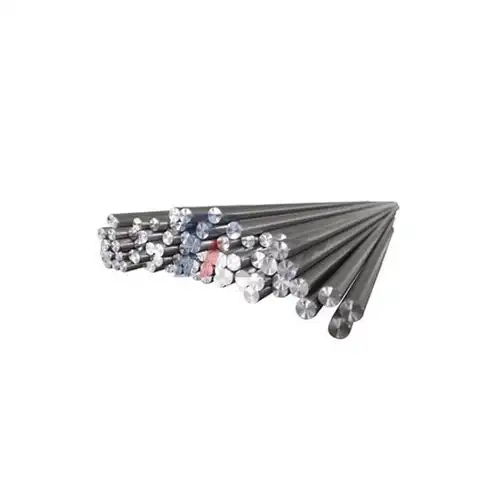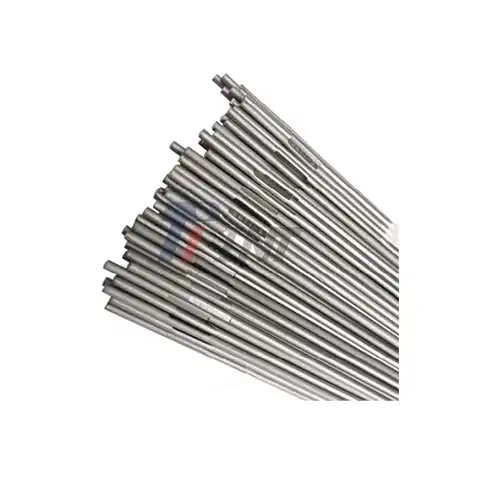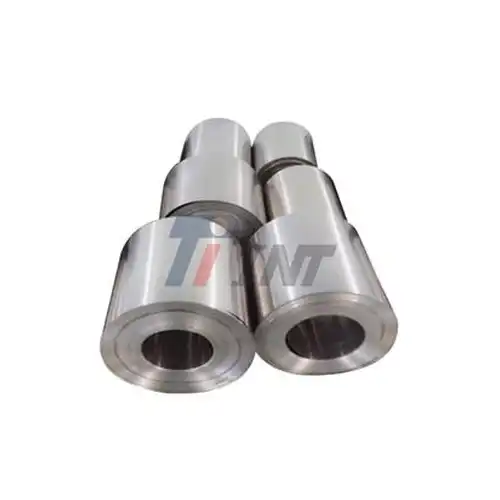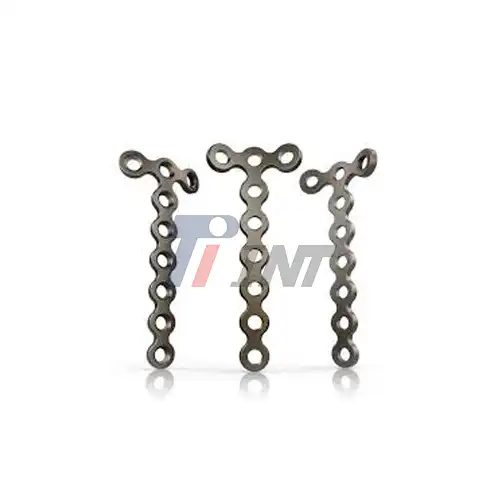

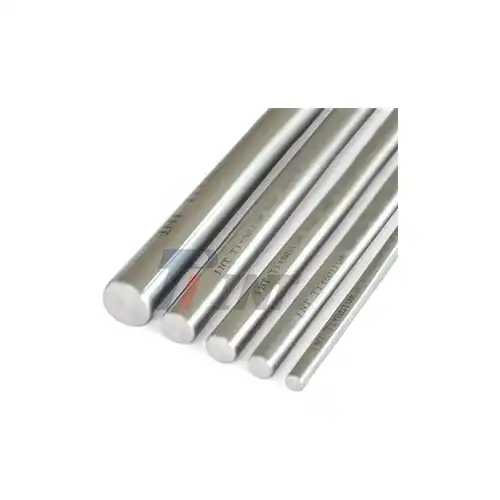
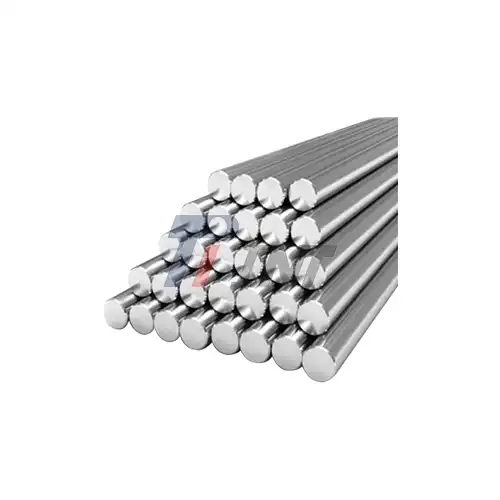
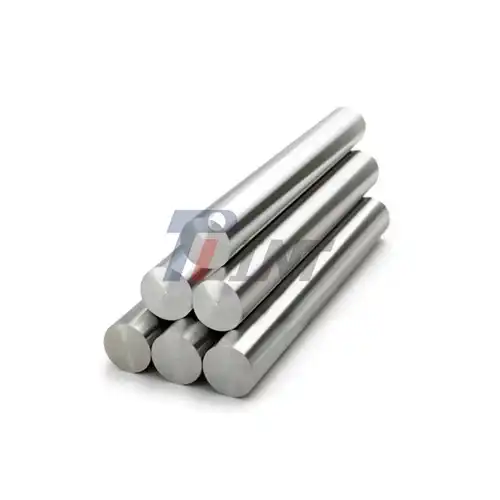
How to Select the Right 1 mm Titanium Rod Medical Grade


 2026-02-24 10:32:33
Biocompatibility standards, mechanical qualities, and legal compliance must all be carefully thought through when choosing the right 1 mm Titanium Rod Medical Grade. To make sure their products work best in surgical settings, medical device makers have to look at titanium grades, approval standards, and source skills. In the selection process, details about the materials, their suitability for sterilization, and how long they will last are looked at, along with how cost-effective they are and how stable the supply chain links are.
|
|
|
Introduction
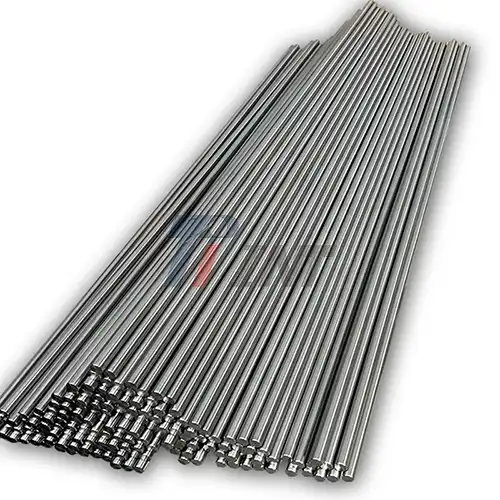
In medical and surgery settings, where accuracy, biocompatibility, and following the rules are very important, picking the right 1 mm medical grade titanium rod is very important. For procurement managers, engineers, wholesalers, and original equipment manufacturers (OEMs) who do business-to-business medical sourcing, this guide gives them the information they need to make smart buying choices. Knowing the different types of titanium, their important specs, and reliable sources can help lower risk and make costs and processes run more smoothly.
The medical device business needs materials that go above and beyond what other industries need. Titanium bars that are 1 mm in diameter are used in minimally invasive surgeries, dental instruments, and precise surgery tools. As part of the decision process, technical requirements must be balanced with legal compliance. This is done to protect patients and keep production running smoothly.
By understanding these basic points, buyers can make sure that products work well, that regulations are followed, and that supply chain operations run more smoothly. This will help make medical device production safer and more effective in the long run. Because choosing medical grade titanium is so hard, you need to know a lot about the material's qualities, certification standards, and what the provider can do.
Understanding Medical Grade Titanium Rods — Properties and Specifications
The main difference between medical grade titanium rods, like Grades 5 and 23, is that they are made with special chemicals that make them biocompatible, resistant to rust, and strong. These metals meet strict rules for the medical business, which protects patients and makes sure products last a long time. The main difference between medical grade titanium and industrial grade titanium is the level of purity. Medical grade materials need to be very clean and processed in controlled settings.
Chemical Composition and Biocompatibility Standards
Grade 23 titanium, which is also called Ti-6Al-4V ELI (Extra Low Interstitial), is the best material for medical equipment that are implanted. This metal is made up of about 6% aluminum and 4% vanadium. It has less oxygen, nitrogen, carbon, and iron than Grade 5. The extra-low interstitial makeup makes it more flexible and resistant to wear, which makes it perfect for long-term implant uses where mechanical dependability is very important.
Medical grade titanium is biocompatible because it can make a solid oxide layer when it comes into contact with living things. This inactive layer stops the release of ions and tissue reaction, which makes fusion with human tissue possible. Titanium is different from other metallic nanomaterials because it is not reactive, so there are no worries about allergic responses or toxins.
Mechanical Properties and Characteristics of Performance
Their usefulness for implants and surgical tools is based on important physical qualities like their tensile strength and ability to be sterilized. Medical-grade titanium bars have amazing strength-to-weight ratios. Grade 23 titanium can reach tensile strengths of over 860 MPa while still being very flexible. Titanium's elastic stiffness is about 110 GPa, which is very close to that of human bone. This means that titanium is not as good at protecting against stress in orthopedic uses.
Sterilization compatibility encompasses multiple methods, such as gamma irradiation, autoclaving, and electron beam sterilization. Medical-grade titanium, including 1 mm Titanium Rod Medical Grade, maintains its structural integrity and surface characteristics even after repeated sterilization cycles, ensuring consistent device performance and patient safety. The material’s ability to withstand steam sterilization at temperatures up to 134°C makes it particularly suitable for fabricating reusable medical instruments.
Regulatory Compliance and Quality Standards
To make sure safety and quality security in global markets, procurement teams must also think about certifications like FDA approval and ASTM or ISO standards. ASTM F136 talks about the exact needs for medical implant uses involving wrought titanium-6aluminum-4vanadium ELI alloy. ISO 5832-3 sets worldwide guidelines for the mechanical qualities and compositions of titanium alloys used in medicine.
For approval, a lot of tests must be done, such as cytotoxicity, sensitivity, and irritation studies. As required by ISO 13485, suppliers must keep full quality control systems that make sure the quality of the products is consistent and can be tracked all the way through the production process.
Comparing 1 mm Medical Grade Titanium Rods with Alternatives
1 mm medical grade titanium rods are better than stainless steel rods because they don't rust, are lighter, and are more biocompatible. This makes them better for internal devices and long-term medical uses. It is better for titanium than 316L stainless steel to prevent rusting in biological settings, especially when chloride ions from body fluids are present.
Medical Grade vs. Commercial Grade Titanium
It is very important to be able to tell the difference between medical grade and business grade titanium when making purchases. Medical grade rods are more pure and come with the tests and certifications needed for governmental permission, but they cost more. Even though commercial grade titanium is cheaper, it might have flaws that make it less biocompatible and less strong, so it can't be used in medical settings.
For medical grade titanium to be made, it needs to be made in controlled environments using specific melting methods and strict quality control measures. These steps make sure that the chemical make-up, mechanical traits, and surface quality are always the same, which is important for medical device uses. Medical grade products are more expensive because they need to be processed in a special way.
Dimensional Considerations and Application Suitability
Choosing a thickness between 1 mm and 2 mm has an effect on how well it works mechanically and how easy it is to handle during surgery. For minimally invasive treatments, thinner rods are more flexible, while thicker rods are stronger for uses that need to hold weight. For uses that need accurate manipulation in small anatomical areas, the 1 mm diameter standard works well.
Based on technical needs and surgery limitations, thickness is chosen based on specific use cases. For precise work, dental applications often choose 1 mm rods, while orthopedic applications may need bigger sizes for support. Understanding the individual needs of the application is important for choosing the right materials and making sure the device works well.
Procurement Considerations — Where and How to Buy 1 mm Medical Grade Titanium Rods
For quality and compliance reasons, it is important to find approved, trustworthy providers who have a history of making medical grade titanium. When choosing a supplier, it's important to look at their manufacturing skills, quality methods, and past of following the rules. Long-term customer ties and respect in the business show that established suppliers consistently do a good job.
Supplier Qualification and Certification Requirements
Buyers should give more weight to companies that can fully trace their products, have FDA and ISO certifications, and have good customer references. Traceability paperwork needs to have material certificates, records of heat treatment, and inspection reports that connect each product to the batch that made it. Throughout the lifecycle of a product, this paperwork helps with regulatory filings and quality checks.
Supplier checks should look at how products are made, how quality is controlled, and how regulations are followed. On-site evaluations give information about the ability to produce, the control of the surroundings, and the skills of the staff. Qualified providers keep their certifications up to date and show that their quality control systems are always getting better.
Pricing Factors and Economic Considerations
Some of the factors influencing cost include the alloy type, order volume, and any customization requirements, such as precision cutting or specialized surface treatments for components like the1 mm Titanium Rod Medical Grade. Bulk purchasing can lead to cost savings and supply chain stability, enabling manufacturers to secure favorable terms and ensure consistent material availability. Volume commitments may also facilitate improved pricing and supply priority during market shortages.
For procurement planning to work well, it's important to think about things like standard wait times, shipping processes, and warranties. This way, production cycles can keep going and risks can be reduced. Medical-grade titanium rods usually have lead times of 4 to 12 weeks, but this can change based on your needs and the supplier's availability. Rush sales may cost more, but they give you options for when you need something quickly.
Supply Chain Management and Risk Mitigation
Engaging suppliers with good after-sales help increases the value of long-term partnerships through expert support, resolving quality issues, and working together on product development. Advice on choosing materials, help with application engineering, and help with regulatory paperwork are all part of full service packages. These services lower the risks of buying things and shorten the time it takes to make new products.
How to Evaluate and Select the Right 1 mm Titanium Rod for Your Medical Application?
To make the best choice, you should first list the technical and biocompatibility needs that are right for your application. You should also think about how to sterilize the material and make sure it meets all the rules. As part of the evaluation process, technical requirements, provider skills, and the total cost of ownership must all be carefully looked at. A good selection process combines the need for success with the needs of the economy and the law.
Technical Requirements Assessment
Tensile strength, wear resistance, corrosion performance, and biocompatibility are some of the application-specific criteria. Tensile strength needs change depending on the type of mechanical pressure. Static applications need less strength than dynamic applications that are loaded and unloaded many times. When implants are loaded and unloaded many times over the course of their service life, fatigue resistance becomes very important.
The suitability of the sterilization method affects the choice of material and the handling needs. Gamma irradiation might change the mechanical qualities of something, and temperature cycle effects need to be thought about when using steam sterilization. Understanding the cleaning needs early on in the decision process helps keep compatibility problems from happening during the development of the device.
Supplier Evaluation Criteria
To figure out how trustworthy a provider is, you need to look at things like FDA approval, ISO 13485, material test results, customer feedback, and export credentials. A financial stability review makes sure that the supplier will be able to keep up with long-term supply deals. The level of development of a supplier's quality system shows how well they can keep product quality uniform and handle quality problems.
Customer references give you information about how well a seller does their job, how reliable their deliveries are, and how good their technical help is. Getting awards or licenses from the industry shows that a company is committed to doing a great job and always getting better. Export qualifications show that the provider can support activities around the world and follow international rules.
Cost-Benefit Analysis and Decision Framework
When getting good prices while keeping quality standards and dependable delivery schedules, cost balancing is very important to make sure that the return on investment lasts. The total cost study looks at the prices of materials, labor, transportation, and quality-related costs. The review needs to take into account hidden costs like the need for inspections, the cost of keeping supplies, and possible quality problems.
A thorough evaluation method lowers risks and helps make purchases that meet both business and technical goals. Based on the importance of the application, decision models should balance technical needs—including those for specialized components like a 1 mm Titanium Rod Medical Grade—supplier capabilities, and economic factors. Written evaluation criteria help ensure consistent, traceable decisions that meet regulatory and audit standards.
Case Studies and Best Practices in Using 1 mm Medical Grade Titanium Rods
Industry case studies show how 1 mm medical grade titanium rods have been successfully used in hip implants and complex surgery tools, showing how well they work and how safe they are for patients. Applications in the real world show that the material can meet strict performance standards while still being biocompatible and following all regulations.
Successful Implementation Examples
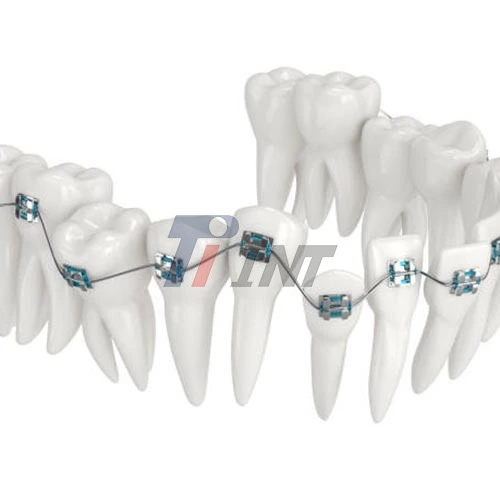
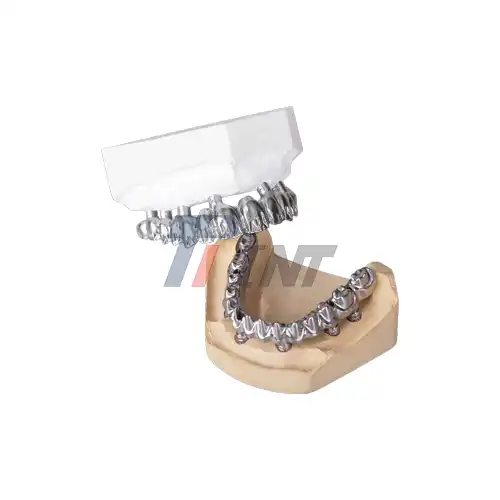
The uses of 1 mm medical grade titanium bars in dental implants show how useful they are in precision making. The biocompatibility of the material lets it directly integrate with bone, and its mechanical qualities make it stable over time. The rod's constant qualities are used in the manufacturing process to get the exact dimensions needed for the best fit and function.
Medical grade titanium is light and doesn't rust, which makes it a good material for minimally invasive surgery tools. The 1 mm thickness makes it possible to make fine instruments that can get into small body areas while still being structurally sound. Sterilization resistance makes sure that the tool will work well for a long time in hospital settings.
Quality Control and Risk Management
These cases show how important it is to choose qualified providers and follow strict quality control rules. Full quality plans include checking arriving materials, making sure the process works, and trying the finished product. Statistical process control keeps an eye on important factors and takes appropriate action when limits are crossed.
Some common problems are inconsistent product quality or shipping delays. These problems can be lessened by doing thorough checks of suppliers and following risk management rules. Monitoring supplier success keeps an eye on delivery times, quality standards, and how quickly customer service responds. Regular reviews of a business help find problems with performance and ways to make things better.
Best Practice Guidelines
By summarizing best practices, buying workers can get useful information that they can use to make better decisions and make sure the best results in tough medical settings. Partnerships with suppliers, quality assurance, and constant growth are all important parts of good buying strategies. Long-term relationships make it possible to work together to solve problems and help with product growth.
Documentation guidelines help with legal compliance and make sure that products can be tracked throughout their entire lifetime. Keeping detailed records makes it easier to look into quality issues and helps with efforts to keep improving. Procurement teams stay up to date on changes in the industry and the rules by getting training on a regular basis.
Conclusion
To choose the right 1 mm Titanium Rod Medical Grade, you need to understand its material properties, applicable regulations, and supplier capabilities. The selection process must balance technical specifications with economic considerations, all while ensuring strict regulatory compliance and quality assurance. Successful procurement relies on strong supplier partnerships, robust quality management systems, and meticulous documentation practices. By applying systematic evaluation criteria and industry best practices, medical device manufacturers can secure a reliable supply of high-quality titanium rods that meet rigorous performance standards and support critical patient safety outcomes.
FAQ
What makes medical grade 1 mm titanium rods suitable for implant applications?
Medical grade 1 mm titanium rods are best for implants because they are biocompatible with the body, have a high strength-to-weight ratio, and are less likely to rust. Because it can fuse with human flesh while still being strong, the material is perfect for long-term implant uses.
Can commercial grade titanium be used instead of medical grade materials?
Using business grade materials that don't have the right certifications could put patients at risk and make the gadget less effective. Titanium that is sold in stores doesn't go through the strict quality checks and tests that are needed for medical uses. It may therefore contain impurities that change its biocompatibility and mechanical properties.
How can buyers be sure that a seller is real and produces good goods?
To make sure a provider is real, you need to look at important paperwork like FDA approvals, ISO 13485 certifications, and material test results. Supplier checks, customer references, and industry awards are some of the other ways that manufacturing skills and the maturity of the quality system can be confirmed.
What are the typical lead times for medical grade titanium rods?
Lead times for medical-grade titanium rods are usually between 4 and 12 weeks, but they can be shorter or longer based on the specs, amount, and supplier capacity. Lead times may be longer for custom specs or specialized processing, but standard goods may be delivered more quickly from established sources with stock.
Partner with Baoji INT Medical Titanium Co., Ltd. for Premium 1 mm Titanium Rod Medical Grade Solutions
Quality-driven manufacturers seeking reliable 1 mm Titanium Rod Medical Grade supplier partnerships benefit from Baoji INT Medical Titanium Co., Ltd.'s two decades of specialized expertise and comprehensive certification portfolio. Our ISO 13485:2016 and CE-certified manufacturing processes ensure consistent quality and regulatory compliance for medical device applications. With over 30 years of titanium industry experience, we provide complete traceability documentation, technical support, and customized processing services tailored to your specific requirements. Contact export@tiint.com to discuss your procurement needs and experience the reliability that has built lasting partnerships spanning more than 10 years with leading medical device manufacturers worldwide.
References
1. ASTM International. "Standard Specification for Wrought Titanium-6Aluminum-4Vanadium ELI Alloy for Surgical Implant Applications (UNS R56401)." ASTM F136-13. West Conshohocken, PA: ASTM International, 2013.
2. ISO Technical Committee. "Implants for Surgery - Metallic Materials - Part 3: Wrought Titanium 6-Aluminium 4-Vanadium Alloy." ISO 5832-3:2016. Geneva: International Organization for Standardization, 2016.
3. Brunette, Donald M., et al. "Titanium in Medicine: Material Science, Surface Science, Engineering, Biological Responses and Medical Applications." Berlin: Springer-Verlag, 2001.
4. Rack, Henry J., and John J. Qazi. "Titanium Alloys for Biomedical Applications." Materials Science and Engineering C 26, no. 8 (2006): 1269-1277.
5. Niinomi, Mitsuo. "Mechanical Properties of Biomedical Titanium Alloys." Materials Science and Engineering A 243, no. 1-2 (1998): 231-236.
6. FDA Center for Devices and Radiological Health. "Guidance Document for Testing and Labeling Medical Devices for Safety in the Magnetic Resonance Environment." Rockville, MD: U.S. Food and Drug Administration, 2021.
_1752643437358.webp)