
Complete Guide to Ti6Al4V ELI Titanium Bar: Properties, Grades & Uses


 2026-02-24 10:32:23
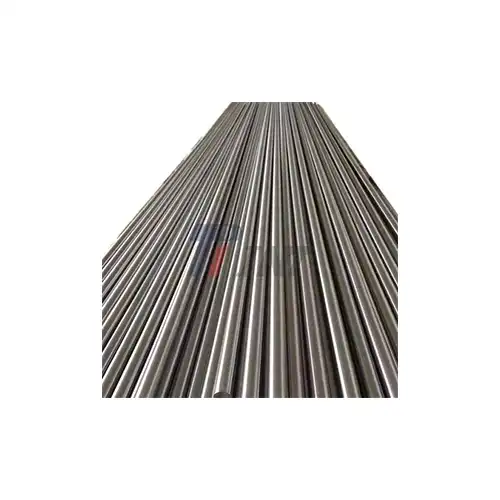
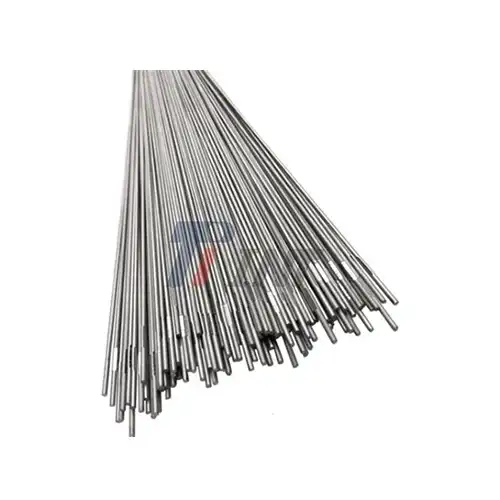
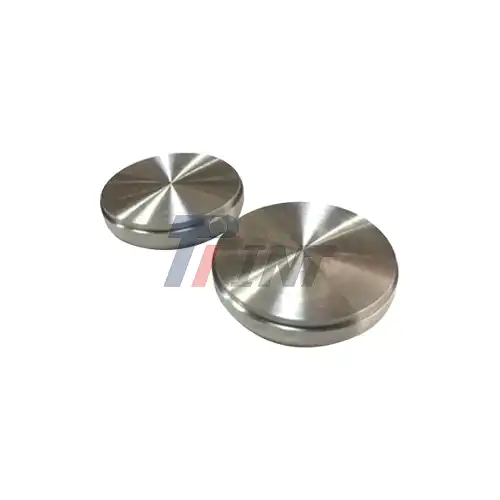
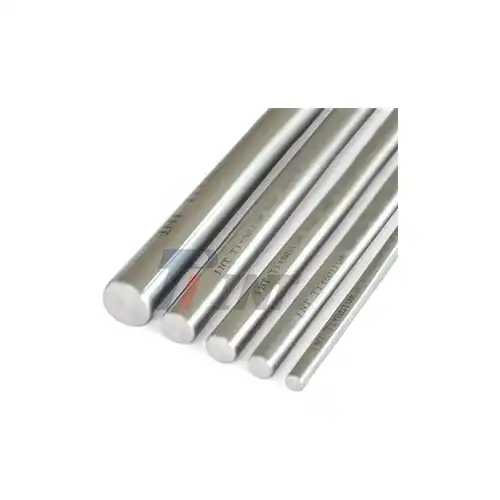
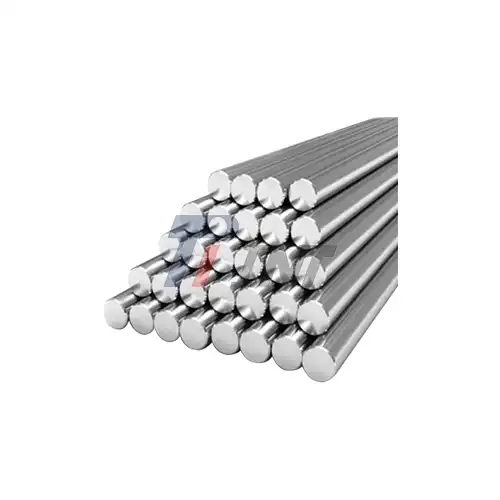
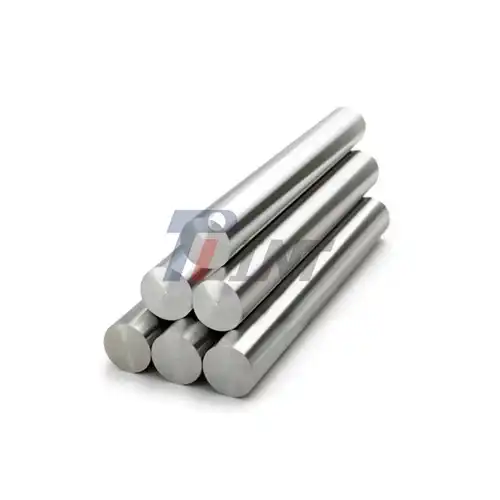
Ti6Al4V ELI Titanium Bar represents the pinnacle of high-performance alloy engineering, combining exceptional mechanical properties with biocompatibility that makes it indispensable for critical medical and aerospace applications. This Extra Low Interstitial variant of the popular Ti-6Al-4V alloy offers superior fracture toughness and corrosion resistance, making it the preferred choice for surgical implants, aerospace components, and demanding industrial applications where reliability cannot be compromised.
|
|
|
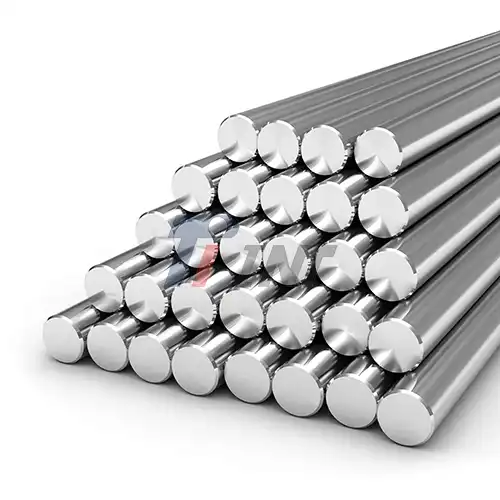
Comprehending Ti6Al4V ELI Titanium Bar: Properties and Grade Explanation
The Grade 23 titanium alloy, which is often referred to as Ti6Al4V ELI (Extra Low Interstitials), is an improved version of the conventional composition of Ti-6Al-4V. By exercising stringent control over the interstitial components that directly impact the performance characteristics, this premium material is able to overcome the significant limits that are associated with standard titanium alloys.
Chemical Composition and Purity Standards
The chemical composition of Ti6Al4V ELI is in accordance with the criteria of ASTM F136, which stipulate that the interstitial elements of this material are much lower than those of conventional Grade 5 titanium. By doing so, it ensures that the carbon content remains at or above 0.08%, the nitrogen content remains at or below 0.05%, and the oxygen level remains at or below 0.13%. As a result of these stringent limits, which give increased ductility and fracture toughness, the material is suited for applications in which failure might potentially have catastrophic implications.
When the aluminum concentration of a solution is between 5.5% and 6.75%, it is normally possible to obtain strong solution strengthening. In contrast, the levels of vanadium are maintained between 3.5% and 4.5%, which results in an increase in the material's strength and its capacity to be worked. The iron content is maintained at a level that is lower than 0.25%, which helps to add to the alloy's overall purity. This formulation, which has been meticulously tweaked, provides mechanical qualities that are constant throughout all of the various manufacturing batches.
Mechanical Properties and Performance Characteristics
Ti6Al4V ELI titanium bars are distinguished from other titanium alloys by their outstanding mechanical qualities, which were highlighted in the statement that came before this one. The ultimate tensile strength is projected to reach around 860 MPa, while the yield strength remains at values of approximately 795 MPa for the forecast period. It is necessary to have an extension capacity of at least fifteen percent in order to demonstrate exceptional ductility for the purposes of forming operations and stress distribution.
In medical implant applications where bone-matching qualities are required, the Young's modulus of 110 GPa, which offers a wonderful balance between stiffness and flexibility, is an excellent choice. When it comes to medical implants, this features a very beneficial functionality. The normal range of hardness is between 32 and 38 HRC, which allows for machinability to be maintained while meeting the requirements for adequate wear resistance. As a result of these qualities, the alloy is stable over a wide range of temperatures, ranging from cryogenic conditions to high service temperatures. This ensures that it is adaptable enough to be used in a wide variety of applications.
Corrosion Resistance and Environmental Performance
The corrosion resistance of Ti6Al4V ELI is superior to that of other metallic alloys, especially when chloride conditions and biological fluids are present. These protections are also supplied by the passive oxide layer that naturally develops on the surface. This layer offers outstanding protection against pitting, crevice corrosion, and stress corrosion cracking by its ability to prevent corrosion from occurring. When it comes to applications where long-term stability is of the utmost importance, such as medical implants and maritime applications, this property proves to be quite helpful.
Even when it is in touch with saltwater for a lengthy period of time, the alloy exhibits essentially no signs of corrosion when it is exposed to the environment. The biocompatibility of the materials may be attributed to the inertness of the oxide layer, which effectively limits the release of ions into the tissues that are around it. Due to the presence of this property, Ti6Al4V ELI has become the material of choice for surgical implants and other medical devices that need implantation for an extended period of time.
Comprehensive Comparison: Ti6Al4V ELI vs Other Titanium and Metal Bars
When procurement experts have a thorough understanding of the differences between the different grades of titanium and alternative materials, they are better able to make educated judgments that are based on the particular application needs and budgetary concerns. For example, Ti6Al4V ELI Titanium Bar offers superior fracture toughness and biocompatibility, which justifies its premium price in critical applications. The comparison sheds light on the reasons why Ti6Al4V ELI is able to charge a premium price while also giving performance that is better in crucial applications, making it a worthwhile investment for industries like aerospace and medical implants.
Ti6Al4V ELI vs Standard Ti6Al4V (Grade 5)
One of the most important aspects that distinguishes Ti6Al4V ELI from regular Grade 5 in terms of its composition is the interstitial element content. In contrast to the restriction of 0.13% that is imposed on ELI grade, the standard Ti6Al4V allows for oxygen levels of up to 0.20%. The fracture toughness of the material is greatly increased as a result of this decrease, especially at low temperatures, which is when the standard Grade 5 material becomes brittle.
Within the context of cyclic loading circumstances, fatigue resistance shows a significant increase in ELI grade, with fracture propagation rates decreasing by around thirty percent more than they were before. The increased purity makes it more forgiving during machining processes, which adds to less notch sensitivity and improved weldability. Additionally, it is more forgiving than other materials. When it comes to applications that are of crucial concern, the dependability factor improves considerably even though the strength levels remain the same. This justifies the higher cost.
Comparison with Commercially Pure Titanium
Titanium of grade 2 CP has an ultimate tensile strength of about 345 MPa, which is much lower than the strength of titanium of grade Ti6Al4V ELI. Titanium grades that are considered to be commercially pure (CP) provide greater corrosion resistance and biocompatibility; nevertheless, they do not possess the strength properties that are associated with Ti6Al4V ELI. As a result of this difference in strength, CP titanium may be used in applications that are not as demanding and do not need a significant deal of strength. Some examples of such applications are dental equipment and chemical processing machinery.
As a result of the need for increasing material thickness in structural applications, the economic advantage that CP titanium had previously enjoyed is no longer maintained. Ti6Al4V ELI provides designers with the possibility to reduce the weight of components while still ensuring that they satisfy the needed levels of strength. In many cases, this results in a savings in the overall cost, even if the costs of the materials are greater.
Performance Against Stainless Steel Alternatives
When it comes to a variety of performance parameters, Ti6Al4V ELI offers superior results than 316L stainless steel, which is often used in medical applications. The density of titanium is 4.43 grams per cubic centimeter, which is much lower than the density of stainless steel, which is 8.0 grams per cubic centimeter. In particular, this is of great significance for the aviation industry as well as the portable medical device industry.
When it comes to the ability to withstand corrosion in biological environments, titanium is without a doubt superior than stainless steel. Implant corrosion has not been noted, in contrast to the examples of stainless steel degeneration that have been documented. Titanium implants are biocompatible, which removes the problem that some patients have about nickel sensitivity, which is a concern that is associated with stainless steel implants. The initial material costs for titanium are higher than those of other materials; nevertheless, titanium often has a lower total cost of ownership in comparison to other materials due to its much longer lifespan and reduced maintenance requirements.
Applications of Ti6Al4V ELI Titanium Bars Across Industries
Because of its flexibility, Ti6Al4V ELI is a vital material in a wide variety of sectors, particularly those in which performance, dependability, and lifespan are demands that cannot be compromised. When buyers have a better understanding of these applications, they are better able to perceive the value proposition and request the proper material grades for their particular requirements.
Medical and Surgical Implant Applications
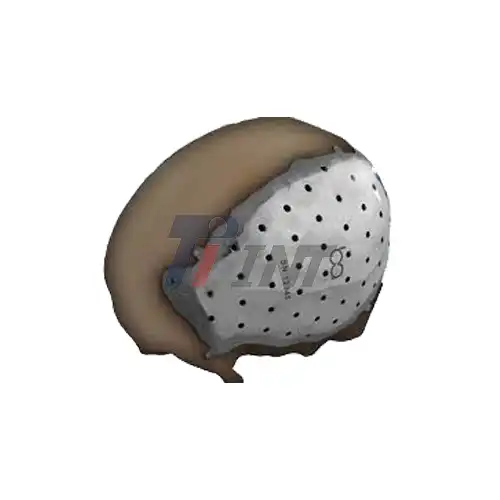
Attributable to the remarkable biocompatibility and mechanical qualities of the material, the medical sector constitutes the main market segment for titanium bars made of Ti6Al4V ELI. Ti6Al4V ELI Titanium Bar is particularly valued in this sector for its ability to manufacture implants that closely match bone modulus. For example, hip and knee replacement components make use of the alloy's strength-to-weight ratio, which helps to reduce the stress shielding effects that may contribute to bone resorption. This makes it a preferred material for long-term medical applications where durability and compatibility are critical.
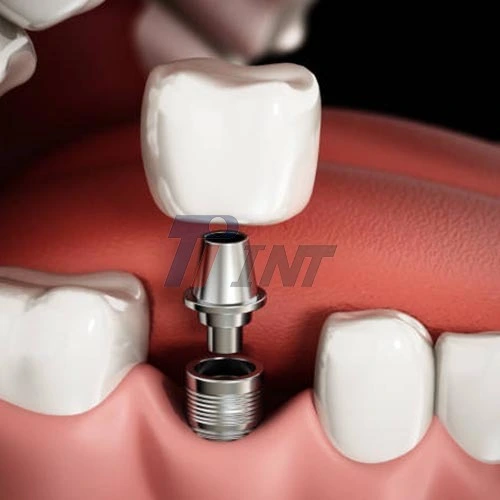
When it comes to the hardware that is used in spinal fusion, which includes rods, screws, and plates, the material's resilience to fatigue and resistance to corrosion are both advantageous. The lifetime of implants that are able to withstand millions of loading cycles without degrading is guaranteed to be similar to the patient's life expectancy. Implants that are able to do this are guaranteed to have a lifespan. The osseointegration characteristics of titanium are used in dental implant applications. This permits direct bone attachment without the development of fibrous tissue, which is a significant benefit.
When it comes to the creation of trauma fixation devices such as bone plates and intramedullary nails, the combination of strength and ductility that Ti6Al4V ELI provides is very necessary. It is possible for surgeons to mold implants such that they adhere to the anatomy of the patient while still maintaining the structural integrity of the implants throughout the healing process. This is made possible by the material's ability to bend without breaking.
Aerospace and Aviation Components
Ti6Al4V ELI is highly prized in the aerospace industry because to its extraordinary strength-to-weight ratio and its capacity to effectively operate at very high temperatures. Both of these characteristics contribute to the material's high value. Components of the engine, such as turbine blades and compressor discs, make advantage of the material's ability to endure oxidation and creep deformation while still maintaining its strength even when exposed to high temperatures. This ability allows the material to be used in the engine.
Titanium is increasingly being utilized in the structural components of modern airplanes in order to reduce the overall weight of the aircraft while still maintaining safety margins. This is being done in efforts to reduce the overall weight of the aircraft. Landing gear components reap advantages as a consequence of the material's resistance to fatigue and impact, both of which are essential characteristics for landing cycles that are repeated several times with greater frequency. When it comes to marine conditions, when aircraft operate from ships or coastal facilities, the corrosion resistance becomes more relevant than it is in other areas.
It is vital for key fasteners and components that are extensively dispersed throughout aircraft structures to have Ti6Al4V ELI because of its consistent properties and durability. The predictability of the material's performance enables engineers to design with confidence, knowing that the properties of the material will remain consistent throughout the component's service life. This allows engineers to design with confidence.
Marine and Chemical Processing Industries
Because of its extraordinary resistance to corrosion, Ti6Al4V ELI is able to effectively tackle the special difficulties that are posed by the marine environment. Offshore platform components that are exposed to high stress conditions and saltwater are able to benefit from the material's resistance to chloride-induced cracking and general corrosion. This is because the material is resistant to both of these stresses.
In order to create subsea equipment, which includes valve components and portions of pressure vessels, it is required to utilize materials that are able to maintain their integrity in conditions of extreme pressure and corrosion. This is a need that must be met. The combination of strength and resistance to corrosion that Ti6Al4V ELI has makes it an excellent material for the demanding applications that are being discussed here. It is possible that failure in these applications might lead to environmental disasters or issues about the safety of individuals while working with the material.
Several applications in the field of chemical processing make advantage of the material's resistance to a broad range of corrosive chemicals as well as high temperatures. Thermal conductivity and chemical inertness are two properties that titanium alloys provide, both of which are advantageous for heat exchanger components and reactor vessels. These characteristics not only make processing more effective but also ensure that the equipment will last for a longer period of time.
Procuring Ti6Al4V ELI Titanium Bars: Guides for B2B Buyers
For the procurement of Ti6Al4V ELI Titanium Bar to be successful, it is necessary to have a grasp of the market dynamics, the capabilities of the suppliers, and the quality requirements that guarantee the success of the project. Because of the high value and crucial nature of applications, such as medical implants and aerospace components, it is necessary to carry out verification and supplier selection procedures with great care. This ensures that the materials meet the stringent specifications and regulatory standards required for these critical uses.
Supplier Evaluation and Certification Requirements
Reputable suppliers are expected to demonstrate that they have established comprehensive quality management systems that contain certification to the ISO 9001:2015 standard. This is a fundamental criteria that must be met. Additionally, certification to the ISO 13485:2016 standard is necessary for applications in the medical field. By obtaining this certification, suppliers are guaranteed to be aware of the particular requirements that are related with the manufacturing of medical equipment. Registration with the Food and Drug Administration (FDA) and compliance with current Good Manufacturing Practices (cGMP) provide further assurance for any medical applications that may result from the usage of the product.
Every shipment of material is required to include a mill test certificate, which is also referred to as an MTC. This certificate is an essential piece of documentation. In addition to providing evidence of the material's chemical makeup, they also provide information on the mechanical qualities of the substance. The documentation of traceability has to be able to track the material from the point when it was first melted down until it was delivered to its ultimate destination. The ability to see the whole supply chain is made possible by this, which is essential for companies that are subject to regulations.
As part of the evaluation of the production capabilities, melting techniques have to be reviewed. The technologies of melting that are approved for use in premium applications are vacuum arc remelting (VAR) and electron beam melting. It is possible to establish a direct connection between the capacities of secondary processing, which include forging, rolling, and heat treatment, and the characteristics of the final material as well as the capabilities of delivery.
Pricing Considerations and Market Dynamics
It is common for Ti6Al4V ELI to demand prices that are twenty to thirty percent more than those of regular Grade 5 titanium. This is because the premium nature of the material is reflected in the pricing of the material. One of the most important aspects is the cost of the raw materials, which is further influenced by the availability of sponge titanium and the level of difficulty of the method. The greater production costs that are incurred as a result of the additional purification processes that are required for ELI grade are often reflected in the prices that are provided on the market.
Pricing choices are greatly impacted by volume considerations, with larger orders allowing for stronger economies of scale capabilities. Volume concerns are very important. A number of different minimum order amounts are required, and these values vary from one source to the next; nevertheless, the most frequent sizes often start at 500 pounds. When dealing with non-standard dimensions or special needs, it may be required to have larger minimums in order to justify the expenditures of tooling and setup. This is possible because of the unique nature of the situation.
There is a chance that the price might be influenced by the volatility of the market, particularly during periods of considerable demand from the aerospace or medical industries. Long-term supply agreements, which not only ensure the availability of resources during times of strong demand but also make it feasible to maintain price stability, makes it possible to maintain price stability. When making purchases, it is essential for buyers to take into account inventory management strategies that achieve a balance between carrying costs, price volatility, and supply security.
Quality Verification and Compliance Standards
Upon arrival, inspection processes are required to ensure that they comply with the relevant standards, which are generally ASTM F136 for medical uses and AMS 4930 for engineering purposes. Verification using chemical analysis guarantees that the interstitial element content satisfies ELI criteria, whilst verification through mechanical testing verifies that the requirements for strength and ductility are met.
The detection of internal discontinuities that might have an effect on performance is accomplished by non-destructive testing, which includes ultrasonic examination. During surface inspection, faults that might potentially function as crack initiation locations during the course of service are identified. Review of the documentation guarantees full traceability and adherence to the requirements that are relevant.
The independent verification of material qualities is provided by third-party testing services in situations when the skills of the organization itself are inadequate. Test findings are guaranteed to be acknowledged by regulatory organizations and end consumers when they are obtained from accredited labs that possess the required certifications.
Heat Treatment and Performance Optimization of Ti6Al4V ELI Bars
During the heat treatment process, the final characteristics of Ti6Al4V ELI Titanium Bar are greatly influenced. This allows for the tailoring of the material for particular applications while also guaranteeing that the performance is constant throughout production batches. The ability to propose suitable treatments and check correct execution is afforded to purchasers who have a thorough understanding of these procedures, ensuring that the material meets the specific performance requirements for critical applications such as medical implants and aerospace components.
Annealing and Stress Relief Treatments
The most common heat treatment for Ti6Al4V ELI is annealing, which is normally carried out at temperatures ranging from 700 to 850 degrees Celsius, and is then followed by air cooling. The microstructure is optimized for balanced strength and ductility qualities that are achieved by this technique, which also releases residual stresses that are caused by forming activities.
When it comes to the majority of applications, the mill annealed state offers the best combination of characteristics, with the alpha-beta microstructure providing exceptional fatigue resistance and fracture toughness. Additionally, the grain size and phase distribution are directly influenced by the annealing temperature, which in turn has an effect on the ultimate mechanical characteristics.
When stress relief treatments are performed at temperatures between 480 and 650 degrees Celsius, they eliminate machining stresses without having a substantial impact on the levels of strength. When it comes to precision components, where dimensional stability is very important while they are in service, this treatment proves to be extremely useful.
Solution Treatment and Aging Processes
When solution treatment is followed by aging, it is possible to achieve higher levels of strength than those that can be achieved with annealing alone. After being subjected to solution treatment at temperatures close to 950 degrees Celsius and then quenching with water, a martensitic structure is produced. This structure may then be aged to attain the necessary levels of strength.
The precipitation of tiny alpha particles during aging treatments at temperatures ranging from 480 to 650 degrees Celsius for two to eight hours results in an improvement in strength while preserving a tolerable degree of ductility. The ultimate property balance is determined by the combination of time and temperature, which enables customisation for particular applications.
Beta annealing, which takes place at temperatures higher than 1000 degrees Celsius, results in the formation of distinct microstructures that possess one-of-a-kind property combinations. However, owing to concerns over grain expansion, this treatment is far less typical for normal applications.
Quality Control and Testing Protocols
Verification of heat treatment necessitates meticulous temperature monitoring and recording during the whole thermal cycle. In order to guarantee that the load in the furnace is heated uniformly, thermocouples are strategically distributed throughout the equipment, and recording systems provide permanent documentation of thermal profiles.
The heat treatment was successful in achieving the specified characteristics, as shown by mechanical tests performed on representative samples. Tests of tensile strength and ductility are used to verify the criteria for strength and ductility, while measures of hardness give a speedy verification of the success of treatment.
The alpha-beta phase distribution and grain structure, which are the factors that define the final qualities, are revealed by the use of metallography in the microstructural study. With the use of this study, heat treatment settings may be optimized, and any property variations can be investigated and resolved.
Conclusion
Ti6Al4V ELI Titanium Bar stands as the premium choice for applications demanding the highest levels of performance, reliability, and biocompatibility. Its Extra Low Interstitial composition delivers enhanced fracture toughness and corrosion resistance that makes it indispensable for medical implants, aerospace components, and other critical applications. The material's unique combination of strength, lightweight characteristics, and biological compatibility continues to drive innovation across industries while establishing new standards for performance and safety.
FAQ
Q1: What makes Ti6Al4V ELI different from standard Grade 5 titanium?
A: Ti6Al4V ELI contains significantly lower levels of interstitial elements, particularly oxygen (0.13% max vs 0.20% max), nitrogen, and carbon. This reduction improves fracture toughness, fatigue resistance, and weldability compared to standard Grade 5, making it suitable for critical applications where enhanced reliability is essential.
Q2: What certifications are required for medical grade Ti6Al4V ELI bars?
A: Medical applications require ASTM F136 compliance, along with supplier certifications including ISO 13485:2016 and FDA registration. Complete traceability documentation and mill test certificates must accompany all shipments to ensure regulatory compliance and quality verification.
Q3: What are typical lead times for Ti6Al4V ELI titanium bar orders?
A: Standard sizes typically require 8-12 weeks for delivery, while custom specifications may extend to 16-20 weeks depending on complexity. Suppliers with inventory programs can reduce lead times for common sizes, making early engagement with suppliers crucial for project planning.
Q4: How does Ti6Al4V ELI compare to stainless steel in medical applications?
A: Ti6Al4V ELI offers superior biocompatibility, corrosion resistance, and strength-to-weight ratio compared to stainless steel. The material's modulus more closely matches bone properties, reducing stress shielding effects, while its complete inertness eliminates concerns about metal ion release or allergic reactions.
Q5: What heat treatment options are available for Ti6Al4V ELI bars?
A: Common heat treatments include mill annealed (most popular), solution treated and aged for higher strength, and stress relief annealed for dimensional stability. The choice depends on application requirements, with mill annealed providing the best balance of properties for most uses.
Contact Baoji INT Medical Titanium Co., Ltd. for Premium Ti6Al4V ELI Solutions
Baoji INT Medical Titanium Co., Ltd. stands as your trusted Ti6Al4V ELI Titanium Bar manufacturer with over 30 years of industry expertise and ISO 9001:2015, ISO 13485:2016, and CE certifications. Our comprehensive product line includes medical-grade titanium rods, plates, and forged components that meet the most stringent international standards for surgical implants and aerospace applications. With complete traceability documentation, competitive pricing, and reliable delivery schedules, we provide the quality assurance and technical support that procurement professionals demand. Contact our expert team at export@tiint.com to discuss your specific requirements and receive detailed quotations for your next project.
References
1. Boyer, R.R. "An Overview on the Use of Titanium in the Aerospace Industry." Materials Science and Engineering: A, Vol. 213, 1996.
2. Niinomi, M. "Mechanical Properties of Biomedical Titanium Alloys." Materials Science and Engineering: A, Vol. 243, 1998.
3. Rack, H.J. and Qazi, J.I. "Titanium Alloys for Biomedical Applications." Materials Science and Engineering: C, Vol. 26, 2006.
4. Peters, M. and Leyens, C. "Titanium and Titanium Alloys: Fundamentals and Applications." Wiley-VCH, 2003.
5. Donachie, M.J. "Titanium: A Technical Guide, 2nd Edition." ASM International, 2000.
6. Long, M. and Rack, H.J. "Titanium Alloys in Total Joint Replacement—A Materials Science Perspective." Biomaterials, Vol. 19, 1998.
_1753426579714.webp)
_1752463990252.webp)
_1750923514395.webp)