
Titanium Medical Bar Applications in Surgical Instruments


 2026-08-26 15:09:58
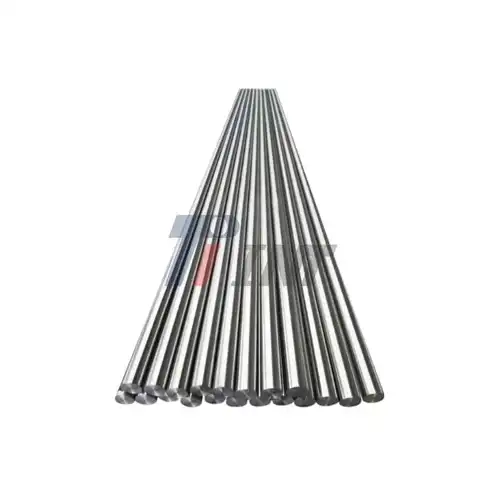
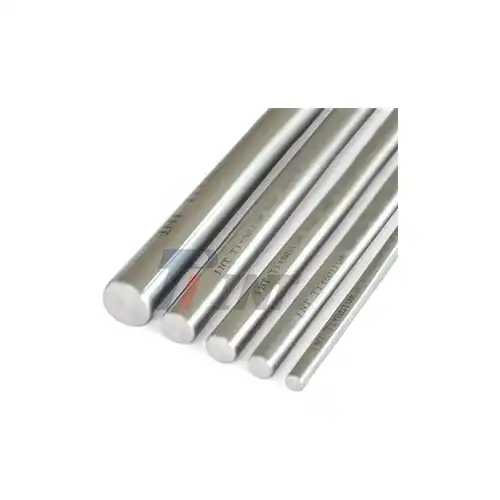
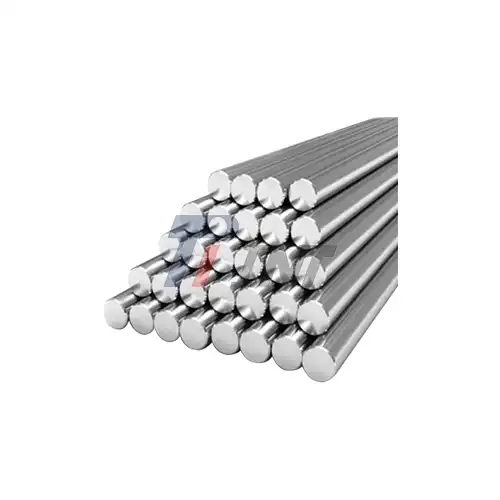
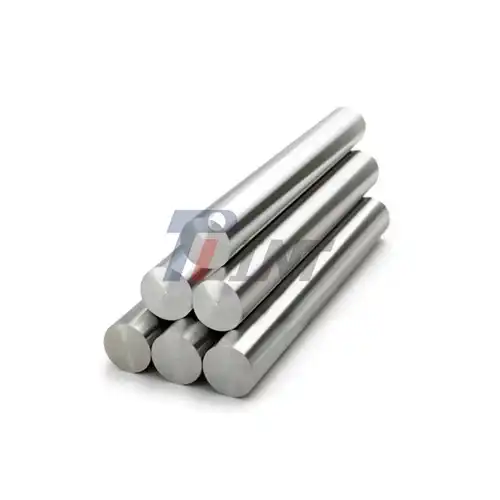
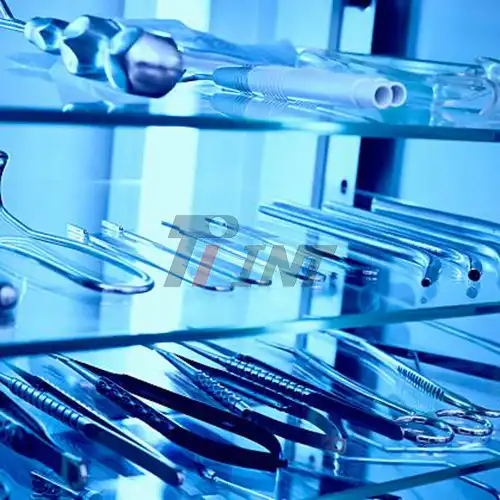
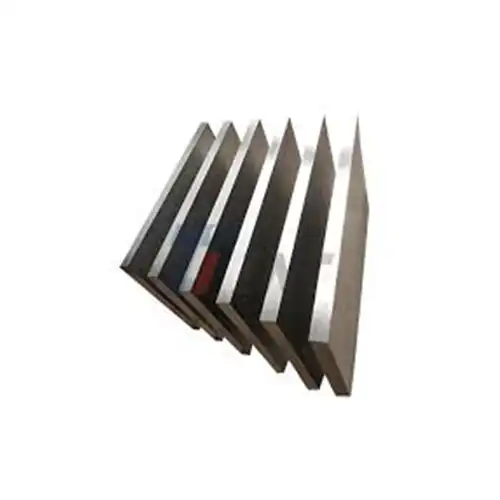
When it comes to manufacturing precision surgical instruments that surgeons trust with patients' lives, material selection becomes non-negotiable. Titanium medical bars, particularly Gr2 Medical Titanium Bar, have emerged as the preferred choice for producing scalpel handles, retractors, forceps, and bone-cutting tools. These commercially pure titanium rods combine exceptional corrosion resistance with adequate mechanical strength, offering medical device manufacturers a reliable foundation for creating instruments that withstand repeated sterilization cycles while maintaining dimensional stability and biocompatibility throughout their service life.
|
|
|
Understanding GR2 Medical Titanium Bars and Their Properties
Commercially pure (CP) titanium is used to make Gr2 Medical Titanium Bar, which is made to meet strict biological standards like ASTM F67 and ISO 5832-2. In contrast to titanium alloys that contain aluminum or vanadium, this grade stays very pure with titanium as the main element, iron limited to 0.30% at most, and oxygen limited to about 0.25% at most to keep the alloy's shapeability without weakening it.
Chemical Composition and Structural Characteristics
Commercially pure titanium Grade 2 has an alpha-phase crystalline structure that gives it a tensile strength of at least 345 MPa (50 ksi) and a yield strength of between 275 and 450 MPa (40 to 65 ksi). Based on these specs, it falls in the commercially pure titanium family between Grade 1, which is softer, and Grade 4, which is a little stronger. The amount of oxygen directly affects the mechanical properties. More oxygen makes the material stronger but less flexible, which manufacturers have to balance based on the shaping steps needed to make surgical instruments.
Biocompatibility and Passive Oxide Layer
Medical-grade titanium bars are different because when they are introduced to air, they form a stable layer of titanium dioxide (TiO₂). If this passive film gets scratched, it instantly heals itself, protecting against corrosion in physiological settings. Because these bars don't contain any cytotoxic elements like nickel, which is found in some stainless steels, there is no chance of an allergic reaction. This means that they can be used for tools that touch flesh during procedures.
Comparison with Other Titanium Grades
Grade 5 (Ti-6Al-4V) has a higher tensile strength of at least 895 MPa and a hardness of about 36 HRC. However, Grade 2, which is commercially pure, is easier to cold form and weld. Grade 2's elongation capacity of about 20% is helpful for surgical instruments that need to be shaped, stamped, or bent in complex ways. The modulus of flexibility at about 105 GPa is also more like human bone than it is to stainless steel at 200 GPa, though this is more important for implants than for tools.
Advantages of Using GR2 Titanium Bars in Surgical Instruments
Medical device makers are always under pressure to make tools that can be sterilized thousands of times without breaking down and are still light enough to use during long surgeries. Commercially pure titanium Grade 2 does a good job of dealing with these problems.
Superior Corrosion Resistance in Clinical Environments
Surgical instruments are put through saline solutions, chemical disinfectants, and steam autoclaving at 134°C many times. The passive TiO2 layer on Gr2 Medical Titanium Bar protects against corrosion in these conditions, keeping the surface's integrity while stainless steel might get pitting or fissure corrosion over time. This means that instruments will last longer and healthcare facilities will not have to pay as much to replace them.
Lightweight Design Without Strength Compromise
Titanium weighs about 45% less than stainless steel options because it has a density of 4.51 g/cm³. Using titanium-based tools can help orthopedic doctors who are doing long spinal procedures or dentists who are doing a lot of extractions because they make their hands less tired. The strength-to-weight ratio lets makers make thinner shapes without lowering the rigidity of the structure. This makes it easier to work with delicate tissues.
Non-Magnetic and MRI-Compatible Properties
Commercially pure titanium is not magnetic like ferritic stainless steels are, so it doesn't get in the way of MRI equipment. Most surgical instruments stay out of the imaging area during scans, but this property is useful for facilities that use intraoperative MRI or when instruments get close to imaging suites by accident.
Cost-Effectiveness Compared to High-Alloy Grades
Most of the time, Grade 2 titanium bars cost 30 to 40 percent less per kilogram than Grade 5 titanium alloy. They also meet the performance requirements for many surgical instrument uses. When purchasing managers look at the total cost of ownership, they find that the lower cost of the materials, longer service life, and easier processing (better machinability than Grade 5) make it a good choice for large production runs.
Because of these benefits, economically pure titanium Grade 2 is the best material for surgery instruments that need to be resistant to corrosion and biocompatible over strong. Grade 2 is great for tools like dental scalers, periosteal lifters, and general surgery retractors that have been used in hospitals for decades and still work well.
Selecting the Right Medical Titanium Bar for Surgical Instruments
When buying titanium bar stock, it's important to carefully compare the mechanical specs to the processes that will be used to make it and the end-use requirements. Engineers and supply chain managers have to deal with a lot of technical and legal issues.
Mechanical Property Requirements
Yield strength tells you how much stress an object can take before it permanently changes shape. For forceps and clamps that need spring action, Grade 2's minimum yield strength of 275 MPa gives them enough flexibility while also protecting them from wear over thousands of opening and closing cycles. Tensile strength of 345 MPa means the material won't break under usual surgery loads. However, Grade 5 alloy may be needed for bone-cutting tools because it is stronger.
Machinability and Processing Considerations
It is easier to make Gr2 Medical Titanium Bar than Grade 5 titanium, which cuts down on tool wear and cycle times during CNC operations. The lower hardness of the material makes it possible to precisely turn and mill shapes with complex geometries, such as ratchet teeth or grip surfaces with different textures. Titanium has a low heat conductivity (about 16.4 W/m·K), so manufacturers need to use the right cutting speeds and coolant techniques to keep the work from hardening during machining.
Regulatory Compliance and Certification Standards
Manufacturers of medical devices must get titanium bars that come with material certificates that can be traced back to ASTM B348 standards for commercial grade bars or ASTM F67 standards for surgical implant uses. The supplier's ISO 13485 certification makes sure that quality control systems meet the needs of the medical device business. Even though FDA registration isn't required for suppliers of raw materials, it shows that they are committed to following the rules, which makes it easier for devices to be approved later on.
Customization and Specification Options
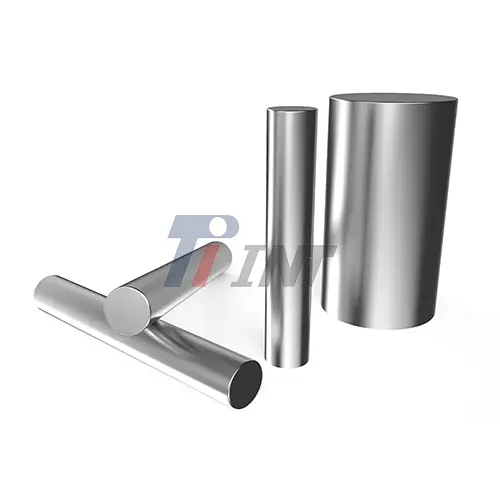
Bar diameter choice affects how efficiently materials are used. Common diameters range from 6mm to 200mm, and makers often choose sizes that are a little bigger than what they need for the finished part so that they can clean up the machine. The type of surface finish (hot-rolled, cold-drawn, or centerless ground) affects both the size limits and the quality of the surface. For example, ground bars provide better roundness and finish for precision instrument parts. You can usually choose lengths up to 6 meters, but special cutting services can help you get the most out of the material for certain production runs.
Procurement and Supply Chain Insights for GR2 Medical Titanium Bars
To find reliable suppliers of medical-grade titanium bars, you need to do more research than you normally would when buying something. Regulatory compliance and production continuity are directly affected by quality assurance, the thoroughness of documentation, and the skills of the supplier.
Supplier Qualification Criteria
Over many years of working in the titanium business, we've seen that qualified providers keep their ISO 9001:2015 and ISO 13485:2016 certifications as basic credentials. These quality management systems make sure that the metallurgical properties of each production lot are the same. This is very important for instrument makers who do validation testing on sample batches before moving on to mass production. Material checking can be done faster by suppliers who have their own testing labs that can use optical emission spectrometry to analyze chemical makeup and ASTM E290 bend tests for mechanical testing.
Quality Documentation and Traceability
Each shipment should have mill test certificates that show the heat number, chemical composition results (that show the material meets the maximum impurity limits for iron, oxygen, nitrogen, carbon, and hydrogen), and mechanical test data that shows the tensile strength, yield strength, and elongation meet the minimum requirements. Medical device makers can show the material's history when they submit a 510(k) or when the EU MDR reviews their technical paperwork if they can track it through the supply chain.
Pricing Dynamics and Order Economics
At the moment, the market price for reasonably pure Grade 2 titanium bars in production quantities runs from $18 to $28 per kilogram for standard diameters. Gr2 Medical Titanium Bar follows a similar pricing structure, though medical-grade certification and traceability may add a modest premium. The price depends on the bar diameter (larger diameters cost more), the surface finish requirements, and the order volume.
Most of the time, the minimum order quantity is 100 kilograms, but if you need smaller amounts for prototyping or research and development, established sources may be able to handle you at a different price. Lead times are usually between 6 and 10 weeks for stock sizes and 12 to 16 weeks for custom specifications that need dedicated mill runs.
International Logistics Considerations
Shipping titanium bars needs the right packing to keep the finish from getting damaged during transport. Wooden crates with foam padding inside or cardboard tube protectors keep the finish on. Titanium products should be labeled with HS code 8108.90 on their import paperwork, and country-of-origin certificates can make clearing customs easier. When buying from foreign sources, procurement managers should add 8 to 12 percent of the cost of the materials to cover international freight and duties.
Future Trends and Innovations in Medical Titanium Bar Applications
The medical titanium industry is always changing because of new ways of processing titanium and changes in the market. Procurement professionals should keep an eye on these changes to gain a strategic advantage.
Advanced Processing Technologies
Additive manufacturing with titanium powder has gotten a lot of attention as a way to make complicated parts for medical instruments. However, bar stock is still needed for large-scale production because it ensures consistent dimensions and mechanical properties.
New cold-spray coating technologies make it possible to add titanium layers to stainless steel instruments that are already in use. This makes the instruments more resistant to corrosion without having to replace the whole thing. Heat treatment procedures made just for medical uses now make it possible to relieve stress without changing the color or shape of the surface, which makes tools that are loaded and unloaded many times more resistant to fatigue.
Sustainability and Circular Economy Initiatives
Titanium recycling has advanced to the point where remelted scrap titanium meets purity standards and can be used in medical devices as long as it is properly separated and handled. Healthcare systems are interested in tool longevity and end-of-life material recycling projects because they care about the environment. Responsible suppliers of titanium sponge (the main raw material) and energy-efficient production methods are in line with companies' sustainability goals, which are becoming more and more important in purchasing decisions.
Market Growth Drivers
Minimally invasive surgical techniques are growing, which means that specialized instruments need to be made with thinner profiles and better durability. Titanium's properties make it a better choice than other materials for these uses. Industry studies say that the global market for medical tools will grow to $16.8 billion by 2027. The orthopedic and cardiovascular markets will see the most growth, as these are the areas where titanium has traditionally been used the most. Developing smart relationships with suppliers is important for procurement teams because they should expect demand to keep going up and supply to become tight during busy production times.
Conclusion
When it comes to making surgery instruments, commercially pure titanium Grade 2 bars have the right mix of biocompatibility, rust resistance, and mechanical performance. Gr2 Medical Titanium Bar is the specific form most commonly used for these applications, as it meets strict medical-grade requirements for purity and surface quality.
Knowing the metal's metallurgical properties, how it should be processed, and how to get it can help you make smart sourcing decisions that balance quality needs with cost goals. As surgery methods improve and regulations change, working with experienced titanium suppliers becomes more valuable. These suppliers can not only provide the material, but they can also help with product development and making sure the device meets all regulations throughout its lifecycle.
FAQ
What distinguishes medical-grade titanium bars from industrial-grade titanium?
Medical-grade titanium bars meet tighter purity standards set by ASTM F67 and ISO 5832-2. These standards limit interstitial elements like oxygen, nitrogen, and carbon to amounts that are biocompatible. Suppliers provide a lot of paperwork, like certificates of chemical composition and the ability to track back to specific ingot heats. These are requirements that aren't as important for industrial uses but are necessary for medical device regulatory submissions.
Can Grade 2 titanium bars undergo sterilization without property degradation?
Commercially pure titanium Grade 2 can be sterilized over and over again using steam autoclaving, gamma irradiation, and chemical means without changing its mechanical properties or surface. During these steps, the passive oxide layer stays steady, protecting against rusting. Manufacturers should not use sterilization temperatures that are higher than the material's suggested working temperature, which is around 300°C, for long periods of time.
How does machinability compare between Grade 2 and stainless steel for surgical instruments?
Grade 2 titanium doesn't machine the same way austenitic stainless steels do. To keep the work from stiffening, it needs slower cutting speeds, higher feed rates, and sharp tools. Even though the tool wear rate for carbon steel is higher than that for stainless steel, the material's better resistance to corrosion and lighter weight usually make up for the extra machining considerations. Manufacturers with a lot of experience come up with specific tooling strategies that keep tolerances for dimensions while increasing productivity.
Partner with a Proven Titanium Medical Bar Supplier
Baoji INT Medical Titanium Co., Ltd. has been making high-quality commercially pure titanium and Ti6Al4V ELI materials for makers of surgery instruments around the world for more than 30 years. Our production facilities are approved by ISO 9001:2015 and ISO 13485:2016. They make Gr2 Medical Titanium Bar in a wide range of sizes and shapes, including rods with diameters from 6mm to 200mm, unique lengths, and surface finishes that fit your special machining needs.
We know how important it is to have consistent metallurgical properties and full documentation for regulatory compliance. Email our technical team at export@tiint.com to talk about the needs of your specific application, get material certificates, or set up testing of samples. We can support your production plans with solid delivery times and reasonable prices for both small trial runs and large production runs.
References
1. American Society for Testing and Materials. "ASTM F67-13: Standard Specification for Unalloyed Titanium for Surgical Implant Applications." ASTM International, 2013.
2. Boyer, R., Welsch, G., and Collings, E.W. "Materials Properties Handbook: Titanium Alloys." ASM International, 1994.
3. International Organization for Standardization. "ISO 5832-2:2018 Implants for Surgery — Metallic Materials — Part 2: Unalloyed Titanium." ISO Standards, 2018.
4. Disegi, John A., and Eschbach, Lutz. "Stainless Steel in Bone Surgery." Injury, International Journal of the Care of the Injured, vol. 31, 2000, pp. 2-6.
5. Rack, H.J., and Qazi, J.I. "Titanium Alloys for Biomedical Applications." Materials Science and Engineering C, vol. 26, no. 8, 2006, pp. 1269-1277.
6. Niinomi, Mitsuo. "Mechanical Properties of Biomedical Titanium Alloys." Materials Science and Engineering A, vol. 243, no. 1-2, 1998, pp. 231-236.
_1752818317695.webp)
_1752644608314.webp)
_1752463076575.webp)
_1751958555199.webp)