




Titanium Implant Bar vs Zirconia: Which Is Best for OEM Orders


 2026-11-23 10:33:31
When evaluating materials for full-arch restorations, the choice between a titanium implant bar and a zirconia framework shapes everything from CNC machinability to regulatory traceability. For OEM orthopedic and dental implant manufacturers, titanium—particularly Grade 23 (Ti-6Al-4V ELI) compliant with ASTM F136 and ISO 5832-3—delivers superior tensile strength (860–960 MPa), proven osseointegration, and batch-to-batch consistency that zirconia frameworks cannot replicate at scale. This guide breaks down both materials so procurement teams can make a defensible, data-backed decision.
|
|
|
Understanding Core Characteristics of Titanium and Zirconia Implant Bars
At the OEM level, choosing the right material isn't just a clinical choice; it has effects on the supply chain, regulations, and mechanics that build over time.
Titanium: Structural Backbone of Implant Prosthetics
Titanium alloys Grade 5 (Ti-6Al-4V) and Grade 23 (Ti-6Al-4V ELI) are the main types used for milled implant bar substructures. Titanium reduces stress shielding at the crestal bone interface because it has a density of 4.43 g/cm³ and an elastic modulus of about 110 GPa, which is very similar to cortical bone. Its natural TiO₂ passivation layer protects against rust without any surface coats, meeting ISO 10271 immersion testing requirements. Modern 5-axis CAD/CAM milling centers can regularly get interface tolerances below 10 microns, which directly meets the requirement for passive fit that determines how long an implant will last.
Zirconia: Aesthetic Strength with Mechanical Trade-offs
Yttria-stabilized tetragonal zirconia polycrystal (Y-TZP) is clear and matches the color of your teeth better than titanium. In a lab setting, its flexural strength can reach 900–1,200 MPa. Zirconia, on the other hand, has been shown to be susceptible to low-temperature degradation (LTD), also known as hydrothermal age, which makes it easier for it to break in wet mouth settings. Zirconia frames are made from pre-sintered pucks, which is different from titanium in that they shrink by 20–25% during sintering. This means that they need to be carefully calibrated to keep the passive fit accuracy.
Because of these basic differences in how the materials behave, each choice is best for a different set of clinical and manufacturing situations. This is a very important difference when it comes to OEM buying.
Titanium vs Zirconia: Technical and Economic Considerations for OEM Orders
Cost structures, wait times, and the amount of regulatory paperwork must all be taken into account by OEM procurement teams when they buy new parts.
Cost Structure and MOQ Flexibility
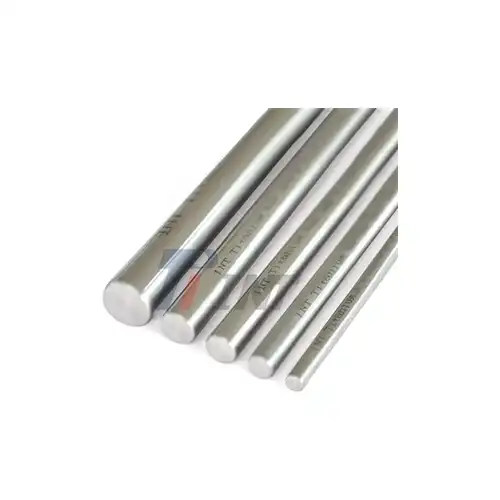
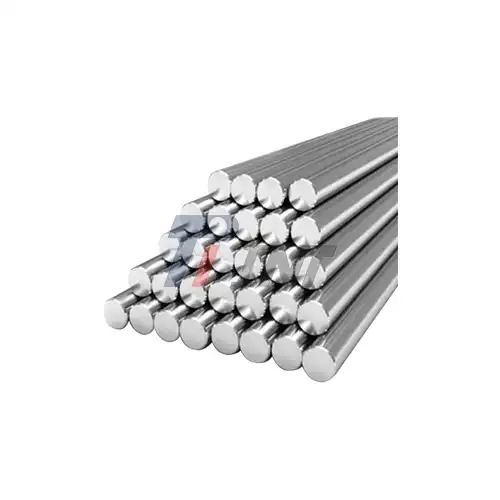
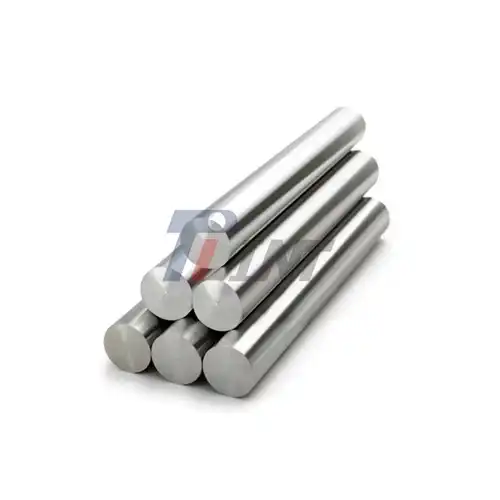
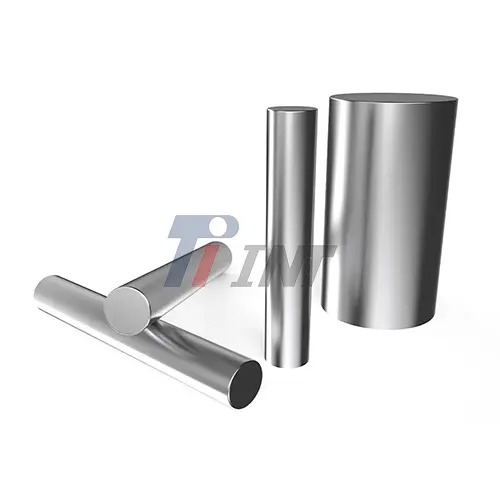
Medical-grade titanium bar stock for a titanium implant bar comes in round bars with widths ranging from 3 mm to 100 mm. When bulk pricing applies, the price is much lower than gold alloys and about the same as high-purity zirconia pucks. Crucially, titanium bar suppliers following the ISO 13485 and EN 10204 3.1 mill certificate protocols can complete small-batch trial orders with multiple specifications that are needed for new implant development programs. Zirconia puck suppliers, on the other hand, usually have higher MOQs for the sintering cycle, which makes the prototyping phase more difficult.
Compliance Documentation and Supply Chain Traceability
Managers of regulatory affairs will know that getting titanium bars in line with ASTM F136 or ISO 5832-3 creates a material chain that can be tracked. This chain includes a heat number, a chemical composition report, a mechanical test certificate, and biocompatibility data (ISO 10993 series). This stack of documents works directly with both FDA 510(k) submissions and EU MDR technical files. Zirconia is a ceramic, which means it has to follow different material standards (ISO 13356). If you move sources in the middle of a product's lifecycle, this can make the regulatory review process take longer.
These are the main supply chain benefits that OEM makers get from buying titanium bars:
- Full batch traceability via heat number and EN 10204 3.1 certificates, enabling direct linkage between raw material lots and finished device DHRs.
- Standardized compliance documentation aligned with ASTM F136/F67 and ISO 5832-3, reducing RA workload during product registration.
- Flexible diameter and length specifications available for multi-product lines, from trauma plates to spinal rod blanks.
- ISO 13485-certified supplier audits accepted through on-site or video assessment, accelerating SQE qualification.
These structural advantages make it much less likely that production will stop because of undocumented material substitutions or problems with qualifying suppliers.
Performance Comparison in Dental and Orthopedic Applications
Titanium in Full-Arch and Hybrid Restorations
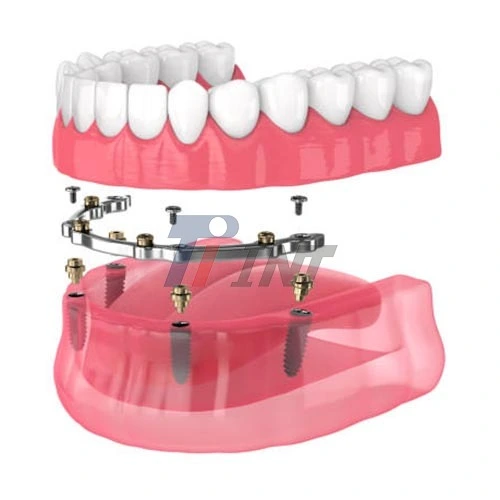
In All-on-X fixed removable hybrid methods, a milled titanium implant bar takes on cantilever forces in the back where bone volume is low. The bar splints several fixtures together, spreading the loads on the jaw and stopping small movements off-axis. Milled titanium bars can handle implant divergences of more than 30 degrees through precision-milled clip or Dolder attachment shapes, which is a design freedom that cast zirconia frames can't easily match.
Real-World OEM Feedback
OEMs that switched from cut titanium bar substructures to cast cobalt-chrome substructures reliably report lower screw-loosening rates and fewer framework remakes during clinical service. A study from 2022 that was released in the International Journal of Oral & Maxillofacial Implants looked back and found that CAD/CAM titanium bar-supported overdentures had a cumulative survival rate of over 97% after 5 years. These are performance measures that are directly relevant to OEM product risk management. Zirconia frames work well for single-unit and short-span front repairs that are mostly about how they look. But when there is a posterior full arch and a lot of chewing force, the brittleness index of Y-TZP increases the chance of breaking, which titanium's natural ability to bend doesn't allow.
Selecting the Right Implant Bar Material for Your OEM Business Needs
The decision to buy depends on three factors that affect each other: the application load profile, the regulatory timeline, and the resilience of the supply chain.
If the OEM product needs to be strong, work with multiple implants, and have strict traceability rules, titanium bar stock is the best choice. Zirconia is still a good choice for front cosmetic replacements in areas where metal-free support is a selling point.
OEM quality experts should ask any potential seller for the following things when they are choosing a titanium implant bar supplier:
- ISO 13485:2016 quality management system certification with scope covering medical titanium materials
- Third-party chemical composition and mechanical property test reports per ASTM F136/ISO 5832-3
- EN 10204 3.1 mill certificates with heat number cross-referencing
- Documented small-batch sampling capability and a defined sample verification protocol
- Willingness to participate in customer SQE audits—on-site or via video
In CNC machining settings, meeting these requirements protects both the time it takes to register a product and the rate at which it can be made.
How to Maximize ROI with Titanium Implant Bars in OEM Orders?
When buyers make annual framework agreements with volume-tiered pricing, they can get titanium bar stock much more efficiently. This model locks in rates per kilogram while still allowing for changes in specifications during the development of new products. The most important thing for CNC machining result is batch uniformity. Tool wear rates change randomly when hardness and microstructure are different between lots. This makes scrap rates and rework costs go up.
This risk can be directly reduced by working with a supplier whose metallurgical controls ensure stable Brinell hardness values across heats. New developments in medical titanium include more people using Grade 23 ELI because it has less interstitial element content, which makes it better at handling fatigue in implant parts that are loaded and unloaded many times. This change in specification has already been reflected in new versions of ISO 5832-3.
Conclusion
Titanium implant bar stock continues to be the most popular OEM material for load-bearing, multi-implant prosthesis substructures. This is supported by mechanical data, regulatory tracking standards, and long-term clinical results. Zirconia has a clear place in the cosmetics market, but it has important flaws in terms of how easily it breaks, how unevenly it fuses, and how deeply it can be documented as compliant. Medical-grade titanium bar that meets ASTM F136 or ISO 5832-3 is the safer and more traceable way for OEM makers to build supply chains that can be expanded and are ready for audits.
FAQ
Q1: What makes titanium the preferred material for OEM implant bar substructures?
A: The high tensile strength (860–960 MPa for Grade 23 ELI), low modulus of elasticity (~110 GPa), and naturally corrosion-resistant oxide layer of titanium make it the best material for multi-implant structures from both a mechanical and biological point of view. It works with 5-axis CAD/CAM milling, which lets passive fit errors be less than 10 microns, which is important for keeping the crestal bone.
Q2: Can titanium bar suppliers accommodate small-batch trial orders?
A: Yes. ISO 13485-qualified providers can complete small-batch orders with multiple specifications and all the necessary EN 10204 3.1 paperwork. This is very important during the development stages of new implants, when different combinations of width and length are needed before production is scaled up.
Q3: What certifications should I require from a titanium bar supplier for FDA or EU MDR submissions?
A: As well as EN 10204 3.1 mill certificates, ISO 10993 biocompatibility data, and ISO 13485:2016 system approval, you should obtain ASTM F136 or ISO 5832-3 compliance reports.
Q4: How does batch inconsistency affect CNC machining operations?
A: Changes in hardness between lots change the best cutting settings, which speeds up tool wear and raises the rate of scrap. Third-party testing shows that consistent mechanical properties across heats directly steady CNC output and lower the cost of making each part.
Partner with Baoji INT Medical Titanium Co., Ltd. for Your Next OEM Order
Since 2003, Baoji INT Medical Titanium Co., Ltd. has sold ASTM F136-compliant titanium bar stock that is ISO 13485-certified to companies in North America, Europe, and Asia that make orthopedic implants. We can make titanium implant bars in Grade 5 and Grade 23 ELI, as well as batches with multiple specifications and full EN 10204 3.1 traceability. Sample checks and SQE exams are welcome. To get a COA and price quote, email our technical team at export@tiint.com.
References
1. Brånemark, P.-I., et al. Osseointegration and Its Experimental Background. Journal of Prosthetic Dentistry, 1983.
2. Özkurt, Z., & Kazazoğlu, E. Zirconia Dental Implants: A Literature Review. Journal of Oral Implantology, 2011.
3. Att, W., et al. Titanium and Zirconia Implant Abutments for Single-Tooth Implant Prostheses: A Systematic Review. International Journal of Oral & Maxillofacial Implants, 2012.
4. Bonfante, E. A., & Coelho, P. G. A Concept Review of Ovoid Pontic Designs for Implant-Supported Fixed Dental Prostheses. Journal of Prosthodontics, 2016.
5. ASTM International. ASTM F136: Standard Specification for Wrought Titanium-6Aluminum-4Vanadium ELI Alloy for Surgical Implant Applications. ASTM International, 2022.
6. ISO. ISO 5832-3: Implants for Surgery—Metallic Materials—Part 3: Wrought Titanium 6-Aluminium 4-Vanadium Alloy. International Organization for Standardization, 2021.