Titanium Materials Used in Modern Medical Engineering


 2026-08-19 10:16:08
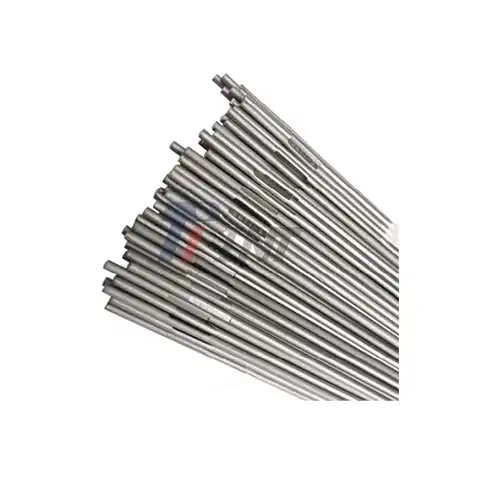
Titanium materials have revolutionized modern medical engineering by offering unmatched performance in critical applications. Among these materials, medical titanium bar products stand as the cornerstone of countless implant and surgical instrument innovations. These bars combine exceptional biocompatibility with mechanical superiority, enabling manufacturers to create devices that integrate seamlessly with human tissue while withstanding the demanding physiological environment. As medical device development accelerates, understanding titanium's unique properties becomes essential for procurement managers, R&D engineers, and production teams seeking reliable materials that meet stringent regulatory standards while delivering patient safety and clinical success.
|
|
|
Understanding Medical Titanium Bars and Their Core Properties
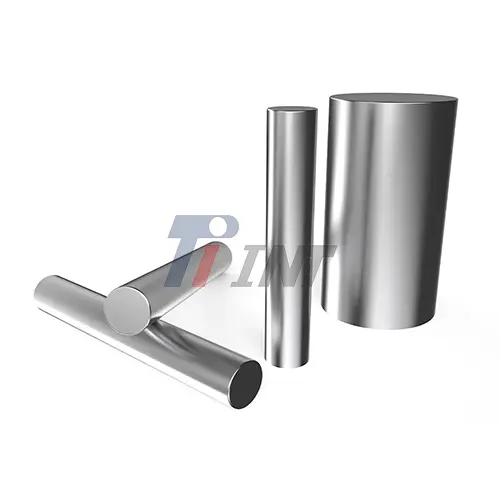
In the field of biomaterial engineering, medical titanium bars are the gold standard. Specialized production methods are used to keep these parts' original properties while still passing strict medical requirements.
What Makes Medical Titanium Bars Unique?
Titanium works so well because of the way its molecules are structured. Titanium makes a stable oxide layer right away when it comes in contact with oxygen. This layer saves titanium from rusting in the body's harsh environment. This passive film keeps repairing itself, which stops the release of metal ions that could cause bad reactions. Medical titanium bars made from pure titanium and Ti6Al4V alloys have a density of about 4.51 g/cm³, which is about half of stainless steel's density. However, they have the same or even higher tensile strength. This amazing measure of strength to weight is about 76 kN·m/kg, which is about 20% better than stainless steel. These traits make it possible to make implants that are lighter, which makes them easier for patients to wear without losing their structural stability.
Key Grades and Their Applications
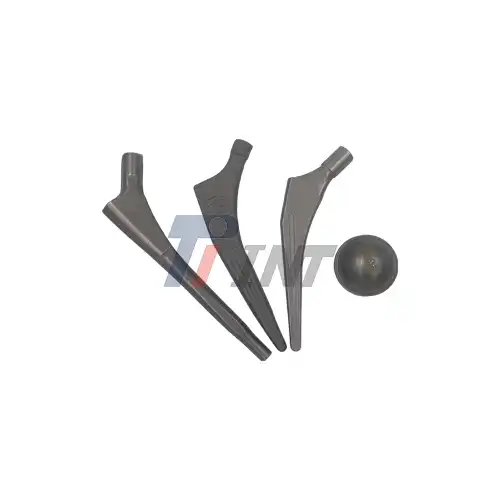
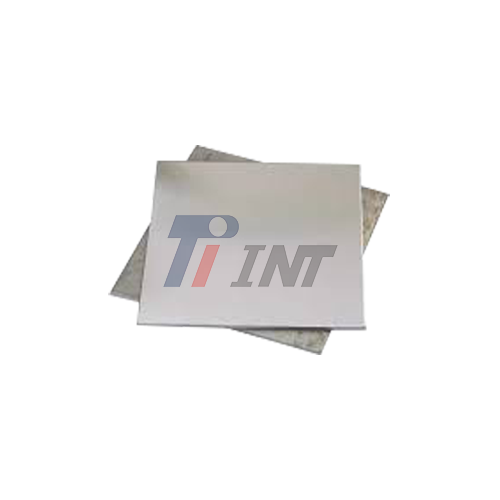
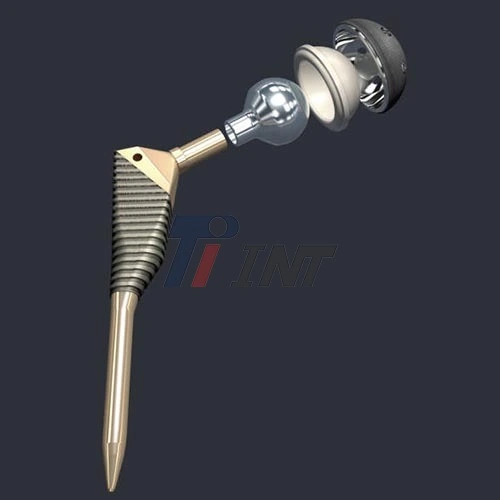
Three main types are used most often in medical uses. Grade 1 pure titanium is the most resistant to rust and easy to shape, making it perfect for plates and mesh products that need to be shaped in complicated ways. Grade 2 pure titanium is often used for dental implants and general surgical instruments because it has good biocompatibility and mechanical properties. It is stronger than Grade 5 (Ti6Al4V) and its Extra Low Interstitial version (Ti6Al4V ELI, Grade 23). Their tensile strengths are higher than 895 MPa. The ELI name means that the material has less oxygen, nitrogen, and iron in it. This makes it less likely to break and more flexible, which are important qualities for load-bearing implants that are used in orthopedics for things like hip stems and spine fusion devices.
Fatigue Resistance and Long-Term Reliability
Over the course of their useful life, implants are loaded and unloaded millions of times. Medical titanium bars are very resistant to fatigue and keep their shape even when they are stressed over and over again. This feature lowers the chance of severe failure, which has been a problem with older metal devices. The material's ability to withstand changing body conditions directly leads to longer implant lifespans and lower rates of revision surgeries, which are good for both patients and the economy.
The Low Elastic Modulus Advantage
Titanium has an elastic stiffness of about 110 GPa, which is about half of what stainless steel and cobalt-chromium metals have. This feature solves a major orthopedic problem called stress shielding. This happens when implants that are too rigid take on stress that should naturally be transferred to the bone around them. When stress routes change, bone tissue breaks down. This makes the connection between the implant and bone weaker and raises the risk of failure. Titanium's stiffness is more like real bone (10–30 GPa for cortical bone), which helps stress be distributed more evenly. This biomechanical fit helps the bone grow and respond better around the implant, which speeds up healing and makes the bone more stable in the long run.
Comparing Medical Titanium Bars with Other Medical Materials
The choice of material has a huge effect on how well the gadget works, how well patients do, and how much it costs to make. Procurement teams can make data-driven decisions when they know how titanium stacks up against other options.
Titanium Versus Stainless Steel
Stainless steel has been used in the medical field for many years because it is cheap and has good mechanical qualities. Concerns about corrosion in physiological environments are still important, though. Body fluids that contain chloride ions can damage the passive layer on stainless steel, which can cause localized rust and possible metal sensitivity responses. Medical titanium bar is the best material for permanent implants because it doesn't rust or corrode, so this risk is gone. MRI processes are also complicated by stainless steel's ferromagnetic qualities. Titanium, on the other hand, is non-magnetic, which makes imaging safe without artifacts or patient discomfort.
Titanium Versus Cobalt-Chromium Alloys
Cobalt-chromium metals are very resistant to wear, which makes them very useful for surfaces that move together. However, their higher density (about 8.3 g/cm³) and elastic modulus make stress shielding more of a problem. Reports of the release of cobalt ions and the effects they have on the body as a whole have raised safety concerns, which is why some doctors prefer titanium options. Cobalt-chromium is still useful in some high-wear situations, but titanium is the better long-term choice for most transplant situations because it is more biocompatible and less likely to cause immune system problems.
Clinical Evidence and Cost-Performance Analysis
Titanium has better osseointegration rates than other metals, especially when used in dentistry and orthopedics. According to research, bone-to-implant touch percentages for titanium implants reach over 60% within months, while these percentages are lower for other materials. Even though titanium base materials are more expensive than stainless steel, titanium often has a lower total cost of ownership when you look at things like fewer complications, fewer treatments to fix problems, and happier patients. When manufacturers buy verified titanium materials, their products have a better image and they can compete better in the market.
Procurement Guide: How to Source and Select Medical Titanium Bars?
Procurement tactics that work well combine quality control, following the rules, and business needs. It takes hard work and technical know-how to find your way around the supplier landscape.
Evaluating Supplier Credentials
Verifying the supplier's certification is the first step in choosing a good one. Manufacturers must show that they follow the requirements for medical devices in ISO 13485:2016 and the quality management standards in ISO 9001:2015. For European markets, suppliers should have CE approval, and for U.S. markets, they should keep quality systems that are FDA-compliant. In addition to qualifications, you should also look at the company's production skills, such as its ability to forge, extrude, and machine parts precisely. Customization services from suppliers, like giving diameter ranges (6 mm to 150 mm) and length choices (1000 mm to 3000 mm), make it easier to meet the specific needs of each project.
Understanding Material Specifications
For informed procurement of medical titanium bar to work, technical documentation is essential. Ask for detailed mill test certificates (MTCs) that meet EN 10204 3.1 standards. These certificates prove the chemical make-up, mechanical properties, and the ability to track back to batches of raw materials. Tensile strengths should be at least 895 MPa for Ti6Al4V ELI, and extension rates of at least 10% show that the material is flexible enough. Choosing a polished or sandblasted surface finish affects the next steps in the process and how well the end gadget works. Find out if the materials meet the requirements of ASTM F67 (pure titanium) or ASTM F136 (Ti6Al4V ELI) standards. These names determine the biocompatibility expectations.
Balancing Lead Times and Inventory Management
Schedules for making medical devices require that materials are always available. Make sure everyone knows about the wait times, minimum order amounts, and choices for faster delivery. Just-in-time delivery models can work for suppliers with strong inventory management systems. This cuts down on storage costs while keeping production going. Talk about framework deals for repeat orders to get better prices and sure allocation during problems in the supply chain.
Building Strategic Partnerships
Transactional relationships make it harder to come up with new ideas and solve problems. Look for suppliers who are willing to offer technical support at all stages of the product development process. This includes help with choosing materials, talking about handling technology, and following quality control rules. By giving access to advanced metals and surface treatments, suppliers who spend in research and development can help make the next wave of devices. Long-term relationships based on honesty and mutual gain give businesses advantages over their competitors that go beyond price.
Manufacturing and Quality Standards of Medical Titanium Bars
From raw titanium to certified medical-grade bars, the process is very complex and quality control is very strict.
Raw Material Selection and Refinement
The first step in making medical titanium is sponge titanium, which is a porous form that is made by reducing titanium tetrachloride with magnesium. Vacuum arc remelting (VAR) is often done more than once on this sponge to get rid of intermediate elements (oxygen, nitrogen, and carbon) and other things that hurt its mechanical qualities. For Grade 23 materials to get the extra-low interstitial label, they must go through double or triple melting processes to make sure that the composition is regular and the purity is improved.
Forming Processes: Forging and Extrusion
Forging or extrusion are used in primary forming to turn titanium ingots into bar stock. Forging is the controlled bending of metal at high temperatures to improve the structure of the grains and make the mechanical traits better. When heated billets are forced through dies by extrusion, bars with consistent cross-sections and tight dimensional tolerances are made. To keep the temperature under tight control for both ways, alpha case formation must be avoided. This is a rigid layer on the surface that forms when too much oxygen is absorbed. After that, heat treatment removes any remaining stresses and creates the desired microstructures, ensuring that strength and flexibility are balanced.
Quality Assurance Protocols
Full testing makes sure that the product meets the requirements. Ultrasonic screening and other non-destructive testing methods can find flaws inside an object without damaging it. Tensile testing proves the mechanical performance, and corrosion resistance tests mimic physiological conditions to confirm the safety of the inactive layer. According to ISO 10993 standards, biocompatibility tests look at how likely it is that a material will harm cells, make them more sensitive, or irritate them. This makes sure that the material meets biological safety requirements. Traceability systems connect finished bars to records of how they were made, so if quality problems happen, they can be fixed quickly.
Navigating Regulatory Landscapes
Different places have different rules about medical devices, which means that material providers like those supplying medical titanium bar have to follow different rules. Manufacturers in the United States have to follow the FDA Quality System Regulations (21 CFR Part 820), while suppliers in Europe have to follow the Medical Device Regulation (MDR 2017/745). Quality management systems need to be audited, corrective action documents, and management reviews on a regular basis to stay compliant. Suppliers who know how to work with these legal systems make it easier for downstream makers to follow the rules, which speeds up the time it takes for new devices to reach the market.
Future Trends and Innovations in Medical Titanium Bars
New technologies keep making titanium useful in more medical settings, which opens up chances for smart buying strategies.
Surface Modification Technologies
The surface characteristics of the implant can affect how quickly and well it integrates with the bone. Traditional machined surfaces work well enough, but new methods are improving bone reaction. Acid etching makes micro-rough surfaces that make the surface area bigger and help cells stick together. Plasma spraying puts on hydroxyapatite layers that look like real bone mineral and speed up the process of cellular fusion. Anodization creates controlled oxide layers that can be varied in thickness and porosity. This lets drugs be loaded for targeted therapeutic delivery. These changes to the surface make clinical outcomes better and set products apart in crowded markets.
Additive Manufacturing Revolution
3D printing technologies are changing how titanium devices are made. Selective laser melting (SLM) and electron beam melting (EBM) use titanium powder to make complicated shapes layer by layer, without the limits that come with standard machining. Using CT scan data to design implants that are specific to each patient improves the way they fit in the body, shortening surgery times and making functional restoration better. Lattice structures that look like trabecular bone design can be created with specific porosity and mechanical qualities. This makes stress absorption even less effective while promoting tissue growth. Even though powder metallurgy makes quality control harder, efforts to standardise the process mean that additively manufactured titanium implants will be used by more people.
Smart Implant Integration
More and more, next-generation medical gadgets have the ability to sense and watch. Titanium is perfect for putting electrical parts inside devices because it is biocompatible and electromagnetically compatible. Bone-anchored sensors can keep track of how the healing process is going and let doctors know about problems before they show up as symptoms. Drug-eluting implants use the structural qualities of titanium to give specific therapies to tissues around the implant. Titanium materials will make it possible for physical functions to be seamlessly integrated with digital health environments as the Internet of Medical Things grows.
Sustainability Considerations
More and more people are pushing medical gadget companies to use environmentally friendly methods. Titanium is usually made with a lot of energy, but new ways of extracting it promise to have less of an effect on the environment. Closed-loop recycling systems get titanium from old electronics and industrial waste, so they don't need to buy as much new material. Suppliers who care about the environment are in line with companies' green goals and can help with both performance and image.
Conclusion
The unique combination of biocompatibility, mechanical performance, and long-term reliability in titanium materials has changed the field of medical engineering. Medical titanium bars are important parts of devices and tools that make a lot of people's lives better. Knowing about the properties of materials, the best ways to buy them, and new technologies helps companies that make medical devices make smart decisions that improve the quality of their products and the health of their patients. Titanium's use will grow as technology improves, thanks to changes made to its surface, additive production, and the integration of smart devices. Working with sellers with a lot of experience makes sure you have access to the certified products and technical know-how you need to do well in this ever-changing environment.
FAQ
Q1: What differentiates Ti6Al4V from Ti6Al4V ELI in medical applications?
A: Extra Low Interstitial (ELI) Ti6Al4V has less oxygen, nitrogen, and iron than regular Ti6Al4V. This improvement makes the material more resistant to breaking and more flexible, which is why ELI grades are better for important load-bearing implants where wear resistance is most important. For less demanding uses, standard Ti6Al4V is fine; it saves money without sacrificing important biocompatibility.
Q2: How do I verify supplier certification authenticity?
A: Ask for copies of the ISO 9001:2015 and ISO 13485:2016 certificates and make sure they still cover the necessary manufacturing processes. To check the validity of license numbers, contact the organization that issued them. To figure out how mature a quality system is, look at audit reports and records of corrective actions. On-site supplier audits are a good way to make sure that capabilities and compliance are being met.
Q3: Can titanium bars be customized for specific device designs?
A: Reliable suppliers offer a wide range of customization options, such as changing the diameter, the length, and the surface finish. Advanced providers offer services that add value, like precise cutting, milling, and heat treatment, that are made to fit the needs of each customer. Getting suppliers involved early in the design process makes it easier to choose the best materials and figure out if the product can be made.
Q4: What lead times should I expect for medical titanium bar orders?
A: Standard standards usually ship in 4 to 8 weeks, but this depends on how many orders are placed and how much stock the seller has. Lead times may go up to 10 to 14 weeks if you need custom sizes or special handling. Setting up framework deals with agreed-upon amounts can help you get priority handling and shorter shipping windows.
Partner with Baoji INT Medical Titanium Co., Ltd. for Superior Medical-Grade Materials
With more than 20 years of experience, Baoji INT Medical Titanium Co., Ltd. is a reliable company that sells medical titanium bars. We've been making high-purity titanium products that meet ISO 9001:2015, ISO 13485:2016, and EU CE approval standards since our company was founded in 2003. Our wide range of products includes pure titanium, Ti6Al4V, and Ti6Al4V ELI bars with widths from 6 mm to 150 mm and lengths up to 3000 mm. The surfaces can be polished or sandblasted. Our technical support includes choosing the right materials, giving advice on how to process them, and keeping full records of all the steps that were taken. Our stable supply chain, history of on-time deliveries, reasonable prices, and strict quality control make us a great choice for procurement managers looking for trusted medical titanium bar manufacturers. Email our team at export@tiint.com to talk about your needs, ask for samples, or get a full quote that is specific to your production needs.
References
1. American Society for Testing and Materials. (2021). ASTM F136-13: Standard Specification for Wrought Titanium-6Aluminum-4Vanadium ELI Alloy for Surgical Implant Applications. ASTM International.
2. Long, M., & Rack, H.J. (1998). Titanium alloys in total joint replacement—a materials science perspective. Biomaterials, 19(18), 1621-1639.
3. Niinomi, M. (2008). Mechanical biocompatibilities of titanium alloys for biomedical applications. Journal of the Mechanical Behavior of Biomedical Materials, 1(1), 30-42.
4. Geetha, M., Singh, A.K., Asokamani, R., & Gogia, A.K. (2009). Ti based biomaterials, the ultimate choice for orthopaedic implants – A review. Progress in Materials Science, 54(3), 397-425.
5. International Organization for Standardization. (2016). ISO 13485:2016: Medical devices — Quality management systems — Requirements for regulatory purposes. ISO.
6. Chen, Q., & Thouas, G.A. (2015). Metallic implant biomaterials. Materials Science and Engineering: R: Reports, 87, 1-57.
_1752644608314.webp)
_1752463076575.webp)
_1751959047184.webp)
_1750923514395.webp)