
Why Choose Custom Titanium Discs for CNC Production


 2026-08-19 10:16:02
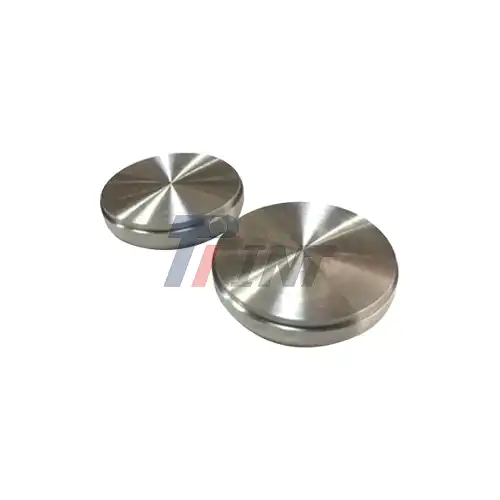
When precision manufacturing meets critical material performance demands, procurement managers face a decisive question: which material truly delivers reliability without compromise? Gr5 Titanium Square Disc components have emerged as the definitive answer for medical device manufacturers and precision engineering firms requiring consistent quality in CNC operations. This titanium alloy grade—scientifically designated as Ti-6Al-4V—offers an exceptional balance of mechanical strength, biocompatibility, and corrosion resistance that directly addresses the pain points our industry partners face daily in producing surgical instruments, implantable devices, and high-performance components.
|
|
|
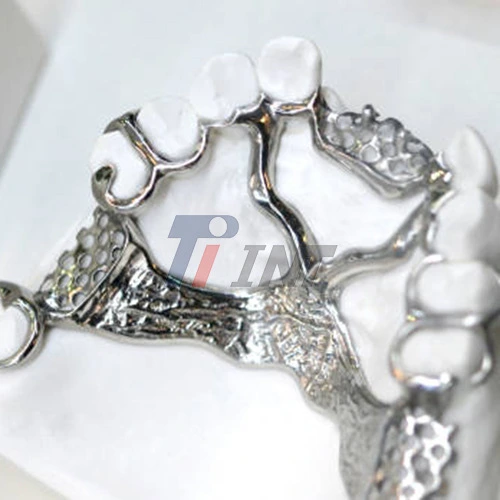
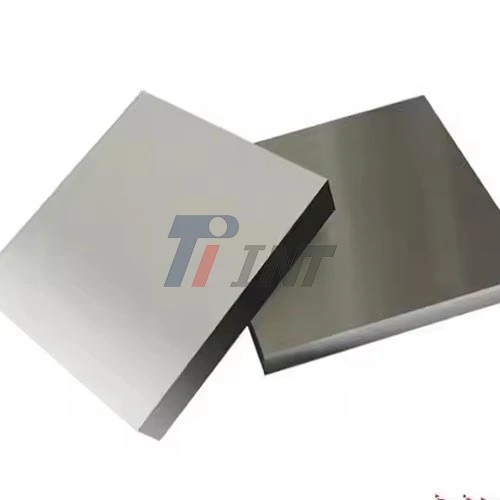
Understanding GR5 Titanium Square Discs for CNC Applications
Choosing the right materials is the first step in making CNC production work well. Gr5 Titanium is the most common alpha-beta titanium alloy used in industry. It is made up of about 6% aluminium, 4% vanadium, and small amounts of iron and oxygen. This particular mix isn't made up for no reason; it solves important technical problems that pure titanium and other types can't do well.
Chemical Composition and Material Properties
Each of the alloying elements in Ti-6Al-4V does a different job. Aluminium keeps the alpha phase stable while lowering the total density. Vanadium, on the other hand, makes the beta phase stronger and improves performance at high temperatures. This mix has a tensile strength of more than 950 MPa, which is a lot higher than commercially pure titanium types like GR2, which only hit 340–550 MPa on average. This difference in strength directly leads to thinner wall sections, lower implant profiles, and better patient outcomes for companies that make medical devices like orthopaedic implants or dental instruments.
From our experience making things at Baoji INT Medical Titanium Co., Ltd., we know that square disc shapes are especially useful for CNC cutting. When milling or turning, the flat, straight sides make it easier to hold the workpiece securely and reduce vibrations. When trying to keep the dimensions within ±0.05mm, which is a common condition for parts of surgery instruments, this geometric stability becomes very important.
Performance in Demanding Environments
Materials used in medical applications need to be able to keep their shape at a wide range of temperatures, from cryogenic storage to 134°C autoclave sterilisation cycles. Ti-6Al-4V keeps its mechanical properties across this range, while stainless steel alloys change phases, which makes them less stable in terms of size. The alloy's passive oxide layer heals itself when it gets scratched, protecting against corrosion in salty environments—essential for implantable devices that are meant to last 20 years.
Comparing GR5 Titanium Square Discs with Alternative Materials
Objective comparisons of results are needed to make procurement choices. When R&D engineers look at different materials for new products, they always have to choose between cost structures, processability, and mechanical properties.
GR5 Versus GR2 Titanium
Both types meet the requirements of ASTM B265, but they are used in very different situations. GR2 Titanium is very good at resisting rust and being easy to shape, but it's not strong enough for load-bearing implants. Hip stem parts, spinal fusion cages, and dental abutments need the high yield strength (at least 880 MPa) that is only available from Ti-6Al-4V. Gr5 Titanium Square Disc material usually costs 30–40% more than GR2 material, but the higher price is worth it when redesigning a part lowers its mass or gets rid of the need for extra heat treatment steps.
GR5 Versus Stainless Steel 316L
Stainless steel 316L has been used in medical devices for many years, but it has some problems that titanium alloys can't. The difference in density is big: Ti-6Al-4V weighs 4.43 g/cm³ while stainless steel weighs 8.0 g/cm³. This means that designs with the same strength can be 45% lighter. This advantage in weight is very important for mobile surgery tools where surgeon tiredness can affect the result of the process and for medical equipment used in space where every gram affects how well the fuel is used.
When you compare corrosion resistance, you can see even more clear differences. Titanium metals are better at resisting pitting and crevice corrosion in biological fluids that are high in chloride, while 316L works well in mild settings. Medical device recall databases show that corrosion-induced fractures are the cause of many 316L implant failures, which don't happen very often in titanium implant populations. Material choice affects risk management in more ways than just the original cost of buying for supply chain managers who are thinking about long-term liability exposure.
These technical comparisons show why major companies that make medical devices have switched their products to titanium alloys, even though the cost of the raw materials is higher. When you look at the total cost of ownership, which includes lower failure rates, no need for protection coats, and longer service intervals, Ti-6Al-4V always comes out on top for important uses.
Why Opt for Custom Titanium Discs for CNC Production?
Off-the-shelf materials don't always have lengths that perfectly match the shapes of optimised parts. Custom titanium disc specifications fix this waste by cutting down on material waste and machining cycle times.
Dimensional Precision and Material Utilization
To get the starting shapes for complicated parts like acetabular cup blanks or instrument handle forgings, standard titanium bar stock needs to be rough machined for a long time. Custom square discs made to almost-net measurements, on the other hand, can cut down on material removal volumes by 40 to 60%. This increase in efficiency has many benefits, including shorter times for running CNC programs, longer tool life due to lower cutting forces, and lower costs for getting rid of chips.
We've seen procurement teams cut total manufacturing costs by 15 to 20 percent when they switch from standard bar stock to custom disc configurations. Our strict measurement tolerances—thickness differences of no more than 0.3 mm across disc faces—ensure that the depth-of-cut parameters are the same from one production batch to the next. This makes the process more stable and lowers the amount of scrap that is produced.
Mechanical Property Optimization
In addition to measurements, customisation of Gr5 Titanium Square Disc can also include mechanical traits. You can change the annealing temperatures, the rate at which the metal cools, and the stress relief processes that follow to highlight certain qualities. Mill-annealed conditions are best for parts that need to be very hard to break, while solution-treated and old material states are best for parts that need to be very strong against pulling apart. Instead of accepting standard mill product specifications, this specification flexibility lets R&D engineers make sure that the material works best for each specific application.
Economic Advantages of Volume Purchasing
A big part of the cost of making medical devices is getting the materials needed. Because custom disc orders bring together larger purchases, it's possible to negotiate prices that represent the real costs of production instead of distribution markups. Production managers who plan ahead for yearly material needs can set up blanket purchase orders with scheduled releases. This keeps supply chains stable and secures price advantages based on quantity.
There are clear trends in the link between the number of orders and the cost per unit. For custom orders, the minimum order quantity is usually between 50 and 100 kg. Prices per kilogram drop by 8 to 12 percent at 500 kg and another 5 to 8 percent at 1,000 kg. These economies of scale are especially important for well-known product lines whose yearly demand is known ahead of time.
How to Source Authentic and Quality GR5 Titanium Square Discs?
Material authenticity and uniform quality are standards that can't be skipped when making medical devices. Comprehensive material traceability and verification protocols are required by regulatory frameworks such as FDA 21 CFR Part 820 and ISO 13485.
Certification Requirements and Supplier Qualification
Medical-grade titanium providers that are legit keep their certifications up to date, which shows that they follow international quality management systems. ISO 9001:2015 sets the standards for quality assurance, and ISO 13485:2016 is specific to the needs for making medical devices. Suppliers that sell to the U.S. should give Material Test Certificates (MTC) that follow EN 10204 3.1 standards and show that they have tested the mechanical properties and chemical composition of each production heat.
Using X-ray fluorescence spectroscopy for Positive Material Identification (PMI) makes it easy to check the makeup of a metal quickly. This non-destructive testing method finds substitution fraud, which happens when cheaper GR2 Titanium or even stainless steel is passed off as Ti-6Al-4V. As part of the procurement process, all packages of materials should be subject to PMI testing, and the results should be recorded in quality records systems.
Evaluating Manufacturing Capabilities
Audits of suppliers' factories for Gr5 Titanium Square Disc show how well they can make things that paper licenses alone can't. Some important areas for evaluation are the capacity of the vacuum arc remelting (VAR) furnace, the tonnage of the forging press, and the level of sophistication of the heat treatment equipment. To get the low interstitial element content needed for best biocompatibility, medical-grade titanium production needs more than one VAR cycle. This is a step that smaller makers may skip to save money.
We keep full production records at Baoji INT Medical Titanium Co., Ltd., from the raw material sponge to the finished disc machining. The metallurgical testing lab at our company does chemical analysis using optical emission spectroscopy, mechanical testing following ASTM E8 guidelines, and microstructural study to confirm grain size ranges. Because we are vertically integrated, we can ensure material consistency, which isn't possible when we buy from trade middlemen.
Logistics and Supply Chain Considerations
Global procurement adds logistical challenges that need to be carefully coordinated. Custom titanium disc production usually takes 8 to 12 weeks from the time the purchase order is received until the disc is shipped. This time includes getting the raw materials, forging, heat treating, and finishing the disc. Supply chain managers should plan for longer lead times in their production systems and set safety stock levels that are right for changing demand.
Shipping methods affect both how much things cost and how they are when they arrive. Sea freight is a cheap way to ship large amounts of goods, but it takes 4 to 6 weeks to get from one end of the Pacific to the other. Air freight cuts delivery times down to 5–7 days, but it costs a lot more per kilogram. Specifications for packaging must keep the surface from getting dirty during transport. Because titanium reacts with organic materials, it needs to be protected with acid-free paper and plastic shields.
Maintenance and Care Tips to Maximize GR5 Titanium Disc Lifespan
Protecting the purity of the material starts as soon as it is received and continues through storing, handling, and preparation for pre-machining.
Storage Environment Controls
Titanium alloys like Gr5 Titanium Square Disc are chemically stable in normal atmospheric conditions, but protocols for preventing contamination make processing easier later on. To keep disc surfaces from absorbing too much water vapour, storage areas should keep the relative humidity below 60%. Galvanic corrosion is avoided by keeping different metals away from each other. In wet places, direct touch between titanium and copper alloys or carbon steel can start localised corrosion cells. During storage, temperature changes should happen as little as possible. Even though Ti-6Al-4V is very stable at high temperatures, working with it over and over again can leave leftover stresses in the material. Climate-controlled storage keeps the dimensions stable and keeps the stress-free state set up during manufacturing stress release methods.
Handling and Contamination Prevention
Surface pollution is the main quality issue that needs to be thought about when moving materials. Cutting fluids, fingerprint oils, and lubricants can leave behind hydrocarbon residues that can make cleaning later harder and shorten the life of CNC machine tools. People who work with titanium discs should wear nitrile gloves that don't have powder on them instead of rubber gloves that leave behind films. To avoid mechanical damage, you need to use the right object handling tools. Titanium has a relatively low elastic stiffness (114 GPa vs. 200 GPa for steel), which means that it can get surface dents from touching handling equipment. Marks that would need more stock to be removed during machining operations can be avoided with padded contact surfaces or polymer-coated lifting hooks.
Pre-Machining Surface Preparation
For CNC cutting to work well, the disc surface must be in good shape. Using aluminium oxide abrasive media (180–220 grit) to remove light oxide scale prepares surfaces for precise cutting without taking off too much material. Using alkaline detergent solutions for chemical cleaning gets rid of any leftover oils and dirt. Rinsing with deionised water and drying with forced air are the next steps. Some makers put on temporary coatings that stop rusting while the products are being stored. Isopropyl alcohol or acetone solvents must be used to remove these water-displacing formulations before they can be machined. Cutting fluids can't work as well when residual inhibitor films are present, and carbide tools can get too many built-up edges.
Conclusion
Custom titanium disc specifications directly address the operational problems that companies that make medical devices and precision parts have to deal with. The benefits of Ti-6Al-4V as a material—its high strength-to-weight ratio, proven biocompatibility, and better corrosion resistance—combine with custom measurements to improve production efficiency in a way that can be measured. By forming effective relationships with qualified suppliers who have full certification portfolios and proven production skills, procurement managers can lower the total cost of production while also improving the quality of the parts. The money spent on custom Gr5 Titanium Square Disc specifications pays off because it cuts down on machining times, makes better use of materials, and improves the performance of the finished product, making it more competitive in the tough medical device markets.
FAQ
Q1: What minimum order quantities apply for custom GR5 titanium square discs?
A: The minimum order quantity changes based on the size and accuracy needs. Standard designs usually need at least 50–100 kg, while highly customised shapes might need 200–300 kg orders to make the investment in the tools worthwhile. Economic production runs made possible by volume commitments are good for both buyers and sellers because they allow for better pricing per unit.
Q2: How does GR5 titanium compare to GR23 for medical implant applications?
A: GR23 titanium (Ti-6Al-4V ELI, or "Extra Low Interstitial") is stronger and less likely to break than standard Gr5 Titanium Square Disc because it has less oxygen and iron in it. Implantable devices work better with GR23 because it stops cracks from spreading, while external surgery tools usually work fine with standard material, which is less expensive. The right grade is chosen based on an application-specific stress study.
Q3: Can custom titanium discs be manufactured with specific surface finish requirements?
A: Different levels of surface finish can be met, from "as-forged" (Ra 3.2–6.3 μm) to "precision-machined" (Ra 0.4–0.8 µm), depending on the intended use. Medical gadget parts often list Ra values below 0.8 μm to make cleaning easier and stop germs from sticking. Talking about the surface finish needs during the quote process makes sure that the production process fits the needs of the application.
Partner with Baoji INT Medical Titanium Co., Ltd. for Certified GR5 Titanium Square Disc Supply
Baoji INT Medical Titanium Co., Ltd. has been in the titanium business for 30 years and is a trusted Gr5 Titanium Square Disc manufacturer for medical device makers and precision engineering firms around the world. We keep our ISO 13485:2016 certification and provide full material tracking paperwork that meets FDA and CE standards. Our technical support team works with R&D engineers to make sure that the titanium you buy meets all of your application's needs. They do this by working together during the material selection, specification development, and quality validation stages.
As a direct maker, we cut out the middlemen in the distribution chain, which lets us offer affordable prices while following strict quality control standards throughout production. Our custom disc production services can make discs with diameters from 50mm to 500mm and thicknesses from 5mm to 150mm. All of these sizes can be machined to your exact tolerance requirements. Get in touch with our procurement experts at export@tiint.com to talk about your project needs and get detailed technical datasheets that show how our certified titanium solutions improve the results of your manufacturing.
References
1. Boyer, R., Welsch, G., & Collings, E.W. (1994). Materials Properties Handbook: Titanium Alloys. ASM International, Materials Park, Ohio.
2. Donachie, M.J. (2000). Titanium: A Technical Guide, 2nd Edition. ASM International, Materials Park, Ohio.
3. Froes, F.H. (2015). Titanium: Physical Metallurgy, Processing, and Applications. ASM International, Materials Park, Ohio.
4. Lutjering, G., & Williams, J.C. (2007). Titanium, 2nd Edition. Springer-Verlag, Berlin Heidelberg.
5. Peters, M., Kumpfert, J., Ward, C.H., & Leyens, C. (2003). Titanium Alloys for Aerospace Applications. Advanced Engineering Materials, Volume 5, Issue 6.
6. Rack, H.J., & Qazi, J.I. (2006). Titanium Alloys for Biomedical Applications. Materials Science and Engineering C, Volume 26, Issues 8.
_1751957234428.webp)