
Pure Titanium vs Alloy Titanium for Medical Uses


 2026-08-20 15:02:49
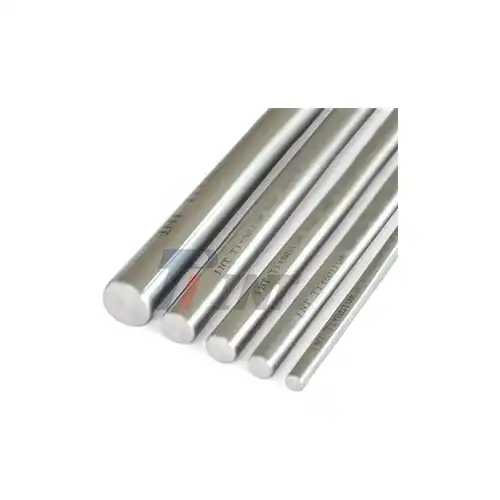
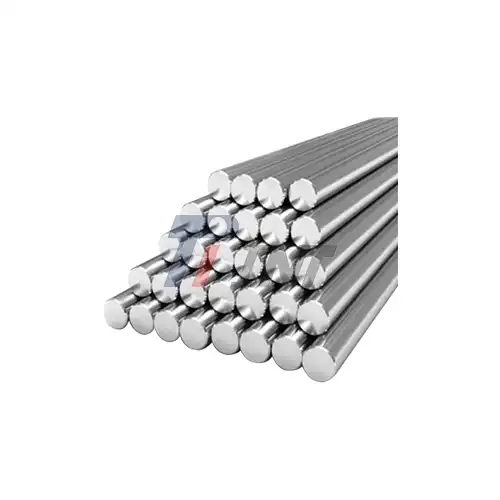
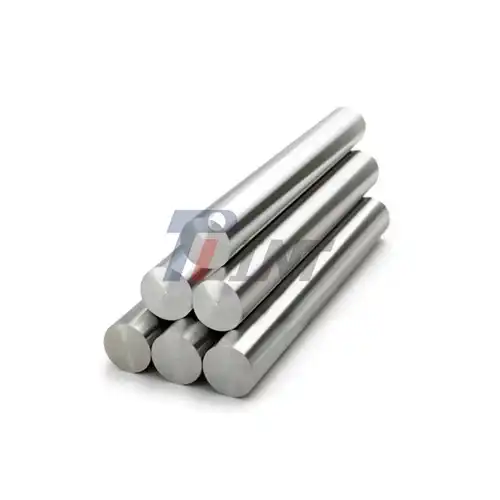
When sourcing materials for medical device manufacturing, choosing between pure titanium and alloy titanium remains one of the most consequential decisions procurement managers face. Medical titanium bar materials must balance mechanical performance, biocompatibility, and regulatory compliance while meeting rigorous production demands. Pure titanium offers exceptional corrosion resistance and flexibility, ideal for applications where tissue contact and adaptability are paramount. Titanium alloys, particularly Ti-6Al-4V and its extra-low interstitial variant Ti-6Al-4V ELI, deliver superior strength-to-weight ratios and fatigue resistance suited for load-bearing implants. Understanding these fundamental differences enables informed procurement decisions aligned with specific clinical requirements, manufacturing processes, and quality standards.
|
|
|
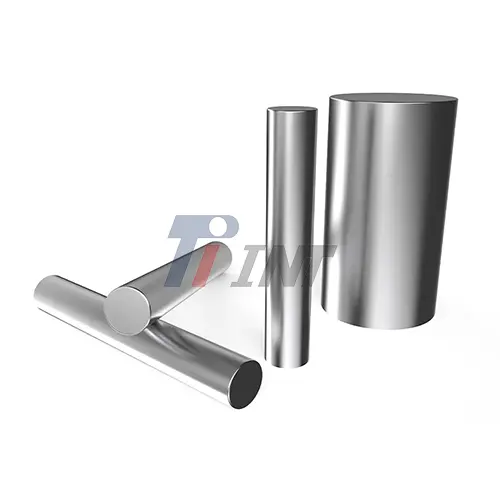
Understanding Medical Titanium Bars: Pure Titanium vs Alloy Titanium
Medical titanium bars are used as building blocks to make implants, surgery tools, and dental parts that need to be able to handle harsh body environments. The chemical make-up is the first thing that sets pure titanium apart from mixed titanium.
Chemical Composition and Grades
Grades 1 through 4 of pure titanium are used in medicine. They are grouped by the amount of oxygen they contain and their mechanical qualities, according to ASTM F67 guidelines. Grade 1 has the most bendable and shapeable properties, while Grade 4 has the most power. There aren't many intermediate elements in these materials, so they are mostly made up of titanium. Certain alloying elements are added to titanium alloys to change their performance properties.
Grade 5 says that the Ti-6Al-4V metal has about 6% aluminium and 4% vanadium. It is better for important implant uses because the Ti-6Al-4V ELI (Extra Low Interstitial) variant, also known as Grade 23, has less oxygen, nitrogen, and iron in it. This makes it more flexible and less likely to break. At Baoji INT Medical Titanium Co., Ltd., we keep tight control over the composition of our materials while they are being made to make sure that their properties stay the same.
Manufacturing Processes and Their Impact
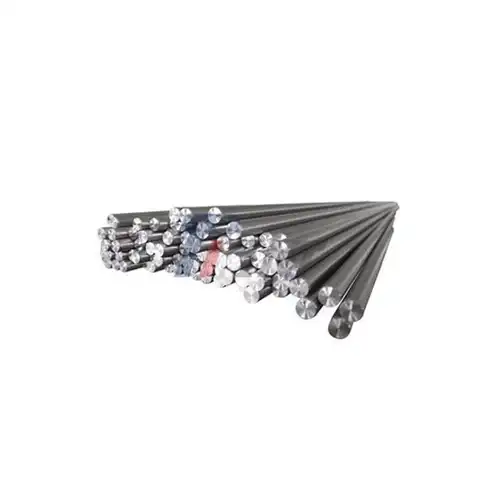
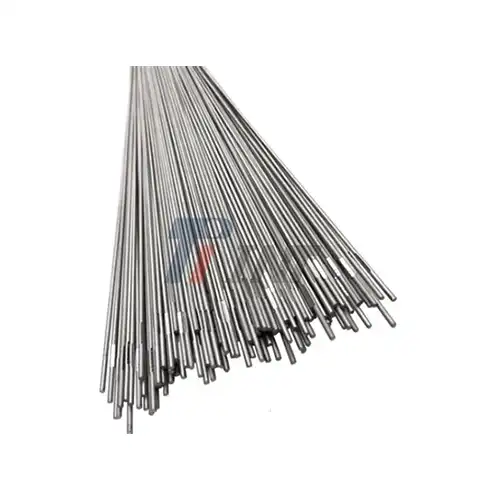
The way titanium bars are made has a big effect on their mechanical properties and their biocompatibility. Forging processes align grain structures, which improves strength in one direction and resistance to fatigue, which is very important for orthopaedic uses. Extrusion makes cross-sections that are uniform and can be used for rods and bars with diameters from 6 mm to 150 mm and lengths up to 3000 mm.
Our vacuum melting and forging methods reduce the amount of inclusions and contaminants, which helps with important problems like biological rejection and stress shielding. Some surface processes, like buffed and sandblasted finishes, make the osseointegration qualities even better. We use a triple-melting method to get rid of any impurities that might make the material less biocompatible or cause bad tissue reactions.
Performance Comparison: Pure Titanium vs Alloy Titanium in Medical Applications
Knowing the differences in performance between pure titanium and mixed titanium helps choose the right material for certain medical gadget uses. Mechanical qualities, biocompatibility, and long-term longevity are all very different.
Mechanical Performance Analysis
Titanium alloys are stronger than pure titanium grades when it comes to mechanical strength. Ti-6Al-4V ELI has a tensile strength of more than 895 MPa and an elongation rate of more than 10%, which means it can be used for load-bearing implants that are stressed over and over again. Pure titanium grades usually have tensile strengths between 240 MPa (Grade 1) and 550 MPa (Grade 4), which means they are more flexible and easy to shape.
Titanium's tensile stiffness of 110 GPa is closer to that of human bone (20 GPa) than it is to that of stainless steel (200 GPa) or cobalt-chromium alloys (240 GPa). This lower elastic elasticity makes orthopaedic devices less likely to act as stress shields, which helps the bone heal and integrate better. Our products take advantage of this by carefully controlling the manufacturing process so that the elastic properties are at their best without lowering the strength requirements.
Titanium alloys are very useful because they have a high strength-to-weight ratio. This is especially useful when implant weight affects patient comfort and mobility. Titanium has a density of 4.51 g/cm³, which means it has a strength-to-density ratio of 76 kN·m/kg, which is about 20% higher than stainless steel options. This means that implants will be lighter, which will put less stress on the tissues around them while still being able to hold a lot of weight, which is important for joint replacements and spine fixation devices.
Biocompatibility and Corrosion Resistance
Pure titanium and titanium alloys are both very biocompatible because they form a stable titanium dioxide passive layer that stops ions from getting into the tissues around them. Pure titanium is very good at resisting rust in the highly acidic and saline environment of the human body. It doesn't mix much with body fluids. Osseointegration is the direct structural and functional link between live bone and implant surface.
This bio-inert quality makes osseointegration easier. Because they contain aluminium and vanadium, titanium alloys are very biocompatible, but long-term ion release needs to be thought about. According to research, Ti-6Al-4V ELI materials that are made correctly meet the biocompatibility standards set out in ISO 10993. The aluminium and vanadium stay tightly bound within the metal matrix. Titanium materials are compatible with MRIs because they are not magnetic. This is a big plus compared to ferrous materials, which can cause image artefacts or magnetic shift forces.
Fatigue Resistance and Longevity
During their service life, medical implants are loaded and unloaded millions of times, so fatigue resistance is an important factor in choosing them. Titanium alloys are very resistant to fatigue, which means they will last even in changing body conditions where stress cycles happen all the time. Ti-6Al-4V ELI has a fatigue strength of about 600 MPa, which means it is less likely to break down over long periods of time.
It's true that pure titanium grades have lower absolute fatigue limits, but they still work well in situations with smaller mechanical loads. Through controlled forging processes at our plant, we can improve the wear qualities of metals by getting rid of defect sites and making grain distributions more even. Surface treatments put on medical titanium bars make them even more resistant to wear by creating good leftover compressive stresses and getting rid of surface irregularities that could be used to start cracks.
Decision-Making Guide for Choosing Between Pure and Alloy Titanium Bars
When choosing between pure titanium and alloy titanium bars, procurement workers have to think about a lot of things in order to get the best quality, compliance, and cost-effectiveness.
Application Requirements Matching
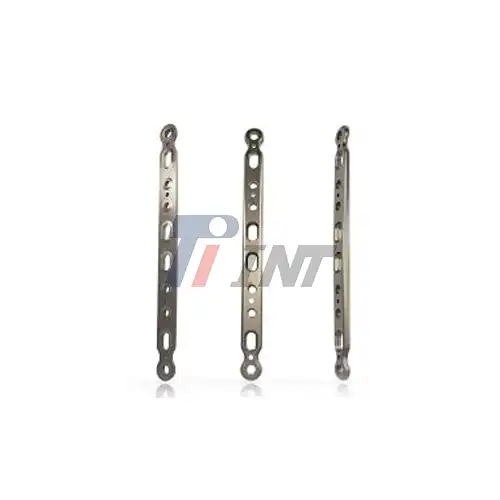
Material selection is based on figuring out what the application needs. Ti-6Al-4V ELI alloys are very strong and don't wear down easily, which makes them ideal for load-bearing orthopaedic implants like hip stems, knee components, and spinal rods. For uses that don't need to hold weight, like maxillofacial plates, cranial meshes, and some dental parts, pure titanium types can be used because they are easier to shape and don't rust. When stress protection is a problem, the elastic modulus becomes the most important thing to think about. Because pure titanium has a slightly lower stiffness than alloys, it may help bone adapt to some implant designs in a small way. Our technical team helps customers find the best material specifications by looking at mechanical load profiles, flexibility needs, and durability expectations.
Regulatory Certifications and Standards Compliance
Medical device makers have to find materials that meet strict rules set by regulators. ASTM F67 sets the standards for unalloyed titanium, and ASTM F136 sets the standards for Ti-6Al-4V ELI medical implants. Getting ISO 13485:2016 certification shows that a seller cares about medical device quality control systems. When a medical device has a CE mark on it, it means that it meets European safety standards.
Every product at Baoji INT Medical Titanium Co., Ltd. goes through strict testing and paperwork to make sure it meets the standards for ISO 9001:2015, ISO 13485:2016, and EU CE approval. From the raw ingot to the final inspection, traceability protocols keep track of materials. This provides full documentation chains that are needed for regulatory audits and quality assurance programs. Managers in charge of buying things should make sure that sellers give them EN 10204 3.1 Mill Test Certificates that show what the material is made of, its mechanical qualities, and its history of heat treatment.
Cost Drivers and Customization Capabilities
Costs of buying are affected by more than just the prices of raw materials. Choosing the right titanium grade affects the price. Speciality alloys like Ti-6Al-4V ELI sell for more than regular pure titanium grades because they have stricter chemical rules and more processing needs. Certification rules raise prices, but they can't be changed for medical uses. Dimensional requirements affect how hard it is to make something and how much it will produce. Standard diameters range from 6 mm to 150 mm, which is wide enough for most uses. Custom diameters may need special production runs, though.
Additional processing costs are incurred for surface finish requirements that include processes like polishing or sandblasting for medical titanium bar products. Prices are based on commitments to buy a lot of something, and orders that are placed in bulk usually get lower prices. Because we can make OEM parts, we can make alloys with specific compositions, size tolerances, and surface treatments to fit the designs of specific devices. Costs of production further down the line are affected by how easy an alloy is to machine. Some alloy types are easier to machine and require less tool wear and cycle times. The best way to make buying choices is to weigh the needs for material performance against the total cost of ownership.
Industry Use Cases and Success Stories
Real-life examples show how choosing the right material can affect both clinical outcomes and the success of manufacturing in a wide range of medical device categories.
Pure Titanium in Surgical Implants
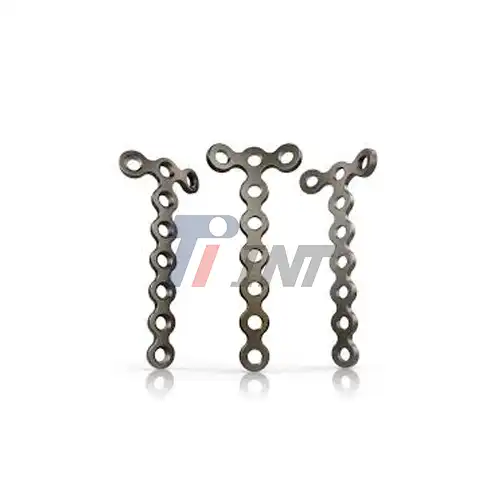
Pure titanium types are used a lot in places where biocompatibility and resistance to rust are more important than strength. Maxillofacial reconstruction plates are made of Grade 2 pure titanium, which is very flexible and easy for doctors to shape during surgery to fit different face structures. Pure titanium is better at resisting corrosion in blood-contact applications, which is why it is used in pacemaker cases and other cardiovascular implants.
Pure titanium grades that help soft tissues attach and reduce inflammation are often used in dental abutments and healing caps. We worked with a major European dental implant company to find Grade 4 pure titanium bars that could be used to make custom abutment designs. Because the material was consistently biocompatible and easy to work with, they were able to add more products to their line while still maintaining high quality standards. Over the course of five years, clinical follow-up statistics showed that the soft tissues healed very well and that more than 95% of patients were satisfied.
Alloy Titanium in Advanced Orthopedic Applications
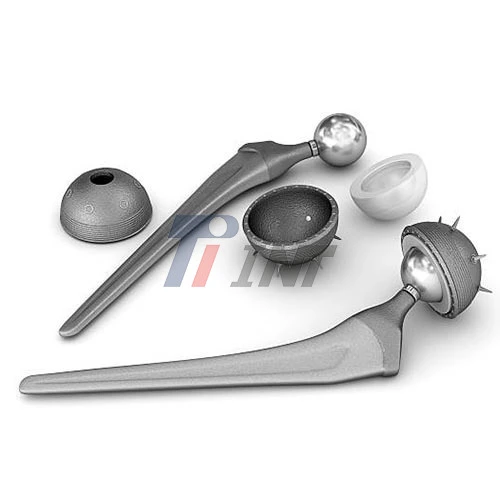
Ti-6Al-4V ELI is the most popular material for load-bearing orthopaedic uses where mechanical strength is very important. Total hip replacement stems made from metal titanium bars can handle being loaded and unloaded many times over many years without losing their strength. Spinal fusion plates and pedicle screws depend on the strength of the metal to keep the anchor stable while the bone heals. Trauma fixation plates for long bone fractures work better when the metal doesn't wear down easily under changing bodily loads.
An known orthopaedic device maker in North America buys Ti-6Al-4V ELI bars from our factory to make hip stems. They can use our consistent material properties and traceability documentation to back up their regulatory submissions in a number of different markets. Having a tensile strength of more than 895 MPa and the right elastic modulus helps implant designs that get the best stress transfer patterns, which helps bone remodelling and long-term anchoring stability. Their quality control data shows that there were defects in less than 0.1% of the hundreds of thousands of implants they tested. This shows that medical-grade titanium alloys that are properly sourced are reliable.
Emerging Applications and Novel Formulations
Titanium's uses in medical devices are growing thanks to new technologies. Additive manufacturing technologies make it possible to make devices that are custom made for each patient and have open structures that help bone grow. Using titanium powder metallurgy, parts can be made with controlled porosity variations that look like bone. New beta-titanium alloys that are being worked on claim to have even smaller elastic moduli that are closer to bone properties while still being strong enough.
The goal of research into surface changes like bioactive coatings and nano-textured finishes is to shorten the time it takes for bone to fuse with the bone. Through our investments in research and development at Shaanxi Stand Biotechnology Co., Ltd., we can help customers adopt these new technologies by giving them the right material specs and expert advice.
Procuring Medical Titanium Bars: Best Practices and Trusted Suppliers
For medical device manufacturing to go well, it's important to have good buying strategies that make sure the quality of the materials, compliance with regulations, and stability of the supply chain.
Supplier Qualification and Verification
Checking for important certifications is the first step in finding qualified medical titanium bar providers. ISO 13485:2016 is a standard for medical device making, and ISO 9001:2015 shows that a quality management system is competent. Certifications from ASTM and ISO make sure that a material meets the requirements for chemical makeup and mechanical properties. Suppliers should have clear quality control protocols that include written procedures for inspections, test frequencies, and acceptance criteria.
Traceability systems that keep track of where raw materials come from and where finished products are delivered make it possible to quickly fix quality problems and meet auditing requirements set by regulators. Site checks give a straight look at how well the company makes things, how it calibrates its equipment, and how qualified its employees are. We at Baoji INT Medical Titanium Co., Ltd. are happy for customers to check our work, and we keep a lot of quality records to back up our 30-year history of making medical titanium. Our founder has worked in the titanium industry for more than 30 years, and that experience helps us make improvements all the time so that our processes are in line with changing regulatory requirements.
Procurement Routes and Ordering Strategies
Medical device manufacturers can get titanium materials in a number of different ways, each of which has its own benefits. When you work directly with material makers like ours, you can get access to technical know-how, the ability to customise products, and better prices for large orders. Distributor networks make things easier and allow for smaller minimum order numbers, which are good for making prototypes or small batches of products. B2B platforms make it easier to find and compare suppliers, but they also need to make sure that the qualifications and certifications of the sellers are checked carefully.
Managing lead times is very important because production schedules usually last between four and eight weeks, based on the specs and the number of orders. Strategic inventory planning weighs the costs of keeping inventory against the risks to the production schedule. Safety stock levels take into account changes in the supply chain. Our customers gain from stable supply ties that have been built over decades, with many partnerships lasting longer than ten years. Customers who commit to buying a lot can get discounts on their orders, and our production methods are flexible enough to adapt to changing needs as device designs progress through development cycles.
Quality Control and Inspection Protocols
Implementing thorough quality control checks protects material conformance and production schedules. When materials come in, they should be inspected to make sure they are the right size, have a good finish, and have all of their certification paperwork full. Spectrometry study of the alloy's chemical makeup confirms its specifications, and mechanical testing proves its tensile strength, yield strength, and elongation characteristics. Ultrasonic study and other non-destructive testing methods can find problems inside implants that could make them less effective.
Scratches, pollution, or metal discolouration that needs to be looked into are found by inspecting the surface. Reviewing the documentation makes sure that full heat treatment records and test results are sent with packages of materials so that they can be tracked. Our quality control procedures include checking all dimensions one hundred percent of the time, trying each heat lot's mechanical properties, and making sure all paperwork meets international standards for medical devices. This strict approach reduces quality problems further down the line and meets the needs of the customer's quality management system.
Conclusion
In conclusion, when choosing between pure titanium and alloy medical titanium bar options, you need to think about how well they work mechanically, how well they work with living things, how well they meet regulations, and how much they cost. For non-load-bearing uses, pure titanium is the best at resisting corrosion and being easy to shape. On the other hand, Ti-6Al-4V ELI alloys are the best at providing the strength and fatigue resistance needed for orthopaedic implants. Understanding the specific needs of the application, making sure the provider is qualified, and putting in place strict quality controls all improve the results of buying. Working with seasoned makers gives you access to certified materials, technical know-how, and dependable supply lines that will help your medical device manufacturing business succeed in the long run.
FAQ
Q1: What advantages does pure titanium offer over titanium alloys?
A: Pure titanium is the most biocompatible and resistant to corrosion, but it has a slightly lower elastic modulus value than alloys. It can be shaped into complex shapes that are needed in maxillofacial and dental applications because it is so easy to shape. Since there are no alloying elements, there are no worries about long-term ion release. However, Ti-6Al-4V ELI that is properly manufactured also meets strict biocompatibility standards.
Q2: How do titanium alloys compare with stainless steel for medical implants?
A: Titanium alloys have about 20% better strength-to-density performance than stainless steel, which means they are much stronger for their weight. Titanium's lower elastic modulus lowers the stress buffering effects, which helps bones fuse together better. Titanium is more resistant to rust than stainless steel in physiological settings, and it is also non-ferromagnetic, which means it can be used in MRI machines without any problems.
Q3: What approvals should I look for in medical titanium bars?
A: Some important certificates are ISO 13485:2016 for medical device quality control systems, ASTM F67 for pure titanium specifications, ASTM F136 for Ti-6Al-4V ELI alloys, and CE marking to make sure the product is legal in the European market. Suppliers should give EN 10204 3.1 Mill Test Certificates that show what the material is made of, its mechanical features, and how it can be tracked. These certificates are needed for regulatory submissions and quality checks.
Partner with Baoji INT Medical Titanium Co., Ltd. for Premium Medical Titanium Bar Solutions
Baoji INT Medical Titanium Co., Ltd. has been making medical titanium bars for over 30 years and serves the orthopaedic, dental, and surgical tool businesses all over the world. Our wide range of products includes pure titanium grades and Ti-6Al-4V ELI alloys with diameters ranging from 6 mm to 150 mm. All of these are certified to meet ISO 9001:2015, ISO 13485:2016, and EU CE standards. We offer consistent material properties, full traceability documentation, and custom processing services to help you with the development and production of your devices. Our technical team can help you choose the right materials, follow quality assurance procedures, and make sure you're following all the rules. Get in touch with us at export@tiint.com to talk about your specific buying needs and find out how our approved production and reasonable prices can help you make your supply chain more reliable.
References
1. American Society for Testing and Materials. (2017). Standard Specification for Unalloyed Titanium for Surgical Implant Applications (ASTM F67-13). West Conshohocken, PA: ASTM International.
2. American Society for Testing and Materials. (2013). Standard Specification for Wrought Titanium-6Aluminum-4Vanadium ELI Alloy for Surgical Implant Applications (ASTM F136-13). West Conshohocken, PA: ASTM International.
3. Niinomi, M., Nakai, M., & Hieda, J. (2012). Development of new metallic alloys for biomedical applications. Acta Biomaterialia, 8(11), 3888-3903.
4. International Organization for Standardization. (2016). Medical devices — Quality management systems — Requirements for regulatory purposes (ISO 13485:2016). Geneva: ISO.
5. Geetha, M., Singh, A. K., Asokamani, R., & Gogia, A. K. (2009). Ti based biomaterials, the ultimate choice for orthopaedic implants – A review. Progress in Materials Science, 54(3), 397-425.
6. Long, M., & Rack, H. J. (1998). Titanium alloys in total joint replacement—a materials science perspective. Biomaterials, 19(18), 1621-1639.
_1753926358324.jpg)
_1751958555199.webp)
_1750209732185.webp)