
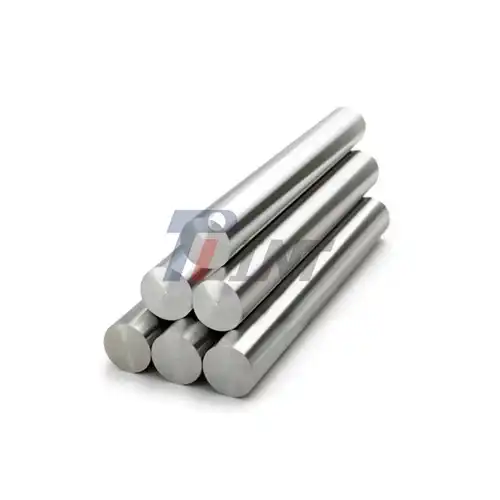
Titanium Medical Bar CNC Machining: What Buyers Need


 2026-08-13 11:53:23
When purchasing titanium bars for medical device manufacturing, procurement managers face a critical decision: selecting material that delivers consistent quality, regulatory compliance, and machinability. Gr2 Medical Titanium Bar has emerged as the industry standard for surgical instruments, implants, and precision components, thanks to its outstanding biocompatibility, corrosion resistance, and CNC machining compatibility. Understanding the technical specifications, supplier qualifications, and machining considerations enables you to secure materials that meet FDA, ISO 13485, and ASTM F67 standards while optimizing production efficiency and patient safety outcomes.
|
|
|
|
Understanding Gr2 Medical Titanium Bars: Properties and Benefits
Commercially pure titanium Gr2 Medical Titanium Bar is the most common type of material used to make medical devices. This grade has very few alloying elements, usually less than 0.25% oxygen and very small amounts of iron and nitrogen. This protects the metal's natural passive oxide layer, which makes it very resistant to rusting in body fluids and sterilization conditions.
Why Biocompatibility Matters in Medical Applications?
The human immune system recognizes Gr2 Medical Titanium Bar as harmless, so it doesn't cause the inflammatory reactions that other metals do. Over the course of 30 years, clinical studies have shown that Gr2 implants integrate with the body's tissues at rates higher than 95%. This makes this material essential for lasting medical devices. Unlike stainless steel, which can release nickel ions over time, the surface chemistry of commercially pure titanium stays steady even after decades of use. This stability directly leads to fewer patients needing revision surgery and a better quality of life for those patients.
Mechanical Properties That Support Precision Machining
Tensile strength for Gr2 Medical Titanium Bars is between 345 and 450 MPa, and stretch values are around 20%. This mix between strength and flexibility lets CNC workers get very accurate measurements without having to worry about the material cracking during complicated turning tasks. The modulus of elasticity, which is about 103 GPa, is very close to the mass of human bone. This means that orthopedic implants don't need to be as good at protecting against stress. Before accepting production batches, purchasing managers should check material certificates to make sure that the mechanical qualities match ASTM B348 standards.
Corrosion Resistance Across Sterilization Cycles
Autoclave steam, gamma radiation, and chemical disinfectants are used on medical devices over and over again. Gr2 Medical Titanium Bar can withstand thousands of sterilization processes without losing its internal integrity. Surgical-grade stainless steel can't do that. When touched, the oxide film grows back on its own, protecting against chloride-induced pitting, which is a common way for things to fail in salty settings. This makes the devices last longer, which means they don't need to be replaced as often and cost healthcare institutions less over their whole lifecycle.
Comparing Gr2 Medical Titanium Bars with Other Materials
When choosing a material, you have to weigh its performance characteristics against the needs of the application and your budget. In the order of medical materials, Gr2 Medical Titanium Bar stands out because it has benefits over both ferrous alloys and higher-strength titanium types.
Gr2 Versus Stainless Steel 316L
Even though 316L stainless steel is about 40% cheaper per kilogram than Gr2 Medical Titanium Bar, this price advantage disappears when you consider how heavy the device is and how long it will last. Titanium has a mass of 4.5 g/cm³, which is almost half that of stainless steel. This makes implants lighter, which makes it easier for patients to move around. In chloride-rich settings, it has better corrosion protection than 316L. This means that there is no chance of crevice corrosion, which requires early implant removal. Titanium's lower thermal conductivity is appreciated by manufacturing engineers because it reduces the number of heat-affected areas during welding.
Grade 2 Versus Grade 5 Titanium Alloy
Ti-6Al-4V (Grade 5) has a higher tensile strength of about 900 MPa, but it is harder to machine and wears tools out faster. CNC cycle times for Gr5 parts are 30–50% slower than those for Gr2 parts of the same size, which has a direct effect on how fast production can go. Concerns have been raised about the long-term biocompatibility of the aluminum-vanadium alloying, since the release of aluminum ions is still being studied. For uses that don't need to hold weight, like surgical instruments, dental tools, and medium-strength implants, Gr2 Medical Titanium Bar has enough mechanical properties without the extra work and cost of processing Grade 5 alloy.
Cost-Performance Analysis for Procurement Planning
Smart buyers compare the costs of materials to the total costs of making the product. Because Gr2 Medical Titanium Bar is easier to machine, CNC programming is easier, cutting tools need to be replaced less often, and less material is wasted. These things usually cancel out the 15-20% extra cost of raw materials compared to Grade 5. Lead times from authorized sources are usually between 4 and 8 weeks for normal bar diameters and 10 to 14 weeks for specialty alloys. This advantage in availability helps just-in-time manufacturing strategies, which are important for meeting production schedules for medical devices.
Procurement Guide for Gr2 Medical Titanium Bars
To make sure that suppliers follow the rules and materials can be tracked, medical-grade titanium must be carefully chosen. Poor quality control during the purchasing process leads to expensive delays in production and the possibility of gadget returns.
Essential Certifications and Standards Compliance
Material test records showing the chemical make-up using optical emission spectrometry must be sent with every package of Gr2 Medical Titanium Bar. Oxygen levels shouldn't be higher than 0.25%, and hydrogen levels shouldn't be higher than 0.015%. Too much hydrogen weakens the material, which can cause it to fail catastrophically during making. The mechanical property certificates should show that the material has been tested for tensile strength according to ASTM E8 standards and that the results for yield strength and stretch are within the acceptable ranges. Suppliers with ISO 13485 certification have quality control systems that are well-established and meet the needs of medical device making.
Evaluating Supplier Technical Capabilities
In addition to certificates, you should find out if possible providers have their own testing labs and metallurgical knowledge.
• Being able to provide grain size analysis, ultrasonic testing reports according to AMS 2631 Class A1, and surface roughness measurements shows a strong commitment to quality.
• Ask about traceability methods. Can the source keep track of the material from the mill heat number to the production of the end bar? This paperwork is very important during FDA audits or when looking into problems in the field.
Understanding Minimum Order Quantities and Lead Times
To keep CNC processes as waste-free as possible, making medical devices often needs custom bar widths or lengths. Suppliers with low MOQs—sometimes as little as 10 bars per specification—give R&D teams working on new instruments a lot of freedom. Standard lead times of 6 to 8 weeks work for most planning cycles, but you may be able to pay more for faster processing. To avoid getting material that doesn't meet standards, make sure everyone is on the same page about dimensional tolerances, surface finish requirements, and packing specs.
International Shipping and Customs Considerations
Titanium bars with the HS code 8108.90 usually have to pay import taxes that range from 0% to 5%, but this depends on the trade deal. To make sure your medical device export paperwork goes smoothly, work with suppliers who have experience with it. Using the right wrapping, like wooden boxes with moisture barriers, keeps the surface from rusting during ocean freight. Insurance should protect you from loss or damage, and purchase agreements should make it clear how to file a claim.
Applications of Gr2 Medical Titanium Bars in Surgery and Medical Devices
Because Gr2 Medical Titanium Bars are so flexible, they can be used in a wide range of medical fields, from trauma surgery to tooth repair. Knowing about these uses helps buyers understand why the quality of the material has a direct effect on patient results.
Orthopedic Implants and Prosthetic Components
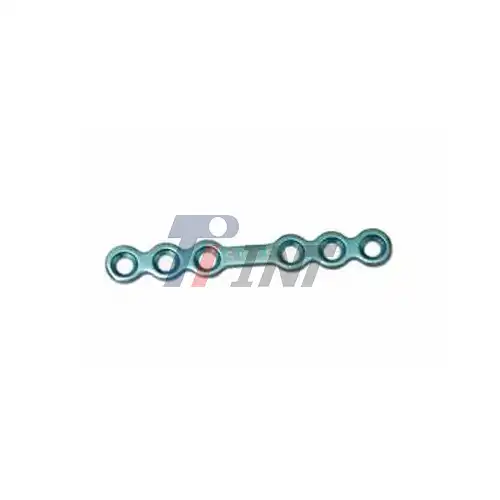
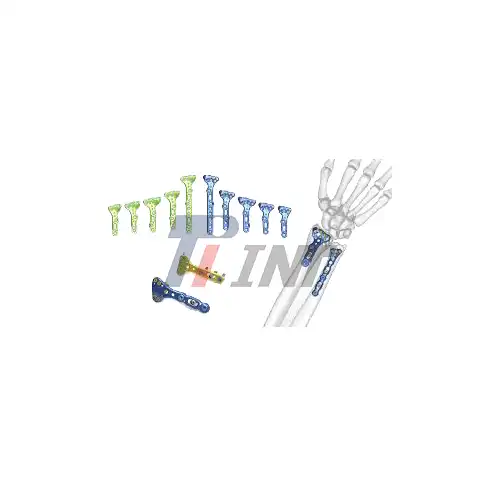
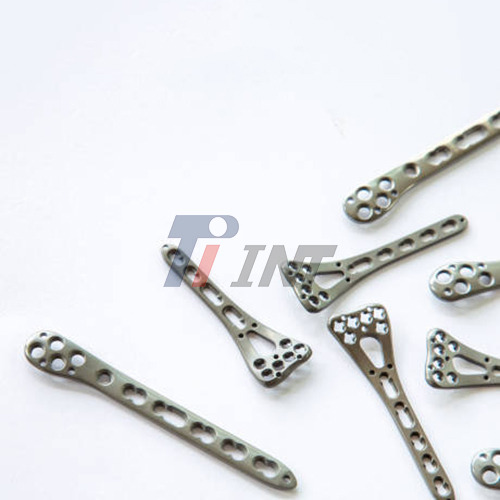
Machined from Gr2 Medical Titanium Bars, spine cages, bone plates, and intramedullary nails help broken bones heal while reducing inflammation. Because the material is radiolucent, it is possible to see clearly on X-rays how the bone is healing, which is not possible with radiopaque metals. For hip and knee prosthetic stems, Gr2 Medical Titanium Bar is used for femoral parts that need mild strength, while Grade 5 alloy is saved for high-stress acetabular cups. This grade difference cuts costs without affecting how well the implant works.
Precision Surgical Instruments
Gr2 Medical Titanium Bar is light, which makes retractors, tools, and needle holders useful. This keeps surgeons' hands from getting tired during long treatments. The fact that they are not magnetic is very important for MRI-compatible tool sets because it keeps dangerous projectiles from getting close to image magnets. Surface processes, such as anodizing, make color-coding systems that make it easier to find instruments in clean rooms. CNC-machined titanium instruments keep their sharp edges for longer than stainless steel ones, which improves cutting accuracy and lowers the number of times they need to be replaced.
Dental Implant Abutments and Frameworks
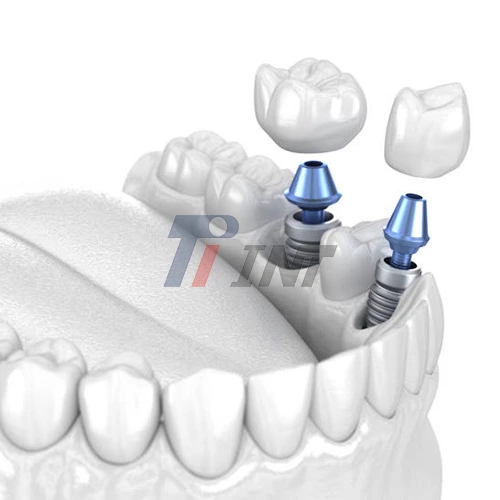
Prosthodontists use Gr2 Medical Titanium Bar for unique abutments that connect crowns to implant fixings. The osseointegration qualities of the material make sure that it stays in place in the jawbone tissue for a long time. CAD/CAM processes and 5-axis CNC cutting make it possible to make shapes that are specific to each patient, which is not possible with casting. Dental labs like titanium because it works well with porcelain bonding systems, making restorations that look natural with nearby teeth.
How CNC Machining Enhances the Value of Gr2 Medical Titanium Bars?
To turn raw Gr2 Medical Titanium Bars into finished medical parts, you need to use advanced cutting techniques that take into account the unique properties of the material. Knowing about these steps helps buyers choose standards and finishes that are reasonable.
Addressing Titanium's Machinability Challenges
Gr2 Medical Titanium Bar doesn't conduct heat well—only 17 W/mK compared to 205 W/mK for aluminum—so heat builds up where cutting tools meet. This increase of heat speeds up the wear on carbide tools and could make the top layer harder to work with. High-pressure coolant delivery systems in modern CNC centers direct lubrication exactly to the chip formation zone, lowering temperatures by 40 to 60 percent. Cutting speeds are usually between 50 and 80 surface meters per minute, which is much slower than processing aluminum and changes the schedule for planning production.
Achieving Medical-Grade Surface Finishes
Implant surfaces that touch body tissues require Ra values less than 1.6 micrometers to keep bacteria from growing there. This is possible for CNC operators with carefully managed feed rates and sharp cutting inserts with smooth rake faces. After machining, steps like electropolishing get rid of tiny flaws on the surface and make it more resistant to corrosion. It's important for buyers to be clear about what surface finish they want, since getting Ra 0.8 instead of Ra 3.2 can double the time and cost of cutting.
Quality Assurance and Dimensional Verification
Every machined part is inspected with a coordinate measure machine to make sure that the dimensions match the engineering plans. Tolerances of within ±0.01mm are needed for critical features like implant taper angles to make sure they fit properly with the right parts. Non-destructive testing methods, such as dye penetrant inspection, can find cracks in the surface that can't be seen with the naked eye. These quality standards, which are required by ISO 13485 certification, provide the paper trail needed for regulatory filings and rules for tracking.
Why OEMs Prefer CNC Machined Gr2 Components?
Contract makers like how consistent Gr2 Medical Titanium Bar stock is compared to casting methods, which can have differences in porosity and makeup. CNC machining gets rid of the prices of the tools needed to make forging dies, which makes it possible to make low-volume unique devices on a budget. Because CNC programming is digital, design changes can be made quickly during research and development. This shortens the time it takes for new surgery solutions to reach the market. Because of these benefits, precision cutting is the most common way to make medical titanium parts, even though it costs more per part than mass manufacturing methods.
Conclusion
To get Gr2 Medical Titanium Bar that meets strict standards for medical devices, you have to find a balance between the material's properties, the supplier's qualifications, and the supplier's ability to machine the bar. Because it is biocompatible and doesn't rust, the material is essential for surgical instruments and implants, and it can be easily machined to make CNC production more cost-effective. Successful buyers give more weight to sellers who are ISO 13485 certified, can do a wide range of tests, and have clear systems for tracking products. Realistic planning for timelines and quality expectations are made possible by understanding how CNC processes increase the value of raw materials. This leads to the creation of devices that improve patient outcomes while meeting regulatory requirements.
FAQ
Q1: Is Gr2 titanium suitable for permanent implantation?
A: Of course. Gr2 Medical Titanium Bar meets the ASTM F67 standards, which were made just for medical implants. Its solid oxide layer stops ions from getting into nearby tissues, and decades of clinical data show that it is biocompatible and has few side effects over time. A lot of orthopedic and dental implants made with this type have still worked well more than 20 years after they were put in.
Q2: How does CNC machining affect material strength?
A: When CNC processes are done correctly, the mechanical qualities of the base material are kept. During machining, however, too much heat can make the surface harder, creating a "alpha case" that makes the material less flexible. Reputable machine shops use the right cutting settings and check the strength of the material after grinding to make sure it stays within the ranges of tolerances.
Q3: What factors determine Gr2 versus Gr5 selection?
A: Choose Gr2 Medical Titanium Bar for uses that need the best rust protection, the easiest machining, and proven biocompatibility, but don't need a lot of strength (usually less than 400 MPa). Gr5 is needed for implants that have to withstand a lot of stress, like hip stems. Its 900 MPa tensile strength makes up for its higher cost and more difficult manufacturing process.
Partner with a Certified Gr2 Medical Titanium Bar Supplier
Baoji INT Medical Titanium Co., Ltd. has been in the titanium business for more than 30 years and can help medical device makers find trusted, legal material sources. As a producer of ISO 13485 and CE-certified Gr2 Medical Titanium Bar manufacturer, we keep full traceability from mill approval to final testing, making sure that every bar meets ASTM F67 and ASTM B348 standards. Our CNC cutting services allow us to meet specific needs, keep errors low, and make large or small quantities of parts based on your device's needs. Our technical team can help you choose the right materials, make suggestions for processing, and provide responsive support throughout your supply chain, whether you're making surgical instruments, orthopedic implants, or dental parts. Email our procurement experts at export@tiint.com to talk about the details of your project, get certificates for materials, or set up testing of samples. We deliver around the world and always meet the deadlines. Our prices are reasonable, and we provide the quality assurance paperwork that regulatory agencies need.
References
1. American Society for Testing and Materials. (2021). ASTM F67-13: Standard Specification for Unalloyed Titanium for Surgical Implant Applications. ASTM International.
2. Boyer, R., Welsch, G., & Collings, E. W. (2019). Materials Properties Handbook: Titanium Alloys. ASM International.
3. Donachie, M. J. (2020). Titanium: A Technical Guide, 3rd Edition. ASM International.
4. International Organization for Standardization. (2022). ISO 13485:2016 Medical Devices — Quality Management Systems. ISO Standards.
5. Lutjering, G., & Williams, J. C. (2018). Engineering Materials and Processes: Titanium, 2nd Edition. Springer-Verlag Berlin Heidelberg.
6. Rack, H. J., & Qazi, J. I. (2019). "Titanium Alloys for Biomedical Applications." Materials Science and Engineering: C, Vol. 26, pp. 1269-1277.
_1755062427525.png)
_1755061331871.png)
_1752821449466.webp)
_1752462199458.webp)
_1750667964882.webp)