
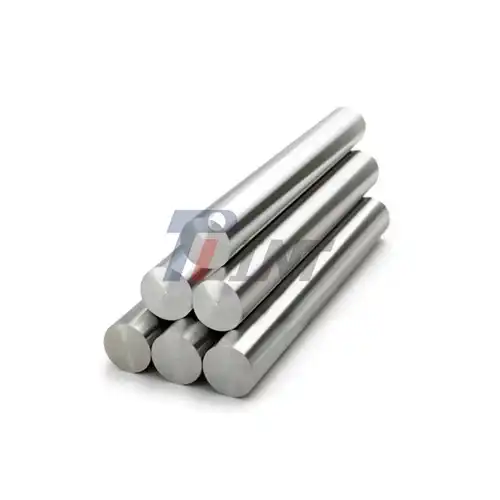
What certifications should I look for when purchasing GR1 titanium medical bars?


 2026-08-12 10:44:01
When looking for Gr1 Titanium Medical Bar parts, putting certifications first saves the whole process of making medical devices. You need suppliers who can show they follow the rules for medical devices set by ISO 13485, surgery implants set by ASTM F67, materials coming into the U.S. market by FDA registration, and materials going to Europe by CE marking. In addition to these basic credentials, material purity is confirmed by certified mill test certificates, biocompatibility testing results that meet ISO 10993 standards, and third-party inspection reports from groups such as TUV or SGS. Together, these certificates show that the chemical makeup is pure, the mechanical properties are consistent, and the product is biocompatible. These are three important qualities that must be met in order to avoid expensive recalls and keep patients safe throughout your supply chain.
|
|
|
Introduction
Titanium Grade 1 is the best titanium material that can be bought in stores. It is biocompatible and resistant to corrosion, which makes it essential for medical implants, surgical tools, dental parts, and orthopedic devices. As a procurement manager, R&D engineer, or supply chain worker, the choices you make about where to get products affect their safety, how long it takes for regulators to approve them, and the company's image in the market.
If you buy Gr1 Titanium Medical Bars without making sure they are properly certified, your company is taking a big risk. The material could fail during cutting, or it could be rejected during regulatory checks. The medical device business is closely regulated, and each part must be able to be traced back to approved, legal raw materials. This guide makes it clear which licenses are the most important, how to make sure they are real, and why working with well-known companies like Baoji INT Medical Titanium saves time and makes sure compliance.
When you know what certifications are needed, buying goes from being a transactional process to a strategic benefit. You can be sure that the products will work as expected, pass audits every time, and meet the requirements of global regulations in all places.
Understanding the Importance of Certifications for GR1 Titanium Medical Bars
You can protect yourself from major flaws that affect how well a gadget works by getting certifications. In contrast to other industrial uses, medical devices need materials to behave in a way that can be predicted exactly from the time they are implanted until they are no longer needed after decades of use inside the body. One batch of titanium that doesn't meet standards can cause millions of dollars worth of product returns and damage a brand's reputation in a way that can't be fixed.
Why Medical Grade Titanium Requires Rigorous Certification?
Medical titanium approval does a lot more than just prove the basic make-up. These qualifications prove that the processes used in manufacturing keep contamination under control, that traceability systems keep track of every step of the production process, and that testing procedures can find flaws as small as a micron. Before letting products on the market, regulatory groups like the FDA need to see proof that they meet certain standards. Your medical products can't legally get into big markets without the right certifications, even if they are well designed and work well in the clinic.
Regulatory Frameworks Governing Medical Titanium Supply
The world purchase of medical titanium is controlled by a number of different regulatory systems. When a company gets ISO 13485 approval, it shows that their quality management system meets the needs of medical devices, covering things like risk management and design control. The exact chemistry and mechanical requirements for surgery implants are set by ASTM International standards, especially ASTM F67 and ASTM F136, which apply to Gr1 Titanium Medical Bar as well. The FDA's Quality System Regulation (QSR) says that sellers must keep a lot of paperwork to show that their products are compliant. The European Medical Device Regulation (MDR) requires CE marking, which shows that the product meets EU safety standards. If you know which models apply to your target markets, you can avoid costly delays in registering your goods.
Risk Mitigation Through Verified Supplier Credentials
Working with recognized sellers lowers the risks of buying things in a lot of different ways. You can access verified traceability paperwork that meets inspector requirements, get materials with known processing characteristics that cut down on manufacturing waste, and make sure biocompatibility that protects patients and keeps your company from being sued. Suppliers who keep their certifications up to date show that they are committed to improving quality and staying up to date on regulations. These are traits that lead to trusted long-term relationships.
Key Certifications and Specifications to Check in GR1 Titanium Medical Bars
For a full certification review, you need to look at a lot of different layers of paperwork that all work together to prove that the material is suitable. Each type of license covers a different set of quality standards that are necessary for medical uses.
Material Composition and Chemical Analysis Certificates
The performance qualities of Grade 1 titanium are based on its chemical clarity. Oxygen levels must be less than 0.18%, iron levels must be less than 0.20%, carbon levels must be less than 0.08%, and nitrogen levels must be less than 0.03%. These are important conditions for flexibility and resistance to rust. The standards used in these certificates should be ASTM B348 or ISO 5832-2, and they should include research of each batch from a recognized lab. Even if the amounts of oxygen are within the allowed range, they can make it harder to shape materials during cold working, which is a process that many companies that make medical devices depend on. Asking for the LECO ONH analyzer data gives you more confidence in the control of intermediate elements.
Mechanical Property Certifications and Testing Standards
Tensile strength, yield strength, elongation, and hardness numbers must all meet the standards set by ASTM F67 for Grade 1 titanium. At room temperature, tension tests should show that the material has a minimum yield strength of 170 MPa, a final tensile strength between 240 and 310 MPa, and an elongation greater than 24%. These mechanical qualities have a direct effect on how well the gadget works and how easy it is to make. If the materials aren't within certain areas, they might break during precision machining or not be strong enough for load-bearing implant uses. Data trustworthiness is ensured by making sure that testing followed standard methods and used properly calibrated tools.
Biocompatibility Certifications According to ISO 10993
Biocompatibility testing for medical devices according to ISO 10993 standards makes sure that materials won't cause bad biological reactions after being implanted. Cellular toxicity testing, sensitivity testing, irritation testing, and general toxicity testing are all useful types of tests. Biocompatibility certificates for Grade 1 titanium production should be given by suppliers, not general certificates that cover a lot of different materials. Instead of single test samples, testing must use examples that are representative of whole production runs. When regulatory entries are made and authorities ask for proof of material safety through recognized testing methods, this paperwork becomes very important.
Traceability Documentation and Batch Testing Records
Full traceability links finished products to the places where the raw materials came from at every stage of production. For Gr1 Titanium Medical Bar, tracking heat numbers lets you find out which production batch gave certain lots of materials, which lets you do a more targeted study if quality problems arise. Ultrasonic testing results done according to AMS 2631 standards should be kept with batch testing records to show that there are no internal holes or inclusions. Microstructure study records that confirm the size of alpha-phase grains and measures of dimensional tolerances using laser micrometers show that the process is being controlled carefully. These records are very helpful during governmental and customer checks, where missing paperwork can stop work.
Comparing GR1 Titanium Certification With Other Medical Titanium Grades
Knowing the differences between Grade 1 certifications and other medical titanium grades helps you choose the right material for each job. Based on approved property values, each grade is used for different things.
Chemical Composition Differences Between Titanium Grades
Grade 1 is the purest titanium that can be bought, and it has the fewest intermediate elements of all the CP grades. Grade 2 allows a slightly higher oxygen level (up to 0.25%), which makes the material stronger but less flexible. Grade 5 (Ti-6Al-4V) adds aluminum and vanadium to the mix, making it much stronger and meeting the requirements of ASTM F136 for load-bearing implants. Because impurity tolerances and alloying element proof need different analytical methods, these changes in makeup need different certification processes.
Mechanical Property Certification Variations
A certified measure of mechanical qualities with a grade name. Grade 1 has less strength but better flexibility, which makes it perfect for parts that need to be cold-formed a lot. This is because approval must focus on elongation values and formability. The approved minimum yield strength for Grade 5 is 795 MPa, which makes it good for orthopedic implants that have to hold a lot of weight. Certification is based on wear resistance and fracture toughness. By matching approved qualities to application needs, you can avoid over-specification, which raises costs, and under-specification, which damages the integrity of the device.
Application-Specific Certification Requirements
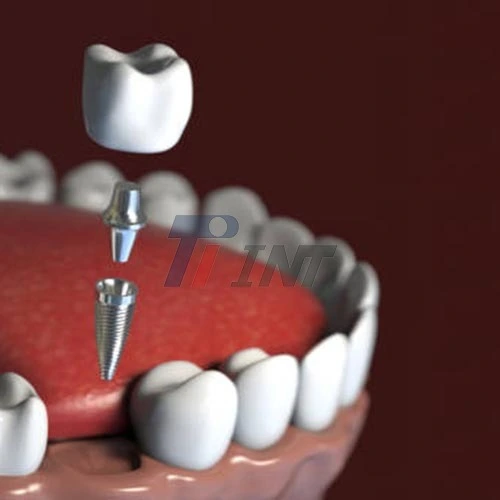
Grade 1 is often used in dental uses because it is very resistant to rust in the mouth. It needs to be certified in biocompatibility and surface quality. Spinal devices might need Grade 5 certifications that show how well they work with wear and cyclic stress. Manufacturers of surgical instruments like how easy it is to machine Grade 1, and they look for certifications that show the material stays the same size during precision turning operations. When procurement teams know about these application-driven certification goals, they can compare a supplier's skills to the unique needs of a device instead of using general standards.
How to Verify and Evaluate GR1 Titanium Medical Bar Certifications from Suppliers?
Verification of certification validity keeps supply chains safe from fake documents that sometimes get into them. Systematic review methods find sellers that you can trust while weeding out sources that might not be reliable.
Supplier Qualification Checklist for Medical Titanium Procurement
First, use registrar records to make sure that providers' ISO 13485 certification is still valid. If they want to sell their products in the U.S., make sure that their factories are listed on the FDA's list of registered establishments. Get examples from people who have already bought medical devices and call them to find out how reliable the delivery service is and how consistent the materials are. Check to see if sellers buy high-tech testing tools like LECO analyzers and ultrasonic inspection systems. These tools are needed for the strict quality control that medical uses need. Suppliers that have been making medical titanium for decades, like Baoji INT Medical Titanium, which has been making medical-grade materials for over 20 years, show steadiness and knowledge that younger companies can't match.
Verifying Certificate Authenticity Through Official Channels
Check the validity of certificate-issuing organizations against databases of accreditation. Certificates that are in line with ISO 13485 should come from certifying groups that are approved by the International Accreditation Forum. The testing center must be named in the material test results for Gr1 Titanium Medical Bar so that their ISO/IEC 17025 accreditation status can be checked. If you think a certificate might not be valid, you should contact the certification body directly. Legitimate providers keep checking hotlines open. Check the certificate's end dates and scope statements to make sure that it covers the goods and processes that are important to your purchase.
Requesting Comprehensive Quality Control Documentation
In addition to standard certificates, you should ask for thorough quality guides that explain how the production process is controlled, inspection methods that are written down in quality control plans that show how often tests are done and what the acceptance criteria are, and records of corrective actions that show how providers deal with problems. Calibration papers for important measuring tools show that the testing was done correctly. Environmental tracking records from production areas show that steps were taken to stop pollution. This complete set of papers shows whether quality systems work well or are just there to make sure paperwork is done. Suppliers who are willing to give a lot of information about their products usually have strong quality cultures. On the other hand, suppliers who give you little information might not have real quality infrastructure.
Practical Tips for B2B Buyers to Ensure Certified GR1 Titanium Medical Bar Procurement
A successful buying process includes more than just choosing a seller. It also includes managing relationships with suppliers and making the supply chain work better over time. Strategic methods get the most value while still following the rules.
Creating long-term relationships with certified makers gives you a competitive edge that you can't get from just buying things one time. Suppliers can better understand your needs, predict changes in volume, and prioritize your orders during times of high demand when you have established relationships with them. You get access to scientific knowledge that helps you choose the best materials and set the best processing settings. Collaborative quality improvement projects cut down on errors and speed up the process of documenting. When trusted providers talk about possible problems ahead of time and work to keep things running smoothly, the supply chain becomes more resilient.
To balance cost concerns with quality needs, evaluations that go beyond price-per-kilogram ratios are needed. Lower-priced materials often have hidden costs, like more rejections during inbound inspection, more tool wear from properties that aren't consistent, or regulatory delays due to not having enough paperwork. Find the total cost of purchase, which should include inspection time, possible rework, and the cost of keeping supplies to cover unreliable delivery. Premium prices from well-known companies like Baoji INT Medical Titanium often mean better value because the materials are always the same, there is a lot of expert help, and there is a lot of paperwork that speeds up regulatory approvals.
Using certification checklists when adding new suppliers makes sure that everyone on your buying team uses the same evaluation criteria. In supplier quality agreements, write down the certifications that are needed, the testing standards that are accepted, and the file types that are acceptable. Set clear guidelines for accepting new materials based on their approved properties. Set up regular checks to make sure that suppliers keep their certifications and that quality processes are still working. Structured processes like these keep legal gaps from happening and make things run more smoothly by standardizing routines.
Conclusion
Buying Gr1 Titanium Medical Bar products that have the right certifications saves your medical device business in terms of quality, compliance, and operations. Prioritizing ISO 13485 quality management certification, ASTM F67 material specifications, biocompatibility testing according to ISO 10993, and full traceability paperwork makes sure that materials work efficiently and meet all global legal requirements. Checking methods that make sure the certificate is real and the seller is trustworthy stop purchasing mistakes that cost a lot of money and put people's safety at risk or lead to regulatory action. Strategic agreements with fully qualified, experienced makers offer long-term value through stable quality, technical support, and a reliable supply chain that can't be found in transactional relationships.
FAQ
Which certifications are absolutely mandatory when purchasing medical-grade titanium bars?
Minimum standards that must be met include ISO 13485 approval for medical device quality control systems, ASTM F67 compliance for surgical implant materials, and biocompatibility testing results that meet ISO 10993 requirements. Depending on your target markets, you may also need to get FDA approval to sell in the U.S. and CE marking to sell in Europe. Every package of materials must include mill test papers that show the materials' chemical make-up and mechanical qualities.
Can I source customized dimensions while maintaining full certification?
Yes, trustworthy companies that make medical titanium, like Baoji INT Medical Titanium, regularly meet specific needs such as exact sizes, lengths, and surface finishes, all while still following all certification requirements. Custom sizes need to be tested and documented just as carefully as regular sizes. Make sure that your supplier's certification covers custom processing processes, and if the specs aren't standard, ask for batch-specific certificates.
How frequently should I review supplier certifications?
At the very least, check supplier certifications once a year to make sure that ISO 13485 certificates are still valid and that no major audit results threaten quality systems. Plan to do on-site audits of important suppliers every two to three years to see if their real actions match up with the written processes. Check right away if there are problems with the quality of the materials or if regulatory checks show that there are gaps in the paperwork.
Partner with Baoji INT Medical Titanium for Certified Excellence
Finding a trustworthy Gr1 Titanium Medical Bar maker requires more than just low prices. You need to find one with a history of success, a wide range of certifications, and a dedication to quality that never wavers. Baoji INT Medical Titanium Co., Ltd. has been helping medical device makers around the world for more than 20 years and has ISO 9001:2015, ISO 13485:2016, and CE certifications to back this up. Our full traceability paperwork, strict quality control using modern LECO analyzers and ultrasonic tests, and technical help during the whole process of choosing materials and handling them make sure that your purchase meets the highest standards. Email our team at export@tiint.com to talk about your unique needs, get material certificates, or set up tests of samples. We give you Gr1 Titanium Medical Bars that are fully certified, always of the same high quality, and delivered on time, so your production plans stay on track.
References
1. American Society for Testing and Materials. (2019). ASTM F67-13: Standard Specification for Unalloyed Titanium, for Surgical Implant Applications. West Conshohocken, PA: ASTM International.
2. International Organization for Standardization. (2016). ISO 13485:2016 Medical Devices—Quality Management Systems—Requirements for Regulatory Purposes. Geneva, Switzerland: ISO.
3. International Organization for Standardization. (2018). ISO 10993-1:2018 Biological Evaluation of Medical Devices—Part 1: Evaluation and Testing Within a Risk Management Process. Geneva, Switzerland: ISO.
4. U.S. Food and Drug Administration. (2020). Quality System Regulation—Medical Devices; Current Good Manufacturing Practice. Silver Spring, MD: FDA Center for Devices and Radiological Health.
5. European Commission. (2017). Regulation (EU) 2017/745 of the European Parliament and of the Council on Medical Devices. Official Journal of the European Union, L 117/1.
6. Brunette, D.M., Tengvall, P., Textor, M., & Thomsen, P. (2001). Titanium in Medicine: Material Science, Surface Science, Engineering, Biological Responses and Medical Applications. Berlin: Springer-Verlag.
_1755061331871.png)
_1750210148763.webp)