
Guidelines for maintaining titanium bar dental implants


 2026-08-13 11:53:27
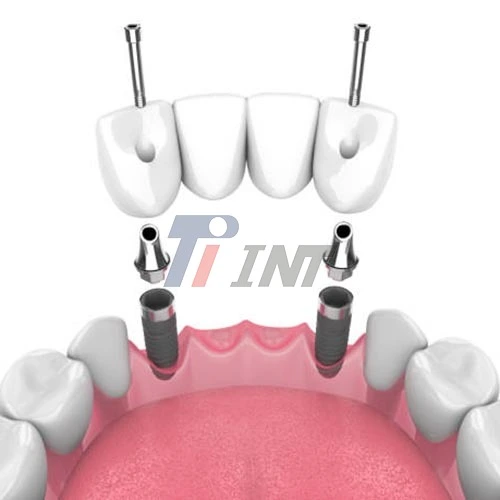
Titanium bar dental implants have become indispensable in restorative dentistry, particularly for complex cases requiring multi-implant supported prosthetics. These specialized structures connect multiple endosseous implants to support hybrid dentures, overdentures, or full-arch restorations such as All-on-4 and All-on-6 protocols. Proper maintenance of these systems is critical not only for ensuring longevity but also for preserving the substantial investment medical device manufacturers and dental suppliers make in high-quality materials. Understanding maintenance protocols helps procurement managers evaluate total ownership costs, while R&D engineers can better anticipate the support requirements their end-users will need throughout the product lifecycle.
|
|
|
Understanding Titanium Bar Dental Implants and Their Maintenance Needs
What Makes Titanium Bar Implants Unique?
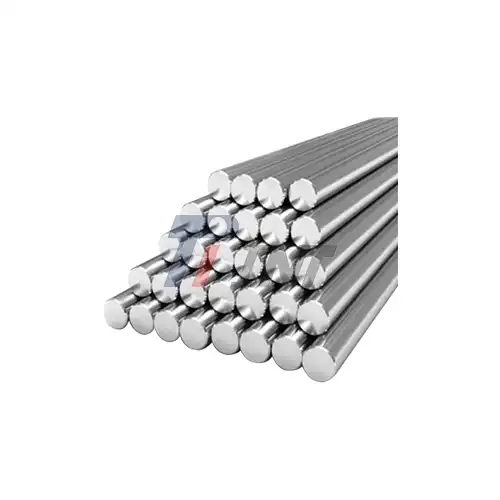
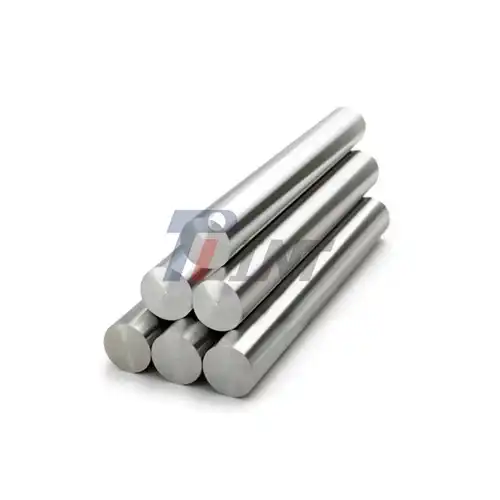
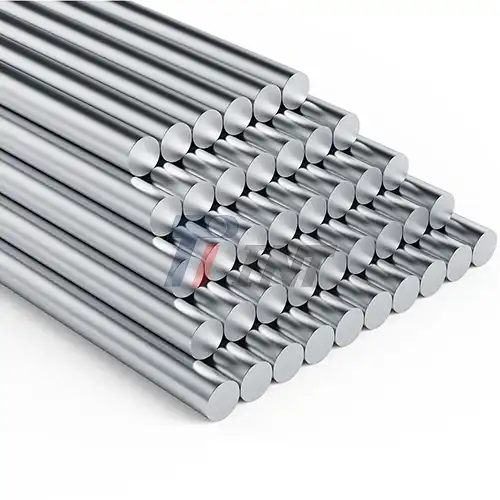
Single-screw implants and zirconia options are not at all the same as titanium bar systems. These bars are made from Grade 5 (Ti-6Al-4V) or Grade 23 (Ti-6Al-4V ELI) titanium metal. They act as suprastructures that spread masticatory pressure across several implant points. For this stress distribution system to work, the bar needs to be in a "passive fit" state, which means that it touches all of the abutments without putting any mechanical force on them that could damage the bone-implant interface.
The way medical-grade titanium alloys are made determines how often they need to be maintained. With great resistance to rust and a high strength-to-weight ratio, these metals keep their shape in the harsh oral environment, which is made up of changing pH levels, enzyme activity, and bacterial colonisation. Titanium is light, which means it doesn't put as much stress on the bones that support teeth. It's also resistant to fatigue, which means it can take millions of eating cycles without breaking down.
Why Maintenance Protocols Matter for Procurement Decisions?
When procurement professionals look at titanium bar systems, they need to keep in mind that the amount of maintenance needed has a direct effect on clinical outcomes and customer satisfaction. The most common problem is a disease that happens around the implant. Studies show that not taking care of them properly can lead to bone loss and eventually the implant failing. Meeting the requirements for ISO13485:2016 and CE approval when buying the materials to make these systems gives you peace of mind that the materials are biocompatible, which makes upkeep easier.
Because high-purity titanium can osseointegrate, it can form a molecular link between an implant and bone tissue. This integration is good for stability, but it also means that maintenance procedures must not mess up this interface by using too harsh cleaning methods or exposing chemicals in the wrong way. Supply chain managers should give more weight to suppliers who offer detailed material paperwork and technical support to assist manufacturers further down the chain in creating suitable care instructions for end users.
Key Maintenance Principles for Titanium Bar Dental Implants
Daily Patient Care Protocols
Implants like titanium bar dental implants last a long time if you take good care of them at home. People who have limbs that are held up by titanium bars should use special cleaning tools that can get around the bar structure without damaging the surface. Interdental brushes with nylon bristles are especially good at getting into the spaces where biofilm builds up between the bar and the gingival tissue. Metal tools shouldn't be used on titanium because they can scratch the surface and leave tiny holes that bacteria can stick to.
Antimicrobial cleaners that aren't too rough and are made just for taking care of implants help control bacterial populations without harming the layer of titanium oxide that forms naturally on the alloy's surface. This inactive oxide layer helps the material avoid corrosion and be compatible with living things. When set to the right pressure, water irrigation devices can flush debris out of hard-to-reach places under bar structures. However, too much pressure can damage the soft tissues around the implant.
Professional Maintenance Interventions
Professional evaluations, which are usually done every three to six months, allow doctors to keep a close eye on implant stability and bone health. At these visits, special tools made of plastic or carbon fibre are used to remove calculus layers from titanium surfaces without hurting them. X-rays can find early signs of bone loss around implant posts, before the symptoms show up in the body.
During professional maintenance meetings, the artificial parts that are attached to titanium bars can also be checked. A common problem that can lead to bigger problems if not caught early is screws coming loose. Grade 23 titanium has very low interstitials and very high wear resistance. This makes threaded connections more reliable and lowers the frequency of upkeep compared to lower-grade materials. These preventative steps help customers of manufacturers get the best results, which strengthens supplier relationships based on how well products work.
Common Challenges and How to Overcome Them
Identifying Early Complications
Even though titanium is better at integrating with the body, some people with titanium bar dental implants get peri-implant mucositis, which is an inflammation of the soft tissues around the bar structure. This condition is usually caused by not controlling plaque well enough instead of material rejection. Early detection through visual inspection and gentle probing lets treatment begin before the problem gets worse and leads to peri-implantitis, which causes bone loss that can't be fixed.
Patients who are having chronic pain around titanium bar restorations need to be carefully examined to tell the difference between normal healing feelings and real problems. Because titanium bars are flexible, they can be changed in ways that ease pressure points without having to make completely new parts. This flexibility helps dentistry offices save money in the long run while keeping patients happy.
Material-Specific Considerations
Taking care of titanium bar systems is different from taking care of zirconia or screw-type implants. The white colour of zirconia is nice to look at, but because it is so brittle, it is more likely to break during maintenance. Titanium's ability to bend gives you a safety limit when having it cleaned by a professional or making small changes. The light weight makes the areas where the bone meets the material less stressed, which might lower the number of problems that arise during bone remodelling that need major surgery.
When titanium comes into touch with different metals in the mouth, galvanic corrosion issues can appear. This risk can be kept to a minimum by using the same grade of material for all parts of the restoration, such as implant posts, bar structures, and prosthetic attachments. Managers in charge of buying things should make sure that sellers follow strict batch controls and give full paperwork on how materials can be tracked, which is in line with ISO9001:2015 quality management standards.
Procurement Considerations Linked to Maintenance
Selecting Materials That Simplify Long-Term Care
When production managers look at titanium bar suppliers, they should look into not only the original material requirements but also how the properties of the material affect the upkeep needs later on. Titanium metals that are very resistant to rust keep the surface intact for longer, so professionals don't have to fix surface degradation as often. The high strength-to-weight ratio makes it possible to design bars with the best geometry for cleaning patients.
Suppliers that offer customisation services add a lot of value by making bars that fit the needs of particular body types. Custom designs can include features that make them easier to clean, like enough space between them and soft tissues and smooth edges that stop bacteria from building up. Customisability is a feature of advanced titanium processing. This means that end users will have less maintenance to do and manufacturers will get fewer warranty claims.
Total Cost Analysis Including Maintenance
Lifecycle cost projections for titanium bar dental implants that include maintenance costs along with the initial purchase costs are used to make smart buying choices. Premium-grade titanium alloys cost more up front, but they last longer and are less likely to wear out, so you won't have to replace them as often. By making bulk purchases with providers whose quality stays the same across production runs, you can be sure that the performance will be consistent, which makes standardising upkeep protocols easier.
Reliable providers offer technical support tools that help makers come up with repair instructions for their customers that are based on facts. This way of working together makes the whole value chain stronger, from making the raw materials to using them in hospital settings. Warranty terms should be looked at not only for how long they cover things, but also for how they handle failures that are caused by poor maintenance versus actual defects.
Best Practices for Long-Term Performance Optimization
Leveraging Material Science Advances
New developments in titanium surface treatments have made it easier to maintain and improved its ability to fuse with bone. Some changes to the surface make it hydrophilic, which means germs can't stick to it. This can be done without adding extra coats that might wear off over time. When looking for titanium bars, R&D teams should check to see if the suppliers use cutting-edge processing methods that improve biological performance and lower the need for maintenance.
With the help of digital technologies, monitors can now be built into prosthetic parts to allow proactive tracking of implant health. Even though they are still new, these systems have the potential to change the way maintenance is done by finding early signs of problems before they show up in the patient. Forward-thinking buying strategies look at how innovative sources can be and how willing they are to work with you to add new technologies to new products.
Training and Education Initiatives
When material suppliers spend money on training tools for their manufacturing customers, it shows that they want the relationship to work in the long run. Manufacturers of devices can make better user guides and training programs when they have detailed information on how the qualities of a material affect its upkeep needs. When bringing products to new markets where clinical guidelines may be different, these resources become even more useful.
Collecting performance data from the field in a planned way creates feedback loops that help make material standards and repair suggestions better all the time. Suppliers with ISO13485:2016 certification use quality management systems that work well with this data-driven method. Companies that make things should choose partners who see quality as a constant process, not a one-time accomplishment.
Conclusion
To take care of titanium bar dental implants, you need to know how material science, clinical practices, and patient compliance all work together. If you follow the right care instructions, Grade 5 and Grade 23 titanium metals have great biocompatibility, corrosion resistance, and mechanical qualities that make them great for long-lasting restorations. Choosing to buy certified, high-purity materials from experienced sources will have a direct effect on how much upkeep the product needs over its entire lifecycle. Medical device makers can give demanding customers better results and build long-lasting competitive advantages in the restorative dentistry market by choosing titanium bars that are engineered for both clinical performance and maintainability.
FAQ
Q1: How often should professional maintenance be performed?
A: Professional care times are usually every three to six months, but this can change based on the patient's risk factors and the complexity of the prosthesis. Patients who take good care of their teeth at home and have never had periodontal disease may be able to stay stable with visits every six months. However, patients whose oral hygiene isn't as good or who have systemic conditions that make healing harder need to be checked on more often, every three months.
Q2: Are there biocompatibility concerns for sensitive patients?
A: Titanium doesn't react with living things and has a low chance of rejection, even in sensitive groups. True titanium allergies are still very uncommon; clinical research says they affect less than 0.6% of people. The extra-low interstitials in the Ti-6Al-4V ELI alloy recipe make worries even smaller, so it can be used by people who are known to be sensitive to metals in other alloys.
Q3: What signs indicate inadequate maintenance?
A: Constant swelling around implant sites, bleeding during light cleaning, deeper pockets found during professional probing, obvious bone loss on x-rays, and implants that were once fixed moving around are all warning signs. Any of these finds should be looked at by a professional right away to keep things from getting worse and causing problems that can't be fixed.
Partner with Baoji INT Medical Titanium Co., Ltd. for Superior Implant Materials
To get the best care results, you should start by getting high-quality raw materials from titanium bar dental implants makers with a lot of experience. As a company with more than 30 years of experience in the titanium business, Baoji INT Medical Titanium Co., Ltd. specialises in Grade 5 and Grade 23 titanium alloys that are perfect for tooth implant uses. We make custom-forged parts, rods, wires, plates, and more. All of our products are certified by ISO9001:2015, ISO13485:2016, and EU CE.
We know that procurement managers need more than just materials that are compliant. They also need partners who can offer technical support, consistent quality, and reliable delivery schedules that keep production lines running smoothly. Our engineering team works with companies that make medical devices to come up with custom solutions that meet the needs of specific designs while still keeping the material qualities that are needed for easy upkeep. When your reputation depends on how long implants last and how happy your patients are, work with a titanium bar dental implants supplier that wants you to succeed. Email our team at export@tiint.com to talk about your specific needs and find out how our materials engineering knowledge can help your product work better.
References
1. Buser, D., Sennerby, L., & De Bruyn, H. (2017). Modern implant dentistry based on osseointegration: 50 years of progress, current trends and open questions. Periodontology 2000, 73(1), 7-21.
2. Elias, C. N., Lima, J. H., Valiev, R., & Meyers, M. A. (2008). Biomedical applications of titanium and its alloys. Journal of the Minerals, Metals and Materials Society, 60(3), 46-49.
3. Renvert, S., Persson, G. R., Pirih, F. Q., & Camargo, P. M. (2018). Peri-implant health, peri-implant mucositis, and peri-implantitis: Case definitions and diagnostic considerations. Journal of Clinical Periodontology, 45(S20), S278-S285.
4. Tabassum, A., Meijer, G. J., Wolke, J. G., & Jansen, J. A. (2014). Influence of surgical technique and surface roughness on the primary stability of an implant in artificial bone with different cortical thickness. Clinical Oral Implants Research, 25(1), 1-7.
5. Saini, M., Singh, Y., Arora, P., Arora, V., & Jain, K. (2015). Implant biomaterials: A comprehensive review. World Journal of Clinical Cases, 3(1), 52-57.
6. Hanawa, T. (2019). Titanium-tissue interface reaction and its control with surface treatment. Frontiers in Bioengineering and Biotechnology, 7, 170.
_1751959047184.webp)