
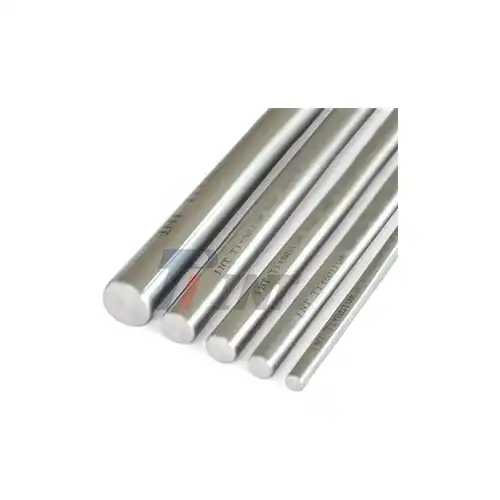
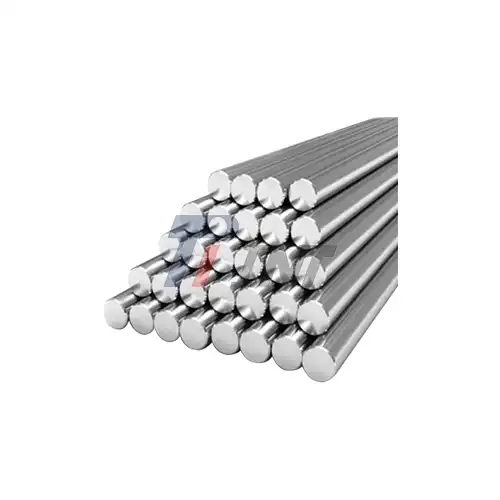
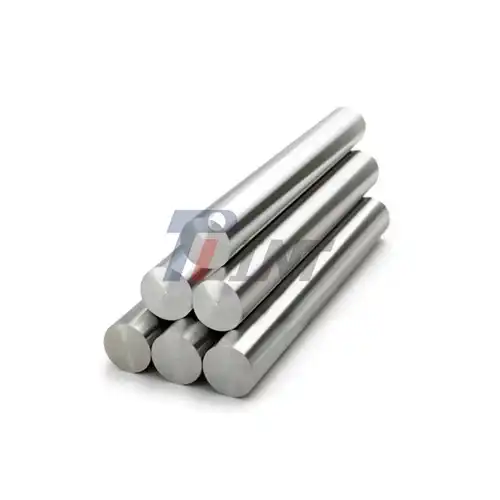
How to check the quality of a titanium bar?


 2026-08-31 11:46:28
When sourcing titanium bars for medical device manufacturing, quality verification stands as your most critical checkpoint. Checking the quality of a titanium bar involves a systematic evaluation of chemical composition, mechanical properties, surface integrity, and compliance certifications. For Gr1 Titanium Medical Bar specifically—the highest purity commercially pure grade—you must verify oxygen content below 0.18%, confirm yield strength parameters, inspect for surface defects, and validate ISO 13485 and ASTM F67 compliance documentation. This rigorous assessment protects your production line from costly material failures and ensures patient safety in implantable applications.
|
|
|
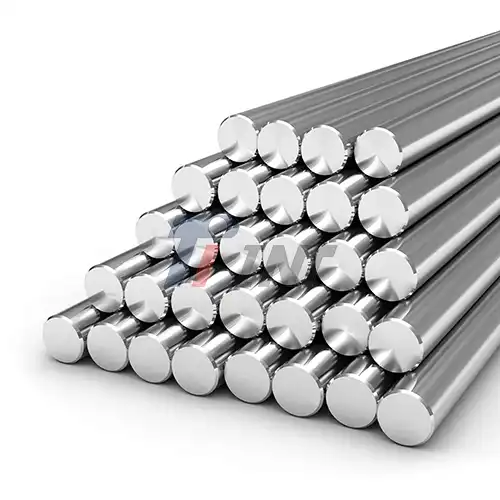
Understanding GR1 Titanium Medical Bars: Composition and Key Properties
Commercially pure (CP) titanium in its best form is what GR1 titanium is made of. Medical device makers trust this grade because it has a carefully controlled chemical balance that makes it biocompatible without lowering its structural performance.
Chemical Composition According to ASTM B348 Standards
The limits of the interstitial elements are what make GR1 material unique. Following the rules set by ASTM B348 for authentic GR1 bars, they should have no more than 0.18% oxygen, 0.03% nitrogen, 0.08% carbon, 0.0150% hydrogen, and 0.20% iron. These exact limits determine the material's amazing flexibility—often reaching elongation rates above 35%—which is very useful for complicated shaping tasks like deep drawing or tight-radius bends that are needed to make medical instruments.
The low interstitial content is directly related to how easily the material can be shaped; even small changes toward GR2 levels (with oxygen up to 0.25%) make the material much less flexible and change how it responds mechanically during fabrication.
Mechanical Strength Parameters for Medical Applications
Even though it is the softest grade of titanium, GR1 is strong enough for many medical uses. The minimum yield strength of the material is 138 MPa (20 ksi), but most high-quality production batches are between 170 and 240 MPa. When stretched, it can hold about 240 to 290 MPa of force, which is strong enough for non-orthopedic implants and surgery tool parts.
GR1 is different from higher grades because it is more impact-resistant and keeps its shape even at freezing temperatures, which is very useful in specialized surgery settings. The material's density of 4.51 g/cm³ makes it about 60% lighter than stainless steel options. This keeps the structure strong and prevents tool fatigue during long surgery procedures.
Corrosion Resistance in Physiological Environments
For medical uses, you need materials that can stand up to harsh bodily conditions for a long time. When GR1 titanium is exposed to oxygen or water, it quickly forms a strong passive oxide layer (TiO₂). This layer acts as an electrical shield to stop further corrosion. This passivation happens naturally and repairs itself right away if it is damaged mechanically.
It protects against pitting, crevice corrosion, and stress corrosion cracking in environments with a lot of chloride in the body fluids. Clinical tests show that properly made GR1 parts keep their surface integrity for decades inside the human body. They don't break down at all, even in acidic, inflammatory conditions that quickly eat away at stainless steel options.
Biocompatibility and Hypoallergenic Characteristics
GR1 grade's high biocompatibility is directly due to its strict pure standards. Because it contains almost no nickel, chromium, or other allergenic substances, this material has almost no immune system response rates in implantation tests. In applications where the metal touches bone, the stable oxide layer not only stops corrosion but also makes an inert interface that helps bone integration.
Unlike some types of stainless steel that release metallic ions over time, GR1 titanium stays chemically stable. This means that there are no worries about systemic metal accumulation or hypersensitivity reactions that could hurt patient outcomes and require additional surgeries.
Core Criteria for Checking the Quality of Titanium Bars
To make sure the quality of titanium bars that are bought, they need to be checked in more than one way, looking for both obvious flaws and secret material problems. Procurement teams with a lot of experience use a structured evaluation protocol to find low-quality materials before they get into production.
Visual Inspection and Surface Finish Standards
A quick look at the surface tells you right away about the quality of the production and how it was handled. First, look for longitudinal cracks, splits, or laps. These are examples of linear flaws that show problems with the rolling process. Medical-grade bars of good quality should have a smooth, even surface without any holes, gouges, or scales embedded in them. Surface roughness values for medical uses should not be higher than Ra 1.6 μm for polished bars or Ra 3.2 μm for as-rolled bars, based on the use.
Check that the color is consistent. If the oxidation patterns aren't even or the color is turning blue, it could mean that the heat treatment was contaminated or that the atmosphere wasn't properly controlled. Gr1 Titanium Medical Bar must meet strict surface quality standards, so reliable suppliers protect the surfaces of bars by either annealing them in inert atmospheres or coating them with protective materials that can be removed. This keeps the material pure from production to delivery.
Chemical Composition Verification Through Spectrometry
Looks alone can't prove that a grade is real. Optical Emission Spectrometry (OES) or X-Ray Fluorescence (XRF) analysis can quickly and accurately confirm the composition. When you receive sample bars or check new materials, you should ask for spectrometric analysis papers that list all the elemental concentrations. Pay close attention to the amount of oxygen in the material because it is this one element that has the biggest effect on its mechanical qualities and sets GR1 apart from GR2.
Some dishonest suppliers use higher-oxygen GR2 material that is labeled as GR1 to get higher prices. This risk is taken away by testing by a third party that is not affiliated with the company doing the work. Make sure that reports on chemical analyzes clearly cite ASTM B348 or ISO 5832-2 standards, and check that the testing facility is ISO/IEC 17025 certified for metal analysis.
Mechanical Testing Protocols
Tensile testing shows that the qualities of a material meet the base requirements and are the same from one production lot to the next. As per ASTM E8, standard test methods include taking samples from bar stock and measuring their yield strength, final tensile strength, and extension to failure. You can expect elongation values of at least 24% for medical uses, though premium GR1 often gets 30–40%. GR1 is usually about 120 HB, which is noticeably softer than GR2's about 160 HB. You can use the Brinell or Rockwell method to test its hardness without damaging it.
When parts are loaded and unloaded over and over, like in surgical instrument hinges or dental tool connections, fatigue testing is very important. Ask for data on fatigue performance that shows the limits of endurance under relevant stress conditions. This is especially important if your application involves repeated sterilization cycles that could change how the machine works in the long term.
Corrosion Resistance Testing
Titanium is famous for not corroding, but mistakes in the making process or contamination can make this defense less effective. According to ASTM B117, salt spray testing models rapid marine or physiological exposure. This shows surface weaknesses that can't be seen with the naked eye. After 500 hours or more of continuous exposure, good bars should have no rust spots or pits.
For materials that are meant to be used in implants, more complex electrochemical tests like potentiodynamic polarization are used to find out how the material passesivates and breaks down in simulated body fluid. These tests show that the passive film forms properly and keeps its defensive properties when the body's conditions change. Crevice rust testing checks how well something works in small spaces where oxygen levels drop, which happens a lot in medical devices that are put together with threaded connections or press-fitted parts.
Biocompatibility Certification and Documentation
As per ISO 10993 standards, medical device regulations require full biocompatibility testing. When buying GR1 bars to be implanted, make sure the company you buy them from gives you material certifications that can be tracked back to production lots that have been biocompatibility tested. Some important pieces of paper are the results of cytotoxicity tests (ISO 10993-5), studies on sensitization and irritation (ISO 10993-10), and systemic toxicity tests (ISO 10993-11).
Suppliers who work with medical markets should keep technical records like FDA Drug Master Files (DMF) or European Medical Device Regulation (MDR) that show their materials always meet biocompatibility standards. Ask the supplier about their change control procedures after the initial certification. Any changes to the sources of raw materials, processing parameters, or manufacturing equipment should lead to revalidation to keep biocompatibility assurance.
Comparing GR1 Titanium Medical Bars with Other Grades and Materials
To choose the right material, you need to know how to balance the costs of performance, handling, and replacement over its lifetime. GR1 is in a unique position because it has the right mix of properties for certain medical uses, while other materials are better suited to other needs.
GR1 Versus Stainless Steel in Medical Devices
Because it is cheaper and easier to work with, stainless steel (especially 316L surgical grade) is still commonly used in medical industry. But GR1 titanium has clear benefits that often make up for its higher price. Titanium has a density of 4.51 g/cm³, while steel has a density of 8.0 g/cm³. Titanium's density lowers the weight of instruments by about 44%, which makes surgeons less tired during long treatments. In almost all biological settings, corrosion resistance is higher than that of stainless steel.
This means that you don't have to worry about nickel ions, which can be harmful to up to 15% of people who are sensitive to metals. Titanium's elastic modulus is 103 GPa, while steel's is 200 GPa. This means that titanium's modulus is more like bone tissue, which means it reduces the stress shielding effects in orthopedic uses and encourages better bone remodeling around implants. Another important difference is that titanium produces few imaging flaws, while steel produces a lot of distortion that can make it hard to see medical information.
Grade Comparison: GR1, GR2, and GR5 Performance Differences
When choosing a type of titanium, you have to balance the need for strength with the need for shapeability. The most common widely pure grade, GR2, has a slightly higher oxygen level (up to 0.25%), which raises the yield strength to about 275 MPa, which is almost twice as high as the minimum requirement for GR1. This advantage in strength comes at the cost of being less flexible and making forming operations more difficult.
An alpha-beta metal called GR5 (Ti-6Al-4V) has a much higher strength (minimum 880 MPa yield) and can be used for load-bearing surgical implants like hip stems and bone plates. However, some patients may not be able to tolerate GR5's alloying elements, and its much higher cost and more difficult cutting needs make it unsuitable for uses where GR1's modest strength is sufficient.
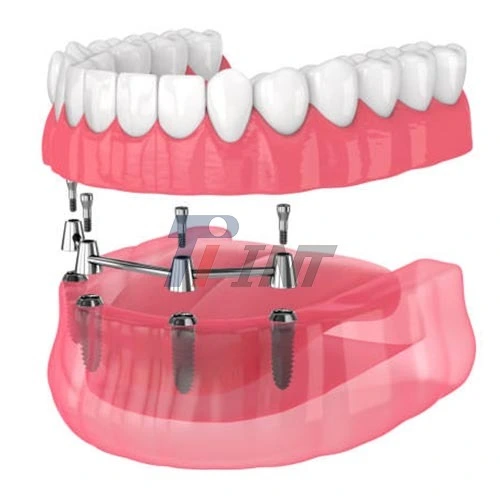
Gr1 Titanium Medical Bar is a commercially pure grade that offers excellent corrosion resistance and biocompatibility, making it ideal for non-load-bearing medical applications such as cranial plates and dental fixtures. The prices of the materials show these differences: GR1 usually costs 10-15% more than GR2 per kilogram, but 30-40% less than GR5 per kilogram.
Commercially Pure Titanium Variants and Purity Considerations
Beyond GR1 and GR2, the range of widely pure titanium includes GR3 and GR4, though these types aren't used much in medicine. Because they have more oxygen, GR3 and GR4 are stronger than GR1, but they can't be shaped as well, which is what makes GR1 useful for complex shapes. Some suppliers offer "ultra-high purity" titanium that has an oxygen content of less than 0.10%. This is mostly for high-tech aerospace or semiconductor uses where cost is not an issue.
The standard GR1 specification strikes the best balance for making medical devices. The small increases in purity in ultra-grade materials don't lead to biocompatibility or performance benefits that make up for their much higher prices. Knowing these levels helps people who buy things avoid over-specification, which raises costs for materials without improving device performance or patient outcomes.
Practical Guide to Procuring High-Quality GR1 Titanium Medical Bars
A successful buying process includes more than just specifying the materials. It also includes evaluating the suppliers, agreeing on terms, and making sure the supply line is reliable. To build relationships with reliable providers, you need to carefully look at many factors that affect the overall success of your procurement over the long run.
Supplier Qualification and Certification Requirements
Check the supplier's ISO 13485:2016 approval as the first step in the review process. This is the standard for medical device quality management that shows systematic controls throughout production. Carefully look over the certification's scope; it should clearly cover making titanium bars, not just selling or trading them. Ask for proof that each production lot has been tested to make sure it meets ASTM B348 standards. Real test results, not just general certificates of conformance, should be used. Suppliers that work with controlled markets should show proof that they are registered with the FDA and that they are inspected regularly by regulators.
When you can, check out a factory's manufacturing skills by looking at its rolling mill conditions, melting processes (vacuum arc remelting is better for medical-grade material purity than electron beam methods), and quality control lab equipment. Suppliers who can do spectrometry, tensile testing, and metallographic analysis in-house show that they are committed to quality control instead of relying on outside testing, which can take longer to find problems.
Pricing Structures and Minimum Order Considerations
The price of GR1 titanium bars changes depending on how much the raw materials cost, how many bars are made, and how complicated the specifications are. As things stand on the market right now, the base price for normal diameter bars that have been treated will be between $35 and $50 per kilogram. There may be extra charges for tight tolerances, special surface finishes, or faster delivery times. Standard sizes usually have a minimum order quantity of around 100 kilograms. However, suppliers that work with the medical field can often accommodate smaller quantities with small surcharges to help with research and development and prototype creation.
Lead times are usually between 8 and 12 weeks for stock sizes and between 12 and 16 weeks for custom specifications that need dedicated production runs. By working with suppliers who keep a strategic stock of common medical-grade sizes, you can cut down on the time it takes to get materials for urgent projects and make sure that a lack of materials doesn't slow down production.
Customization Capabilities and Technical Support
When making medical devices, it's common for the specs to be non-standard. For example, the devices may need custom lengths, sizes, or surface treatments. Check to see if potential suppliers have the technical skills to meet these needs. Can they give you bars with widths that are precisely ground to within 0.05 mm? Do they offer processes like centerless grinding, electropolishing, or passivation that cut down on the number of steps needed for further processing?
Premium sellers are different from commodity traders because they offer technical support services. Look for metallurgical experts who can help you choose the right materials, suggest processing settings for machining or forming processes, and fix quality problems when they happen. When suppliers put money into applications engineering resources, it shows that they care about their customers' success in more ways than just selling them materials.
Quality Documentation and Traceability Systems
For regulatory compliance, all materials must be able to be tracked from the ingot to the finished device. Suppliers that are qualified give full material certifications that include heat numbers, chemical analysis reports, mechanical test results, and production date codes that make it possible to track down to the lot level. This documentation helps you keep your design history file and makes it easier to look into problems quickly if they happen in the field.
Check that suppliers have written quality management systems that include statistical process control, procedures for non-conforming materials, and corrective action programs that stop problems from happening again. Ask for access to quality data from the past; suppliers who are sure of their reliability will gladly share process capability indices and defect rate trends that show they can deliver reliable performance.
For example, when sourcing a critical product like the Gr1 Titanium Medical Bar, these verifications become even more essential. This makes people more confident that the quality of the materials will stay the same across multiple sales that happen over months or years of production.
Best Practices for Handling and Quality Assurance in Titanium Bar Usage
Quality of materials goes beyond just buying them; it also includes how they are handled, processed, and used throughout the whole process of making something. By understanding titanium's unique properties, you can keep even the best materials from breaking down accidentally.
Machining Techniques Optimized for Titanium Properties
Titanium doesn't conduct heat well (about 1/6 as well as aluminum), so cutting heat builds up at the point where the tool meets the chip. This speeds up tool wear and increases the chance of work-hardening if parameters aren't optimized. To cut down on cutting forces, use polycrystalline diamond or carbide tools that are sharp and have positive rake angles. Keep cutting speeds between 60 and 120 surface feet per minute, which is much slower than steel, and use a lot of flood coolant to keep the temperature down.
Because titanium tends to gall, it's important to choose the right feed rate. Too aggressive feeds cause material to build up on the cutting edges, while too slow of feeds cause too much rubbing, which hardens the surface. When you use climb milling instead of regular milling, the cutting forces are lower and the surface finish is better. When drilling, use peck cycles and parabolic flute shape to help chips get out. Titanium's flexibility makes long, stringy chips that can get stuck in drill flutes and break the tool if they are not handled properly.
Sterilization Method Compatibility
During their useful life, medical gadgets go through many rounds of sterilization. There is no damage to GR1 titanium when it is sterilized in any usual way. Autoclave sterilization (steam at 121–134°C) doesn't cause much oxidation. Any surface discoloration that forms after several cycles can be removed with passivation treatments that don't change the material's mechanical properties. Titanium is not affected by ethylene oxide (EtO) gas cleaning in any way. Gamma irradiation and electron beam sterilization also don't cause any problems.
But hydrogen peroxide plasma sterilization needs to be done carefully. The material itself is not affected, but devices with cracks or threaded links that catch water can absorb hydrogen. This problem won't happen if you follow the manufacturer's instructions for cleaning and drying before sterilization. Some stainless steels get pitting or stress corrosion after being exposed to steam over and over again, but GR1 titanium doesn't lose its corrosion protection even after many sterilization rounds. This means that devices can be used for longer.
Storage Conditions and Contamination Prevention
Titanium is reactive, so it needs to be stored in a certain way to keep its quality. Keep bars in clean, dry places that are away from things that could be harmful. Copper, lead, or cadmium-containing materials should not be touched because they can weaken titanium if they get on the surface and are then fired during processing. Put on clean cotton or nitrile gloves when working with bars to keep skin oil from transferring and changing the color during heat treatment.
If bars are going to be vacuum heated or hot shaped, clean them with a solvent or an alkaline solution to get rid of any remaining lubricants, marking inks, or handling films before they are heated. The most sneaky way for contaminants to get into something is to absorb hydrogen.
Long-term contact to acidic conditions or cathodic charging during electrochemical processes can introduce hydrogen, which makes things much less flexible and resistant to fatigue. Use material segregation techniques to keep different types of titanium from mixing by mistake. Once identification marks are removed during machining, it's almost impossible to tell the difference by looking at them.
Conclusion
To make sure the quality of a titanium bar, you need to carefully look at its chemical make-up, mechanical properties, surface stability, and proof paperwork. The special mix of biocompatibility, corrosion resistance, and formability in Gr1 Titanium Medical Bar makes it very useful for making medical devices, as long as procurement teams follow strict quality control procedures.
Knowing the differences between titanium grades, building relationships with reliable sources, and following the right handling procedures during production all work together to make sure that the material meets the strict needs of medical uses. This thorough approach to quality assurance protects your production efficiency, regulatory compliance, and, most importantly, patient safety—the main goal of all decisions about medical device materials.
FAQ
What distinguishes authentic GR1 titanium bars from lower-purity alternatives?
Real GR1 material has no more than 0.18% oxygen and can stretch more than 24%, but GR2 material has up to 0.25% oxygen and is less flexible. For verification, spectrometric analysis certificates and hardness tests that show GR1 is about 120 HB and GR2 is 160 HB are needed.
Can GR1 titanium bars serve load-bearing orthopedic implant applications?
The lowest yield strength of 138 MPa for GR1 is not enough for main load-bearing orthopedic devices like hip stems or bone plates. For these uses, GR5 titanium metal with yield strengths higher than 880 MPa is needed. GR1 works well for non-load-bearing uses like reconstructive mesh, surgery tool parts, and oral prosthetic frames.
What certifications should suppliers provide for medical-grade titanium bars?
Suppliers who are qualified keep an ISO 13485:2016 certification that is specific to making titanium. Material certifications need to include chemical analyzes that are specific to heat according to ASTM B348, results of mechanical tests, and the ability to track back to production lots that have been biocompatibility tested and meet ISO 10993 requirements. Registration with the FDA and records of regular regulatory inspections show that regulations are being followed.
Partner with Baoji INT Medical Titanium Co., Ltd. for Certified GR1 Material
Baoji INT Medical Titanium Co., Ltd. has been making trusted Gr1 Titanium Medical Bars for medical device businesses around the world for more than 30 years. Our factory in China's titanium hub is ISO 13485:2016 certified and uses advanced vacuum arc remelting technology and strict lot-level quality verification to make sure the quality of the materials is always the same. We keep a strategic collection of popular medical-grade specs, which cuts down on the time it takes to get what you need.
Our metallurgical engineering team can also help you choose the right materials and make the best use of your processing. Each bar comes with full certification paperwork that includes chemical analyzes, mechanical testing data, and full traceability to meet your legal needs. Email our team at export@tiint.com to talk about your specific needs and get technical advice that is fit for your application. You can see all of our medical titanium material options at inttitanium.com.
References
1. American Society for Testing and Materials. (2021). ASTM B348-21: Standard Specification for Titanium and Titanium Alloy Bars and Billets. ASTM International, West Conshohocken, PA.
2. International Organization for Standardization. (2019). ISO 5832-2:2018: Implants for Surgery - Metallic Materials - Part 2: Unalloyed Titanium. Geneva, Switzerland.
3. International Organization for Standardization. (2016). ISO 13485:2016: Medical Devices - Quality Management Systems - Requirements for Regulatory Purposes. Geneva, Switzerland.
4. International Organization for Standardization. (2018). ISO 10993: Biological Evaluation of Medical Devices - Complete Standard Series. Geneva, Switzerland.
5. Boyer, R., Welsch, G., & Collings, E.W. (Eds.). (1994). Materials Properties Handbook: Titanium Alloys. ASM International, Materials Park, OH.
6. Brunette, D.M., Tengvall, P., Textor, M., & Thomsen, P. (Eds.). (2012). Titanium in Medicine: Material Science, Surface Science, Engineering, Biological Responses and Medical Applications. Springer, Berlin.
_1752819172472.webp)
_1750662961697.webp)