





Titanium Medical Bar Uses in Orthopedic Implant Production


 2026-09-17 11:39:13
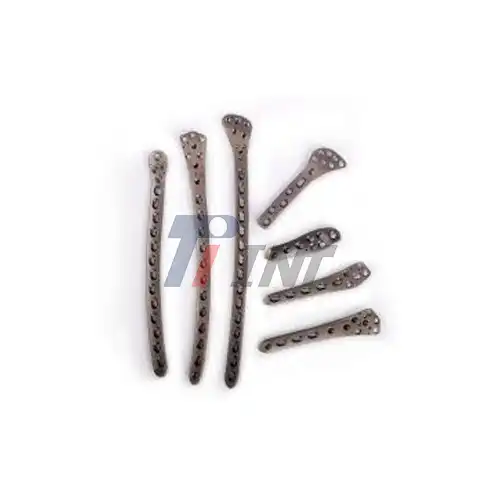
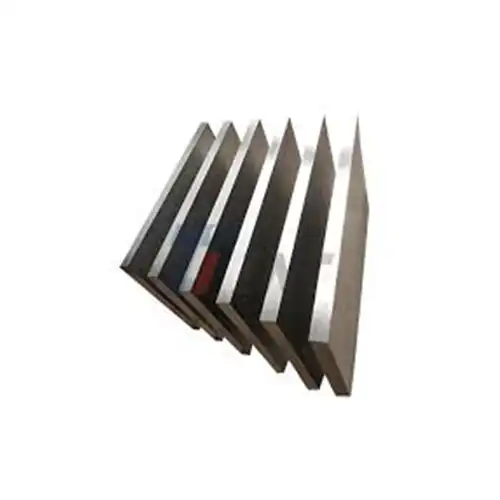
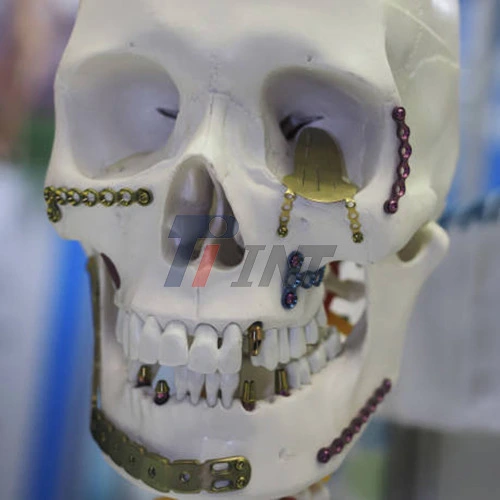
Orthopedic implant manufacturing demands materials that perform flawlessly inside the human body—decade after decade. The Gr2 titanium medical bar has become the go-to raw material for instrument makers and implant producers worldwide, and for good reason. Commercially pure Grade 2 titanium delivers a rare combination of biocompatibility, corrosion resistance, and machineability that stainless steel simply cannot match. Whether your workshop is forging bone-plate blanks, CNC-turning shaft handles, or grinding working-end components, understanding why this material dominates orthopedic production helps you make smarter procurement decisions from the start.
|
|
|
Understanding GR2 Titanium Medical Bars and Their Medical Properties
What Makes Grade 2 Titanium a Medical-Grade Material?
Commercially Pure (CP) titanium, which is Grade 2 titanium, is controlled by ASTM F67 and ISO 5832-2, which are the two most important standards for implanted metals. Its modulus of elasticity is about 105 GPa, which is much higher than stainless steel 316L's (about 200 GPa) and much closer to that of human cortical bone (15–25 GPa). This close mechanical connection lowers stress buffering, a well-known clinical issue where stiff implants take on load that bone should carry, leading to slow bone loss around the implant site.
Key Physical and Chemical Specifications
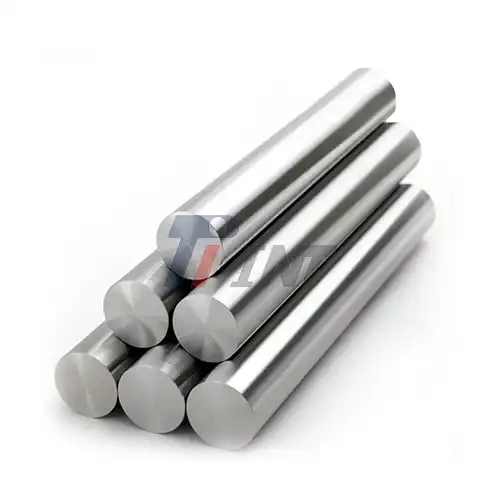
The main features of our Gr2 titanium medical bar at Baoji INT Medical Titanium Co., Ltd. are shown in the table below:
| Specification | Details |
|---|---|
| Material Grade | Gr2 (Commercially Pure Titanium) |
| Density | 4.51 g/cm³ |
| Tensile Strength | 345 MPa |
| Yield Strength | 275 MPa |
| Elongation | 20% |
| Corrosion Resistance | Good—not easily damaged by body fluids |
| Fatigue Resistance | High Resistance to Fatigue |
| Certifications | ISO9001:2015, ISO13485:2016, EU CE |
Importantly, Grade 2 CP titanium doesn't have any vanadium or aluminum in it, which are parts of Ti-6Al-4V (Grade 5) that can cause harmful reactions in people who are sensitive. Gr2 titanium medical bar is manufactured from this same high-purity material, and its surface forms a stable TiO₂ passive oxide layer on its own, which stops ions from leaching into nearby flesh and meets the biocompatibility standards set out in ISO 10993.
Advantages of Using GR2 Titanium Medical Bars in Orthopedic Implant Production
Why Instrument Manufacturers Prefer CP Titanium Over Stainless Steel
A medical tool made of stainless steel 316L has been used for many years, but it is about 75% heavier than Grade 2 titanium, which has a density of 4.51 g/cm³. For companies that make tools, retractor handles, and bone-plate shafts, that difference in weight has a direct effect on how tired surgeons are and how comfortable it is for patients to recover.
Here are the main production benefits this material gives workshops that make orthopedic instruments:
- Excellent biocompatibility ensures patient safety: Grade 2 titanium meets international medical standards under ASTM F67 and ISO 5832-2, which means it is nontoxic and non-cytotoxic—critical for implants that will stay in the body for years.
- Lightweight yet structurally robust: CP titanium is about half as dense as stainless steel, so it makes instruments lighter without sacrificing their strength, allowing designers to make more precise tooling geometries.
- Outstanding corrosion resistance in physiological environments: The self-regenerating TiO2 oxide layer doesn't break down in blood, saline, and other aggressive body fluids, extending the service life of finished implant components.
- Superior fatigue resistance for cyclic-load applications: Bone screws, shaft handles, and trauma fixation parts are put under repeated mechanical stress. The fatigue properties of grade 2 titanium maintain material integrity across long operational cycles.
- High ductility for complex forming operations: The material can be stretched by 20%, accommodating forging, bending, and CNC profiling without micro-cracking—a practical advantage for multi-step production lines.
- Customizable diameter and length tolerances: Precision-ground bars with a h9 or h7 tolerance give high-speed CNC lathes the consistent sizes they need for tight-tolerance instrument components.
These advantages translate directly into fewer material-related rejections on the production floor and better compliance documentation when your customers do factory audits. For OEM manufacturers supplying European and North American markets, using Gr2 titanium medical bar as the primary raw material ensures that this combination is not optional—it is a baseline requirement.
Comparing GR2 Titanium Medical Bars with Alternative Materials
When making hip implants, choosing the right material isn't always easy. Different factors, such as budget constraints, complicated designs, and government rules, all push in different ways. Buying teams can make better decisions about where to spend money when they know where Grade 2 titanium stands in relation to its closest competitors.
Per-kilogram, stainless steel 316L is still a reasonable price, and it's easy to find in most markets. However, its nickel content (10–14%) has been linked to sensitization in nickel-allergic patients, and its high stiffness makes it more likely that it will protect against stress in load-bearing uses. For manufacturers supplying implant components to markets with strict biocompatibility rules, these limitations create downstream liability.
Ti-6Al-4V ELI (Grade 23) has a much higher tensile strength—at least 860 MPa—which makes it the best choice for high-load applications like acetabular cups and femoral stems. In contrast, Grade 2 does well when moderate strength, high ductility, and MRI compatibility are important. Because it isn't magnetic, it doesn't cause as much ghost interference in MRI and CT scans after surgery, which is something that stainless steel implants cannot always do.
Niobium is sometimes used in specialty implant designs because it is radiolucent, but it doesn't have the same clinical history, global supply system, or low cost as CP titanium. For instrument-body shafts, working-end blanks, and handle stock—the everyday production requirements of a 50–200-person surgical instrument facility—Gr2 titanium medical bars remain the most practical and cost-effective choice available.
How to Procure GR2 Titanium Medical Bars Effectively
Documentation, Lead Times, and Supplier Qualification
It takes more than just comparing price sheets to find medical-grade titanium bars internationally. Managers of procurement must make sure that every package comes with a Material Test Report (MTR) that meets the requirements of EN 10204 3.1, documenting the heat number, chemical makeup, mechanical test results, and compliance with the standard—and this is especially critical when sourcing Gr2 titanium medical bar, as its purity and traceability directly affect biocompatibility validation. Without traceable MTRs, clearing customs and passing customer plant checks becomes an avoidable problem.
Qualified suppliers should keep stock across Gr1, Gr2, and Gr4 specifications in common diameters, with standard lead times of 3–4 weeks and the flexibility to split orders with more than one specification into manageable batch sizes. MOQ freedom is especially important for smaller workshops managing diverse customer orders simultaneously.
Future Trends in Orthopedic Implant Materials
The world of prosthetic products is changing. In clinical trials, surface treatment technologies like micro-arc oxidation and hydroxyapatite coatings put on top of CP titanium substrates are making it easier for the bones to fuse together. With additive manufacturing, patient-specific implant shapes are now possible that were impossible with traditional casting.
But the bar stock that goes into these more advanced processes still has to meet the basic requirements: certified chemistry, consistent grain structure, and traceable paperwork. As these new technologies get better, Grade 2 CP titanium will still be the best base because it is biologically inert and easy to work with, accommodating new manufacturing routes without requiring a full materials overhaul.
Conclusion
Grade 2 commercially pure titanium has been used to make orthopedic instruments and implants for decades, and there is a lot of clinical evidence to back this up. Its low modulus, lack of cytotoxicity, high rust resistance, and consistent machineability make it the best raw material for shops that make bone screws, retractor shafts, tools, and trauma fixation blanks—and for applications requiring Gr2 titanium medical bar, this same grade offers the ideal combination of formability and strength in long-length stock forms.
As rules about compliance get stricter in North American and European export markets, sourcing from a certified, experienced seller who can provide all the paperwork needed is not merely advisable—it is commercially necessary for manufacturers who want to remain competitive and audit-ready.
FAQ
What is the difference between Gr2 and Gr5 titanium for orthopedic applications?
Grade 2 titanium is commercially pure and has better biocompatibility and flexibility, making it the best choice for parts that need to be shaped and work with MRIs. Grade 5 (Ti-6Al-4V) has a better tensile strength and is good for structural implants that will be loaded with weight. Grade 2 is usually the right standard for surgical tool shafts and handles that need to be flexible and safe for tissue.
What certifications should accompany a medical titanium bar shipment?
Every shipment should include an EN 10204 3.1 Material Test Report with a traceable heat number, an ASTM F67 or ISO 5832-2 compliance statement, and supplier-level ISO 13485:2016 certification. Getting EU CE safety certification as a manufacturer further validates production quality management.
Is Grade 2 titanium MRI compatible?
Yes. Grade 2 CP titanium is not magnetic and causes little artifact interference in MRI and CT scans. This is a big clinical advantage over stainless steel implants, which can change the diagnostic images used after surgery.
What surface finish is standard for CNC machining operations?
For high-speed CNC lathe work, precision-ground or centerless-ground bars with a diameter tolerance of h9 or h7 and a surface roughness of Ra < 0.8 µm are always used. This finish gets rid of the tarnished skin layer and ensures dimensional consistency.
Can titanium bars be supplied in custom diameters and lengths?
Yes. Reputable suppliers offer customizable sizes and lengths to fit specific production tooling requirements, reducing material waste and secondary preparation work on the shop floor.
Partner With Baoji INT Medical Titanium Co., Ltd. for Certified Titanium Bar Supply
Baoji INT Medical Titanium Co., Ltd.—founded in 2003 with over 30 years of titanium industry expertise—supplies certified Gr2 titanium medical bar stock trusted by surgical instrument manufacturers across four continents. Every bar ships with full MTR documentation, ISO 9001:2015, ISO 13485:2016, and EU CE compliance, within standard 3–4 week lead times. Reach our team at export@tiint.com or visit inttitanium.com to request specifications, samples, or a competitive quote today.
References
1. ASTM International. ASTM F67: Standard Specification for Unalloyed Titanium for Surgical Implant Applications. ASTM International, 2013.
2. ISO. ISO 5832-2: Implants for Surgery — Metallic Materials — Part 2: Unalloyed Titanium. International Organization for Standardization, 2018.
3. Geetha, M., et al. "Ti Based Biomaterials, the Ultimate Choice for Orthopaedic Implants." Progress in Materials Science, 2009.
4. Niinomi, M. "Mechanical Biocompatibilities of Titanium Alloys for Biomedical Applications." Journal of the Mechanical Behavior of Biomedical Materials, 2008.
5. Rack, H. J., and Qazi, J. I. "Titanium Alloys for Biomedical Applications." Materials Science and Engineering: C, 2006.
6. Bauer, S., et al. "Engineering Biocompatible Implant Surfaces." Progress in Materials Science, 2013.