


 2025-12-19 08:32:10

Understanding Titanium Plates in Brain Surgery
The Role of Titanium Plates in Neurosurgery
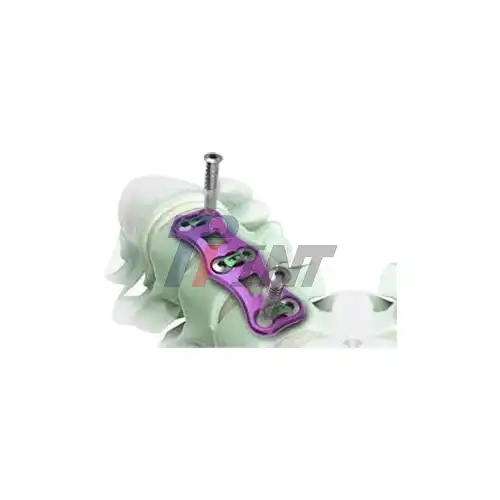
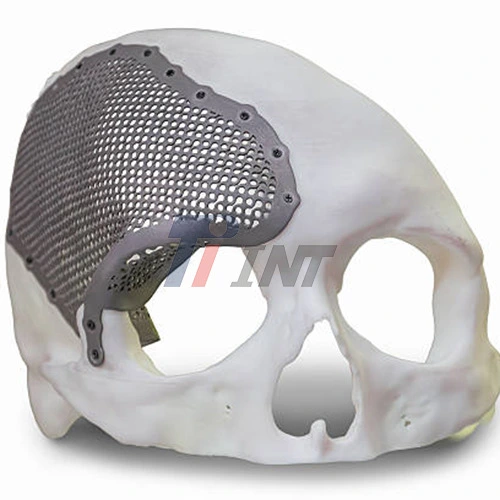
Titanium plates play a vital part in different neurosurgical methods, especially in cranial remaking and brain surgery. These plates serve as a basic bolster framework, making a difference to ensure the brain and keep up the astuteness of the cranium taking after surgical intercessions. The utilize of titanium in these restorative gadgets is not self-assertive; it's a choice sponsored by broad inquire about and clinical involvement.
One of the primary advantages of using titanium plates in brain surgery is their exceptional biocompatibility. This characteristic guarantees that the body's safe framework is less likely to dismiss the embed, lessening the chance of post-operative complications. The biocompatibility of titanium also contributes to faster healing and recovery times for patients undergoing brain surgery.
Benefits of Titanium Plates in Neurosurgical Applications
The benefits of titanium plates in neurosurgical applications extend beyond their biocompatibility. These plates are renowned for their lightweight yet extremely durable nature. This unique combination allows surgeons to provide robust support to the skull without adding unnecessary weight, which is particularly important in delicate brain surgeries.
Moreover, titanium plates boast an impressive corrosion resistance, ensuring their longevity and reliability even in the challenging environment of the human body. This property is crucial for long-term patient safety and reduces the need for revision surgeries due to implant deterioration.
Another significant advantage is the high strength-to-weight ratio of titanium plates. This characteristic allows for flexibility in surgical procedures, enabling surgeons to use these plates in various applications without compromising on strength or adding excessive bulk. The excellent fatigue resistance of titanium further enhances the durability of these plates, maintaining their structural integrity over time and under stress.
Customization and Reliability in Critical Medical Environments
One of the most valuable features of titanium plate brain surgery is their customizability. Neurosurgeons can tailor these plates to suit specific surgical needs, ensuring a precise fit and optimal functionality for each patient. This level of customization is particularly beneficial in complex cranial reconstructions where the shape and size of the plate can significantly impact the surgical outcome.
The reliability of titanium plates in critical medical environments cannot be overstated. These devices have proven their performance time and again in high-stakes neurosurgical settings. Their consistent performance under pressure provides surgeons with the confidence they need when performing life-changing procedures.
It's worth noting that reputable manufacturers, such as Baoji INT Medical Titanium Co., Ltd., ensure their titanium plates for brain surgery meet rigorous quality standards. All products undergo stringent testing and certification processes, including ISO9001:2015, ISO13485:2016, and EU CE safety certification. These certifications serve as a testament to the product's quality and reliability, providing additional assurance to both medical professionals and patients.
The Recovery Process: What Patients Can Expect
Immediate Post-Operative Care
The recovery process following brain surgery with titanium plate implantation begins in the immediate post-operative period. Patients typically spend several days in the hospital under close medical supervision. During this time, healthcare professionals monitor vital signs, manage pain, and watch for any signs of complications.
Patients may experience some discomfort and swelling around the surgical site, which is normal and typically managed with medication. The lightweight nature of titanium plates helps minimize additional stress on the healing tissues. The excellent biocompatibility of these plates also contributes to reducing the risk of post-operative infections or adverse reactions.
Long-Term Recovery and Follow-Up Care
As patients transition to long-term recovery, they can expect a gradual improvement in their condition. The high strength-to-weight ratio of titanium plates provides robust support to the skull while allowing for natural healing processes. This balance is crucial for optimal recovery outcomes.
Follow-up appointments are an essential part of the recovery process. These visits allow surgeons to monitor the healing progress and ensure the titanium plate is functioning as intended. The corrosion-resistant nature of titanium plates means that they maintain their integrity over time, providing long-term stability and support.
Patients may need to follow certain precautions during their recovery, such as avoiding strenuous activities or impacts to the head. The durability and fatigue resistance of titanium plate brain surgery offer an added layer of protection, but it's still important to follow medical advice to ensure proper healing.
Potential Challenges and How to Address Them
While titanium plates significantly enhance the recovery process, patients may still face some challenges. These could include temporary cognitive effects, changes in sensation, or physical limitations. It's important for patients to communicate any concerns or unusual symptoms to their healthcare team promptly.
The customizable nature of titanium plates allows for adjustments if needed, ensuring optimal fit and function throughout the recovery process. This flexibility can be particularly beneficial if any issues arise during healing.
Rehabilitation may be a part of the recovery journey for some patients. The reliable performance of titanium plates in critical medical environments provides a stable foundation for rehabilitation efforts, allowing patients to focus on regaining function and improving their quality of life.
Advancements in Titanium Plate Technology for Brain Surgery
Innovations in Material Science
The field of titanium plate technology for brain surgery is continually evolving, with ongoing advancements in material science leading the way. Researchers and manufacturers are exploring new titanium alloys and surface treatments to further enhance the performance of these crucial medical devices.
One area of focus is improving the osseointegration properties of titanium plates. By modifying the surface structure of the plates at a microscopic level, scientists aim to promote better bonding between the implant and the surrounding bone tissue. This could lead to even faster healing times and improved long-term stability.
Another exciting development is the exploration of biodegradable titanium alloys. These innovative materials could potentially offer temporary support during the critical healing phase and then gradually dissolve, eliminating the need for a permanent implant. While still in the experimental stages, this technology holds promise for reducing the need for follow-up surgeries to remove plates once healing is complete.
Advanced Manufacturing Techniques
The manufacturing processes for titanium plates are also seeing significant advancements. Precision engineering techniques, such as computer-aided design (CAD) and computer-aided manufacturing (CAM), allow for the creation of highly customized plates that perfectly match a patient's anatomy.
3D printing technology is revolutionizing the production of titanium plate brain surgery. This additive manufacturing technique allows for the creation of complex geometries that would be difficult or impossible to achieve with traditional manufacturing methods. 3D-printed titanium plates can be designed with intricate internal structures that promote tissue integration while maintaining strength and durability.
These advanced manufacturing processes also contribute to maintaining consistent product quality. By utilizing state-of-the-art techniques, manufacturers can ensure that each titanium plate meets exact specifications, providing surgeons with reliable tools for critical procedures.
Future Prospects and Ongoing Research
The future of titanium plates in brain surgery looks promising, with ongoing research focusing on several key areas. One exciting prospect is the development of "smart" titanium plates embedded with sensors. These advanced implants could potentially monitor healing progress, detect early signs of infection, or even deliver targeted medications.
Researchers are also exploring ways to combine titanium plates with regenerative medicine techniques. By incorporating growth factors or stem cells into the plate design, it may be possible to enhance the body's natural healing processes and promote faster recovery.
As our understanding of the brain and its mending forms proceeds to develop, we can anticipate to see assist refinements in titanium plate innovation. These progressions will likely center on moving forward understanding results, decreasing recuperation times, and minimizing the chance of complications.
The ceaseless development in this field underscores the significance of choosing high-quality, mechanically progressed titanium plates for brain surgery. Companies at the cutting edge of these improvements, like Baoji INT Therapeutic Titanium Co., Ltd., play a significant part in bringing these progressions from the research facility to the working room, eventually profiting patients experiencing complex neurosurgical methods.
Conclusion
Titanium plates have revolutionized brain surgery, offering patients improved outcomes and faster recovery times. As technology continues to advance, we can expect even more innovative solutions in this field. For those seeking more information about high-quality medical titanium products, including titanium plate brain surgery, don't hesitate to reach out to industry experts. Contact Baoji INT Medical Titanium Co., Ltd. at export@tiint.com for detailed information on their range of medical titanium solutions.

_1755062427525.png)
_1752820927376.webp)
_1752463324629.webp)
_1751620280646.webp)