
Titanium Welding Wire Buying Guide 2026


 2026-03-31 14:56:34
The Titanium Welding Wire market in 2026 presents unprecedented opportunities for medical device manufacturers, aerospace companies, and precision engineering firms seeking superior joining solutions. This comprehensive buying guide addresses critical procurement challenges faced by purchasing managers and R&D engineers when sourcing high-grade titanium filler materials. Understanding the nuanced specifications, certification requirements, and supplier landscape becomes essential for maintaining competitive advantages in industries where material integrity directly impacts product performance and regulatory compliance.
|
|
|
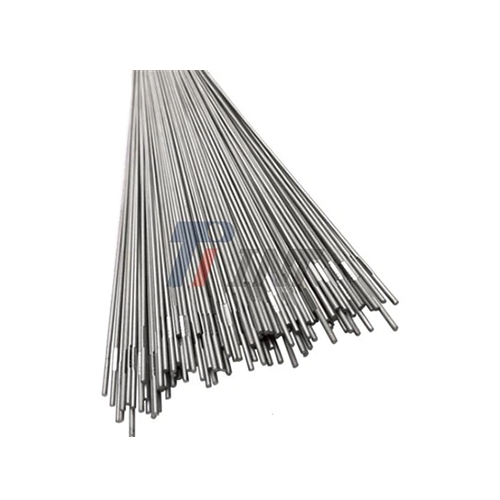
Understanding Titanium Welding Wire: Properties, Types, and Applications
In 2026, the Titanium Welding Wire market will offer medical device makers, military companies, and precision engineering firms looking for better ways to join things never before seen. This complete buying guide solves the most important problems that purchasing managers and R&D engineers face when they need to find high-quality Titanium Welding Wire materials. It's important to know the different standards, certifications, and suppliers in order to stay ahead of the competition in fields where material quality has a direct effect on product performance and following the rules.
Chemical Composition and Purity Standards
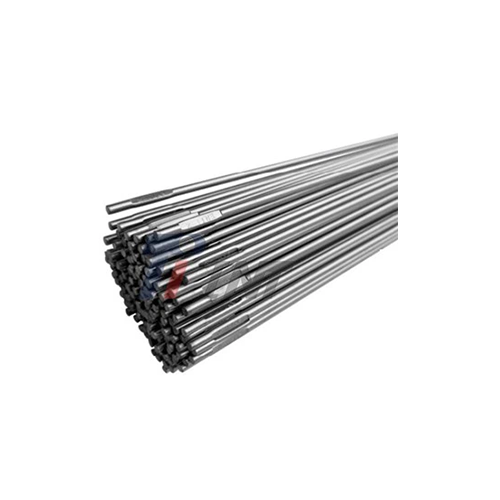
Vacuum-arc remelted (VAR) billets are the building blocks of high-quality titanium filler wire because they keep strict interstitial element control. Nitrogen and hydrogen levels usually stay below 0.05% and 0.015%, respectively. Oxygen levels stay below 0.20%. This exact chemical balance stops the formation of alpha-case, a thin, rigid layer on the surface that weakens welds in high-stress situations.
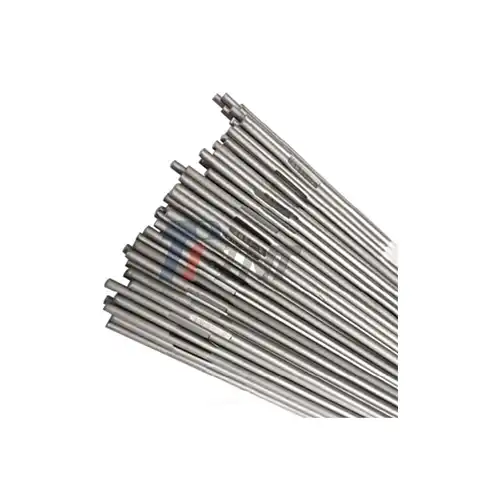
When top factories make things, they use systems that keep an eye on the elements' make-up all the way through the production cycle. The wire that was made has the same mechanical qualities from 0.035" to 0.125" in diameter, and it meets the AWS A5.16/A5.16M standards for titanium welding supplies.
Grade Classifications and Performance Characteristics
Industry-standard types of titanium wire meet the needs of a wide range of applications. ERTi-2 is commercially pure titanium that can be used in chemical processing equipment. ERTi-5, on the other hand, is stronger titanium that can be used in aircraft structure parts. The ERTi-23 extra-low interstitial (ELI) version has the better ductility and fracture hardness needed to make medical implants.
Each grade level has its own set of mechanical features that affect how well the joint works in real-world situations. ERTi-7 has palladium added to it, which makes it more resistant to crevice corrosion in harsh chloride conditions. This makes it useful for naval uses and desalination systems.
Critical Applications Across Industries
Manufacturing medical devices is the most difficult use case for Titanium Welding Wire because biocompatibility and precise welding skills are key to making the product work. When making surgical instruments, you need wire types that don't rust during sterilization processes and keep their sharp cutting edges.
Titanium's high strength-to-weight ratio is used in aerospace uses to make parts that have to handle extreme temperature changes and cyclic loads. Jet engine fan blades, compressor housings, and parts of the hydraulic system rely on joints that are soldered together and stay strong at temperatures ranging from -200°C to 400°C.
How to Use Titanium Welding Wire: Welding Process and Best Practices
For titanium welding to go well, the surroundings must be carefully controlled and contamination must be avoided. Titanium is more volatile than ferrous materials above 800°F (427°C), so it needs to be handled in a certain way to keep the liquid weld pool from getting contaminated by air.
Equipment Setup and Environmental Controls
For a welding station to be set up correctly, it needs to have full gas shielding systems that cover both the weld pool and the cooling heat-affected zone with argon. The busy welding area is protected by primary shielding, and the inert atmosphere is covered by following shields until temperatures drop below critical levels.
The cleaning of the welding room has a direct effect on the quality of the joint, so the base materials and filler wire surfaces need to be thoroughly degreased. Chemical cleaning or mechanical descaling get rid of surface particles that could add impurities during the fusion process. Backing plates made of stainless steel are needed for work areas so that iron doesn't get on them through touch.
Process Parameters and Technique Optimization
The choice of amperage strikes a balance between the need for entry and the amount of heat that can be put in without making the heat-affected zone too big. Travel speeds are usually between 8 and 12 inches per minute, but they depend on the width of the joint and the shape of the bead that is wanted. Controlling the temperature during the interpass keeps the features of the material stable by stopping grain growth in the base metal structure.
To get uniform bead shape without making holes or problems with incomplete fusion, wire feed rates need to be precisely calibrated. Adaptive settings in modern welding systems keep an eye on the arc's properties and change parameters automatically to keep conditions at their best throughout the welding process.
Quality Assurance and Inspection Protocols
Visual inspection, measuring dimensions, and non-destructive tests are all used in post-weld inspection processes to make sure the integrity of the joint. Radiographic examination finds internal fissures or missing fusion areas that hurt the structure's performance, while penetrant testing finds cracks on the surface.
Material tracking records, standards for welding procedures, and proof of welder certification are some of the documents that are needed for medical device uses. These quality control systems make sure that results are the same from one batch of production to the next while also meeting legal requirements.
Titanium Welding Wire vs. Alternatives: Making the Right Material Choice
When choosing a material, it's important to think about its performance, how much it will cost, and how it will be used in the long run. Multiple evaluation factors are used to compare Titanium Welding Wire to stainless steel, aluminum, and special superalloy replacements.
Performance Comparison Analysis
Titanium has much better strength-to-weight ratios than stainless steel options, giving you the same mechanical qualities for about 40% less weight. In aerospace uses, where every pound saved means better fuel economy and more payload capability, this benefit is very important. Comparing titanium's corrosion protection shows that it works better in chloride settings than stainless steel types do, where corrosion can happen in pits and cracks. Titanium's passive oxide layer helps marine uses and chemical processing equipment because it heals itself when it gets harmed.
Cost-Benefit Evaluation Framework
The initial cost of materials for titanium wire is three to eight times higher than those for stainless steel options, based on the grade and the market. Lifecycle cost analysis, on the other hand, usually favors titanium because it needs less upkeep, lasts longer, and doesn't need protection coating systems. Processing costs are affected by things like the need for specialized welding techniques, air controls, and quality assurance standards, all of which make manufacturing more difficult. These things need to be weighed against the rewards in performance and the rules that are specific to each application area.
Market Pricing Dynamics and Trends
The cost of raw materials changes based on how much titanium sponge can be made around the world and how much demand there is in the aircraft business. Price changes can happen temporarily when there are problems in the supply chain. This is why having long-term relationships with suppliers is important for stable buying. Regional production skills affect how prices are set, and established makers offer competitive benefits through economies of scale and technical know-how. Emerging markets offer cheaper options, while well-known suppliers offer quality that has been tested and expert help that is available.
How to Choose and Buy Titanium Welding Wire: Procurement Criteria and Supplier Insights
Systematic approaches to supplier evaluation—examining technical capabilities, quality management systems, and long-term reliability—are essential for successful procurement of medical-grade materials. Medical device manufacturers require suppliers, including those providing Titanium Welding Wire, who demonstrate regulatory expertise and maintain comprehensive documentation practices.
Quality Assessment Criteria
Certification compliance is the basis for judging a company. For example, ISO 13485:2016 medical device quality management certification shows a structured way of controlling quality. FDA licensing and CE marks show that a product meets the rules that are necessary for medical uses. Material certifications must include mill test records that show the material's chemical make-up, mechanical qualities, and information on how it can be tracked. Suppliers should show proof that their products meet the requirements of ASTM, AWS, and AMS standards that are important to the uses that the products are meant for.
Supplier Capability Evaluation
A manufacturing capacity review looks at how much can be produced, how flexible delivery options are, and how readily available technical help is. Suppliers with specific production lines for medical materials have an edge because they can control the processing more carefully and take steps to avoid contamination. Delivery times and transportation prices are affected by geographical distribution, especially when buying things from other countries. Established sellers keep track of their goods in ways that balance how much it costs to store high grade materials with how easy it is to get them.
Procurement Strategy Development
When you work with the same provider for a long time, you can get reliable quality, expert help, and priority handling when supplies are low. When judging a supplier, you should look at how stable their finances are, how much they spend in new technology, and how committed they are to ongoing improvement projects.
Diversifying your suppliers, managing your goods strategically, and offering different grade qualification programs are all ways to lower your risk. These methods make sure that the supply stays steady while keeping up the quality standards that are needed for important uses. Baoji INT Medical Titanium Co., Ltd. is a good example of a supplier that can do everything needed to make medical devices. They have been in the titanium business for over 20 years, are ISO 13485:2016 certified, and have full traceability systems that help them meet regulatory requirements.
Conclusion
Titanium Welding Wire procurement in 2026 requires a deep knowledge of material specs, supplier capabilities, and application needs that lead to the best performance outcomes. Medical device makers, military companies, and precise engineering firms have to keep strict quality standards while balancing the need for technical performance with the need to save money. For buying strategies to work, they need to focus on long-term relationships with suppliers, thorough quality assessment processes, and organized risk management methods that make sure materials are always available and perform reliably across a wide range of application needs.
FAQ
Q1: What factors drive titanium welding wire pricing in 2026?
A: The main thing that affects prices is the cost of raw materials. The market is also affected by the production capacity of titanium sponge and the demand cycles in the aircraft business. Processing prices change a lot between suppliers because of how complicated the product is to make, the grade standards, and the quality certification needs. Supply chain operations, especially when buying things from other countries, add to the cost by requiring more shipping and handling.
Q2: How can buyers verify titanium welding wire meets specific technical requirements?
A: Verification starts with material certification paperwork, which includes mill test papers that list the chemical make-up and mechanical qualities of the material. Third-party testing services independently check important features, and provider quality control systems show that production can be done consistently. Sample testing programs make it possible to confirm how well welding works in real-world industrial settings.
Q3: What safety protocols are essential when welding with titanium wire?
A: During welding, environmental control systems must provide full argon protection to keep the air from becoming contaminated. When arc welding, personal safety equipment includes the right eye and nose protection for metal fumes and arc welding processes. Cleanliness rules for the work area keep the iron from getting dirty, which could affect the quality of the weld and the features of the material.
Q4: Which titanium wire grades work best for medical device applications?
A: The widely pure titanium ERTi-2 is very biocompatible and can be used in basic medical uses. On the other hand, the fracture toughness of ERTi-23 ELI is higher, which is needed for making implants. This grade choice is based on the required mechanical properties. Stronger metals provide better performance but cost more to produce. Certain grades may be needed to get FDA or CE approval, depending on the rules that must be followed.
Partner with Baoji INT Medical Titanium Co., Ltd. for Premium Titanium Solutions
You can trust Baoji INT Medical Titanium Co., Ltd. to give you Titanium Welding Wire that is ISO 13485:2016 approved and meets the strictest standards for making medical devices. We offer a wide range of products, such as ERTi-2, ERTi-5, and ERTi-23 ELI types made from vacuum-arc remelted billets that guarantee high purity and reliable performance. With more than 20 years of experience in the titanium business and full traceability documentation, we offer the technical help and quality assurance methods that are needed to successfully comply with regulations. Get in touch with our technical experts at export@tiint.com to talk about your unique application needs and find out how our proven manufacturing skills can help you make more.
References
1. American Welding Society. AWS A5.16/A5.16M:2018 says, "Specification for Titanium and Titanium Alloy Bare Welding Rods and Electrodes."
2. The International ASTM. "Standard Specification for Titanium and Titanium Alloy Welding Electrodes and Rods." B863-17 from ASTM.
3. Boyer, R.R., and Briggs, R.D. The use of titanium alloys in the aerospace industry was written about in the Journal of Materials Engineering and Performance (Vol. 14, 2005.
4. Zhang, G., and Williams, J.C. April 2007, Springer-Verlag published the second edition of "Titanium: Engineering Materials and Processes."
5. Leyens, C., and Peters, M. Published by Wiley-VCH in 2003, "Titanium and Titanium Alloys: Fundamentals and Applications."
6. Council for Welding Research. From Bulletin 469 in New York in 2001 comes "Welding of Titanium and Its Alloys."
_1755061801114.png)
_1753429871786.webp)
_1752462199458.webp)