
What are titanium discs used for?


 2026-03-31 14:56:36
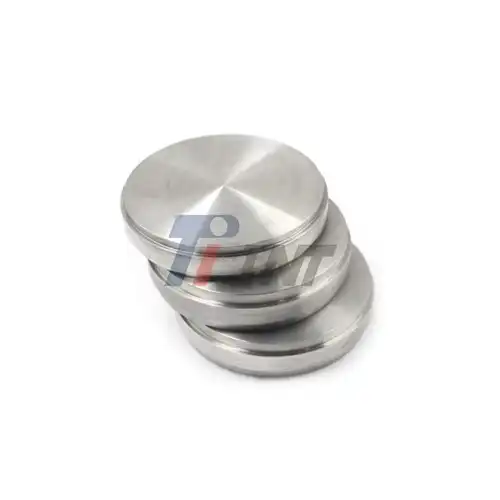
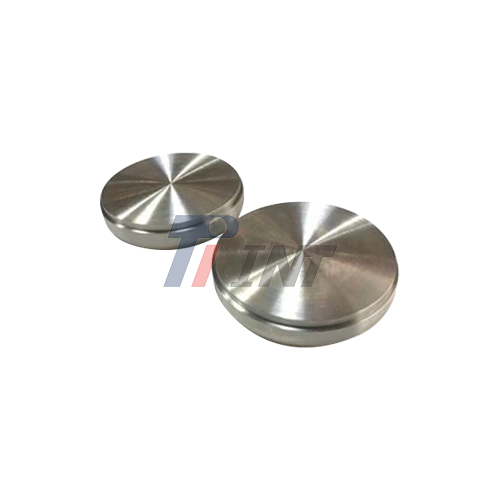
Titanium discs serve as critical components across multiple industries, ranging from aerospace and medical device manufacturing to chemical processing and marine applications. The Gr 1 Titanium Disc stands out as the purest form of commercially pure titanium, offering exceptional corrosion resistance, superior formability, and outstanding biocompatibility. These discs function as substrates for explosive cladding, electrochemical anodes, medical implant components, and pressure vessel linings where material integrity under extreme conditions remains paramount.
|
|
|
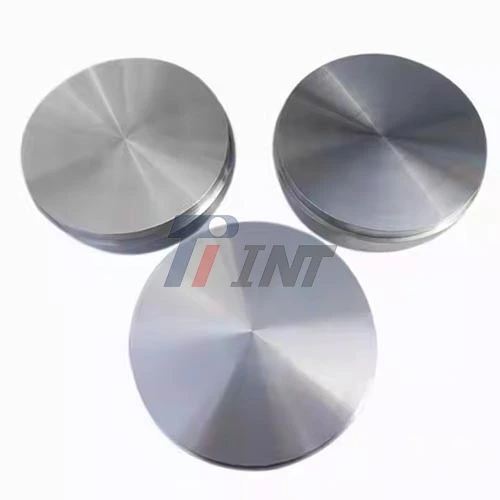
Understanding Grade 1 Titanium Discs: Properties and Specifications
Chemical Composition and Purity Standards
The content of grade 1 titanium is at least 99.5%, making it the most pure of all the commercially pure grades of titanium. Grade 1 titanium is the highest purity level. The Gr 1 Titanium Disc has a very low oxygen content (maximum 0.18%) and a limited amount of iron impurities (maximum 0.20%), both of which have a direct impact on its remarkable ability to bend and avoid corrosion. This particular kind of titanium is the most malleable and straightforward to shape of all the titanium products now available on the market.
In order to guarantee that the quality and performance of titanium discs are consistent at all times, the ASTM B265 standard establishes the principles that should be followed while manufacturing titanium discs. These specifications are used by purchasing professionals in order to establish essential aspects such as dimensional tolerances, surface finish criteria, and mechanical property thresholds for the purpose of quality control.
Mechanical Properties and Performance Characteristics
The mechanical properties of Grade 1 titanium discs are distinct from those of higher-strength titanium alloys. This is due to the fact that Grade 1 titanium discs place a greater emphasis on their ability to be shaped than they do on their capacity to support weight. These discs have a yield strength of 170 MPa and a tensile strength ranging from 240–340 MPa, making them an excellent choice for deep drawing, explosive bonding, or complicated forming operations that need the material to maintain its integrity while it is deforming.
It is possible that the fact that Grade 1 titanium discs do not rust is the most advantageous feature of these discs. Due to the fact that they do not fracture when subjected to chloride stress corrosion and perform exceptionally well in acidic acid conditions, these steels are indispensable for chemical processing jobs that are performed in situations where normal stainless steels fail too quickly.
Industry Certifications and Quality Standards
Producing titanium discs in a manner that adheres to the rules of the American Medical Association (AMS), ISO 9001:2015, and ASTM F67 (for medical applications) guarantees that the discs will fulfill stringent quality standards in a variety of professions. When procurement professionals have these qualifications, they are able to ensure that supplies can be monitored, that quality requirements are fulfilled, and that they adhere to all of the regulations that are necessary for key purposes.
Key Uses and Applications of Titanium Discs
Aerospace and Aviation Applications
Grade 1 titanium discs are used in the aircraft industry for lightweight structural parts where resistance to rust and the ability to be shaped are more important than strength. These discs are used as blanks to make parts for environmental control systems, airplane interior panels, and housings for extra power units. They are very good at resisting salt spray corrosion, which makes them very useful for marine aircraft.
Getting rid of weight is still the main reason why titanium is used in aircraft. A Gr 1 Titanium Disc weighs about 45% less than similar steel parts while still being much more resistant to corrosion. This directly leads to better fuel economy and longer repair intervals.
Chemical Processing and Industrial Applications
Chemical processing plants depend on titanium discs for harsh service tasks where failure of the material could have terrible results. Their very important use is shown by the following examples:
• Explosive Cladding Operations: Grade 1 discs function as flyer plates in explosive bonding processes, creating composite materials for heat exchanger tube sheets and reactor vessel linings. Their high elasticity keeps them from breaking when they are welded at high speeds.
• Electrochemical Systems: In chlor-alkali production and dimensionally stable anode manufacturing, these discs serve as conductive bases for catalytic films. Their electrical conductivity combined with corrosion resistance ensures long-term performance in aggressive electrolyte conditions.
• Pressure Vessel Components: Blind flanges and diaphragms made from Grade 1 titanium discs can handle huge differences in pressure and don't react chemically with process media.
These industrial applications highlight how titanium discs solve fundamental challenges related to equipment reliability and maintenance cost reduction in harsh operating environments.
Medical Device and Biomedical Applications
Grade 1 titanium discs are required for the production of medical equipment because they are able to fulfill the requirements for biocompatibility. They are appropriate for use in implanted devices, surgical instruments, and diagnostic equipment parts due to the fact that they are non-toxic and do not react with bodily fluids.
In medical applications such as craniofacial reconstruction plates, pacemaker housings, and oral implant components, the Gr 1 Titanium Disc may be precisely formed to suit the body of a patient without the danger of fatigue failure. This is possible since the disc is made of titanium. The fact that the material can merge with human tissue and maintain its form for decades makes it a very valuable material for the construction of long-lasting internal gear.
Marine and Offshore Applications
Environmental conditions in marine environments are very challenging because to the high salt content, fluctuating pressure, and the possibility of bacterial fouling. Because they do not rust in salt water and marine creatures are unable to adhere to them, titanium discs are an excellent choice for usage in these kinds of circumstances. Desalination facilities make use of pressure sensor diaphragms, offshore drilling equipment need valve parts, and underground vehicles need instrumentation housings. All of these components are used in the process of drilling.
Comparing Grade 1 Titanium Discs with Other Materials
Grade 1 versus Grade 2 Titanium
The main difference between Grade 1 and Grade 2 titanium is the amount of oxygen in them and how they behave mechanically. Grade 1 has lower oxygen levels (maximum 0.18% vs. 0.25% for Grade 2), which makes it more flexible and easy to shape in cold weather. Gr 1 Titanium Disc products are better for deep drawing because of this difference. Grade 2 products might crack or fail in these jobs.
When making a purchase choice, it's important to know that Grade 1 is easier to machine and has better surface finish options, while Grade 2 provides higher strength for structure uses. Because there isn't much of a difference in cost between grades, the choice of material should be based on performance needs rather than cost.
Titanium versus Stainless Steel Alternatives
An examination of titanium discs in comparison to stainless steel discs reveals that titanium discs perform much better, despite the fact that they initially cost more. Within chloride environments, titanium is superior in its ability to resist rust. To add insult to injury, it weighs forty-five percent less than stainless steel and maintains its properties throughout a larger temperature range. Titanium often has a lower total cost of ownership than stainless steel does because it lasts longer and requires less maintenance. This is despite the fact that stainless steel has a lower initial cost.
When it comes to medical settings, titanium's biocompatibility advantage is particularly beneficial since stainless steel has the potential to produce allergic responses or tissue damage in people who are already sensitive.
Alternative Alloy Considerations
As an alternative to titanium, nickel-based superalloys and copper-nickel alloys have been used for a considerable amount of time under environmental circumstances that are corrosive. In contrast, titanium discs are superior in their ability to withstand certain acidic conditions. Additionally, they are lighter, which is a significant benefit for aviation and portable equipment applications. It is dependent on the circumstances of the task as to which material should be used. Titanium functions most effectively in environments that are oxidizing and at temperatures that are quite low.
How to Procure Grade 1 Titanium Discs Efficiently?
Supplier Evaluation and Quality Assurance
In order to make efficient purchases, it is necessary to thoroughly examine suppliers by taking into consideration their experience in production, quality certifications, and support services provided by experts. It is necessary for competent suppliers to maintain their ISO 9001:2015 certification, demonstrate that they adhere to the relevant ASTM standards, and provide comprehensive material test results that include verification of mechanical qualities and chemical analysis.
It is of the utmost importance to establish connections with titanium producers that possess a great deal of expertise. Titanium suppliers that have a great deal of expertise are acquainted with the techniques necessary to handle and manufacture these materials in a manner that minimizes the occurrence of quality issues and shipment delays, so ensuring that production schedules remain on track.
Minimum Order Quantities and Lead Times
Your ability to plan your purchases and keep better track of your inventory is improved when you are aware of the minimum order quantities and the typical lead times of your suppliers. It is necessary for the majority of enterprises who manufacture titanium discs to place an order for at least 100 to 500 pounds of the discs. The lead times may vary anywhere from six to twelve weeks, depending on the level of complexity of the specs and the amount of demand that is coming in at the moment.
Should you want bespoke specifications, unique surface treatments, or dimensions that are not typical, it is possible that the lead times may be extended and that the minimum order quantity will be increased. In order to keep production moving while also minimizing the costs of retaining supplies, it is helpful to plan procurement cycles around these limits.
Pricing Intelligence and Cutting Costs
Titanium prices fluctuate based on raw material costs, market demand, and production capacity utilization. Establishing long-term supply agreements helps stabilize pricing and ensures availability during peak demand periods. For specific forms like Gr 1 Titanium Disc, volume commitments often secure favorable pricing and priority delivery schedules.
Working closely with providers to get the best specs can save you a lot of money. Making small changes to the required surface finish or limits for dimensions may lower the complexity and cost of manufacturing without affecting performance.
Ensuring Value and Reliability When Using Grade 1 Titanium Discs
Quality Verification and Testing Protocols
To get the most value out of buying Gr 1 Titanium Disc, you need to put in place thorough quality control processes. When you receive new materials, you should check their sizes, look at their surface quality, and look over the mill test records that confirm their chemical make-up and mechanical properties. Ultrasonic screening and other advanced testing methods can find flaws inside a product that could affect its performance in important situations. Setting clear acceptance standards and testing methods with suppliers helps keep quality high and field failures to a minimum.
Proper Handling and Storage Practices
Keeping the purity of materials needs the right way to handle and store them. Titanium discs should be kept in clean, dry places where there is enough space between each piece to keep the surface from getting damaged. Corrosion resistance can be lowered by carbon steel touch or using the wrong cutting tools. This can be avoided by following the right handling procedures. For uses that need certain surface finishing or covering adhesion qualities, keeping the surface in good shape during storage is very important. Protective layers or interleaving materials help keep the quality of the surface even after long periods of keeping.
Future Market Trends and Technological Developments
The uses and abilities of titanium discs are continuing to grow as production methods improve. Using additive manufacturing, you can make shapes that were previously impossible to make with traditional methods. At the same time, better heating and processing technologies make the materials more pure and consistent. Titanium is becoming more popular in uses related to green energy, especially in offshore wind and hydrogen production systems, where its ability to resist rust and light weight are big benefits. By understanding these trends, procurement experts can plan for changes in demand and make good deals with suppliers.
Conclusion
Titanium discs are important parts in many different businesses. Gr 1 Titanium Disc goods are especially useful because they are pure, easy to shape, and resistant to corrosion. By learning about these materials' qualities, how they can be used, and how to buy them, businesses can get the most out of them while minimizing costs and improving performance. To successfully buy titanium discs, you need to build relationships with qualified providers, make sure that quality control processes are followed, and stay up to date on how the market is changing and what new technologies are available.
FAQ
Q1: What distinguishes Grade 1 from other titanium grades?
A: Grade 1 titanium contains the highest purity level among commercially pure grades, with minimum 99.5% titanium content and lower oxygen levels compared to Grades 2, 3, and 4. This results in superior ductility and cold formability, making it ideal for deep drawing and explosive bonding applications where harder grades might crack or fail.
Q2: Can Grade 1 titanium discs be welded effectively?
A: Grade 1 titanium exhibits excellent weldability using TIG or MIG welding processes with proper argon shielding. The material's high purity prevents formation of brittle phases in the heat-affected zone, resulting in strong, corrosion-resistant weld joints suitable for critical applications.
Q3: What temperature limitations apply to Grade 1 titanium discs?
A: While Grade 1 titanium resists oxidation at elevated temperatures, structural applications typically limit operating temperatures to approximately 250°C (480°F) due to significant strength reduction at higher temperatures. But, based on the needs of the product, short-term exposure to higher temperatures may be fine.
Q4: How does biocompatibility affect medical applications?
A: Grade 1 titanium demonstrates excellent biocompatibility and non-toxic properties when manufactured to ASTM F67 specifications. This makes it suitable for implantable medical devices, surgical instruments, and components requiring direct tissue contact without causing inflammatory responses or allergic reactions.
Q5: Why is surface finish critical for electrochemical applications?
A: Surface roughness and finish quality have a direct effect on how well a coating sticks to catalytic uses like anodes that don't change shape. Certain surface processes or managed roughness factors make it easier for precious metal oxide coatings to stick together. This improves the efficiency of catalysts and extends the life of electrochemical systems.
Partner with Baoji INT Medical Titanium Co., Ltd. for Premium Grade 1 Titanium Solutions
Baoji INT Medical Titanium Co., Ltd. stands as your trusted Gr 1 Titanium Disc manufacturer with over 30 years of titanium industry expertise and comprehensive ISO 9001:2015, ISO 13485:2016, and CE certifications. Our advanced manufacturing capabilities deliver precision-engineered titanium discs meeting the most stringent medical, aerospace, and industrial specifications. We provide complete technical support throughout your procurement process, from material selection and custom processing to quality verification and documentation. Contact our technical team at export@tiint.com to discuss your specific requirements and experience the reliability that has built lasting partnerships spanning over a decade with leading manufacturers worldwide.
References
1. American Society for Testing and Materials. Standard Specification for Titanium and Titanium Alloy Strip, Sheet, and Plate. ASTM B265-20a.
2. Boyer, R., Welsch, G., & Collings, E.W. Materials Properties Handbook: Titanium Alloys. ASM International, 1994.
3. Donachie, Matthew J. Titanium: A Technical Guide, 2nd Edition. ASM International, 2000.
4. Froes, F.H. Titanium: Physical Metallurgy, Processing, and Applications. ASM International, 2015.
5. Lutjering, Gerd, and James C. Williams. Titanium: Engineering Materials and Processes, 2nd Edition. Springer-Verlag Berlin Heidelberg, 2007.
6. Semlitsch, M.F., and Willert, H.G. Properties of Implant Alloys for Artificial Hip Joints. Medical and Biological Engineering and Computing, Vol. 18, 1980.
_1772162494331.jpg)
_1753426807653.webp)
_1752821449466.webp)
_1752818317695.webp)