




Top Titanium Implant Bar Uses for Full-Arch Dental Restoration


 2026-10-21 14:56:15
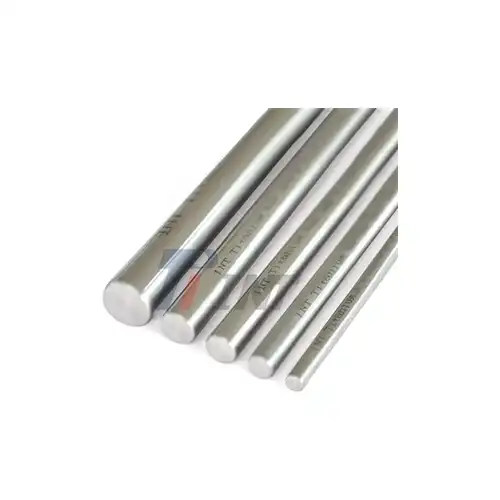
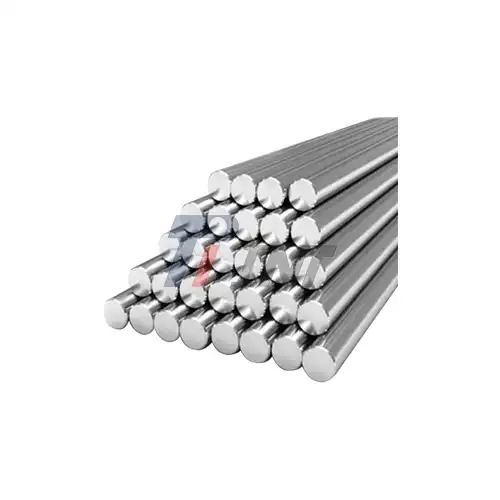
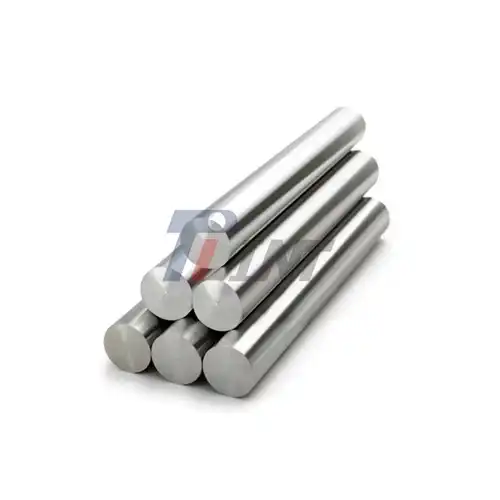
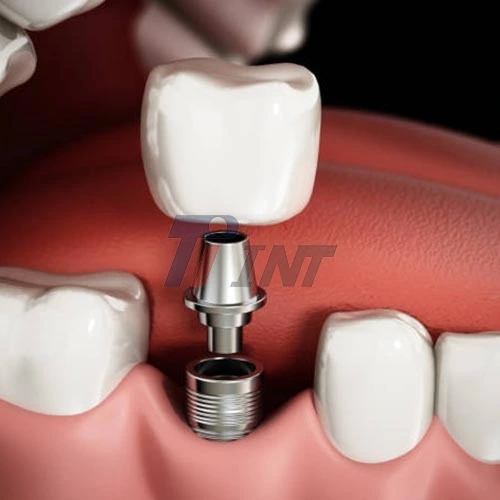
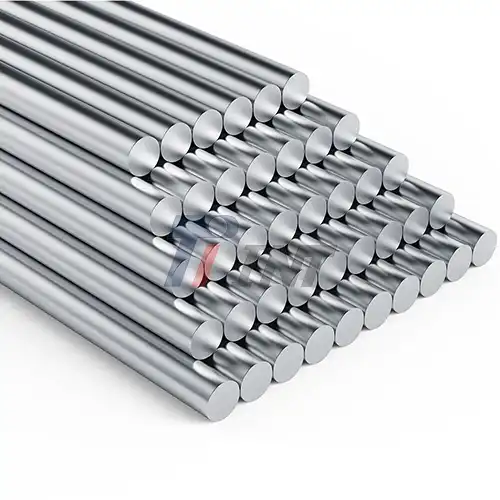
A titanium implant bar is a precision-milled prosthetic substructure that connects multiple dental implants, forming the biomechanical backbone of full-arch restorations. Fabricated from medical-grade Ti-6Al-4V or Ti-6Al-4V ELI alloy, it distributes occlusal forces evenly across implant fixtures, ensuring long-term structural stability.
For B2B procurement professionals sourcing raw titanium bar stock for implant-grade applications, understanding how this component performs clinically is essential. Material selection at the upstream level directly determines downstream prosthetic outcomes, making the choice of titanium alloy grade, dimensional tolerance, and batch traceability a core procurement priority.
|
|
|
Understanding Titanium Implant Bars and Their Role in Full-Arch Dental Restoration
What Makes Titanium the Material of Choice?
Medical-grade titanium alloy, especially Grade 23 (Ti-6Al-4V ELI), has a tensile strength of 860–960 MPa and a mass of about 4.43 g/cm³. This makes it much lighter than cobalt-chrome while still being about as solid. Its naturally occurring TiO₂ passivation layer makes it very resistant to corrosion and neutral to tissues. Importantly, its modulus of elasticity (~110 GPa) is more like human cortical bone than stainless steel. This means that it reduces the stress-shielding effects at the crestal bone contact and helps osseointegration over time.
These features directly affect what dental labs and implant makers need from their raw material supplier: controlled grain structure, consistent chemical makeup, and mechanical repeatability from batch to batch. These requirements are set by ASTM F136 and ISO 5832-3 standards.
Titanium alloy bar stock is better than acrylic, zirconia, or cobalt-chrome options because it is easy to machine, biocompatible, and predictable in the clinic. No other implant-grade material can match this at the same price. Because of this balance, titanium implant bar remains the most common material for milled prosthesis frames around the world.
Top 5 Uses of Titanium Implant Bars in Full-Arch Dental Applications
1. Fixed Hybrid Prostheses (All-on-X Protocols)
In All-on-4 and All-on-6 full-arch therapy, the milled titanium structure holds the acrylic-fused prosthetics in place. It has to be able to handle complex cantilever forces in the back, where bone volume is often lower. When high-grade titanium bar is milled in a five-axis CAD/CAM process, interface tolerances are kept below 10 microns. This ensures a passive fit, which is the most important thing for stopping bone loss at the implant-abutment junction.
2. Removable Overdenture Support Bars
Milled retention bars, like Dolder, Hader, and custom-milled clip systems, need precise titanium bar stock to keep the shape of the attachments the same. These designs make it possible for implants to be placed in a parallel line even when they are more than 30 degrees apart, which is a regular problem in cases of atrophic ridge. The stable dimensions of the raw bar directly affect how long the connection lasts and how comfortable the patient is.
3. Thimble Bar Substructures for Zirconia Superstructures
A titanium base is attached to advanced cosmetic repairs with zirconia crowns that are bonded or screwed onto it. The bending strength and shock-absorbing properties of titanium are used in this combination design, while the optical properties of zirconia are added. The method gets rid of the annoying "clacking" sound that comes from ceramic-on-ceramic contact and greatly lowers the risk of breaking.
4. Immediate Loading Frameworks
Immediate loading methods need frames that can handle full biting force within 24 to 72 hours of implant placement. Titanium implant bar stock that has been milled from approved, uniform material has the wear resistance that is needed during the important window for osseointegration.
Any tiny holes or changes in the makeup of the raw material make it more likely to break when loaded and unloaded repeatedly. That's why procurement teams only buy ASTM F136-compliant materials that come with confirmed mechanical testing certificates.
5. Craniomaxillofacial and Thoracic Plate Blanks
In addition to oral uses, titanium bar stock is used in CNC processes for making gear for craniofacial and thoracic stabilization. Because Grade 5 and Grade 23 titanium have the same biocompatibility, radiolucency compatibility, and fatigue strength, they are the best materials for trauma, spine, and CMF surgery.
These five application pathways show why it is important for raw materials to be consistent. Any difference in composition or size upstream is amplified by each use case downstream. This leads to scrap risk, CNC tool wear, and regulatory documentation gaps.
Comparison of Titanium Implant Bars with Other Materials
The right bar material should be chosen based on the clinical situation, the ability to make the product, and the total cost of ownership. Here is a direct comparison of the most important substrate choices:
- Titanium (Grade 5 / Grade 23) vs. Cobalt-Chrome: Titanium offers lower elastic modulus, superior biocompatibility, and reduced allergy incidence. CrCo requires casting or sintering, introducing dimensional variability that milled titanium avoids. Titanium is the preferred choice for passive-fit critical frameworks.
- Titanium vs. Zirconia: Zirconia delivers superior translucency for anterior aesthetics but is brittle under high flexural loads. Titanium's ductility makes it more suitable for full-arch frameworks subject to complex force vectors. Many labs now combine both — titanium substructure, zirconia superstructure.
- Titanium vs. Gold Alloy: Gold demonstrates outstanding longevity and biocompatibility but carries a cost that renders it commercially unviable for high-volume OEM production. Titanium delivers comparable clinical outcomes at a fraction of the material cost.
- Titanium vs. PEEK: PEEK is emerging in specific low-load applications but lacks the long-term clinical evidence base that titanium carries. ASTM F136 titanium has decades of published human outcomes data supporting its regulatory file.
When procurement teams look at material substitution, they should not only look at the unit cost, but also how it will affect CNC cycle time, tool life, scrap rate, and the amount of paperwork that needs to be filled out for regulations.
Procurement Guide: How to Source Titanium Bar Stock for Implant Applications
To find implant-grade titanium implant bar, you need to work with providers who follow a quality management system that has been proven to work. Some important requirements are ISO 13485:2016 certification, EN 10204 3.1 material certificates, the ability to track a heat number, and chemical and mechanical test results from a third party that are in line with ASTM F136 or ISO 5832-3.
When it comes to practical procurement issues, experienced supply chain directors put a high priority on:
- Batch traceability: Each bar should carry a heat number linked to the mill certificate and COA, supporting full audit trails for device registration submissions.
- Dimensional range: Multi-specification bar inventory — covering diameters typically from 8 mm to 100 mm — enables labs and OEM manufacturers to source consolidated from a single qualified supplier.
- Small-batch flexibility: New product development requires trial quantities without minimum order quantity constraints that disrupt development timelines.
- Audit readiness: Qualified suppliers accept customer SQE audits — on-site or video — and provide complete quality system documentation on request.
These requirements set the standard for any process used to qualify suppliers in a compliant environment for making implants.
Best Practices to Maximize Titanium Implant Bar Performance and Longevity
The quality of the materials used upstream directly affects how well they work downstream. Before committing bar stock to CNC programs, dental labs and implant makers should set up inspection processes that check the mill certificate for hardness, surface finish Ra values, and dimensional limits.
Moving and storing things also matter. Galvanic coupling can damage the inactive oxide layer, so titanium bars should be kept away from places that contain chloride and iron poisoning. When cutting titanium metals, using the right coolant and having tools that are the right shape will keep the surface from becoming too hard and protect important implant-contact areas.
In the future, AI-driven CAD/CAM workflows and real-time material property feedback loops will change how manufacturers check incoming bar stock. As regulatory scrutiny grows around the world, suppliers who invest in digital traceability by connecting electronic mill certificates to batch QR codes will become more and more sought after business partners.
Conclusion
The strength of the titanium implant bar is the most important factor in making a full-arch implant system. From passive-fit fixed hybrids to overdenture retention systems, every clinical outcome that comes after depends on how consistent the chemicals are, how accurate the measurements are, and how each batch can be tracked.
When purchasing teams put ASTM F136 compliance, documented heat traceability, and source audit openness at the top of their list of priorities, they create supply chains that help with both governmental approval and factory efficiency. Choosing a good titanium bar supplier is not a decision about a product; it is a decision about a quality system.
FAQ
What alloy grade is most appropriate for milled dental frameworks?
Because it has less interstitial elements than normal Grade 5, Grade 23 (Ti-6Al-4V ELI) is the standard for implant-contact uses. This is because it is more flexible and less likely to break. ASTM F136 sets the rules for its chemical make-up and mechanical needs. Most companies that make implant frameworks use Grade 23 bar stock as their starting point.
How does batch inconsistency affect CNC machining?
Even if the changes are within the limits of ASTM F136, compositional drift between batches can cause hardness to change by 15–30 HV, which can change the best cutting conditions. This causes tools to wear out faster, measurements to be off, and more scrap to be made. For stable CNC output, the heat-to-heat chemistry must be consistent and the mechanical qualities must be checked.
What documentation is required for regulatory submissions?
Usually, regulatory affairs teams need the mill certificate, COA, EN 10204 3.1 inspection certificate, biocompatibility data reference ISO 10993, and proof that the provider is ISO 13485 certified.
What is the expected service life of a titanium implant framework?
According to clinical studies, titanium implant-supported frameworks have a survival rate of over 90% after 10 to 15 years when made from certified alloy stock and kept up with the right occlusal loading protocols.
Partner with Baoji INT Medical Titanium Co., Ltd. for Certified Titanium Bar Supply
Since 2003, Baoji INT Medical Titanium Co., Ltd. has sold implant-grade titanium bar stock. The company is certified by ISO 13485:2016 and ISO 9001:2015. INT is a confirmed provider of titanium implant bars. They offer ASTM F136/ISO 5832-3 compliant Ti-6Al-4V ELI bars in a range of diameters, along with full EN 10204 3.1 paperwork, heat number tracking, and test results from a third party. It is possible to do small-batch sampling. You can get specifications and start the supplier qualification process by going to inttitanium.com or emailing export@tiint.com.
References
1. Branemark, P-I., et al. Osseointegration and its experimental background. Journal of Prosthetic Dentistry, 1983.
2. Adell, R., et al. A 15-year study of osseointegrated implants in the treatment of the edentulous jaw. International Journal of Oral Surgery, 1981.
3. Chee, W., & Jivraj, S. Efficiency of milled titanium vs. cast gold implant frameworks. British Dental Journal, 2006.
4. Maló, P., et al. All-on-4 immediate-function concept with Brånemark System implants for completely edentulous mandibles. Clinical Implant Dentistry and Related Research, 2003.
5. ASTM International. ASTM F136: Standard Specification for Wrought Titanium-6Aluminum-4Vanadium ELI Alloy for Surgical Implant Applications. ASTM International, 2013.
6. ISO. ISO 5832-3: Implants for Surgery — Metallic Materials — Part 3: Wrought Titanium 6-Aluminium 4-Vanadium Alloy. International Organization for Standardization, 2021.