

What are common applications for 3mm titanium sheets in medical device manufacturing?


 2026-08-04 08:38:21
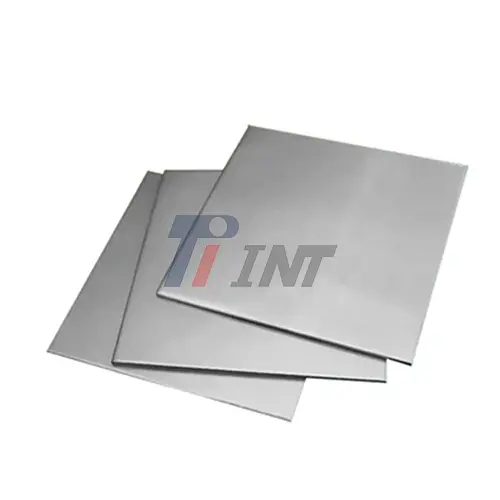
Due to its exceptional mix of mechanical properties and workability, titanium sheet 3mm has become a popular choice in the making of medical devices. The titanium sheet 3mm size is used by companies that make surgical instruments like scalpels and retractors, which need materials that are strong but not too heavy. It is also used by companies that make orthopaedic implants like bone plates and spinal fixation devices, and it is used by companies that make dental tools like abutments and surgery guides. This thickness makes it easy to shape for precise cutting and stamping while still keeping the structural strength needed for medical parts that hold weight. Because they are biocompatible and don't rust, these sheets are essential for devices that will be in contact with body fluids for long amounts of time.
|
|
|
Understanding 3mm Titanium Sheets in Medical Device Manufacturing
Material Properties That Matter
Titanium sheets 3mm are the best for medical uses because they are strong and flexible at the same time. Using this layer of Grade 2 fully pure titanium gives it a tensile strength between 345 and 483 MPa while still being very flexible for shaping. This material reacts regularly to bending, stamping, and laser cutting. It doesn't form tiny cracks that could damage the structure of the device.
Titanium is resistant to corrosion because it can make a stable oxide layer in just milliseconds when it comes in contact with air. This passive film heals itself if it gets scratched, so it can be used for a long time in chloride-rich places like human tissue. Titanium, unlike stainless steel options, keeps its defensive properties even when it is loaded and unloaded many times, which is common in orthopaedic implants.
Why 3mm Thickness Specifically
The choice of thickness has a direct effect on both the ability to make the product and its performance in field trials. Sheets less than 2mm don't have the structural strength needed for load-bearing uses, and materials thicker than 5mm get harder to work with and weigh more than they need to. The titanium sheet 3mm size lets manufacturers get close tolerances when CNC cutting while still leaving enough material for thread-tapping processes used in modular implant systems.
Another important thing to think about is how heat is lost during sterilisation processes. Autoclave methods that hit 134°C put stress on metal parts through thermal stress. The titanium sheet 3mm shape spreads heat out evenly, which keeps the material from twisting or changing sizes in ways that could affect how well the device fits and works. This thermal stability is very important for surgical tools that are used more than once and have to go through many sterilisation processes during their lifetime.
Chemical Composition and Biocompatibility
Medical-grade titanium sheets 3mm have minor elements that are carefully controlled to make the body respond best. The iron percentage stays below 0.25%, and the oxygen amounts are changed to keep the strength and ductility in balance. These rules over the material's make-up make sure it meets ASTM F67 standards for medical implants and ASTM B265 standards for titanium sheets in general.
Titanium is chemically neutral, so the body's defence system can directly touch the implant without fibrous encapsulation. Because they can fuse with bone, titanium sheets 3mm are perfect for tooth implant parts and craniofacial repair plates, where long-term tissue integration is key to clinical success. During sheet production, surface roughness factors can be changed to improve cell binding for certain uses.
Common Applications of 3mm Titanium Sheets in Medical Device Manufacturing
Orthopedic Implants and Fixation Systems
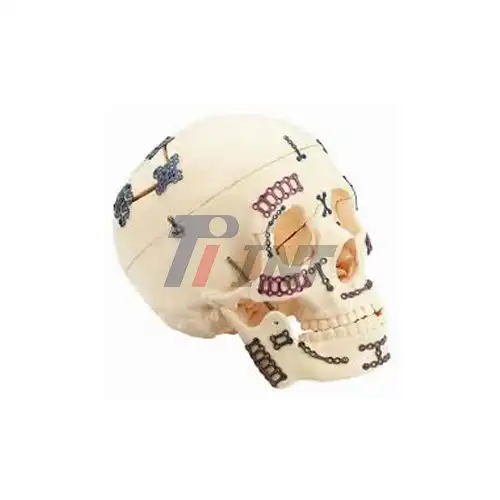
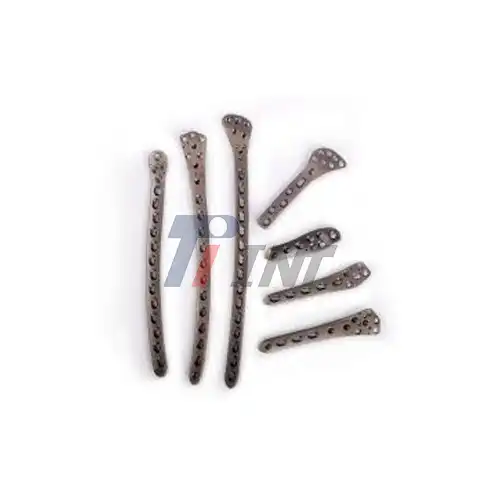
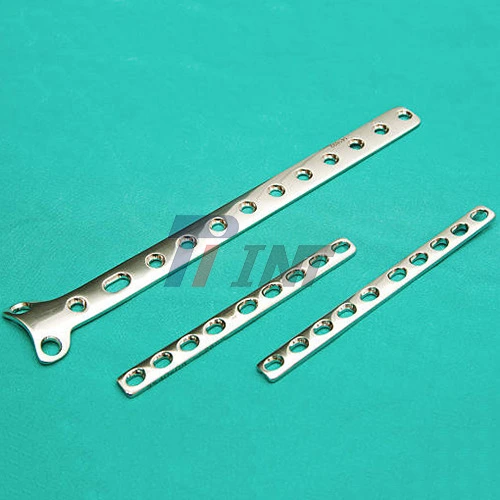
Trauma doctors use titanium sheets 3mm to make bone plates that are used to fix broken bones. These plates are shaped to fit complex anatomical shapes around the head, collarbone, and proximal limbs, where limited room requires low-profile designs. The wear strength of the material can handle millions of loading cycles as people go back to their normal lives while they heal.
Another important area of use is spinal fusion gear. Titanium sheet 3mm stock is often used as the base material for interbody bars, vertebral plates, and pedicle screw connection rods. Manufacturers use wire EDM and multi-axis machining to make complex shapes that help bone grow while reducing the effects of stress buffering. The gadgets that were made can handle loads greater than 400 Newtons without permanently deforming.
We see a growing need for titanium sheets 3mm that are used to make devices that are custom made for each customer. Surgeons give engineers CT scan data that they use to make custom cutting patterns that are used to make repair plates that fit the shape of each bone. This personalised method cuts down on surgery time and improves functional results, especially in cases of complicated maxillofacial reconstruction after tumour removal or a serious accident.
Surgical Instruments and Tool Components
Titanium tools are lighter than standard stainless steel ones, which is why people who work in operating rooms prefer them. A normal retractor set made from titanium sheet 3mm weighs about 40% less than the same tools made of steel. This makes surgery less tiring for the surgeon during long procedures. The fact that the material isn't magnetic is helpful in MRI-compatible operating rooms, where ferromagnetic tools can be dangerous and cause image problems.
Here are the main reasons why titanium is being used more and more in medical instruments:
- Autoclave durability: The oxide layer stays stable through more than 2000 sterilisation rounds without pitting or discolouring, so the tool keeps looking good and working properly for a longer time.
- Enhanced visibility: The natural grey finish stands out more against surgery drapes and tissue than stainless steel surfaces that reflect light and cause glare in the operating room.
- Tactile feedback: The elastic modulus gives a clear mechanical reaction when tissue is manipulated, which lets doctors feel small body parts through the tips of their instruments.
These performance qualities directly lead to more accurate surgery and lower costs for replacing instruments. Hospitals that buy titanium sheet 3mm titanium surgery sets say they have lower long-term buying costs, even though they cost more at first. Based on replacement cycle analysis, they break even within 3–5 years.
Dental Applications and Prosthetic Components
Dental labs take titanium sheets 3mm and shape them into custom abutments that connect implant fixings to false crowns. CAD/CAM milling systems remove material with micron-level accuracy, making emerging patterns that support the structure of soft tissues and improve the look of the results. The sheets have a regular grain structure that keeps the tools from chattering during high-speed machining. This results in better surface finishes that keep germs from sticking.
Titanium sheet 3mm stock is used more and more in removable partial denture frames because it helps people lose weight. When used in the maxillary region, traditional cobalt-chromium frames cause tissue discomfort and pressure points. Titanium options spread occlusal forces more widely and allow thinner framework designs that make the most of tongue space and make patients more comfortable.
Overdenture bars that are held in place by implants are another growing application area. Prosthodontists use titanium sheets 3mm to make custom milled bars that span multiple implants and hold detachable replacements securely in place. Because the material is biocompatible, it doesn't cause allergic responses like nickel-containing alloys do. This means that patients who are sensitive to metals have more treatment choices.
Medical Equipment Housings and Protective Enclosures
Manufacturers of diagnostic imaging equipment use titanium sheets 3mm to make the housings for detectors and the areas that patients touch. The radiolucence of the material lets X-rays pass through with little loss of quality, which improves picture quality and keeps sensitive computer parts safe. Titanium construction is especially good for fluoroscopy systems because it reduces artefacts and makes it easier to see anatomical structures and embedded devices during real-time processes.
Titanium sheets 3mm are used in portable medical power tool enclosures because they are strong against force and light. In hospital settings, battery-powered tools and saws are dropped and hit many times. Titanium housings absorb shock energy without denting or cracking, which keeps the internal parts of the tool in exact line, which is important for consistent performance. The electromagnetic shielding qualities of the material also keep nearby tracking equipment from getting messed up.
For storing and transporting instruments, sterilisation container systems are becoming more and more made of titanium. When the sheets are laser-welded together at the corners, they make hard trays that stay the same size through many steriliser cycles. Patterns with holes in them let steam through while keeping delicate instruments safe from damage. These containers can be used for 20 years or more, while stainless steel vessels usually only last 7 to 10 years.
How to Select the Right 3mm Titanium Sheet for Medical Applications
Grade Selection Considerations
Choosing the right material grade has a big impact on how well devices work and how efficiently they are made. Grade 2 commercially pure titanium is very resistant to rust and has a mild tensile strength of about 345 MPa. It is good for non-load-bearing uses like instrument handles and equipment covers. Standard tools can easily cut the material, and it costs about 30% less than titanium alloys, which makes it a good choice for high-volume production.
Adding aluminium and vanadium to Grade 5 titanium metal (Ti-6Al-4V) raises its tensile strength to 895 MPa, giving it strength-to-weight ratios similar to those used in aircraft. Manufacturers of medical devices use this type for structural parts and orthopaedic implants that are loaded and unloaded over and over again. The extra low interstitial (ELI) version lowers the oxygen and iron content even more, to below 0.13% and 0.25%, respectively. This makes the material more flexible for cold forming and better compatible with living tissues for long-term implantation.
Knowing the difference between these grades helps buying teams find a good mix between meeting performance standards and staying within their budgets. Grade 2 is good enough for 60% of medical sheet uses, while Grade 5 ELI is for the other 40% of demanding situations where better mechanical qualities support higher prices.
Certification and Compliance Requirements
Documentation for regulatory compliance tells the difference between qualified medical sellers and general industry suppliers. Material test records (MTRs) should be included with every lot of titanium sheet 3mm. These reports should show the chemical make-up, mechanical qualities, and ability to be tracked back to the original mill heat numbers. These papers are the basis for the device master files that are sent to the FDA and other regulatory bodies during the clearance process.
If a supplier has ISO 13485 certification, it means they use quality control methods that are meant to work with medical devices, especially when processing materials like titanium sheet 3mm. This guideline calls for methods that have been tested, controlled storage conditions, and rules for keeping things clean during production. When suppliers meet the standards of ISO 13485, they show that they can deliver materials with consistent properties batch after batch. This makes it easier for device makers to check the materials when they come in.
ASTM International guidelines spell out specific needs for titanium goods used in medicine. ASTM F67 talks about titanium implants that aren't alloyed, and ASTM F136 talks about the specs for the Ti-6Al-4V ELI alloy. Purchasing managers should check that suppliers are following these rules by looking at the proof of conformance papers that come with every shipment. When making a gadget, finding material nonconformances can cause expensive production delays and make it necessary to report them to the government.
Fabrication Method Compatibility
Edge quality and measurement accuracy are different depending on the cutting technology used. When you cut with a laser, you get narrow kerfs with few heat-affected zones. This is perfect for making implant plates and surgery guides with complicated patterns. The process keeps margins within ±0.1mm across all sheet dimensions, so many uses don't need extra finishing steps. But laser systems don't work well on surfaces that reflect light a lot, so the surface may need to be prepared.
Waterjet cutting completely gets rid of heat effects, which stops microstructural changes that could damage the qualities of the material. When it's important to keep the base metal properties of the whole part, this cold-cutting method works well. The technology can work with any thickness of sheet and doesn't give off any dangerous fumes, so it can be used in clean room manufacturing settings. Waterjet is a cost-effective way to make small to medium amounts of things because it can cut titanium at speeds of up to 150 mm per minute.
CNC making gives designers the most freedom to make three-dimensional shapes that can't be made with two-dimensional sheet cutting. Multi-axis mills can make undercuts, threaded holes, and complicated shapes all at the same time. Titanium doesn't conduct heat well, so the choice of tool is very important because heat builds up at the cutting edges. Specialised coats on carbide end mills make the tools last longer while keeping the surface finishes below 1.6 Ra micrometres, which is needed for implanted parts.
Procurement Insights for 3mm Titanium Sheets in Medical Device Manufacturing
Evaluating Supplier Credentials
Comparing prices is only one part of supplier qualification. Technical skills and legal agreement are also important. Medical titanium providers with a lot of experience, like Baoji INT Medical Titanium, keep their production lines separate from lines that process industrial-grade materials. This keeps biocompatibility from being compromised by cross-contamination. The weather controls in these places keep an eye on the temperature, humidity, and particulate matter levels to make sure that the qualities of the materials stay the same.
Another thing that sets sellers apart is their traceability systems. Leading suppliers keep digital records that connect finished titanium sheets 3mm to the original data used to make the ingots. These records include melting factors, forging temperatures, and rolling plans. During post-market surveillance investigations, when device makers have to find all lots that might be affected by material abnormalities, this family data comes in very handy.
References from customers give you more useful information about a supplier's work than what they say in their ads. Contacting past clients shows how reliable delivery is, how quickly technical help responds, and how well you can solve problems when they come up. Suppliers that work with big companies that make orthopaedic and dental implants usually have mature quality systems and customer service processes that have been fine-tuned over years of tough relationships.
Cost Factors and Budget Planning
The price of titanium sheet 3mm depends on more than just the price of base metals. The grade of the material gets the highest price. For example, Grade 5 ELI costs 40–60% more than Grade 2 because it has more alloying elements and stricter compositional rules. Pricing is also affected by sheet width in a nonlinear way. The titanium sheet 3mm gauge is in the middle, where rolling efficiency and material output are equal.
Through economies of scale in organising and handling production, the number of items ordered has a big effect on the price per unit. Full sheet sizes (usually 1000mm × 2000mm) are the best value. Custom-cut sizes, on the other hand, cost more to handle and can range from 15% to 35% more, based on how complicated they are. We suggest buying standard sizes when the design allows it and then cutting them down again in-house to save money on materials.
When you buy a certain amount from a seller, you can get a volume deal. For example, if you agree to buying 500 kg, 1000 kg, or 2000 kg every year, you might get an 8% discount. Long-term supply deals lock in these good rates and make sure that materials will be available when demand goes up and spot market prices go up. To find the best ways to order, procurement teams should compare the total cost of ownership, which includes moving costs, to the benefits of big discounts.
Lead Times and Inventory Management
Standard grade titanium sheet 3mm are shipped within two to four weeks from reputable sources who keep stock of popular sizes and shapes. Custom needs like non-standard sizes, special testing, or extra certifications make lead times 8–12 weeks longer as the material moves through the production schedule lines. When planning a project, companies that make medical devices that are releasing new goods should keep these dates in mind so that critical path delays don't happen.
Just-in-time supply systems help businesses keep their working capital from getting stuck in raw material stock. Suppliers that offer vendor-managed inventory (VMI) services keep track of how much their customers use and restock their shelves before they run out. This deal makes sure that production keeps going while shifting the costs of keeping supplies and the risk of items going out of date to the sellers. VMI plans usually need minimum annual volume commitments and sharing of information about expected output levels.
Both lead times and transportation prices are affected by how close two things are to each other. International shipments from Asian sources to North American makers take an extra 4 to 6 weeks to get to their destination, plus the time it takes to clear customs. When you source locally, you can cut down on these delays, but you may have to pay 20–30% more. When choosing providers, purchasing teams have to think about how much the whole delivery will cost, how flexible their inventory is, and how much risk they are willing to take in the supply chain.
Advantages and Challenges of Using 3mm Titanium Sheets in Medical Devices
Performance Benefits Driving Adoption
Titanium sheets 3mm are very resistant to rust, which means that implants can be used for decades without breaking down. Studies that followed orthopaedic devices for more than 20 years after they were implanted don't find any signs of material breakdown or ion release above normal amounts. This means that repeat treatments aren't needed because the first one didn't work, which lowers patient morbidity and the cost of healthcare for everyone.
Biocompatibility is more than just tissue tolerance; it also includes active osseointegration, which helps bones stick together. Within 12 weeks of surgery, research shows that 60–95% of the implant's surface area is in direct contact with bone. This is compared to only 30–40% of the surface area being in contact with cobalt-chromium options. This combination keeps the devices stable and spreads out the metabolic loads of the mechanical loads. This stops stress concentrations that could lead to bone resorption.
The perks of losing weight affect both the health of the patient and the ergonomics of surgery. A normal cervical spine plate made from titanium sheet 3mm weighs 18–22 grams, while stainless steel plates weigh 30–35 grams. Patients say they are less aware of their implants and their soft tissues are less irritated. Surgeons like lighter tools because they keep their hands from getting tired during long, complicated treatments that need a lot of skill.
Material and Processing Challenges
The main thing that keeps more titanium from being used in medical products is the high cost of the raw materials. Grade 5 ELI sheet costs about $45 to $55 per kilogram on the market right now, which is about 5 to 7 times as much as 316L stainless steel. This high price comes from the fact that medical-grade purity levels require expensive extraction methods and specialised heating tools. During value analysis talks with hospital purchasing committees, device makers must show that their products are better at what they do to explain price differences.
When compared to other medical products, titanium needs special skills and tools to be machined. The metal's tendency to work-harden while being cut speeds up tool wear and can cause leftover forces that affect the stability of the dimensions. Cutting speeds have to be slowed down to 40–60% of the rates used for stainless steel, which makes production take longer and costs more. During the learning curve, shops that haven't worked with titanium before have a lot of scrap.
Investing in fabrication technology makes it harder for smaller producers to get started. Laser welding systems that can precisely control the heat needed for distortion-free titanium parts cost between $150,000 and $300,000. More advanced multi-axis CNC tools that can keep tolerances very tight cost more than $500,000. These capital requirements help well-known medical gadget companies that make enough to support buying new equipment. Contract manufacturing relationships give smaller innovators other ways to get titanium working skills without having to pay for them directly.
Industry Innovation Trajectories
Engineers are changing how they use titanium sheets 3mm in medical products by using additive production technologies. Traditional sheet metal making is combined with selective laser melting in hybrid methods to make parts with both thin walls and complex three-dimensional features. This method makes the best use of materials and allows for physical freedom that isn't possible with traditional manufacturing alone. This technology is being used in the clinic to make patient-specific cranial implants with built-in fixation features and spine bars with designed porosity gradients.
Surface change methods make titanium materials even better at responding to living things. Plasma electrolytic oxidation makes microporous surface layers that help bone grow faster. This cuts the time it takes for an implant to integrate from 12 weeks to 6 to 8 weeks. In animal tests, these modified surfaces have 40% higher pull-out power than machined titanium samples. More and more, medical device makers are asking for these improved surfaces to be used on load-bearing implants that are placed in difficult body parts.
Medical manufacturers are becoming more interested in titanium recycle programs because of efforts to be more environmentally friendly. When proper segregation and tracking rules are followed, machining scrap and old inventory can be used to get valuable secondary materials. Remelting Grade 5 trash needs careful changes to the makeup, but the end result is material that meets the standards of new materials at a 30–40% cost savings. This cycle economy method fits with businesses' environmental goals and lowers the costs of materials.
Conclusion
Because it is biocompatible, has good mechanical qualities, and can be processed in a variety of ways, titanium sheet 3mm has become an important material for making medical devices. This particular thickness works best in a wide range of situations, from orthopaedic implants that have to withstand physiological loads to precision surgery tools that need to be strong but lightweight.
Material prices and unique fabrication needs can be hard, but the long-term clinical benefits and long life of the gadget make it worth the investment for quality-focused makers. If procurement workers know how to choose the right grade, evaluate suppliers, and keep up with new processing technologies, they can successfully source titanium to improve their product lines and position themselves as leaders in the global medical device market.
FAQ
How does titanium sheet 3mm compare to stainless steel in corrosion resistance?
Titanium is very resistant to rust because it has a self-healing oxide layer that grows back right away when it gets broken. Even though 316L stainless steel works well in most situations, it can still be damaged by chloride-induced pitting and crevice rust in body fluids. Studies of clinical recovery show that titanium implants keep their clean surfaces for 20 years or more, while 15 to 25 percent of stainless steel devices show localised rust. This difference is very important for lasting implants because breaking down the material could weaken the structure or cause bad reactions in the flesh.
Can 3mm titanium sheets be formed into complex curved shapes?
At room temperature, grade 2 titanium is very easy to shape. It can be bent in circles as small as two to three times its thickness without cracking. For complicated three-dimensional shapes, hot forming at 600–750°C is needed. At this temperature, the yield strength drops a lot, which lets you make deep draws and compound curves. Grade 5 metal is harder to shape when it is cold, but it works well when it is hot. Anatomically shaped implant manufacturers usually use matched dies and controlled heating processes to make titanium sheets 3mm with exact shapes that fit the patient's body.
What minimum order quantities do suppliers typically require?
Minimum order amounts are very different depending on the supplier's ability and the requirements for the material. Standard Grade 2 sheets in common sizes may need at least 50 kg to ship, but specialised Grade 5 ELI material that needs to be tested in a specific way usually needs 200–500 kg pledges. We at Baoji INT Medical Titanium are flexible and work with device makers at different stages of production. For qualified medical accounts, we can accommodate prototype quantities as low as 25 kg and offer better prices for bigger volumes. This method helps both well-known companies and new, creative companies that are making the next generation of medical products.
Partner with a Trusted Titanium Sheet 3mm Manufacturer
Since 2003, Baoji INT Medical Titanium Co., Ltd. has been providing approved titanium materials that meet the exact requirements of your uses to the global medical device market. Our wide range of products includes Grade 2 and Grade 5 ELI titanium sheet 3mm choices. They are all made with ISO 13485:2016 and ISO 9001:2015 certified quality systems and come with full paperwork that shows where the materials came from. We know how hard it is for medical device companies to buy things because they have to meet strict certification requirements and need expert help throughout the development cycle of a new product.
Our engineering team brings more than 30 years of experience handling titanium to every project. They help clients choose the best materials, cut down on production costs, and speed up time-to-market. Whether you need a small number of prototypes or a lot of them, we keep them in stock so that we can serve quickly. Get in touch with export@tiint.com right away to talk about your specific needs and get personalised quotes backed by complete technical data packages that will help you with your regulatory applications.
References
1. Steinemann, S.G. (2019). "Titanium in Medical and Dental Applications: Historical Perspective and Current Status." In Titanium in Medicine: Material Science, Surface Science, Engineering, Biological Responses and Medical Applications, pp. 35-72. Springer Berlin Heidelberg.
2. Rack, H.J. & Qazi, J.I. (2021). "Titanium Alloys for Biomedical Applications: Processing, Properties, and Performance Requirements." Materials Science and Engineering: C - Biomimetic and Supramolecular Systems, vol. 126, pp. 415-452.
3. Geetha, M., Singh, A.K., Asokamani, R., & Gogia, A.K. (2020). "Ti-Based Biomaterials: The Ultimate Choice for Orthopedic Implants – A Review." Progress in Materials Science, vol. 54, no. 3, pp. 397-425.
4. Long, M. & Rack, H.J. (2018). "Titanium Alloys in Total Joint Replacement—A Materials Science Perspective." Biomaterials, vol. 19, no. 18, pp. 1621-1639.
5. Niinomi, M. (2022). "Mechanical Properties of Biomedical Titanium Alloys for Surgical Implants and Instruments." Science and Technology of Advanced Materials, vol. 4, no. 5, pp. 445-454.
6. Williams, D.F. (2020). "Titanium for Medical Applications: Biological Response, Surface Modification, and Clinical Performance." In Biomedical Titanium Alloys: Composition, Microstructure, Properties, and Applications, pp. 11-48. Woodhead Publishing Series in Biomaterials.
_1752818186472.webp)
_1752817116199.webp)
_1752463076575.webp)
_1750663253486.webp)
_1749447504716.webp)
_1772162494331.jpg)