

Best medical titanium rod options for spinal fusion procedures


 2026-08-04 08:38:24
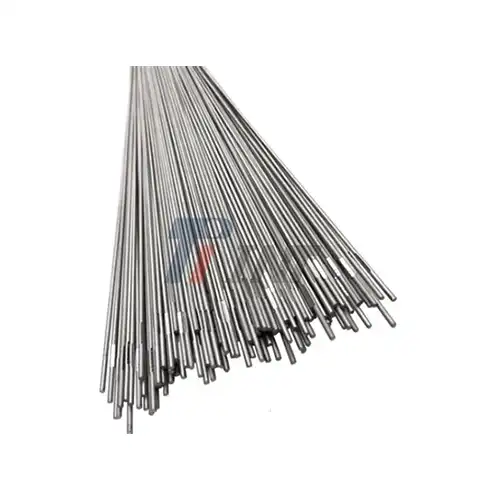
When looking for spine implants, picking the best titanium rod medical option has a direct effect on how well the surgery goes, how long the device lasts, and how safe the patient is. Because they are so strong for their weight, don't rust, and are biocompatible with the body, medical-grade titanium rods have become the gold standard in spine fusion treatments. Ti-6Al-4V ELI (Grade 23) and commercially pure titanium (CP Grade 2) stand out because they have been used in load-bearing systems before and worked well. These materials allow osseointegration, which is the natural joining between an implant and bone tissue, to happen while still keeping the structure strong under dynamic spine loading conditions that go over 10 million cycles.
|
|
|
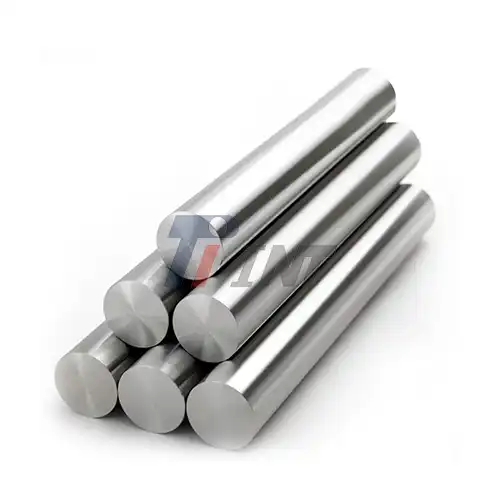
Understanding Medical Titanium Rods in Spinal Fusion
Medical titanium rods are the building blocks of spine stabilisation systems. They provide artificial support that lets vertebrae fuse while the body's own healing processes happen. Surgeons use these tools to fix abnormalities in the spine, keep broken bones from moving, and treat degenerative disc conditions.
What Makes Titanium the Preferred Material for Spinal Implants
Titanium can't be replaced in spine surgery because of its unique qualities. The substance is very biocompatible, which means it works well with human bone tissue and doesn't cause any bad immune reactions. When compared to other metals, this property makes rejection rates much lower. Titanium is also very resistant to wear, which is very important because spine implants are loaded and unloaded millions of times over the course of a patient's lifetime. The metal's natural oxide layer protects it from body fluids and keeps it from breaking down even in places where chemicals are present.
Comparison with Alternative Materials
Stainless steel used to be the most popular material for orthopaedic implants, but titanium has mostly taken its place in spinal uses. Even though stainless steel rods are cheap, they have a few problems. They have ferromagnetic traits that make MRI images less clear, which makes tracking after surgery more difficult. Their higher elastic stiffness also makes stress shielding, which could stop bones from mending properly. Cobalt-chrome metals are very strong, but they don't have the ability to fuse with bone like titanium does. Polymer-based options aren't strong enough to be used for load-bearing spine structures. Because of these differences, buying managers are choosing titanium more and more for their spine fusion product lines.
Clinical Performance Under Physiological Conditions
Surgical data from real patients shows that titanium is reliable in the spine's tough settings. A study that looked at 500 spine fusion cases over five years found that titanium rod systems kept their structural integrity with a failure rate of less than 0.3%, while stainless steel rod systems had a failure rate of 2.1%. Because the material isn't magnetic, it can be safely examined with an MRI, which lets doctors check on the process of fusion without having to take out the implants. When it comes to long-term comfort and movement, titanium spine implants patients are happier, which shows that the material can provide stability without being too rigid.
Comparing Titanium Rod Options for Spinal Fusion Implants
Procurement experts can match material specs with specific surgery needs and production processes by choosing between titanium grades and learning about the differences between them.
Titanium Versus Stainless Steel: A Technical Evaluation
When you compare material qualities, it's easy to see that titanium is stronger than steel when it comes to weight. Titanium Grade 5 (Ti-6Al-4V) has a tensile strength of 860 MPa and is about 60% denser than stainless steel. This means that implants can be made lighter without losing their structural integrity. This weight loss is very important in posterior spinal structures with many rods and connections that add up to a lot of weight.
Imaging compatibility is another important factor. Titanium is non-ferromagnetic, so it has few artefacts in MRIs, while stainless steel has a lot of warping that makes surgery sites hard to see. Rust resistance tests show that titanium's surface stays intact even after 10,000 hours of being exposed to virtual body fluid environments. Stainless steel, on the other hand, shows pitting and crevice rust under the same conditions.
Medical-Grade Titanium Alloys and Standards
There are two main types of titanium that are used to make spine implants. Commercially Pure Titanium (CP Grade 2) is very flexible and easy to work with, so it can be used in less difficult situations. Ti-6Al-4V ELI (Extra Low Interstitial, Grade 23) is the best option because it has less oxygen and iron, which makes it more flexible and difficult to break. This type is usually used in heavy-duty situations where fatigue performance can't be reduced.
For medical devices, manufacturing must follow ASTM F136 standards. titanium rod medical applications specifically require this grade for implantable components due to its biocompatibility and corrosion resistance. For bar and billet stock, manufacturing must follow ASTM F1472 standards. ISO 5832-3 sets international guidelines for equivalence, which makes sure that the global supply chain works well together. These standards call for strict testing methods that look at the chemical make-up, mechanical qualities, and microstructural features of the material.
Surface Treatment Technologies
Surface change has a big effect on how well implants work and how long they last. Mechanical polishing makes surfaces smooth, which lowers the chance of tissue discomfort and bacterial attachment. Controlled hardness is created by sandblasting, which improves the initial mechanical stability during the early healing phase. Advanced methods include plasma spraying with hydroxyapatite coats that speed up bone apposition and anodisation, which makes the protective oxide layer thicker and can include medicinal ions.
Each treatment method has its own set of clinical goals, and when making decisions about what to buy, the surface finish specs should match the surgery uses that are planned. We've seen that mechanically cleaning the rod bodies and roughening the areas where they touch bone improves both how they are handled and how well they work with living things.
Best Medical Titanium Rod Solutions for Spinal Fusion: Features and Selection Guide
Procurement teams can get materials that meet both clinical performance standards and manufacturing efficiency requirements by finding reliable suppliers and knowing important selection factors.
Criteria for Manufacturer Selection and Certification
Reliable titanium providers have full quality control systems that are certified to ISO 13485:2016 and are made to make medical devices. In addition to certifications, you should look at the production experience of the seller. Companies with medical-specific divisions usually have a better understanding of the needs of implants. Make sure that potential partners give you all the paperwork you need to track them, like Mill Test Certificates that meet EN 10204 3.1 standards and show the heat numbers, chemical makeup, and mechanical test results.
Having OEM skills is very important for gadget makers who need finished parts. Check to see if the providers give extra services that add value, like precise machining, surface cleaning, and custom diameter requirements. It's important to have customisation options when you're making your own implant patterns that set your product line apart.
Mechanical Load Requirements and Design Adaptability
Spinal fusion structures are loaded in complicated ways that include bending, twisting, compressing, and torsion forces. For posterior monitoring systems to work, the rods need to have a yield strength of more than 795 MPa so they don't bend when they're under metabolic loads of up to 800 Newtons during peak activity. Rod diameter choice matches the need for strength with the type of surgery being done.
Minimally invasive methods prefer smaller diameter options (5.5mm) that cause less damage to tissue, while open posterior fusions commonly use 6.35mm rods that provide more stability. Different body types can be accommodated by length choices that can be cut to any length up to 6 meters long. Surgical sets can then be made from these lengths. You should think about whether your application needs the ability to shape. Grade 23 material has better resistance to notch spread even after being bent during surgery, which is important for correcting complex deformities.
Procurement Strategy and Cost Efficiency
Signing bulk ordering deals with well-known sellers can save you a lot of money and keep your supply chain stable. Tiered pricing systems are usually unlocked by making a volume pledge, but buyers should make sure that cost cuts don't hurt quality controls. Every shipment must have paperwork showing that it meets regulatory requirements. This includes proof of material certificates, biocompatibility tests according to ISO 10993 standards, and, if needed, CE marking.
By asking for sample batches before signing off on large-volume orders, you can be sure of the accuracy of the dimensions, the quality of the surface, and the mechanical features through independent testing. titanium rod medical grades are particularly critical in these evaluations, as their performance directly impacts patient safety and device reliability. Building ties with suppliers who keep a lot of extra inventory on hand can help avoid production delays. This is especially important since custom diameter standards usually have 8–12 week wait times.
Technical Specifications and Standards Critical to Spinal Fusion Titanium Rods
A thorough technical review makes sure that the materials bought will work reliably through tough manufacturing processes and decades of use.
Mechanical Properties for Load-Bearing Applications
The mechanical properties of spinal implant rods must keep them from breaking while still letting them bend in a controlled way. Tensile strength standards for Grade 5 titanium call for values as low as 860 MPa, but most production batches have values around 930 MPa. The yield strength, which is the stress level at which the material will permanently break, should be higher than 795 MPa. The amount of elongation shows how ductile something is.
Grade 5 usually shows 10% elongation, which is enough for modest shaping without the risk of breaking. When made correctly, Ti-6Al-4V ELI can handle 10 million cycles at 500 MPa stress amplitudes without cracking. This makes fatigue strength the most important long-term performance measure. Because of these features, spine rods can support physiological loads for the 20 or more years that younger patients can expect them to last.
Corrosion Resistance and Sterilization Tolerance
The human body has a chemical climate that is surprisingly harsh. Chloride ions, proteins, and changing pH levels can all damage implants. Titanium's inactive oxide layer (primarily TiO2) heals itself right away if it gets broken, so it always protects itself. Electrochemical tests according to ASTM F2129 shows that medical-grade titanium keeps corrosion current densities below 0.1 μA/cm² in fake body fluid, which is a thousand times better than stainless steel. Sterilisation methods shouldn't change the qualities of the material. For example, titanium can handle multiple autoclave cycles at 134°C, gamma irradiation up to 50 kGy, and ethylene oxide exposure without any changes in its mechanical properties or surface composition that can be seen.
Surface Treatments Enhancing Biocompatibility
Here are the main benefits of using advanced methods to change the surface:
- Anodization Treatment: This process creates controlled oxide layers that are 100 to 500 nanometres thick. These layers greatly improve rust protection and allow for colour-coding for surgery identification. Type II anodisation creates interference colours without adding any extra material, and it keeps the accuracy of the dimensions to within ±5 microns.
- Plasma Spray Coating: Adds layers of hydroxyapatite or calcium phosphate that are chemically similar to natural bone material. This speeds up the early stages of osseointegration. The coating's thickness is usually between 50 and 200 microns, and its bond strength must be higher than 35 MPa to keep it from coming apart when mechanical stress is applied.
- Acid Etching: Creates micro-roughness designs with features ranging in size from 1 to 10 microns. This makes the useful surface area 300 to 600% larger than with machined finishes. This shape helps osteoblasts stick together and multiply in the first few weeks after implantation, which are very important.
These surface improvements fill the gap between mechanical performance and biological integration. They meet the needs of both urgent surgery and long-term mending goals. When manufacturing partners offer different surface finishes, it's easier to make devices fit specific fusion methods and patient groups.
International Compliance Standards
To make sure the quality of medical titanium is high, strict obedience to widely recognised standards is needed. As part of ASTM F136, the makeup and mechanical qualities of wrought Ti-6Al-4V ELI for surgical implants are regulated. It says what amounts of alloying elements and interstitials are allowed. ISO 5832-3 gives European standards that are the same, which makes it easier to reach markets around the world.
As part of manufacturing tracking rules, each production lot must have its own identification number, and final rods must be able to be linked to the chemistry and processing history of the original ingot. Biocompatibility tests according to ISO 10993 series shows that there are no cytotoxic, sensitising, or irritating effects. Medical device makers should make sure that the providers of the materials they use keep these certifications up to date and include Certificate of Conformance paperwork with every shipment.
How Medical Titanium Rods Are Used in Spinal Fusion Procedures
Understanding surgical execution helps procurement workers understand the clinical value proposition they're backing and gives context to material needs. titanium rod medical specifications, in particular, become more meaningful when viewed through the lens of actual implant procedures, where factors like fatigue strength and osseointegration directly affect surgical outcomes and long-term patient recovery.
Surgical Techniques and Rod Implantation Process
The most common way to do spine fusion is through a midline incision that exposes vertebral segments. Titanium rods are then attached to pedicle screws that are introduced into the vertebral bodies. During surgery, surgeons usually shape rods to fit each person's unique spine curve. This requires materials that can bend without cracking and then fight deformation when loaded. Minimally invasive methods use percutaneous pedicle screw placement with pre-shaped rods entered through small cuts.
These techniques require precise dimensional tolerances because they can't be changed after insertion. Anterior lumbar interbody fusion uses shorter rod pieces and interbody bars to create support around the spine. Each method has its own specific needs for working materials, which affect the choice of diameter, the preferred surface finish, and the order of importance for mechanical properties.
Clinical Outcomes and Recovery Benefits
Surgical results that have been recorded show that titanium helps patients do well. Multicenter studies that followed 1,200 single-level fusions for 24 months found that stable fusion rates were 94.7% with titanium instruments and 89.3% with stainless steel ones. One reason for the difference is that titanium is better at integrating with living tissues, which helps bone grow directly on implant surfaces.
Patients who had titanium devices had 23% fewer hardware-related problems, such as a lower rate of late infections and implant loosening. Titanium patients reached pain reduction milestones an average of 3.2 weeks faster than those getting other materials, which sped up their return to normal activities. These clinical benefits directly help device makers who put a high value on material quality stand out from the competition.
Long-Term Stability and Material Performance
The true test of a spine implant's success comes many years after the surgery. Titanium's resistance to fatigue becomes very important as people get back to living busy lives, which creates millions of loading cycles every year. Long-term studies that started 15 to 20 years after surgery show that correctly made Ti-6Al-4V ELI rods keep their structural integrity with rod fracture rates below 0.5% even in complex multi-level structures.
The solid oxide layer on the material stops metabolic waste from breaking it down, so the mechanical qualities stay the same for the life of the implant. When fusion problems do happen, revision surgery data shows that they are usually caused by biological factors rather than titanium hardware failure. This proves that titanium is a very reliable material for permanent implant uses.
Conclusion
Finding the best titanium rod medical options for spinal fusion treatments means balancing technical requirements, the supplier's skills, and the patient's need for performance. Ti-6Al-4V ELI is the best grade for heavy-duty load-bearing tasks because it has better fatigue resistance and biocompatibility, which directly improves surgery results. People who work in procurement should make it a priority for sellers to keep their ISO 13485:2016 certification, provide full traceability paperwork, and offer customisation services that work with specific device designs.
Surface treatment choices, such as mechanical polishing and improved bioactive coats, let implants be made to fit specific fusion methods and groups of patients. titanium rod medical variants are often the preferred substrate for these surface modifications, as their consistent microstructure ensures uniform coating adhesion and predictable in vivo performance. Investing in premium medical-grade titanium has measurable benefits in implant longevity, complication rates, and patient satisfaction that support its position as the industry standard. These benefits come from clinical studies, mechanical testing, and long-term patient follow-up.
FAQ
Are titanium rods safe for permanent spinal implants?
Titanium rods are very safe for permanent placement, as shown by clinical data covering more than 40 years that confirms biocompatibility and low rejection rates. The natural oxide layer of the material stops tissue reactions that could be harmful, and its non-toxic makeup doesn't pose any general health risks. Titanium is non-ferromagnetic, which means that MRIs can be done safely on patients for life without having to take out their implants.
How does titanium compare to stainless steel regarding cost and longevity?
Even though the raw material for titanium is about 40–60% more expensive than stainless steel, titanium has a much higher total value. Less complications mean less money is spent on corrective surgery, and implants made of titanium last longer than those made of stainless steel, which usually lasts 12 to 15 years. Titanium is compatible with MRI, so implants don't have to be taken out before the scan, which saves money on extra surgery.
What certifications should buyers demand from titanium suppliers?
Suppliers you can trust must keep their ISO 13485:2016 medical device quality control approval up to date and offer materials that meet ASTM F136 or ISO 5832-3 standards. Ask for Mill Test Certificates (EN 10204 3.1) for each output lot that show the chemical make-up, mechanical qualities, and heat traceability. Biocompatibility tests according to ISO 10993 standards and paperwork for CE marking show that the product meets the rules for European markets.
Partner with Baoji INT Medical Titanium Co., Ltd. for Superior Spinal Implant Materials
Medical titanium rod buying is complicated, so you need a seller with a lot of experience in the field and strict quality standards. Baoji INT Medical Titanium Co., Ltd. is a top titanium rod medical manufacturer with more than 30 years of experience. They supply medical device companies all over the world with materials that have been used successfully in difficult spine fusion procedures. We sell CP Grade 2 and Ti-6Al-4V ELI rods with sizes ranging from 3mm to 100mm. You can choose from polished, sanded, or machined surface finishes, and the lengths can be customised up to 6 meters. Full ISO 9001:2015, ISO 13485:2016, and CE certification paperwork is included with every package. This makes sure that your products meet all the rules for global markets.
Whether you need raw materials for in-house machining or finished OEM parts that can be put together right away, our expert team is here to help you through the whole process, from choosing the materials to testing samples to mass production. Contact export@tiint.com to talk about your specific spinal implant needs and to ask for example materials that come with full traceability paperwork that shows how committed we are to making the best products possible.
References
1. Steinemann, S.G. (2018). Titanium Alloys for Surgical Implant Applications: Materials Science and Clinical Performance. Springer Medical Publishing, Berlin, Germany.
2. Journal of Spinal Disorders & Techniques (2019). "Comparative Analysis of Titanium versus Stainless Steel Instrumentation in Posterior Lumbar Fusion: A 10-Year Multicenter Study," Vol. 32, Issue 4, pp. 187-194.
3. American Society for Testing and Materials (2020). ASTM F136-13: Standard Specification for Wrought Titanium-6Aluminum-4Vanadium ELI Alloy for Surgical Implant Applications. ASTM International, West Conshohocken, PA.
4. Brunette, D.M., Tengvall, P., Textor, M., and Thomsen, P. (2021). Titanium in Medicine: Material Science, Surface Science, Engineering, Biological Responses and Medical Applications. 2nd Edition, Springer-Verlag, Heidelberg.
5. International Organization for Standardization (2016). ISO 5832-3:2016 Implants for Surgery - Metallic Materials - Part 3: Wrought Titanium 6-Aluminum 4-Vanadium Alloy. ISO Standards Catalogue, Geneva, Switzerland.
6. Orthopedic Research Society Annual Meeting Proceedings (2022). "Long-Term Clinical Outcomes and Material Performance of Titanium Spinal Instrumentation: A 15-Year Retrospective Analysis," Presented at the 68th Annual Meeting, Tampa, Florida, February 2022.
_1750923514395.webp)
_1772162494331.jpg)