

What are the typical applications of GR9 titanium bars, 8mm diameter in aerospace?


 2026-08-06 10:32:08
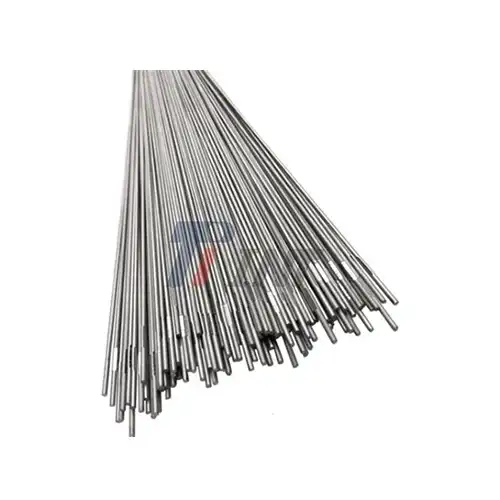
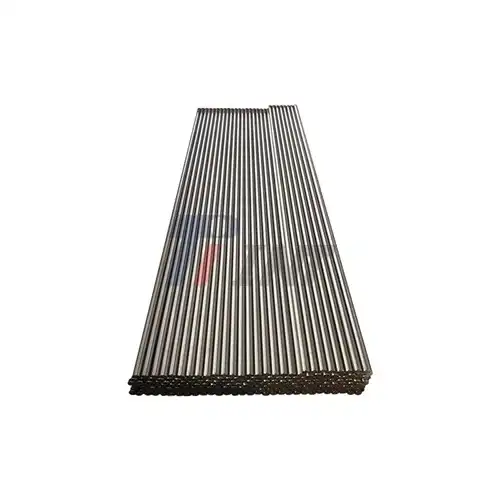
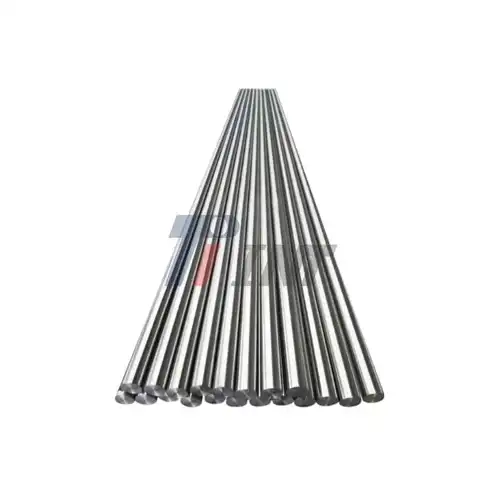
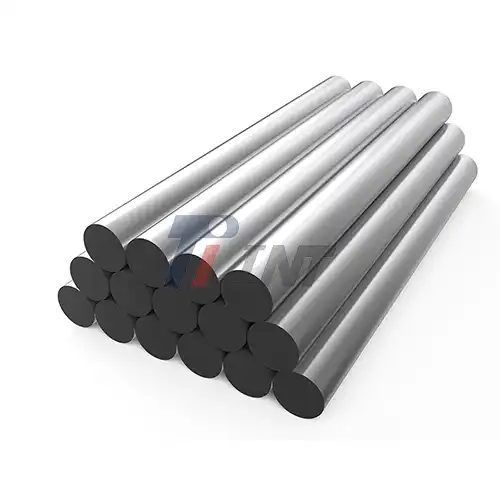
The Gr9 Titanium Bar Dia 8mm represents a pivotal material choice in aerospace engineering, delivering exceptional performance where precision and reliability are non-negotiable. This Ti-3Al-2.5V alloy bar excels in structural components such as hydraulic tubing, engine mounts, and airframe fasteners. The 8mm diameter specification perfectly balances manufacturability with mechanical strength, enabling engineers to design lightweight assemblies that withstand extreme operational stresses, corrosive environments, and thermal cycling without compromising safety margins.
|
|
|
Introduction
Aerospace companies are always looking for new materials that can improve performance while also being lighter. In order to meet both of these needs, the Gr9 Titanium Bar Dia 8mm has become an essential item. With its unique Ti-3Al-2.5V makeup, this material is in between commercially pure titanium and the more aggressive Grade 5 alloy. It is about 50% stronger than pure titanium while still being easier to shape for complicated manufacturing processes.
We know that procurement managers are under a lot of pressure to find materials that meet strict flight standards, keep prices down, and make sure the supply chain works reliably. The technical benefits, real-world uses, and best ways to buy Gr9 Titanium Bar Dia 8mms are all explained in this guide. Our goal is to give people who make decisions useful information that makes choosing materials easier and improves the results of projects.
Understanding GR9 Titanium Bars: Composition and Mechanical Properties
Material Composition and Alloy Structure
As main alloying elements, the Gr9 titanium alloy has 3% aluminium and 2.5% vanadium. This mix makes an alpha-beta phase lattice that makes the material stronger and more flexible. Aluminium makes solid solutions stronger and lighter, and vanadium stabilises the beta phase, which makes the material easier to shape and tougher. The finished product has a density of 4.48 g/cm³, which is a lot less than steel or nickel-based superalloys that are usually used in aircraft.
Vacuum arc remelting, hot working, and possible cold working with stress release (CWSR condition) are the steps used to make these bars. This way of processing gets rid of internal flaws and improves the structure of the grains. The material meets ASTM B348 and ASTM F136 standards, which means that the quality will be the same from one production batch to the next. To stop embrittlement, our production facility keeps a close eye on interstitial elements, making sure that oxygen levels stay below 0.15% and hydrogen levels stay below 0.015 %.
Mechanical Performance Characteristics
Mechanical testing shows that these things are very useful. In the CWSR condition, the minimum tensile strength is 620 MPa, and the maximum yield strength is more than 483 MPa. Elongation usually stays between 10 and 15 percent, which is just right for making processes while still keeping the structure strong when it's loaded. The modulus of elasticity is about 103 GPa, which means that it has a great stiffness-to-weight ratio.
Temperature resistance goes up to 315°C (600°F) for constant use, and higher temps can be reached for short periods of time. This thermal stability is very important for applications in the engine bay where parts are heated by the propulsion systems. Its fatigue resistance is higher than that of many other materials, and it can withstand millions of stress cycles in the harsh vibrating conditions that are common in flight operations.
Comparative Analysis Against Alternative Grades
When compared to widely pure Grade 2 titanium, Gr9 Titanium Bar Dia 8mm is much stronger, which lets wall sections be smaller and component mass be lower. Compared to Grade 5 (Ti-6Al-4V), Gr9 is easier to shape when cold, which is important for making smooth tubing and bent parts. The material is less expensive than Grade 5 and works well enough for tasks that don't need the highest strength. Palladium additions to Grade 7 titanium make it more resistant to corrosion, but it lacks the strength profile needed for structural aircraft parts. For most airframe and engine uses, Gr9 is the best solution.
Key Aerospace Applications of 8mm GR9 Titanium Bars
Hydraulic Systems and Fluid Transfer Lines
Aerospace hydraulic systems need materials that are strong when they burst, don't rust, and don't wear down easily. The Gr9 Titanium Bar Dia 8mm is used as a source of raw materials for smooth hydraulic tubing that is used all over an aeroplane, from the systems that move the landing gear to the hydraulics on the flight control surface. This diameter specification lets you find the best wall thickness for normal working pressures between 3,000 and 5,000 psi while still meeting the safety standards required by aviation authorities.
Because the material doesn't break down easily in hydraulic fluid, it can be used for decades without internal rust or stress corrosion cracking. These bars can be cold-drawn into precise tubes with very tight size tolerances thanks to the way they are made. This is necessary for connections in pressurised systems that don't leak. More and more, commercial and military aircraft standards call for titanium hydraulic lines instead of steel ones because they don't rust and don't need as much upkeep.
Engine Components and High-Temperature Applications
Extreme temperature and mechanical pressures are put on materials in jet engines. Gr9 Titanium Bar Dia 8mms are used to make engine mount brackets, sensor housings, and auxiliary system connectors that are placed in hot spots. The alloy's resistance to rust keeps the surface from wearing down, which would weaken the structure over thousands of flight hours. Gr9 titanium is used for ducting and hardware in turbine bypass structures and compressor bleed air systems. The material keeps its mechanical features even when it goes from temperatures below zero at the ground to high flight temperatures. Titanium substitution directly lowers weight, which improves fuel efficiency. This is very important for airlines that want to cut costs and damage to the environment.
Structural Fasteners and Connector Systems
For the airframe to be put together, thousands of precise screws are needed to connect the composite panels, aluminium sections, and internal structural parts. The Gr9 Titanium Bar Dia 8mm is perfect for stock material for milled and turned fastener blanks, such as custom pins, bolts and connectors. Because Gr9 is very strong for its weight, its bolt cross-sections can be smaller than those of steel. This makes it possible for composite structures to have smaller holes and less stress concentrations.
When aluminium and composite materials are galvanically compatible, rust cells that happen at joints of different types of metal are stopped. Aerospace companies like how easy it is to machine the material, which lets them make complicated thread shapes and head designs without using a lot of tool wear. The fatigue resistance makes sure that joints stay strong for the whole life of the airframe, even in places that are constantly loaded with vibrations during flight.
Advantages of Using GR9 Titanium Bars (8mm) Over Other Materials in Aerospace
To choose the right material, you have to weigh a number of performance factors against production and cost limits. Gr9 Titanium Bar Dia 8mm stands out because it has a number of properties that make it ideal for use in aerospace. When procurement experts know about these benefits, they can better defend the materials they choose during design reviews and cost studies.
For now, the most obvious effect is losing weight. When steel parts are replaced with Gr9 Titanium Bar Dia 8mms, the weight is cut by about 40% while the hardness stays the same. This weight loss affects every part of the plane's design, making it possible to carry more cargo or go farther on a trip. Over the life of an aeroplane, the fuel savings from lighter structures can more than cover the extra cost of the materials many times over.
Corrosion protection gets rid of the need for protective coatings and regular checks to see if the material is breaking down. Gr9 titanium naturally makes a solid passive oxide layer that protects against air, water, hydraulic fluids, and de-icing chemicals. This is different from aluminium alloys, which need anodising or chromate conversion coatings. This built-in resistance lowers upkeep costs by a large amount over the lifecycle. This is especially helpful for military aircraft that fly in salty environments.
The material works great in applications where fatigue is a problem and cyclical loading could damage the structure. During pressurisation cycles, landing hits, and airflow buffeting, aerospace parts are put through millions of stress reversals. Gr9's lattice stops cracks from starting and spreading better than aluminium alloys of the same strength, so it can handle damage better. This feature increases the safety margins in the main structure and increases the time between inspections, which lowers the amount of time the plane is down.
Gr9 is different from aluminium and many stainless steels because it stays stable at high temperatures. Above 150°C, aluminium loses its power quickly. Titanium Gr9, on the other hand, keeps its mechanical qualities up to 315°C. This feature lets them be installed next to engine bays and exhaust systems without thermal protection, which makes designs easier and cuts down on the number of parts needed. The low thermal expansion rate keeps size changes to a minimum across a wide range of temperatures, which is very important for keeping precision parts within tight tolerances.
Procurement Insights for GR9 Titanium Bars, 8mm Diameter
Certification Requirements and Quality Standards
When buying things for aerospace, strict material traceability and certification documentation is needed. Specifications usually say that aircraft suppliers must have at least ISO9001:2015 approval for their quality control system. AS9100 certification is even better. Medical-grade facilities may also keep their ISO13485:2016 certification, which shows that they have better quality control methods that can be used in high-reliability businesses.
Each production lot must have a material test report (MTR) that lists the chemical make-up using spectroscopy, the mechanical properties using tensile and hardness testing, and the microstructural evaluation. Ultrasonic testing according to AMS 2631 Class A or AA standards makes sure that the inside is sound by finding flaws below the surface that could affect performance. Buyers should make sure that suppliers keep full traceability from the raw material ingot to the finished Gr9 Titanium Bar Dia 8mm stock. This way, if problems happen in the field, the root cause can be found.
Lead Times and Order Quantities
Standard wait times for Gr9 Titanium Bar Dia 8mms run from 8 to 12 weeks for stock sizes. For custom lengths, the time frame could be 12 to 16 weeks. These dates cover the steps of melting, casting, heat treatment, and checking the quality. Procurement managers should plan for needs a long time in advance, especially as projects get close to important goals on the critical path.
Different suppliers have different minimum order amounts, but for standard diameters like Gr9 Titanium Bar Dia 8mm, they are usually between 100 and 200 kilograms. Some manufacturers offer sample quantities to make sure the quality of the material, knowing that aerospace customers need to do a lot of testing before committing to mass production. When you place an order for more than 500 kilograms, you can get a volume discount. You can also get price cuts of 10-15% for annual purchase deals that combine multiple orders.
Supplier Selection Criteria
When looking at possible titanium bar providers, you need to look at more than just their prices to see how technical their skills are. The equipment used to make a product has a direct effect on its quality. For example, modern vacuum arc remelting furnaces and precision rolling mills make materials more uniform than older processing methods. When suppliers buy modern ultrasonic testing tools, it shows that they are serious about finding defects that go above and beyond what is required by standard.
Logistics and information are affected by where things are located. When you need a lot of something, international sources might be cheaper, but domestic suppliers might have shorter lead times and easier export paperwork. Establishing relationships with both main and backup suppliers is what we suggest for dual-source methods for key materials. This way, you can avoid the supply chain problems that can happen when there aren't enough raw materials or capacity.
Handling and Processing GR9 Titanium Bars: Best Practices
Machining Recommendations
Working with titanium is different from working with steel or aluminium and needs different methods. Cutting tools made of sharp carbide or polycrystalline diamond keep their shape longer than tools made of high-speed steel. Cutting speeds should be about half as fast as they are for steel—usually 30 to 50 meters per minute for turning on Gr9 Titanium Bar Dia 8mms. Plenty of coolant flow keeps heat from building up, which can work-harden the material surface and make it hard to machine. Using flood coolant or high-pressure through-spindle coolant supply keeps chip temperatures below levels that speed up tool wear. When you use climb milling instead of regular milling, the cutting forces are lower and the surface finish is better.
Surface Treatment and Finishing
Specific surface conditions are often required by aerospace standards. Pickling in nitric-hydrofluoric acid solutions gets rid of the surface alpha case, which is a hardened layer of oxygen-rich material that forms during high-temperature processing. For fatigue performance, this treatment makes sure that the material's properties are the same from the surface to the core.
Polished finishes make the surface smoother below 0.8 micrometres Ra, which reduces the number of places where stress can build up and cause fatigue cracks. Electropolishing creates a better surface quality than mechanical polishing, and it also makes things more resistant to corrosion by making it easier for passive layers to form. Anodising is needed in some situations to add colour or guard against corrosion, but Gr9's natural strength usually gets rid of the need for this.
Storage and Contamination Prevention
Titanium reacts with some elements, so it needs to be stored carefully. Separating material from steel is important to keep iron from getting into the material and speeding up rust. Storage places need to stay dry because water mixed with chlorides can cause highly stressed parts to crack from stress rusting. During manufacturing, don't touch titanium surfaces with copper-based tools or fittings. This can move copper to the titanium, making spots where corrosion is more likely to happen. Cleaning with alkaline detergents and then rinsing with deionised water gets rid of residues from manufacturing without adding new contaminants. These safety measures protect the purity of the materials from the time they are received for review until they are installed.
Conclusion
The Gr9 Titanium Bar Dia 8mm is an engineering solution that meets the most difficult material needs of the aerospace industry. Its balanced makeup gives it strength close to that of heat-treatable alloys while still letting it be shaped into complex shapes. The material is very good at resisting fatigue, corrosion, and changes in temperature, which makes it useful in hydraulic systems, engine parts, and structure bolts. When procurement workers work with qualified sellers who offer full technical support, flexible order amounts, and documented quality systems, they gain a competitive edge. Understanding the best ways to machine and handle materials will help manufacturers get the most out of this advanced titanium alloy's performance potential, which will ultimately improve the safety, efficiency, and operational longevity of aircraft.
FAQ
Q1: What distinguishes Gr9 from Gr5 titanium for aerospace applications?
A: Gr9 titanium metal (Ti-3Al-2.5V) is better at being cold shaped than Gr5 (Ti-6Al-4V), which is why it is the best choice for hydraulic lines and bent parts. Gr5 has a tensile strength that is about 15% higher than Gr4, but it is less flexible, which makes forming more difficult and raises the cost of production. Gr9 Titanium Bar Dia 8mm is the most cost-effective choice when maximum strength is not necessary because it provides enough strength for most aircraft structural uses while also being cheaper to source and process.
Q2: Can the same 8mm Gr9 titanium bars be used in medical device manufacturing?
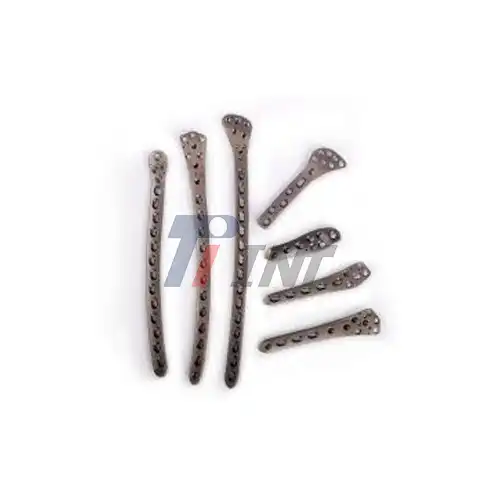
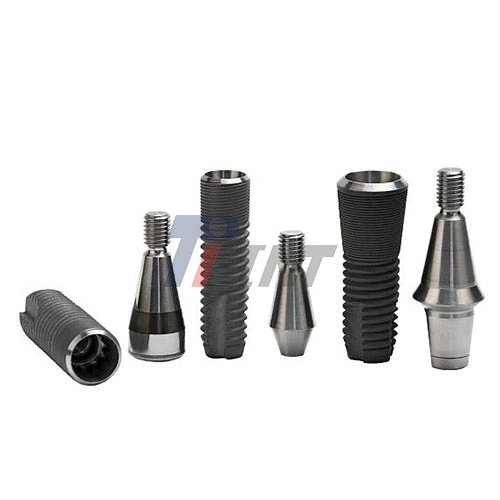
A: There are a lot of similarities between the standards for material composition and processing used in aerospace and medical applications. Biocompatible bars that meet ASTM F136 standards can be used for surgical implants like orthopaedic pins, dental implant abutments, and parts of surgical instruments. Making instrument shafts and insert blanks is easy with the 8mm width. Medical device makers can be more sure of the quality of their products when they work with suppliers who have ISO13485:2016 certification.
Q3: What are typical lead times and minimum orders for custom lengths?
A: Standard stock lengths usually ship in 8 to 10 weeks, and you need to order at least 100 kilos to get them. Cutting widths to order adds one to two weeks to the wait time, but there are usually no minimum order requirements when cutting from stock. For custom rolling of non-standard sizes, orders must be at least 500 kilograms, and delivery times are between 14 and 16 weeks. By planning procurement processes around these factors, delays in production can be avoided.
Partner with Baoji INT Medical Titanium Co., Ltd. for Premium Gr9 Titanium Bar Dia 8mm Supply
Baoji INT Medical Titanium Co., Ltd. has been making certified titanium alloy bars for demanding medical and aerospace uses for more than twenty years. As a well-known provider of Gr9 Titanium Bar Dia 8mm, we keep all of our quality certifications up to date, such as ISO9001:2015, ISO13485:2016, and EU CE standards. This way, we can be sure that every bar meets the strict requirements for military applications around the world. Our Ti-3Al-2.5V alloy bars come in different lengths that can be customised, can have their surfaces polished, pickled, or finished to your exact specs, and come with all the material tracking paperwork you need to support your most important projects.
We know that aircraft makers have trouble with buying because lead times are hard to predict, material quality isn't always uniform, and there isn't enough expert support. During the whole procurement process, our engineering team helps you choose the right materials, make suggestions for processing, and stay in touch. Our manufacturing skills are flexible enough to meet your needs, whether you need small amounts for qualification testing or large amounts for production with planned deliveries. Get in touch with our export team at export@tiint.com to talk about your specific requirements, ask for material certifications, or get competitive quotes backed by 30 years of experience in the titanium industry.
References
1. Boyer, R., Welsch, G., & Collings, E.W. (1994). Materials Properties Handbook: Titanium Alloys. ASM International, Materials Park, Ohio.
2. Donachie, M.J. (2000). Titanium: A Technical Guide, 2nd Edition. ASM International, Materials Park, Ohio.
3. Peters, M., Kumpfert, J., Ward, C.H., & Leyens, C. (2003). "Titanium Alloys for Aerospace Applications," Advanced Engineering Materials, Volume 5, Issue 6, pp. 419-427.
4. Lutjering, G. & Williams, J.C. (2007). Titanium, 2nd Edition: Engineering Materials and Processes. Springer-Verlag, Berlin Heidelberg.
5. ASTM International (2021). ASTM B348-21: Standard Specification for Titanium and Titanium Alloy Bars and Billets. West Conshohocken, Pennsylvania.
6. Veiga, C., Davim, J.P., & Loureiro, A.J.R. (2012). "Properties and Applications of Titanium Alloys: A Brief Review," Reviews on Advanced Materials Science, Volume 32, pp. 133-148.
_1753426579714.webp)
_1750662435585.webp)
_1753927576158.png)