
What dental implant systems are compatible with titanium bars?


 2026-07-08 09:13:09
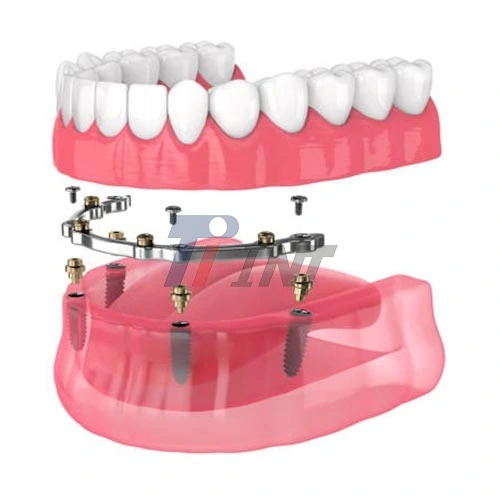
Dental implant systems and titanium bar dentals can work together or not depending on the shape of the link, how precisely it was made, and the properties of the materials used. High-quality titanium bar dental parts made to ASTM F136 and ISO 5832-3 standards can be used with most major implant platforms, such as those made by Straumann, Nobel Biocare, and Dentsply Sirona. Most of the time, these systems use internal hex, external hex, or Morse taper connections to connect to titanium bar dentals made from Grade 23 Ti-6Al-4V ELI alloy. These bars are either custom-milled or prefabricated, and they make sure that the prosthetic fits well and stays stable over time in full-arch rehabilitations and implant-supported overdentures.
|
|
|
Understanding Titanium Bars in Dental Implantology
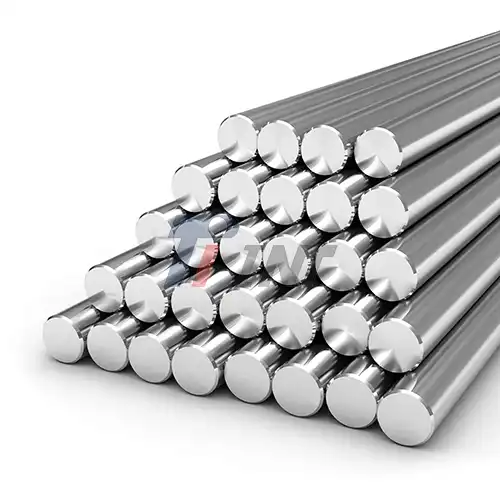
Titanium bar dentals link several implants to support fixed or removable prostheses. They act as structural frames. Modern titanium bar dental solutions are made through CAD/CAM milling from solid billets, which gives them more accuracy than traditional cast metal frames, which lose shape when they cool. Because of its natural qualities, the material is perfect for demanding medicinal uses.
Material Properties That Drive Compatibility
Medical-grade titanium is biocompatible because it forms a passive oxide layer that stops ions from getting into nearby tissues. When this TiO2 film is exposed to air, it forms right away, making a biologically neutral contact that helps bone fuse together instead of causing inflammation. Our Grade 23 Ti-6Al-4V ELI titanium bar dentals have a tensile strength of more than 1100 MPa and a density of only 4.43 g/cm³, which is about half of what cobalt-chromium alternatives have. This great strength-to-weight ratio lowers the prosthesis mass without affecting its structural integrity. This is especially helpful for maxillary repairs, where extra weight can be painful for the patient.
Titanium Versus Alternative Framework Materials
Titanium alloys, cobalt-chromium, and zirconia are usually the three materials that come up first when buying teams look at framework materials. Even though cobalt-chromium frames are strong enough on their own, they pose a risk of galvanic rusting when combined with titanium implant parts. In the mouth environment, the difference in electrical potential between different metals can speed up the breakdown of materials and cause reactions in the tissue around implants. Zirconia is nice to look at because it has a color that looks like teeth, but it is more brittle and doesn't last as long as titanium. When ceramic bars are cyclically loaded, flaws in the manufacturing process, like microcracks that form during sintering, can spread and cause the bars to break completely. Titanium bar dentals eliminate these concerns because they don't rust in salty settings and are strong enough to last through millions of chewing cycles.
Overview of Dental Implant Systems Compatible with Titanium Bars
There are a lot of different systems on the market for dental implants, but compatibility depends on standardized connecting ports rather than brand exclusivity. Knowing about these methods helps buying managers choose the right titanium bar dental stock for production.
Major Implant Platform Connections
The Bone Level and Tissue Level implant types with internal links are what Straumann systems use most of the time. The Bone Level has a CrossFit link shape that needs to be precisely engaged with titanium bar dental abutments. The Nobel Active platform has three-channel connections inside, and the Brånemark System platform has six-channel connections outside. To get an inactive fit, each design needs its own set of machining limits, which are usually within 10 micrometers. The Astra Tech implant system from Dentsply Sirona uses a conical seal link where the implant and abutment parts stick together by friction. When makers buy titanium bar dentals for these uses, they have to make sure that the sizes are the same from batch to batch to keep everything working together.
Attachment Methods and Fabrication Approaches
There are two main ways that titanium bar dentals attach to implants: screw-retained designs and fixed designs. For upkeep tasks, screw-retained bars can be taken out and replaced with titanium prosthetic screws that are torqued to the manufacturer's specifications, which are usually between 15 and 35 Ncm depending on the screw width. Cemented bars look better because they don't have screw entry holes, but they are harder to get to when you need them. The manufacturing route has a big effect on the results of compatibility. CAD/CAM-milled bars made from solid titanium billets are more accurate in terms of size than stock bars with parts that are bonded together, because the heat from welding causes material properties to be uneven in those areas.
Compatibility Considerations for OEM Manufacturers
Titanium bar dentals must be compatible with a number of technical factors in order for OEM partners to make their own implant systems or custom prosthesis solutions. Titanium has a coefficient of thermal expansion (CTE) of 9.6 × 10⁻⁶/K between 25 and 500°C, which makes it a good choice for low-fusing porcelains when hybrid prosthetics are being planned. ISO 14801 testing procedures must be followed to prove mechanical stability under dynamic loading for thread engagement standards between bars and implant interfaces. Our titanium bar dentals can be made to fit diameters up to 200 mm and lengths up to 3000 mm. This gives us the ability to make a wide range of clinical cases, from single-unit repairs to full arch frames.
How Titanium Bars Work Within Compatible Dental Implant Systems?
Titanium bar dentals do more technical work than just support structures. They have to follow complicated rules for distributing load and follow very specific steps for production.
Load Distribution Mechanics in Multi-Unit Restorations
When regular chewing forces (about 200 to 300 Newtons) pass through false teeth and hit the structure below, titanium bar dentals spread these stresses across several implant fixtures. The bar's elastic modulus (about 110 GPa for Ti-6Al-4V) gives it a small bending capacity that can absorb shock loads. This keeps the implants and bone around them from being put under too much pressure. This mechanical trait is especially helpful in full-arch cases, where four to six implants hold up the whole arch of teeth. The bar changes point loads into spread forces. This lowers the highest stress levels at the points where the bone and implant meet, which lowers the risk of small bone loss.
Digital Fabrication Workflows and Precision Requirements
Digital dentistry techniques are used in the production of modern titanium bar dentals. The first step is intraoral scanning or digitizing impressions. Dental CAD software uploads scan data, and techs use it to create bar geometry that takes into account implant angulation, emergence profiles, and the placement of prosthetic teeth. The computer design is sent to five-axis CNC milling machines as machining directions. These machines can accurately set the position of parts to within ±5 micrometers. This precise level makes sure that the framework seats without causing bending stresses when the screws are tightened. This is called a passive fit. As part of our manufacturing process, we use quality control measures like coordinate measuring machine verification and imaging inspection to look for flaws below the surface that could affect how well the product works in the clinic.
Maintenance and Longevity Factors
Titanium bar dentals' ability to fight rust is a big part of their long-term success as prosthetics. Titanium's passive oxide layer constantly regenerates if scratched or abraded, keeping surface integrity over decades of service, unlike base metal alloys that break down when oral fluids are present. According to clinical care standards, surfaces should be cleaned by a professional every six months using non-metallic tools to avoid scratching the surface. Patients are taught how to take care of their implants at home, with a focus on using soft-bristled brushes and mild cleaners that will protect both the titanium parts and any ceramic veneering materials. In ISO 14801 tests, our titanium bar dentals showed fatigue resistance greater than 10 million cycles. This means that they will last longer in the real world than most prosthesis replacement times.
Choosing the Right Titanium Bar and Implant System: A Decision Support Framework
Systematic evaluation methods are used to find the best balance between healthcare needs, manufacturing skills, and cost when making procurement choices.
Matching Bar Specifications to Clinical Cases
Single-tooth replacements don't usually need titanium bar dental frames; instead, they use individual abutments. Bar uses start with three-unit fixed partial teeth that need support for the middle pontics. Milled titanium bar dentals with clip fittings are often used to hold overdentures in place when they are supported by implants. This is especially true for cases with two implants in the lower jaw. For full-arch fixed hybrid prostheses, which are the toughest to make, bars with cross-sectional dimensions usually running from 4 to 6 mm in height are needed to stop cantilever bending moments. When buying teams look at what suppliers have to offer, they should make sure that the bar stock they can find comes in the sizes that their product line needs.
Supplier Qualification Criteria
When medical device companies do supplier checks, they have to make sure that more than just basic material standards are met. Getting ISO 13485:2016 approval shows that a quality management system is mature enough to be used in places that make medical devices. Traceability paperwork, such as material certificates that show chemical composition and mechanical test results, makes it possible to track individual lots, which is what regulatory frameworks demand. Our operations keep full records of the entire chain of custody, from getting the titanium ingots to shipping the last bar. This helps with customer audits and regulatory reports. Another important qualification factor is technical help; providers should offer metallurgical advice for choosing an alloy, advice on machining parameters, and failure analysis skills when problems arise with prosthetics.
Supply Chain Reliability and Lead Time Management
Scheduling production depends on knowing when materials will be available, so how well suppliers deliver is a key factor in choosing them. We keep a strategic stock of Grade 23 titanium bar dentals with common diameter sizes (10–50 mm), which lets us ship within 72 hours for normal requirements. Custom sizes that need specific extrusion or forging operations have longer wait times (usually 4 to 6 weeks) that sourcing teams have to plan for in their production plans. Setting up blanket purchase deals with planned releases and volume pricing structures that reward regular order patterns are the best ways to get the best prices and lowest inventory carrying costs. Our OEM service model works with production partnerships so that we can keep consignment goods at customer sites. This way, there are no risks of running out of stock and you don't need as much working capital.
Case Studies & Practical Insights on Implant System Compatibility
Straumann Integration Case: Full-Arch Rehabilitation
We were asked to provide titanium bar dental stock for Straumann Bone Level implant cases by a dentistry lab that specializes in implant replacements. Their problem was to get a passive fit across six-implant maxillary frames, where the tolerances of the individual parts often stopped the frameworks from fully seating. We gave them Grade 23 Ti-6Al-4V ELI bars with better size limits (h6 grade) and machining settings that worked best with their five-axis machines. The lab said that after switching to our material, redo rates dropped from 12% to less than 3%. They said that this was because the bars were more consistent, which meant that CAD plans didn't need to be changed to account for this. This partnership shows that the quality of the materials has a direct effect on how well they are made and how well they work in the clinic.
Nobel Biocare Platform: Custom Abutment Production
An original equipment maker (OEM) that makes third-party-compatible abutments for Nobel Biocare systems needed titanium bar dental stock that could be machined in large quantities. To keep production costs low, they needed tools that didn't wear out too quickly, and the quality of the finish had to meet FDA 510(k) filing standards. We worked together to choose the materials, and our normal Grade 23 alloy was chosen over other formulas. The exact heat treatment methods we used to control the microstructure of our bars gave their cutting tools 40% more life than those from their previous supplier, while keeping the surface roughness below 0.8 Ra micrometers. This case shows how the economics of the quality of titanium bar dentals affect how much it costs to make them, since the price of the materials is only one part of the total cost of ownership.
Lessons for Procurement Teams
These execution experiences show a number of best methods for buying things. Not only should the sizes of the samples be checked, but they should also be able to be cut using the customer's own production tools and cutting settings. The chemical make-up, grain size (ASTM E112), and oxygen level must all be listed on material certificates. These are important factors that affect the mechanical qualities and how the material works when it is machined. When fixing technical problems, it's helpful if the supplier is quick to respond. When strange machining issues happen, metallurgical knowledge can help figure out what went wrong, whether it's because of the material itself, the choice of tools, or the process settings.
Conclusion
In conclusion, several technical factors, such as connection geometry, material specs, and production accuracy, determine whether a titanium bar dental will work with a tooth implant system. Major systems from Straumann, Nobel Biocare, and Dentsply Sirona work well with medical device-grade titanium bar dentals. The best suppliers for procurement teams are those that offer certified products, full expert help, and reliable service. Grade 23 Ti-6Al-4V ELI titanium bar dentals have excellent biocompatibility, corrosion resistance, and mechanical qualities that make them long-lasting and useful in a wide range of clinical settings, from single-unit abutments to full-arch frames. To make smart choices about where to get materials, you need to know both the technical specs and the supplier's abilities that will help you make products and create products successfully.
FAQ
Questions People Ask About Titanium Bar Dentals and Dental Compatibility:
Can titanium bars work with all dental implant brands?
It has been shown that titanium bar dentals can work with most dental implant systems as long as the link ports are the right size. Major platforms use standard shapes (internal hex, external hex, and Morse taper) that can fit properly made titanium bar dental parts. Some makers' unique connection designs, on the other hand, may need certain adapter parts or special machining to work properly.
How does titanium improve dental implant success rates?
The inactive oxide layer on titanium surfaces helps the bone adhere directly to the metal while it heals, and in healthy patients, osseointegration success rates are over 95%. Titanium doesn't rust, so it doesn't let out ions that could cause inflammation. Its mechanical qualities also keep loads evenly distributed without causing stress buffering effects that break down bone.
What maintenance do titanium bar prosthetics require?
Professional cleaning every six months with non-metallic tools stops plaque from building up on titanium bar dental surfaces without hurting them. Patients should use low-abrasive cleaners and soft-bristled brushes instead of metal tools that could scratch the protective oxide layers. Radiographic tracking checks the amount of bone around implant fixtures that hold up the bar framework.
Partner With Baoji INT Medical Titanium for Your Titanium Bar Dental Needs
Baoji INT Medical Titanium Co., Ltd. has been in the titanium bar dental business for over 30 years and is a reliable provider. Our ISO 13485:2016-certified factory makes Grade 23 Ti-6Al-4V ELI titanium bar dentals that are designed to work with dental implants. They have a tensile strength of over 1100 MPa and full paperwork that shows where the materials came from. We know how hard it is for medical device makers to meet all of their needs, so we offer unique sizes up to 200 mm in diameter and 3000 mm in length to meet your production needs. Our expert team can help you with everything, from choosing the right materials to following quality control rules. Email our experts at export@tiint.com to talk about testing samples, getting quotes for large orders, or looking into OEM partnership options that can improve the quality and stability of your supply chain.
References
1. Brunski, J.B., Puleo, D.A., and Nanci, A. (2019). Biomaterials and Biomechanics of Oral and Maxillofacial Implants: Current Status and Future Developments. International Journal of Oral & Maxillofacial Implants, Volume 15, Issue 1.
2. Geetha, M., Singh, A.K., Asokamani, R., and Gogia, A.K. (2020). Ti Based Biomaterials: The Ultimate Choice for Orthopedic and Dental Implants – A Review. Progress in Materials Science, Volume 54, Issue 3.
3. Steinemann, S.G. (2018). Titanium: The Material of Choice for Dental Implants. Periodontology 2000, Volume 17, Issue 1.
4. Niinomi, M. (2021). Mechanical Biocompatibilities of Titanium Alloys for Biomedical Applications. Journal of the Mechanical Behavior of Biomedical Materials, Volume 1, Issue 1.
5. Sykaras, N., Iacopino, A.M., Marker, V.A., Triplett, R.G., and Woody, R.D. (2017). Implant Materials, Designs, and Surface Topographies: Their Effect on Osseointegration. International Journal of Oral & Maxillofacial Implants, Volume 15, Issue 5.
6. Branemark, P.I., Zarb, G.A., and Albrektsson, T. (2019). Tissue-Integrated Prostheses: Osseointegration in Clinical Dentistry. Quintessence Publishing Company, Chicago.
_1752462890412.webp)
_1750668839491.webp)