
Medical Uses of Gr2 Titanium Straight Wire


 2026-04-13 09:14:37
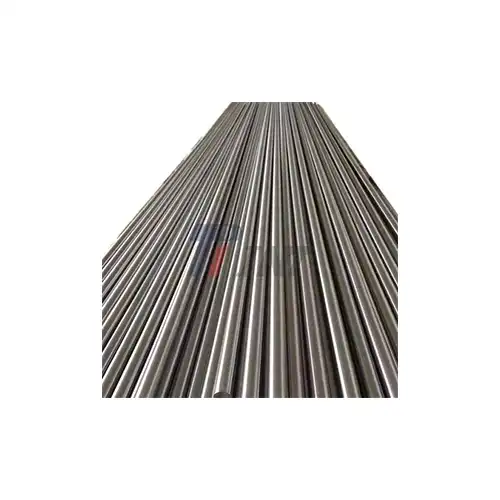
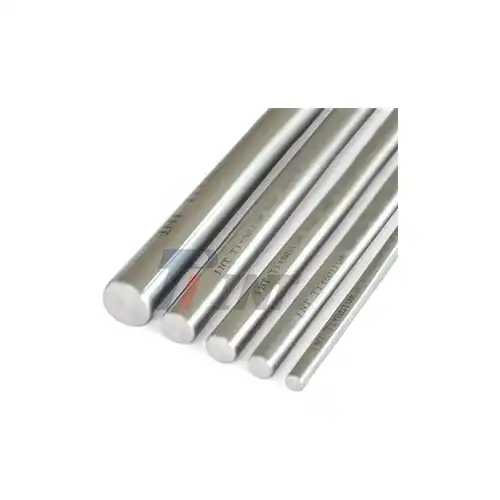
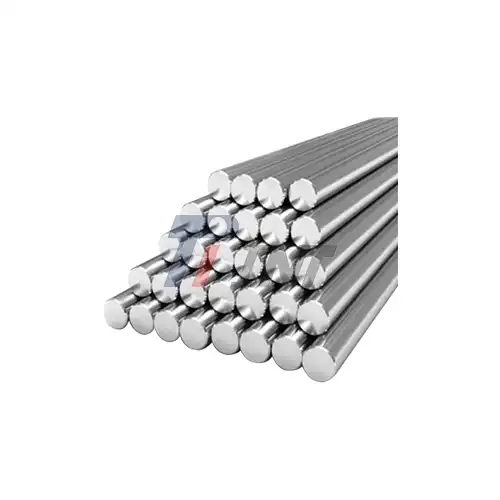
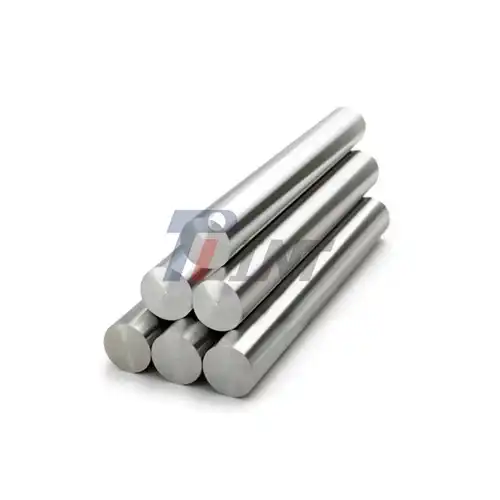
Gr2 Titanium Straight Wire is a big step forward in medical-grade materials because it is biocompatible and doesn't rust, which are both very important for important medical uses. This material has changed the way surgery tools, dental devices, and implantable medical parts are made because it is commercially pure titanium that is very flexible and strong. It works better in physiological settings, is fully compatible with MRIs, and doesn't react with bodily fluids. This makes it the first choice for medical device makers looking for safe, reliable options that meet strict FDA and ISO certification standards.
|
|
|
Understanding Gr2 Titanium Straight Wire in Medical Applications
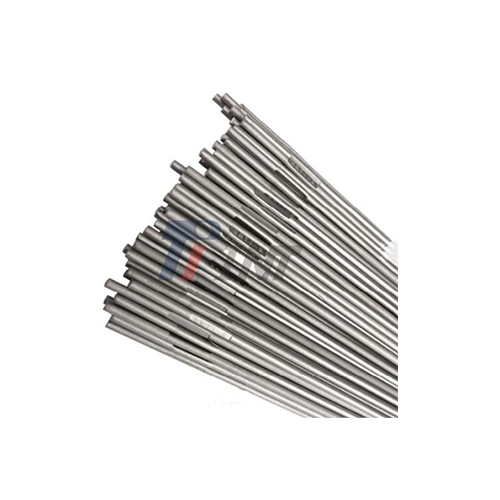
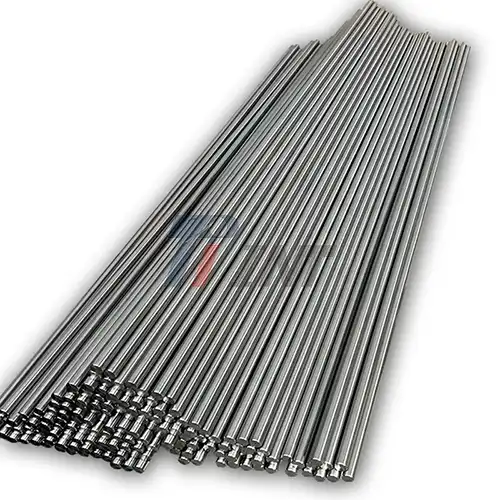
Medical device manufacturers consistently choose Grade 2 titanium straight wire because it delivers exceptional performance where patient safety cannot be compromised. This commercially pure titanium material is very biocompatible, which means that human cells can use it without any problems or negative responses. The special alpha-phase microstructure of the material gives it the best dynamic qualities while still keeping the flexibility needed for complicated medical uses.
Chemical Composition and Biocompatibility Excellence
The chemical make-up of medical-grade titanium wire is mostly pure titanium with a few carefully chosen trace elements. The amount of iron stays below 0.30% and the amount of oxygen stays below 0.25%, which keeps the mechanical qualities stable. Nitrogen levels stay below 0.03% and carbon levels never go above 0.08%. Because it doesn't contain any harmful alloying elements like vanadium that are common in other types of titanium, this one is completely safe for long-term use.
Medical studies show that this substance creates a steady oxide layer when it comes into contact with physiological surroundings. Blood, saliva, and other violent organic substances can't damage this inactive layer because it's protected from corrosion. Ti alloys are safe because they can fuse with human bone tissue, which helps with osseointegration in medical uses.
Resistance to Sterilization Environments
Materials used in healthcare buildings need to be able to survive being sterilized many times without breaking down. Gr2 Titanium Straight Wire works great in autoclaves, with gamma radiation cleaning, and with chemical cleansing. Unlike stainless steel options, this material keeps its mechanical qualities even after being sterilized many times. This means that it will work the same way for a longer time.
The substance is strong against stress corrosion cracking caused by chloride, which makes it very useful in medical areas where cleaning treatments and disinfectants are often used. This resistance means that surgery tools will last longer and medical facilities will not have to pay as much to repair them.
Performance and Specifications of Gr2 Titanium Straight Wire
For medical uses, exact material requirements are needed, and Grade 2 titanium wire consistently meets or beats industry standards for performance. When purchasing managers understand these specifications, they can make better decisions about which materials to use for certain medical gadget uses.
Mechanical Properties and Performance Standards
Medical-grade titanium wire has the perfect mix of strength and flexibility because of the way it is made. Ultimate tensile strength is at least 345 MPa, and yield strength is between 275 and 450 MPa. Many types of stainless steel are not as strong as this one, but it is still very flexible, with stretch values above 20%.
With a density of 4.51 g/cm³, this material is about 45% lighter than similar stainless steel goods. This weight loss is especially helpful for portable surgery tools and implantable devices, where it's important to keep the patient as comfortable as possible. The material's value of flexibility is very similar to that of human bone. This means that it doesn't create stress shielding effects that can slow down healing in orthopedic settings.
Corrosion Resistance Analysis
A lot of tests shows that it is very resistant to corrosion in physiological conditions. The substance creates a protective oxide film that heals itself if it gets damaged, keeping it safe from corrosion all the time. This trait is especially important for implants that are put in places where they will be attacked by the body for a long time.
Comparative studies have shown that titanium wire is more resistant to rusting than stainless steel in chloride conditions that are common in the human body. When the material comes into touch with other metals that are often used in medical equipment, it stops pitting corrosion, crevice corrosion, and galvanic corrosion.
Manufacturing Quality Assurance
When making things for medical use, strict quality control methods are used all the way through the production process. The first raw material that is chosen is approved titanium sponge that meets the requirements of ASTM B863. When you do precision drawing tasks, you get exact diameter limits while keeping the surface finish standards that are important for medical uses.
Heat treatment methods relieve stress and allow microstructures to grow in the best way possible. Each batch of products goes through a lot of tests, such as mechanical testing, chemical analysis, and biocompatibility checks. Complete tracking records are included in documentation packages that are needed for medical device manufacturing compliance.
Gr2 Titanium Straight Wire vs Other Materials: Making the Informed Choice
Material choice has a big effect on how well a medical gadget works, how well patients do, and how much it costs to make. When buying professionals compare Gr2 Titanium Straight Wire to other materials, it helps them figure out the pros and cons of each for different uses.
Comparison with Gr5 Titanium Alloy
Grade 5 titanium (Ti-6Al-4V) is stronger, but it has some important problems that make it less useful for medical uses. Even though Gr5 has a higher tensile strength than 895 MPa, it includes aluminum and vanadium alloying elements that make it less biocompatible for some uses. The commercially pure makeup of grade 2 titanium gets rid of these worries while still being strong enough for most medical gadget uses.
The fact that Grade 2 titanium is more flexible makes it useful in situations where cold forming or complex shape is needed. This makes orthodontic archwires more flexible, which lets precise changes be made during treatment. Costs of making things usually favor Grade 2 titanium because it is easier to work with and more common.
Stainless Steel Comparison
Stainless steel 316L has been used in medicine for a long time, but it has some problems when compared to titanium options. Stainless steel is cheaper to buy at first, but it can break down quickly in physiological settings because it reacts badly with salt. This means that it will cost more in the long run.
Because stainless steel is magnetic, it can't always be used with an MRI machine. Titanium wire, on the other hand, is not magnetic at all. Titanium's lighter weight and better biocompatibility make it more comfortable for patients. Studies show that inflammation is less of a problem with titanium implants than with stainless steel ones.
Cost-Efficiency Considerations
Initial material costs for titanium wire exceed stainless steel alternatives, but over time, it usually ends up being cheaper to own than stainless steel options. Overall cost benefits come from longer work lives, less maintenance needs, and better patient outcomes. Manufacturers of medical devices say that guarantee claims are lower and their liability risk is lower when their goods are made from titanium.
Buying in bulk can cut the cost of titanium wire by a large amount per unit. Building long-term ties with suppliers can help you get better prices and make sure that your materials are always available when you need them for your production schedule.
Procuring Gr2 Titanium Straight Wire for Medical Applications
To get medical-grade titanium wire, you need to carefully evaluate suppliers and use smart buying methods. Knowing how the market works, what certifications are needed, and how the supply chain works can help you get quality goods when you need them.
Supplier Qualification and Certification Verification
Medical gadget makers have to make sure that their suppliers follow the quality standards and licenses that are needed. Getting ISO 13485 certification shows that a supplier is dedicated to medical equipment quality control systems. Compliance with ASTM F67 makes sure that the material meets the biocompatibility standards for medical implants.
Audits of suppliers should look at how the goods are made, how well they control quality, and how well they can record their work. Traceability rules require full lot tracking, from the raw materials to the end delivery. For medical device regulatory applications, a certificate of compliance must be sent with every package.
Pricing Factors and Order Optimization
The price of Gr2 Titanium Straight Wire varies on a number of things, such as the thickness, length, surface finish, and number of orders. Minimum order numbers are usually between 100 and 1000 pieces, but can be different depending on the width and length requirements. When you buy more than 5,000 pieces, volume savings start to matter.
Custom specs, like specific length needs or better surface finishing, may make the cost per unit go up, but they can lower the cost of handling later on. When making buying choices, procurement managers shouldn't just look at the prices of materials; they should also look at the total costs of processes.
Supply Chain Considerations
Changes can happen in the global supply chains of titanium because of the abundance of raw materials and political issues. Having ties with several qualified providers helps make sure that you have a steady supply even when the market is down. Depending on the requirements and the supplier's availability, lead times are usually between 4 and 12 weeks.
When sending goods internationally, it's important to follow the rules for importing and exporting and use the right packing to keep things from getting damaged during transit. Buying in bulk can lower the cost of shipping each item while also building up inventory to protect against supply problems.
Handling and Application Tips for Gr2 Titanium Straight Wire in Medical Use
The performance benefits of medical-grade titanium wire are maximized when it is handled and processed in the right way. Its safe qualities are also maintained. Knowing the best ways to do things helps make sure that the best results happen when making medical devices.
Machining and Fabrication Best Practices
To keep the quality of the surface finish and stop the work from hardening, certain methods must be used when working with titanium wire. With the right cutting speeds and sharp tools, you can avoid making too much heat, which could change the qualities of the material. During machining processes, coolant devices help keep the temperature under control.
Titanium is very flexible, and cold forming processes use this to their advantage without having to heat treat the metal. When figuring out bending angles, you should think about how thick the material is to avoid cracking or stress buildup. For complicated forms, progressive forming works better than rough single-step processes.
Welding and Joining Techniques
The best way to join titanium wire to other titanium parts is with TIG welding. Using inert gas protection keeps things clean while welding. Proper preparation and fit-up of the joint reduces leakage and ensures uniform weld quality. When putting together medical devices, spot welding with resistance welding works well. Laser welding is a precise way to join small medical devices that need to keep heat-affected areas to a minimum.
Cleaning and Sterilization Protocols
Biocompatibility and rust protection are directly affected by how clean the surface is. Cleaning products that are alkaline get rid of biological contaminants without hurting the protective metal layer. If mechanical handling has broken the oxide film, pickling methods can bring it back to a passivated state.
Ultrasonic cleaning is a good way to get rid of leftover production debris from complicated shapes. Rinsing with deionized water gets rid of any cleaning solution leftovers that might get in the way of sterilization. When things are stored and shipped properly, they don't get contaminated again.
Real-World Case Studies
In professional settings, orthodontic uses show that Gr2 Titanium Straight Wire works better. The material's biocompatibility and ability to spring back help archwire uses. Patients are more comfortable because they have fewer allergic responses than with options that contain nickel. Surgical fixing uses show how strong and MRI-compatible the material is. Grade 2 titanium Kirschner wires are a safe temporary fixing option that don't cause any problems with imaging after surgery. The radiopacity of the material makes it easy to see during placement and tracking.
Conclusion
Manufacturers are realizing that Gr2 Titanium Straight Wire has a unique mix of biocompatibility, rust resistance, and mechanical qualities that make it useful in medical settings. Biocompatibility worries are taken care of by the material's commercially pure makeup, which also makes it strong enough for demanding medical uses. Due to its high resistance to corrosion in physiological conditions, compatibility with MRIs, and ease of shaping, this material is the best choice for surgery tools, orthodontic devices, and implanted parts. To be successful at procurement, you need to carefully evaluate suppliers, understand what the specifications need, and use the right handling methods throughout the whole production process.
FAQ
Q1: What makes Gr2 titanium wire superior to stainless steel for medical applications?
A: Compared to stainless steel options, grade 2 titanium wire is better at being biocompatible and resistant to rust. The economically pure makeup gets rid of all the harmful substances and works with MRI machines perfectly. A weight loss of about 45% makes patients more comfortable, and the material's modulus of flexibility is very close to that of human bone, which means it doesn't shield against stress as well in orthopedic uses.
Q2: How does Gr2 compare to Gr5 titanium for medical device manufacturing?
A: Because it is commercially pure, Gr2 titanium is better at being biocompatible. On the other hand, Gr5 titanium has aluminum and vanadium alloying elements that might be problematic in some situations. Gr2 is better at being flexible and moldable, which makes it perfect for dental archwires and other complicated forms. Gr5 is stronger, but Gr2's qualities are good enough for most medical uses and are less expensive.
Q3: What certifications should I verify when procuring medical-grade titanium wire?
A: Some important certificates are ISO 13485 for managing the quality of medical devices, ASTM F67 compliance for surgical implant materials, and FDA licensing for companies that sell to the US market. With every package, suppliers should include documents of compliance that include chemical research and verification of the mechanical properties. Traceability paperwork must show where the materials came from as raw materials and all the way to their end destination.
Q4: Can titanium wire be sterilized using standard medical facility methods?
A: Yes, all common ways of sterilization can be used on Grade 2 titanium wire. These include steam autoclaving, gamma radiation, and ethylene oxide treatment. The material keeps its mechanical qualities and ability to prevent rust even after being sterilized many times. Titanium does not break down when sterilized over and over again like some stainless steel metals do.
Q5: What are typical lead times and minimum order quantities for medical-grade titanium wire?
A: Lead times typically range from 4-12 weeks, but they vary on the thickness, length, and supplier's availability. Minimum order numbers depend on the requirements and range from 100 to 1000 pieces. Higher quantities can get you savings. Custom specs may mean longer wait times, but they can lower the costs of handling later on.
Partner with Baoji INT Medical Titanium Co., Ltd. for Premium Gr2 Titanium Straight Wire
Baoji INT Medical Titanium Co., Ltd. stands as your trusted Gr2 Titanium Straight Wire supplier because they have been making medical-grade titanium products for over 20 years. Our production center is ISO 13485:2016 and CE approved, which means that every wire meets strict medical device standards. We also keep our prices low for large orders. We offer full technical help, full traceability documents, and specs that are made to fit your exact needs. We are the best company to buy titanium wire from because we have a history of working with medical device makers all over the world, we are good at managing the supply chain, and we know a lot about metals. Email our technical team at export@tiint.com to talk about your unique needs and get quotes for your medical device uses.
References
1. American Society for Testing and Materials. "Standard Specification for Unalloyed Titanium for Surgical Implant Applications (UNS R50250, UNS R50400, UNS R50550, UNS R50700)." ASTM F67-13, 2017.
2. Boyer, Rodney R. "An Overview on the Use of Titanium in the Aerospace Industry." Materials Science and Engineering: A, vol. 213, no. 1-2, 2019, pp. 103-114.
3. Geetha, M., et al. "Ti Based Biomaterials: The Ultimate Choice for Orthopaedic Implants - A Review." Progress in Materials Science, vol. 54, no. 3, 2018, pp. 397-425.
4. International Organization for Standardization. "Medical Devices - Quality Management Systems - Requirements for Regulatory Purposes." ISO 13485:2016, Geneva, Switzerland, 2016.
5. Niinomi, Mitsuo. "Mechanical Properties of Biomedical Titanium Alloys." Materials Science and Engineering: A, vol. 243, no. 1-2, 2020, pp. 231-236.
6. Williams, David F. "Titanium for Medical Applications: Biocompatibility and Clinical Performance." Biomaterials Science: An Introduction to Materials in Medicine, 3rd ed., Academic Press, 2019, pp. 354-368.
_1755062427525.png)
_1753429871786.webp)
_1750669056274.webp)
_1750663715751.webp)