
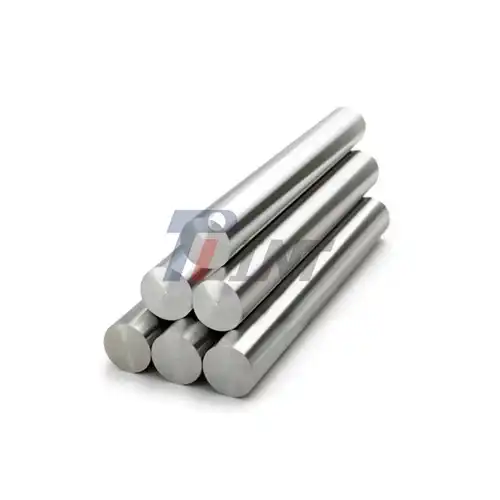
Understanding ASTM F67 Titanium Bar for Medical Applications


 2026-07-29 09:17:04
When sourcing materials for medical implants, surgical instruments, or dental applications, the choice of raw material defines both product performance and patient safety. ASTM F67 Titanium Bar represents the global gold standard for unalloyed, commercially pure titanium specifically engineered for surgical implantation. Unlike general industrial titanium grades, this material is manufactured under stringent purity controls to eliminate cytotoxicity risks, metallosis, and implant rejection. The specification covers four distinct grades—Grade 1 through Grade 4—classified by oxygen, iron, and nitrogen content, which directly influence mechanical strength and ductility. This material solves critical pain points for medical device manufacturers: achieving reliable osseointegration, preventing galvanic corrosion in physiological environments, and meeting FDA and ISO 5832-2 compliance mandates for long-term human implantation.
|
|
|
What is ASTM F67 Titanium Bar? Properties, Composition, and Standards
Defining the Medical-Grade Specification
The Standard Specification for Unalloyed Titanium for Surgical Implant Applications is ASTM F67. It includes the UNS numbers R50250, R50400, R50550, and R50700. This guideline is more than just a material standard; it's a complete system made to meet the strict biocompatibility and corrosion protection needs of the medical industry. The bar format makes CNC machining and automatic production processes more efficient. This directly fixes the manufacturing bottlenecks that happen when making low-volume, high-precision medical parts. Compared to aerospace-grade options like ASTM B348, ASTM F67-certified bars go through more metallurgical testing to make sure they are pure enough to be in direct touch with human flesh.
Chemical Composition and Purity Requirements
The biological performance of unalloyed titanium bars depends on how well their makeup is kept. Oxygen percentage goes from 0.18% in Grade 1 to 0.40% in Grade 4. Each grade makes the material stronger while making it slightly less flexible. Iron is limited to less than 0.50%, and hydrogen is kept to a maximum of 0.015% to keep the material from becoming weak over time.
Carbon, nitrogen, and other interstitial elements are kept at very low levels. This makes sure that the passive titanium oxide layer forms consistently when it comes in contact with body fluids. This oxide layer, which is about 10 nanometres thick, stops the release of ions that cause inflammatory responses, which is a problem that stainless steel alternatives always have. To make sure they follow the rules for regulatory audits, purchasing managers must check mill test reports that confirm these compositional limits.
Mechanical Properties Across Four Grades
Mechanical performance changes in a predictable way across the grade range. With a yield strength of about 170 MPa and elongation reaching 24%, Grade 1 has the smoothest profile. This makes it perfect for uses that need to be very shaped, like maxillofacial repair plates. With a yield strength of over 483 MPa and a tensile strength of over 550 MPa, Grade 4 is the strongest available pure grade. It can be used for load-bearing tooth implant fixtures and bone fixation screws. The modulus of elasticity is around 103 GPa for all grades, which is much lower than stainless steel's 193 GPa. This means that there is less stress buffering, which can make orthopaedic implants loosen. The material's mass stays the same at about 4.51 g/cm³, giving it a great strength-to-weight ratio that makes healing easier for the patient.
Certification and Heat Treatment Considerations
The right heat treatment makes the dimensions more stable and removes any residual stresses from the machining process. Annealing cycles usually happen in inert atmospheres between 650°C and 750°C to keep the mechanical properties from changing when oxygen is introduced. The ISO 9001:2015 and ISO 13485:2016 certifications make sure that the production process can be tracked from the raw ingot to the polished bar stock. EU CE stamp and FDA paperwork are more proof that the product is in line with area rules. Supply chain managers can quickly pre-qualify suppliers when they know these certification requirements. This cuts down on audits and speeds up the time it takes for new medical devices to reach market.
Applications and Advantages of ASTM F67 Titanium Bar in Medical Industry
Surgical Implant Applications
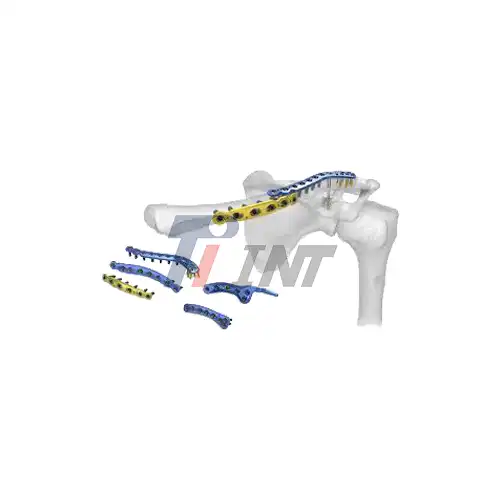
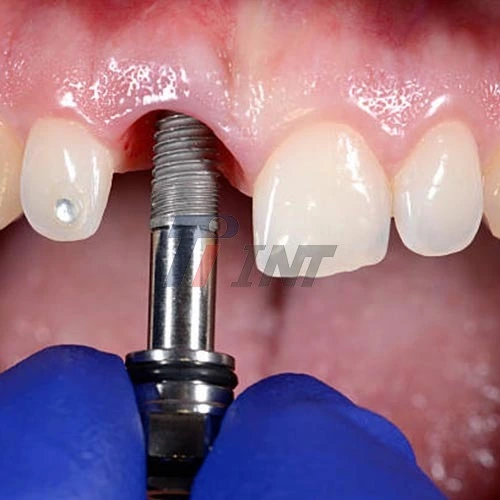
Pure titanium bars that are sold in stores, such as ASTM F67 Titanium Bar, are used as the raw material for many important types of implants. Fixtures for dental implants made from Grade 4 bars can withstand forces greater than 200 Newtons and help the bone to fuse quickly by roughening the surface. Cranial and maxillofacial plates made from Grade 1 or Grade 2 bars can be shaped during surgery without stress-cracking, so they can adapt to the unique anatomy of each patient. Both cortical and cancellous trauma fixation screws depend on the material's ability to resist pitting and crevice rust in the swollen areas around fracture sites. Because of this, these uses need materials that keep their shape and don't harm cells after decades of being implanted.
Superior Biocompatibility and Corrosion Resistance
Titanium is different from other materials because it forms a stable TiO₂ passive layer on its own. If this oxide film gets scratched, it grows back right away. This stops electrochemical processes that release metal ions into the tissues around it. Comparative cytotoxicity studies show that unalloyed titanium regularly has no negative effects on cells. This is in stark contrast to stainless steels that contain nickel, which can cause allergic reactions in patients who are already sensitive.
It doesn't corrode at all, even in saline solutions and changes in pH that happen in swollen tissues. This means that it doesn't have the metallosis risk that comes with cobalt-chrome metals used in joint replacements. This biocompatibility profile makes it easier for medical device makers that want to sell their products all over the world to submit their products to regulatory bodies in more than one country.
Strength-to-Weight Advantages in Device Design
Titanium's higher density helps engineers make portable surgical tools and implants that are light and strong. A titanium bone plate is just as strong as a stainless steel plate, but it weighs 43% less. This means that the tissue doesn't have to work as hard, and the patient is more comfortable while they heal. In cranial surgeries, where too much implant mass can cause pain or movement, this weight loss is very important. The non-magnetic properties of the material make it compatible with MRI, which means that imaging after surgery can be done without artefacts, which is often a problem with ferromagnetic stainless steels. Production managers like how easy the material is to work with because it balances concerns about tool wear with achievable surface finishes good for direct implantation.
ASTM F67 Titanium Bar vs Alternative Materials: Making the Right Choice
Comparing ASTM F67 and ASTM F136 Titanium Alloy
The ASTM F136 standard calls for the Ti-6Al-4V ELI (Extra Low Interstitial) metal, which has a higher final strength of over 860 MPa compared to ASTM F67 Titanium Bar Grade 4's 550 MPa. However, the alloying elements slightly increase the chance of trace metal ion release. This means that unalloyed ASTM F67 is better for uses that need complete biological inertness over maximum mechanical strength. F136 is often used in hip stem components because it doesn't wear down easily, and ASTM F67 is often used in dental implants because it has been shown to work well with osseointegration. Cost differences usually favour widely pure types by 15 to 20 percent because they are easier to process. However, the final material choice should be based on the loads it will be used for, not just on price.
Stainless Steel Comparison and Limitations
316L stainless steel is still commonly used in temporary fixing devices, but it is not a good choice for long-term use. Because it has a higher modulus, it protects against stress that can cause bone loss and implant loosening over time. Nickel content—usually 10–14%—can cause allergies, with 10–20% of the population being sensitive to it. While corrosion protection is good enough for short-term uses, it breaks down in the cracks of threaded devices, which could let chromium and molybdenum ions escape. When looking at long-term implant projects, procurement teams should know that titanium's higher initial material cost is balanced by better clinical outcomes and lower rates of revision surgery.
Cost-Performance Evaluation for Procurement Planning
The price of raw materials for ASTM F67 Titanium Bars is usually between $25 and $45 per kilogram, based on the grade, the thickness, and the level of detail in the certification documents. When you commit to buying more than 500 kilograms, you can often get better prices, but custom diameter tolerances may cost an extra 10 to 15 percent. When figuring out the total cost of ownership, things other than the unit price become very important. For example, titanium's better machinability cuts cycle times by about 20% compared to stainless steel, its resistance to corrosion gets rid of the need for coatings, and its biocompatibility profile cuts down on costly regulatory compliance delays. Strategic buyers know that these benefits over the material's lifetime support its high price in medical uses.
Procurement Guide for ASTM F67 Titanium Bars
Selecting Certified Suppliers
To find approved providers of ASTM F67 Titanium Bar, you have to check several levels of certification. Compliance with ISO 13485:2016 shows strong quality control systems for medical devices, and mill certifications must show that each production lot has been tested for chemical makeup and mechanical strength. For access to the U.S. market, well-known manufacturers keep their FDA registration and CE marking up to date. In addition to certifications, you should also look at the technical support a supplier offers.
For example, can they offer metallurgical advice for improving heat treatment or surface finish specifications? Long-term partnerships work best when suppliers show they are willing to help with sample validation testing and can provide the material traceability paperwork that is needed for regulatory submissions. Verifying a supplier's reputation through industry groups and customer references gives you more trust, especially when looking at newer suppliers with competitive prices.
Understanding Minimum Orders and Customization
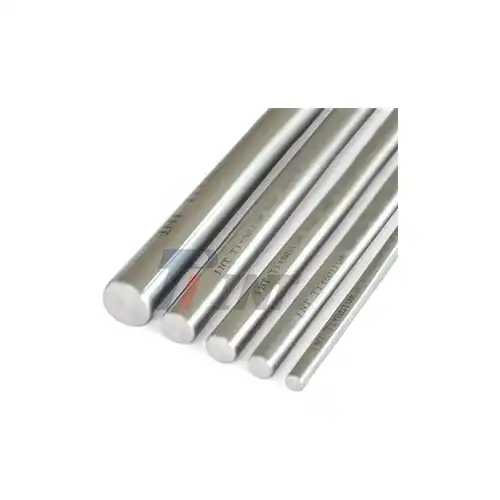
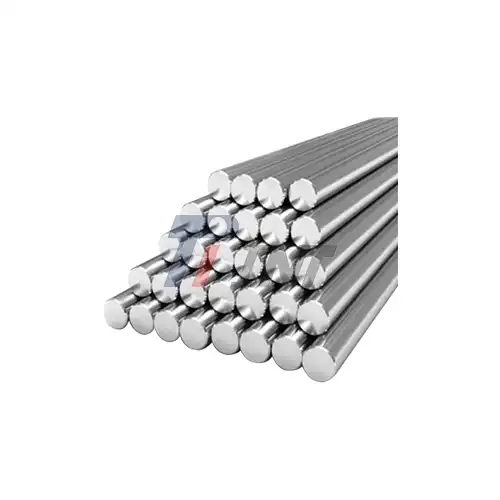
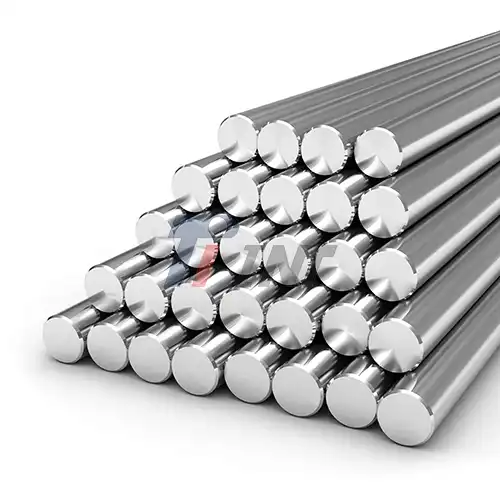
Standard bar widths are between 6mm and 200mm, and lengths are usually given in 1000mm to 3000mm chunks. Minimum order amounts depend on the diameter. For example, promises for common diameters like 12mm or 16mm may only need 50–100 kg, but pledges for special diameters that are outside of standard tooling ranges often need 500 kg at the very least to support die changes. Tolerance requirements have a big effect on how well a machine works.
For example, medical-grade bars are usually held to a h9 diameter tolerance and straightness within 1.5 mm per metre. Lead times for normal inventory items are usually between 4 and 6 weeks, but they can be up to 10 to 14 weeks for unique sizes that need special production runs. Export documentation is an important part of international procurement. Reliable suppliers handle REACH compliance for EU destinations and provide country-of-origin certificates to help with tariff optimisation.
Evaluating Production Capabilities and Quality Assurance
Audits of suppliers' factories show how well they can make things that licenses alone can't show. Advanced makers use vacuum arc remelting (VAR) methods to reduce flaws and make sure that the makeup is the same across all bar cross-sections. Ultrasonic testing can find internal breaks bigger than 1 mm, which is important for high-stress implant uses. Protocols for checking the surface state should find oxidation, gaps, or die lines that could affect how well the implant works. Tensile testing, hardness verification, and grain size analysis must be included in the quality control paperwork for each production lot.
Baoji INT Medical Titanium Co., Ltd. is a good example of these skills because they use cutting-edge manufacturing tools and strict testing methods that they've created over 20 years of focusing on medical titanium materials. The fact that they are certified to ISO 13485:2016 and follow ISO 9001:2015 standards shows that they have a method for quality management that procurement workers can depend on for consistent material performance.
Conclusion
Biocompatibility, mechanical qualities, and source skills must all be carefully considered when choosing the right material specification for making medical implants. Commercially pure titanium bars that meet ASTM F67 Titanium Bar standards offer unmatched rust resistance and osseointegration performance that directly meet the most important needs of the medical device business. By knowing how the four grades are different in terms of structure, engineers can make plans that work best for different loads and body parts. Unalloyed titanium regularly shows better biological inertness and long-term stability compared to alloyed alternatives and stainless steels. Partnering with certified suppliers who keep strict quality control systems and offer full technical support throughout the product development cycle is key to successful procurement.
FAQ
Q1: Why Choose ASTM F67 Specifically for Implants?
A: The ASTM F67 guideline was created to meet the needs of surgical implants. It has strict controls on the composition of titanium that are not required by general industry standards. The unalloyed makeup gets rid of any minor elements that could cause bad biological reactions, and the passive oxide layer completely protects against corrosion in physiological settings. This mix lets bone and implant touch directly without covering them with fibrous tissue, which is important for load-bearing uses.
Q2: What Customization Options Exist for Bar Dimensions?
A: With limits held to h9 precision grade, manufacturers can make bars with widths from 6 mm to 200 mm. Cutting to the exact length needed for turning is possible, and the surface finish can be changed between hot-rolled and cold-drawn conditions. When needed for precise tasks, special grinding services can get Ra values below 1.6 micrometres. Depending on the needs of the forming process, the heat treatment states can be changed to achieve the highest level of either strength or flexibility.
Q3: How Does Corrosion Resistance Compare to Other Grades?
A: All four ASTM F67 grades have the same level of corrosion resistance because they are made of pure metal and passive oxide formation. This resistance is much higher than that of stainless steel, especially in cracks where chloride ions tend to gather. When it comes to extreme pH conditions, commercially pure titanium has slightly better protection than Ti-6Al-4V alloys. However, these differences aren't important in most implantation settings.
Partner with a Trusted ASTM F67 Titanium Bar Supplier
From 2003 to now, Baoji INT Medical Titanium Co., Ltd. has been a leading manufacturer of medical-grade titanium materials. Our wide range of products includes ASTM F67 Titanium Bar commercially pure titanium bars in all four grades. These bars come in sizes ranging from 6mm to 200mm and are made with precise standards that are perfect for making medical devices. With ISO 13485:2016 and ISO 9001:2015 certificates, we make sure that every batch of products we make meets the strict legal standards for surgical implantation.
Our professional team has worked in the titanium business for over 30 years and can help you choose the right materials, make changes, and keep track of everything to make the buying process easier. We provide stable quality and reliable wait times, whether you need a sample to be tested for R&D purposes or a large quantity to scale up production. Email us at export@tiint.com to talk about your specific needs and get certified samples of material from a reputable ASTM F67 Titanium Bar manufacturer that is dedicated to driving innovation in medical devices.
References
1. ASTM International. (2013). ASTM F67-13: Standard Specification for Unalloyed Titanium, for Surgical Implant Applications. West Conshohocken: ASTM International.
2. Brunette, D.M., Tengvall, P., Textor, M., & Thomsen, P. (2001). Titanium in Medicine: Material Science, Surface Science, Engineering, Biological Responses and Medical Applications. Berlin: Springer-Verlag.
3. Niinomi, M. (2008). Mechanical biocompatibilities of titanium alloys for biomedical applications. Journal of the Mechanical Behavior of Biomedical Materials, 1(1), 30-42.
4. Rack, H.J., & Qazi, J.I. (2006). Titanium alloys for biomedical applications. Materials Science and Engineering: C, 26(8), 1269-1277.
5. Geetha, M., Singh, A.K., Asokamani, R., & Gogia, A.K. (2009). Ti based biomaterials, the ultimate choice for orthopaedic implants – A review. Progress in Materials Science, 54(3), 397-425.
6. International Organization for Standardization. (2016). ISO 5832-2:2018 Implants for surgery — Metallic materials — Part 2: Unalloyed titanium. Geneva: ISO.
_1772162494331.jpg)
_1753426807653.webp)
_1750668472070.webp)
_1749195818446.webp)