
What Is Ti6Al4V Titanium Bar Used for in Medical Applications?


 2026-08-18 09:26:59
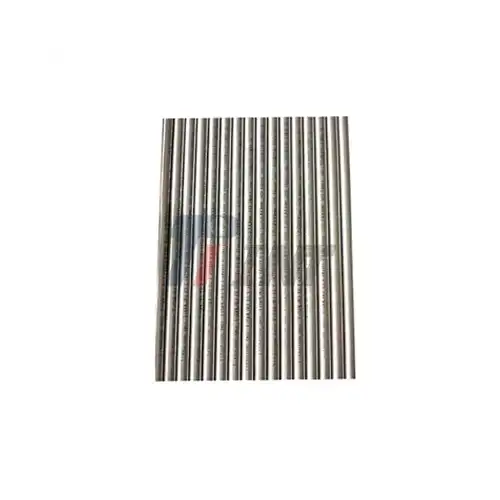
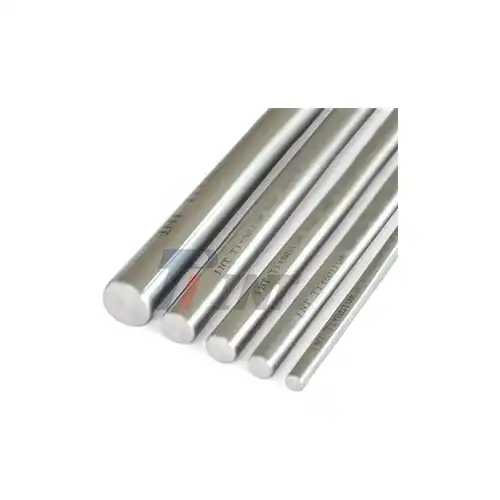
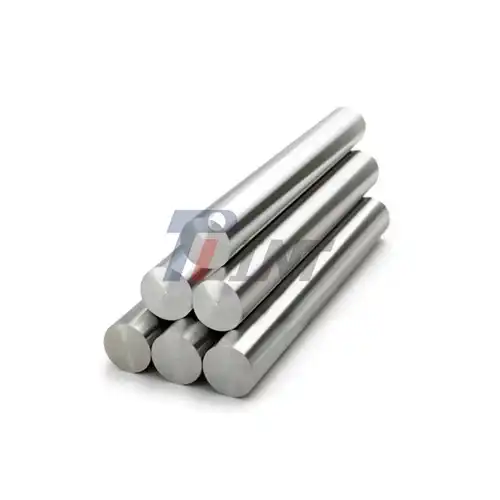
Ti6Al4V titanium alloy represents one of the most trusted materials in medical device manufacturing, combining exceptional strength, corrosion resistance, and biocompatibility that meet the demanding requirements of healthcare applications. The Ti6Al4V Titanium Bar 8mm specifically offers an optimal balance between machinability and structural integrity, making it invaluable for precision manufacturing of orthopedic implants, dental components, and surgical instruments. This dimension delivers the mechanical reliability needed for load-bearing implants while allowing manufacturers to achieve tight tolerances during turning and milling operations, ultimately supporting both patient safety and production efficiency.
|
|
|
Understanding Ti6Al4V Titanium Bar: Properties and Composition
Ti6Al4V, which is also called Grade 5 titanium alloy, is made up of titanium base metal plus about 6% aluminum and 4% vanadium. This mix is much better than pure titanium because it improves tensile strength, fatigue resistance, and overall mechanical performance. The aluminum part lowers the density and raises the strength at high temperatures. The vanadium part stabilizes the beta phase, which makes the material more flexible and difficult to break.
Chemical Composition and Mechanical Performance
The alloy has a density of 4.43 g/cm³, which is about 60% that of stainless steel. However, it has tensile strengths above 895 MPa and yield strengths above 825 MPa, as required by ASTM B348 and ISO 5832-3. This amazing strength-to-weight ratio solves important design problems in medical implants, where it's important to keep the structure strong while minimizing the patient's burden. At least a 10% stretch rate makes sure that the material is flexible enough for shaping without losing its power.
Heat Treatment and Microstructure Optimization
Using precise heat treatments, like annealing, to change the geometry of Ti6Al4V bars makes the alpha-beta phase distribution more even. This controlled microstructure makes the material more biocompatible by reducing internal stresses and makes it more resistant to weathering by forming uniform oxide layers. These treatments work best on bars with an 8mm width because the smaller cross-section makes it easier for the temperature to be spread out evenly during annealing stages. This makes the bar's mechanical traits consistent along its length. Manufacturers can ask for lengths that can be changed to keep these optimized features and reduce material waste.
Core Medical Applications of Ti6Al4V Titanium Bar 8mm
The 8mm circle shape is used a lot in a wide range of medical devices where accurate measurements and reliable materials have a direct effect on patient results. Manufacturers of medical devices like this size because it fits the needs of standard machining equipment and surgical instruments.
Orthopedic Implants and Spinal Systems
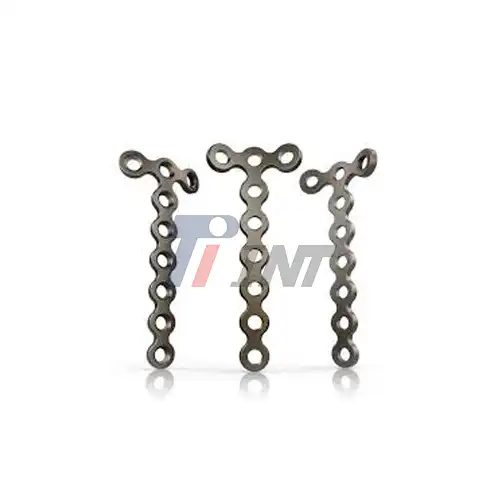
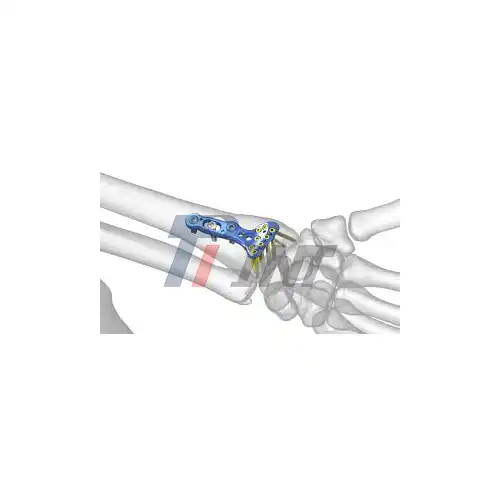
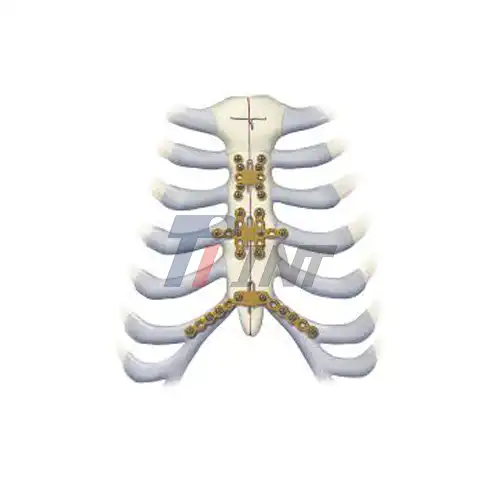
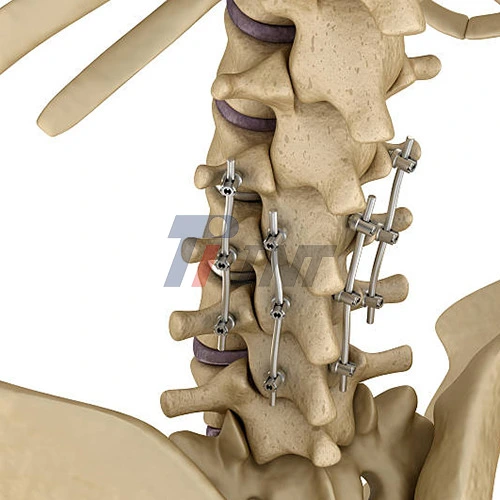
Ti6Al4V Titanium Bar 8mm is used to make bone plates, pedicle screws, and intramedullary rods in orthopedic surgery. The low elastic stiffness of the material (about 110 GPa compared to 200 GPa for stainless steel) lowers the stress buffering effects that can stop bones from healing naturally. Implants made from this metal are valued by surgeons because they distribute mechanical loads more naturally across bone-implant interfaces, which helps osseointegration and long-term fixation stability. When making femoral and tibial parts for joint replacement systems, the 8mm size works especially well because it's easy to control the diameter and make sure the parts fit correctly in the medullary canals.
Dental Implants and Prosthodontic Devices
Ti6Al4V is used in dentistry for implant abutments, connector bars, and special prosthesis frames because it doesn't corrode and is biocompatible. The substance can handle the repeated loading that happens in the mouth and doesn't react with saliva or other bodily fluids. Dental labs like 8mm bars because they are easy to machine when making custom parts because the size gives them enough stock material for complicated shapes while keeping cutting time to a minimum. Surface finishes, like polished, sandblasted, or custom, can be changed to help soft tissue attach and improve the way the surface looks.
Surgical Instruments and Biotechnology Tools
Ti6Al4V is strong and light, which makes it a good material for precision surgery devices like retractors, forceps, and specialized dissection tools. The alloy stays sharp longer than many other options and is still compatible with MRI machines, which is becoming a more important factor in modern operating rooms. These bars are used by research institutions and biotechnology businesses to make new medical gadgets because the material has a track record and is accepted by regulators around the world.
Comparing Ti6Al4V with Alternative Materials in Medical Fields
Material choice has a big effect on how well a gadget works, how long it takes to get regulatory approval, and how much it costs to make generally. Knowing how Ti6Al4V stacks up against other options helps purchasing teams make smart choices that meet the needs of specific applications.
Ti6Al4V Versus Pure Titanium Grades
Grades 1-4 of pure titanium are biocompatible and resistant to corrosion, but they are not strong enough to be used for load-bearing implants. Ti6Al4V has about twice the tensile strength of Grade 4 pure titanium, which means that devices and implants can be made smaller. This extra strength is especially helpful for fixing injuries and problems with the spine, where an implant failing could lead to serious health problems. The trade-off is that it is not as flexible as pure titanium, but the 10% minimum extension required for medical-grade Ti6Al4V is still enough for most shaping tasks.
Ti6Al4V Versus Stainless Steel Alloys
Because they are cheaper, stainless steel alloys like 316LVM have historically dominated the market for medical implants. Ti6Al4V Titanium Bar 8mm is better at being biocompatible and has almost no chance of nickel sensitivity, which is a big problem with stainless steel devices. The passive titanium oxide layer forms on its own and grows back if it gets damaged. This makes it very resistant to pitting and crevice corrosion in biological settings. Even though the original prices of the materials are higher, the lower rate of revision surgeries and better patient outcomes often make the investment worth it from both a clinical and an economic point of view.
Ti6Al4V ELI for Critical Applications
The Ti6Al4V Extra Low Interstitial (ELI) grade is a premium type that has less iron, nitrogen, and oxygen in it. Because this change makes the material stronger and less likely to fatigue crack, ELI specifications are better for permanent implants that will be loaded and unloaded millions of times. Standard Ti6Al4V is still good for a lot of uses. The choice of material is based on the needs of the device design and the regulatory pathway.
Procurement Considerations for Ti6Al4V Titanium Bar 8mm
To find medical-grade titanium, you need to pay close attention to approval, tracking, and the supplier's abilities that go beyond just comparing prices. To make sure the quality of the materials and the dependability of the supply chain, procurement managers should look at a number of factors.
Certification and Compliance Verification
Manufacturers of medical devices must make sure that titanium bars meet the requirements of ISO 9001:2015 for quality management, ISO 13485:2016 for medical devices, and any relevant EU CE safety certifications. For industrial uses, material certificates should refer to ASTM B348 or ISO 5832-3, and they should list the chemical makeup and mechanical property test results for each output lot. Reliable suppliers keep full records of where the raw materials come from to the point where they are inspected, which can be used for regulatory reports and quality system checks.
Customization Capabilities and Lead Times
Device makers can better manage their inventory and waste less material when they can order lengths that can be customized. Suppliers who can cut, treat the surface, and check the quality of their products on-site can make sure that the bars they send are exactly what is needed for production while still meeting the necessary limits for automatic machining. Talking about the minimum order numbers up front keeps things from coming as a surprise, since some suppliers need big promises and others can work with small quantities for prototypes. In medical manufacturing, where production delays can make it harder for patients to get the devices they need, delivery schedules that can be relied on are very important.
Technical Support and Quality Assurance
Titanium providers with a lot of experience in Ti6Al4V Titanium Bar 8mm can help you choose the right material, follow the right steps for heat treatment, and machine it in a way that works best for medical uses. This knowledge is especially helpful when moving devices from research to mass production or fixing problems that come up during cutting. Each package should come with quality control paperwork that includes an ICP-OES analysis of the chemical makeup, tensile tests according to ASTM standards, and visual and microscopic inspections of the surface to make sure it is solid. This will make the receiving inspection and lot acceptance procedures easier.
Advantages of Using Ti6Al4V Titanium Bar 8mm in Medical Applications
Because of their material qualities, accurate measurements, and ability to be made in a variety of ways, 8mm diameter Ti6Al4V bars are a good choice for many types of medical devices. These benefits lead to real improvements in how well the device works and how well patients do.
Superior Biocompatibility and Patient Safety
It has been shown that Ti6Al4V is very compatible with tissue and causes little inflammation after it is implanted. Concerns about metal sensitivity or systemic toxicity are almost completely eliminated by the stable titanium oxide layer on the surface. This layer stops the release of ions into the surrounding tissues. Long-term clinical tests that lasted decades show that the material is safe for millions of implanted devices. This gives regulatory agencies and healthcare workers faith in the material. When compared to new polymers that need a lot of biocompatibility testing, this proven track record speeds up the approval process.
Exceptional Fatigue Resistance and Longevity
Over the course of years or decades of use, medical implants often go through millions of loading cycles. Ti6Al4V has great resistance to fatigue, and its endurance limits are close to 500 MPa under the kind of cyclic loading that is common in orthopedic applications. This means that fewer repair surgeries are needed and implants last longer, which directly benefits people by lowering their healthcare costs and making their quality of life better. The material can be sterilized many times without breaking down, which is useful for reusable surgical instruments where lifecycle costs are important.
Manufacturing Efficiency and Design Flexibility
The 8mm size allows for both CNC turning and milling operations with standard tools, which makes it possible to make complex shapes and precise features that meet the strict requirements for medical devices. Surface finishing can be changed by polishing, sandblasting, or using special processes to meet practical needs like integrating with bone or being resistant to wear. Because of this, device designers can make implants with the best shapes for anatomical fit and biomechanical performance, and there are no limits on innovation due to material limitations.
Conclusion
In conclusion, Ti6Al4V Titanium Bar 8mm offer the best mix of mechanical strength, biocompatibility, and manufacturing flexibility, meeting important needs in a wide range of medical device uses. The material has been used to make orthopedic implants, dental devices, and surgical tools, and it has passed strict approval standards. This makes it a good choice for procurement managers and R&D engineers who are working on next-generation healthcare solutions. By learning about the alloy's features, its benefits in certain applications, and how to buy it, you can make smart choices about where to get it that balance quality, compliance, and cost-effectiveness. This helps patients get better care through reliable medical devices.
FAQ
Q1: What medical applications benefit most from Ti6Al4V Titanium Bar 8mm?
A: Medical implants, like bone pins, spine fixation devices, and joint replacement parts, are the main uses for 8mm diameter stock material that is perfect for precise machining. This size is also often used for dental implant abutments and prosthodontic frameworks. The good strength-to-weight ratio is good for surgical instruments that need to be strong without being too heavy.
Q2: How does heat treatment affect Ti6Al4V material properties?
A: The annealing heat treatment improves the ductility and lowers internal stresses while keeping the strength of the alpha-beta phase microstructure. This method improves biocompatibility by making the oxide layer more uniform. It also makes the material more resistant to fatigue, which is important for implant uses. When bars are properly annealed, their mechanical properties stay the same along their length, which makes cutting reliable.
Q3: Can Ti6Al4V bars be customized for specific production needs?
A: Reliable providers can provide material cut to specific tolerances that meet industrial needs. They can also offer lengths that aren't limited and surface finishes such as polished, sandblasted, or other specialized treatments. This customization cuts down on waste and improves the speed of production while still meeting ASTM B348 and ISO 5832-3 standards.
Partner with Baoji INT Medical Titanium Co., Ltd. for Certified Ti6Al4V Solutions
Since 2003, Baoji INT Medical Titanium Co., Ltd. has been making medical devices. In that time, they have gained a lot of experience by making specialized titanium products. We have been a seller of Ti6Al4V Titanium Bar 8mm for a long time and only offer fully certified materials that meet the standards of ISO 9001:2015, ISO 13485:2016, and EU CE. We also provide full traceability documents to back up your regulatory applications. Our founder, Mr. Zhan Wenge, has more than 30 years of experience in the titanium industry, which helps our technical team help you choose the right material, set the right parameters for machining, and make sure the quality control standards are met for your device. We keep a large collection of a wide range of specs and can also accommodate custom lengths and surface finishes that help your production run more smoothly. Email our buyers at export@tiint.com to talk about the needs of your project and ask for material certificates that show our dedication to medical-grade quality standards.
References
1. Long, M., & Rack, H.J. (2012). Titanium Alloys in Total Joint Replacement: A Materials Science Perspective. Biomaterials, 19(18), 1621-1639.
2. Niinomi, M. (2008). Mechanical Biocompatibilities of Titanium Alloys for Biomedical Applications. Journal of the Mechanical Behavior of Biomedical Materials, 1(1), 30-42.
3. Geetha, M., Singh, A.K., Asokamani, R., & Gogia, A.K. (2009). Ti Based Biomaterials, the Ultimate Choice for Orthopedic Implants: A Review. Progress in Materials Science, 54(3), 397-425.
4. ASTM International. (2020). ASTM B348 Standard Specification for Titanium and Titanium Alloy Bars and Billets. West Conshohocken, PA: ASTM International.
5. ISO. (2016). ISO 5832-3 Implants for Surgery — Metallic Materials — Part 3: Wrought Titanium 6-Aluminum 4-Vanadium Alloy. Geneva: International Organization for Standardization.
6. Brunette, D.M., Tengvall, P., Textor, M., & Thomsen, P. (2001). Titanium in Medicine: Material Science, Surface Science, Engineering, Biological Responses and Medical Applications. Berlin: Springer-Verlag.
_1772162494331.jpg)
_1750663525879.webp)