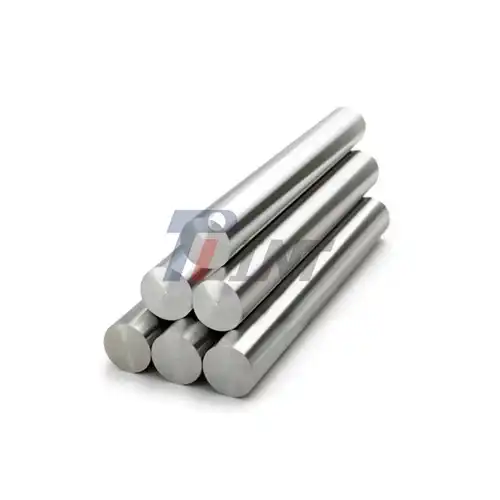
Gr9 Titanium Bar Benefits for Aerospace and Medical Parts


 2026-08-18 09:28:35
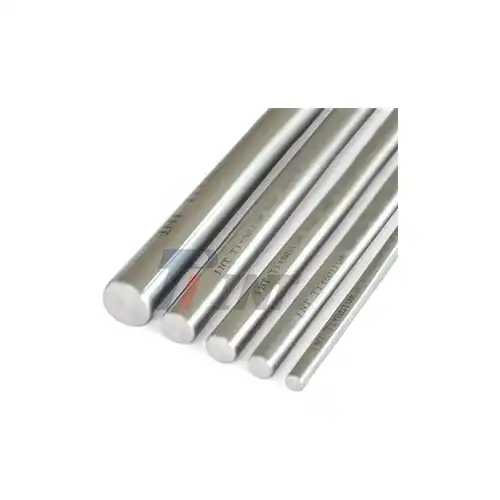
When medical device manufacturers and aerospace engineers face critical material selection decisions, the Gr9 Titanium Bar Dia 8mm emerges as a solution that addresses multiple procurement pain points simultaneously. This Ti-3Al-2.5V titanium alloy offers an exceptional balance between strength and formability, bridging the gap between commercially pure titanium and higher-grade alloys. In demanding applications where component failure is not an option, Gr9 titanium bars deliver reliable performance backed by comprehensive certifications including ISO9001:2015, ISO13485:2016, and CE compliance standards.
|
|
|
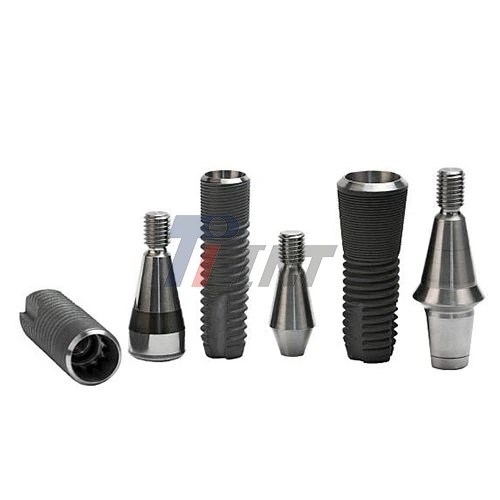
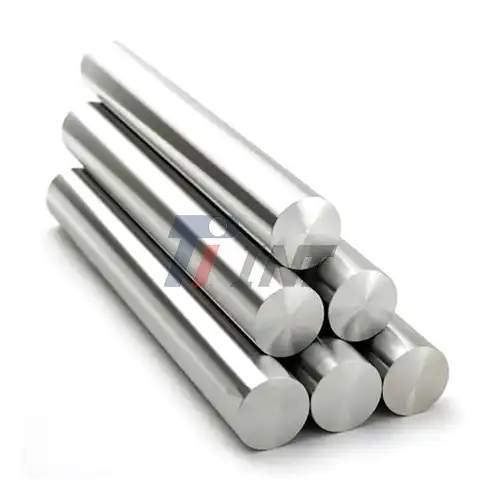
The 8mm diameter specification represents a versatile size particularly suited for surgical instruments, orthopedic pins, dental implant components, and aerospace fasteners. As procurement managers and R&D engineers evaluate material options for their next production cycle, understanding the specific advantages of Gr9 titanium becomes essential to making informed decisions that balance performance requirements, regulatory compliance, and cost considerations.
Understanding Gr9 Titanium Bar: Properties and Advantages for Aerospace & Medical Use
An alpha-beta titanium structure is created by the material composition of Gr9 Titanium Bar Dia 8mm alloy, which is made up of about 3% aluminium and 2.5% vanadium. This particular mixture has a density of only 4.48g/cm³, which makes it much lighter than stainless steel options while still having great tensile properties. In cold-worked stress-relieved conditions, the minimum tensile strength is 620 MPa, and the maximum yield strength is over 483 MPa.
Superior Mechanical Performance in Critical Applications
When making parts out of Gr9 Titanium Bar Dia 8mm bars, there are clear benefits over using lower-grade titanium or regular metals. The alloy stays very flexible, with elongation usually being between 10 and 15 percent. This lets fabricators do complicated machining tasks without breaking the material or wearing out their tools too quickly. This trait is especially useful when making complicated surgical instruments or aerospace brackets that need to be very accurate.
Another thing that makes it unique is its resistance to corrosion. When oxygen hits Gr9 Titanium Bar Dia 8mm, it forms a solid passive oxide layer. This natural defence system makes sure that the material will last for a long time even when it is exposed to harsh chemicals, body fluids, and seawater. In chloride-rich settings, stainless steel can crack or crevice rust can happen. Gr9 Titanium Bar Dia 8mms, on the other hand, keep their structural integrity over long periods of service.
Biocompatibility That Meets Medical Standards
When medical device makers choose materials for internal parts, they need to put biocompatibility and mechanical qualities at the top of their list. As a result of meeting the strict requirements set out in ASTM F136, ASTM B348, and ISO 5832-3 norms, Gr9 Titanium Bar Dia 8mm can be used in direct tissue contact uses. When the material is inserted, it causes very little inflammation. This means that problems are less likely to happen and patients do better after orthopaedic and dental treatments.
Heat treatment processes can improve the properties of materials even more so they work better in certain situations. After cold working, annealing treatments make the material more flexible again, and stress-relieving treatments keep the extra strength that was gained during the manufacturing process. With these thermal processing options, manufacturers can change the properties of the Gr9 Titanium Bar Dia 8mm to exactly what they need, whether they're making bone screws that need to be very resistant to fatigue or dental posts that need to be very resistant to corrosion.
Comparing Gr9 Titanium Bar (8mm) With Other Metals and Titanium Grades
When making a purchase decision, people often have to compare different types of materials to find the best one for their needs. When engineers and buying managers know how Gr9 Titanium Bar Dia 8mm stacks up against other options, they can make choices that are more in line with technical needs and price limits.
Gr9 Versus Grade 5 Titanium Alloy
Grade 5 titanium (Ti-6Al-4V) is the most common type of titanium metal used around the world. It is stronger than Gr9 Titanium Bar Dia 8mm. But this edge in strength comes with costs that are very important in some situations. It is much harder to cold-form Grade 5 into seamless tubing or complicated forms without making mistakes because it is less flexible. Higher tool wear rates and more difficult cutting factors make it more expensive to make things.
Gr9 Titanium Bar Dia 8mm is about 50% stronger than commercially pure titanium grades, but it can still be shaped easily, which makes it easier to make. This placement makes it perfect for uses that need more strength than CP grades but don't need the highest level of strength that Grade 5 provides. Purchasing managers can save money by making manufacturing less complicated while still meeting performance standards.
Stainless Steel and Aluminum Comparisons
Stainless steel 316L is still often used in medical applications because it is resistant to corrosion and doesn't cost as much to make. But Gr9 Titanium Bar Dia 8mms are better at resisting rust, especially when they are implanted for a long time and the patient's quality of life is directly affected by how long the device lasts. Gr9 Titanium Bar Dia 8mm has a higher strength-to-weight ratio than other metals. This means that titanium parts can be made with smaller cross-sections while still performing as well as or better than other metals. This makes patients more comfortable and improves surgical technique.
While aluminium metals are easier to work with and have a smaller density, Gr9 Titanium Bar Dia 8mm is better for medical uses because it is biocompatible and doesn't rust. Gr9 Titanium Bar Dia 8mm is good for aerospace parts because it can keep its mechanical qualities at high temperatures, while aluminium starts to lose strength. Gr9 Titanium Bar Dia 8mm material is an investment that pays off because it makes parts last longer and requires less maintenance.
Applications of Gr9 Titanium Bar (8mm) in Aerospace and Medical Industries
In real life, Gr9 Titanium Bar Dia 8mm bars show that their theoretical benefits can be turned into better performance in a wide range of industrial situations.
Medical Device Manufacturing Solutions
Surgeons who specialise in orthopaedics use titanium parts to fix broken bones and joints that are breaking down over time. When biocompatibility and wear resistance are important for long-term success, Gr9 Titanium Bar Dia 8mms are used to make intramedullary rods, bone screws, and spine fixation devices. The Gr9 Titanium Bar Dia 8mm specification works especially well for medium-sized fixation screws and dental implant abutments that need to be able to handle a lot of cycling load over many years of use.
Manufacturers of surgical instruments like this material because it keeps tips sharp and doesn't rust after being sterilised many times. Gr9 Titanium Bar Dia 8mms are used to make retractors, forceps, and specialised microsurgical tools that are light and give doctors great physical input. Custom machining lets manufacturers choose exact lengths and surface finishes, such as polished for medical uses that want a nice look or pickled for implantable parts that need the best surface properties.
Aerospace Component Reliability
Hydraulic systems in aeroplanes use seamless tubing made from Gr9 Titanium Bar Dia 8mms because the material is very strong and doesn't rust in places where there is a lot of vibration, changing pressure, and changing temperature. Fasteners made from Gr9 Titanium Bar Dia 8mms make stable connections in aircraft structures. Cutting weight directly improves fuel economy and payload capacity.
The material's ability to resist fatigue is especially useful in aircraft uses, where parts are stressed millions of times over the course of their life. While aluminium alloys can get fatigue cracks after a while of use, properly manufactured Gr9 Titanium Bar Dia 8mm parts will keep their structural integrity with the right maintenance and inspection schedules. Because of these features, aircraft engineers keep using Gr9 Titanium Bar Dia 8mm material in important systems where failure could have terrible results.
How to Procure High-Quality Gr9 Titanium Bars (8mm) for Your Business?
Setting up reliable supply chains for medical-grade titanium takes a close look at each supplier and clear conversation about what quality standards and delivery requirements are.
Certification and Quality Assurance Priorities
Qualified suppliers keep their certifications up to date, which shows that they can consistently make materials that meet international standards. The ISO13485:2016 certification is only for medical device quality management systems. It makes sure that suppliers use the right controls during the whole process of making and testing the devices. Each shipment should come with a material test record that shows the chemical composition was checked using ICP-OES analysis and the mechanical properties were tested according to ASTM E8 methods.
Ultrasonic testing that follows the rules set by AMS 2631 can find internal breaks that might affect how well a part works. Reputable makers check all of their critical-use materials, and they provide tracking paperwork that meets regulatory needs during the device clearance process. Before committing to large amounts of output, purchasing managers should ask for samples to be tested by a third party to make sure they are accurate. This builds trust in the supplier's skills and the consistency of the Gr9 Titanium Bar Dia 8mm materials.
Customization and Value-Added Services
Leading titanium suppliers offer precision cutting services that deliver bars in exactly the lengths you need for your manufacturing processes. This cuts down on waste and extra work. You can choose from different surface finishes, such as polished, pickled, or special treatments, to meet your machining needs or the way you want the finished product to look. When uses need very accurate measurements, custom diameter limits that are tighter than standard specs can be met.
When suppliers keep enough inventory on hand and show reliable lead times, they help production planning. Medical device companies that use the "just-in-time" method need partners who know how important it is to deliver products on time so that production doesn't stop. Bulk order price structures should take into account promises to buy a lot of items while still being able to adapt to changes in demand that are common in the aircraft and medical markets.
Why Gr9 Titanium Bar is the Preferred Material for High-Performance Applications?
Industry adoption trends in the industry show that Gr9 Titanium Bar Dia 8mm material is consistently chosen for uses where its strength, resistance to rust, and biocompatibility provide real benefits that make the material investment worthwhile.
Performance Validation Through Real Applications
Manufacturers of orthopaedic devices say that complications are less common with Gr9 Titanium Bar Dia 8mm implants than with older stainless steel devices. The biocompatibility of the material reduces inflammatory responses, and its modulus of elasticity is more like bone tissue than that of stiffer metals. These traits lead to better outcomes for patients and fewer surgeries that need to be redone. In the end, this is good for both medical professionals and device makers because it improves their reputation and lowers their liability exposure.
Case studies from the aerospace industry show that using Gr9 Titanium Bar Dia 8mm parts instead of steel ones in hydraulic systems and structural uses can save a lot of weight. There may be hundreds of Gr9 Titanium Bar Dia 8mm fasteners and fittings on a single aeroplane. Over the course of the aircraft's operating lifetime, the weight decreases will make it use less fuel. Maintenance records show that Gr9 Titanium Bar Dia 8mm parts need less maintenance than parts made of other materials. This lowers operational costs by reducing downtime and the number of times that parts need to be replaced.
Market Trends and Future Outlook
Smaller tools made from high-performance materials like Gr9 Titanium Bar Dia 8mm are being used more and more because of the growing demand for minimally invasive surgery methods. As populations age and people look for long-lasting ways to repair missing teeth, dental implantology continues to grow. This means that biocompatible Gr9 Titanium Bar Dia 8mms will always be in demand. Aerospace companies that want to make the next generation of planes perform better are always looking at Gr9 Titanium Bar Dia 8mm alloys for uses where weight is important.
New developments in material science keep making it easier to work with Gr9 Titanium Bar Dia 8mm by creating better heating tools and quality control methods. When suppliers buy advanced manufacturing tools and scientific know-how, they set themselves up to help customers make cutting-edge medical gadgets and space systems. Long-term partnerships with well-known titanium producers give you access to technical consultation services that help you choose the best materials, improve manufacturing processes, and set up quality control standards as you develop new products.
Conclusion
When choosing the right materials for aerospace and medical manufacturing, you need to carefully look at their mechanical properties, biocompatibility, regulatory compliance, and supplier reliability. Gr9 Titanium Bar Dia 8mms offer a great mix of qualities that meet important needs in a wide range of situations, from orthopaedic implants and surgical tools to hydraulic lines in aeroplanes and structure fasteners. The Ti-3Al-2.5V alloy has more strength than commercially pure titanium while still being easy to shape, which makes it easier to make. It also has great corrosion resistance and has been shown to be biocompatible, and it has a lot of international certifications to back it up. When procurement managers work with qualified sellers, they get access to more than just raw materials. They also get access to professional know-how and quality assurance systems that are necessary for developing products in industries with a lot of rules.
FAQ
Q1: What makes Gr9 titanium suitable for both medical and aerospace applications?
A: The material's unique mix of biocompatibility, resistance to rust, and good strength-to-weight ratio meets the needs of both businesses. Tissue compatibility and long-term stability in biological environments are good for medical uses, while lightweight construction and fatigue resistance are good for aerospace parts.
Q2: Can 8mm Gr9 titanium bars be customized for specific project requirements?
A: Reliable sellers let you make a lot of changes, like precisely cutting the length, choosing a surface finish like polished or pickled, and making sure the dimensions are just right for manufacturing needs. Customised heat processes can make the qualities of a material work better in certain situations.
Q3: How does the corrosion resistance of Gr9 compare to other titanium grades?
A: Gr9 Titanium Bar Dia 8mm keeps the great resistance to corrosion that titanium alloys have by creating a steady passive oxide layer that guards against a wide range of chemical environments, such as seawater, body fluids, and light reducing media. Performance is the same as or better than commercially pure grades, and mechanical strength is higher.
Partner With Baoji INT Medical Titanium Co., Ltd. for Superior Gr9 Titanium Bar Supply
Baoji INT Medical Titanium Co., Ltd. can help you with your buying needs because they have over 30 years of experience making medical-grade titanium. As part of our wide range of products, we offer Gr9 Titanium Bar Dia 8mms, which are made under strict quality controls and meets ISO9001:2015, ISO13485:2016, and CE standards. As a well-known manufacturer and supplier that works with medical device and aerospace companies all over North America, we know how important it is to have consistent materials, full documentation that can be used to track them, and reliable delivery dates. Our technical team can help you choose the right materials, set the right parameters for machining, and make sure the quality of the work is up to par for your specific needs. Email our team at export@tiint.com to talk about your needs and get full specs, pricing information, and information on whether samples are available.
References
1. American Society for Testing and Materials (ASTM). "Standard Specification for Titanium and Titanium Alloy Bars and Billets." ASTM B348-13, 2019.
2. International Organization for Standardization. "Implants for Surgery—Metallic Materials—Part 3: Wrought Titanium 6-Aluminium 4-Vanadium Alloy." ISO 5832-3:2016.
3. Donachie, Matthew J. "Titanium: A Technical Guide." ASM International, Materials Park, Ohio, 2nd Edition, 2000.
4. Long, Marc and Rack, H.J. "Titanium Alloys in Total Joint Replacement—A Materials Science Perspective." Biomaterials, Volume 19, 1998, pp. 1621-1639.
5. Boyer, Rodney, Welsch, Gerhard, and Collings, E.W. "Materials Properties Handbook: Titanium Alloys." ASM International, Materials Park, Ohio, 1994.
6. Peters, Manfred et al. "Titanium and Titanium Alloys: Fundamentals and Applications." Wiley-VCH Verlag GmbH & Co., Weinheim, Germany, 2003.
_1751959047184.webp)
_1750663253486.webp)
_1750662961697.webp)