Where to find bulk medical titanium bars for medical device manufacturing?


 2026-08-28 09:39:11
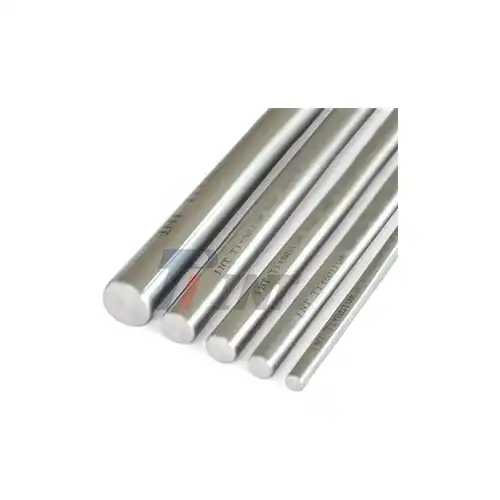
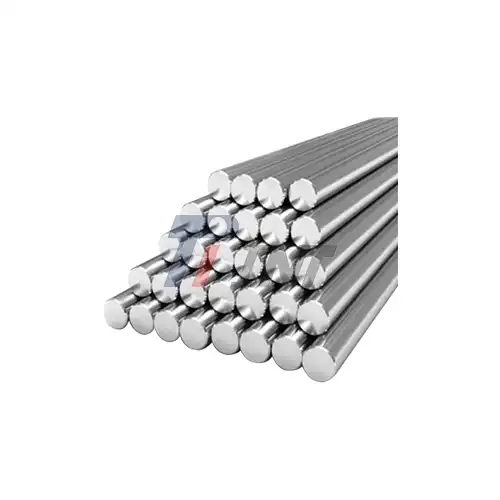
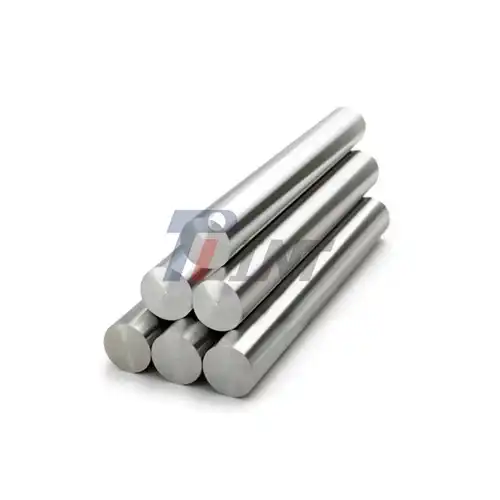
Finding reliable sources for bulk medical titanium bars requires navigating a complex landscape of specialized suppliers, certification standards, and technical specifications. Medical device manufacturers typically source these critical materials through three primary channels: direct engagement with certified OEM manufacturers like Baoji INT Medical Titanium Co., Ltd., established B2B platforms with verified supplier credentials, and industry trade shows where technical consultation and sample evaluation occur. The optimal sourcing strategy balances certification compliance, customization capabilities, and supply chain reliability to ensure consistent material quality for implant production.
|
|
|
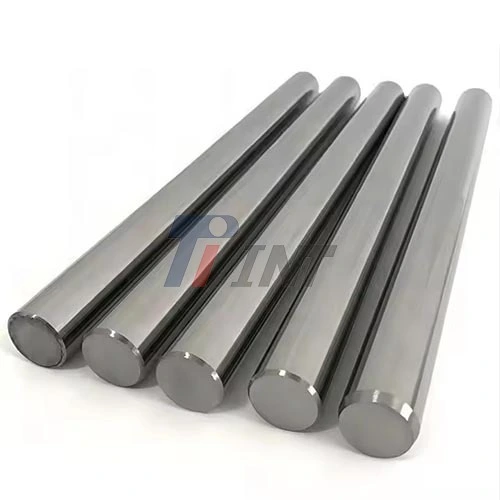
Understanding Medical Titanium Bars: Properties and Specifications
Medical titanium bars are the building blocks of many devices that save lives, like surgical tools and orthopedic implants. When buying teams know what makes them unique, they can make decisions that directly affect how well patients do and how long it takes for government approvals to be given.
What Makes Medical Grade Titanium Unique?
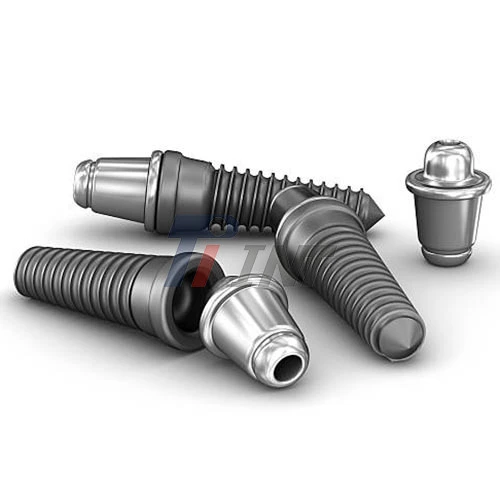
The main difference between industrial titanium bars and medical titanium bars is that medical titanium bars don't rust and are safe for bodies. It stays in the body for a very long time because it doesn't mix with acids or body fluids. The lack of activity is due to the formation of a thick layer of titanium oxide that stops the flow of ions. The bad responses that can happen with other metal implants are stopped by this. When an implant joins directly with bone, this is called osseointegration. This can be done with pure titanium and titanium alloys like Ti6Al4V ELI without making the immune system get sick.
Common Grades and Their Applications
There are three main types that are used to make medical products. The pure titanium Grade 1 doesn't rust and can be made into any shape. It is used to make heart valves and dental devices that need to be flexible. Grade 2 is often used for medical tools and dental screws because it is biocompatible and a little stronger. Grade 5 titanium (Ti6Al4V) and Grade 23 ELI (Extra Low Interstitial) have a tensile strength of over 895 MPa. This makes them great for orthopedic devices that need to hold weight, like spine bolts and hip stems. If something has an ELI mark, it means it has less oxygen and iron, which makes it harder to break when it matters.
Technical Specifications That Matter
The specs of the materials used directly affect how well a gadget works and whether it gets approved by the government. The sizes range from 6 mm to 150 mm so they can be used for many different types of manufacturing, from making small medical pins to large joint parts. With length options from 1000 mm to 3000 mm, CNC machines can make the most of their materials and waste less. When you polish or sandblast a surface, you change how bones grow and how they connect physically with nearby flesh. To follow FDA and CE rules, the tensile strength, stretch percentage, and elastic modulus measurements must all be the same as ASTM F67 and F136.
It is about half as springy as stainless steel, which makes titanium alloys useful for a very important medical issue known as stress shielding. In cases where an implant is stiffer than normal bone, the surrounding skeletal system doesn't get as much mechanical loading. This could lead to bone loss and implant loosening. Titanium is very close to bone in terms of how it works mechanically. This helps the stress be spread out more evenly, which makes the material last longer.
Comparing Medical Titanium Bars with Other Materials
What the gadget is made of has a big effect on how well it works, how safe it is for patients, and how much it costs to make. Tech teams and people who make budgets can figure out why they should buy titanium by seeing how it compares to other options.
Titanium Versus Stainless Steel
Stainless steel is still often used in surgery tools and temporary fastening devices because it is less expensive. But titanium is very useful for making gadgets inside the body. Titanium is about 20% stronger than stainless steel, with a strength-to-density ratio of 76 kN·m/kg. Why is this? Because titanium is 4.51 g/cm³ dense and stainless steel is 8 g/cm³ dense. This means implants will be lighter, which will make them easier for people to wear without affecting their strength.
Another important thing is resistance to corrosion. Some kinds of stainless steel work well in physiological settings, but over time, they release nickel and chromium ions that can make allergy sufferers sick. Titanium's solid oxide layer keeps these ions from moving, which is why implants made of it last so long. Titanium can also be used with MRIs since it is not made of metal. On the other hand, stainless steel implants make images look bad and might even get hot during scans.
Titanium Versus Cobalt-Chromium Alloys
Elements made of cobalt and chromium and titanium are both used to fix joints. When it comes to femoral heads and acetabular cups, cobalt-chromium metals are the best at keeping them from wearing down. These alloys are very strong and don't wear down quickly, so bearing surfaces last longer. Titanium, on the other hand, is better for stems and structural parts that touch bone because it is less bendable and more safe. Buying teams often use both materials together in one joint system. Medical titanium bars is used for parts that stay in place, and cobalt-chromium is used for areas that move.
Costs depend on how big and complicated the application is. It might look like cobalt-chromium raw materials are cheaper per kilogram, but titanium is actually cheaper to make when you take into account how much it costs to machine and how much material is wasted.
Titanium Versus Medical-Grade Polymers
In spinal cages and trauma plates, advanced polymers like PEEK (polyetheretherketone) are being used more and more. This is because they are radiolucent and stiff like bone. These materials make images better after surgery and lower the amount of stress buffering that happens. If the stress is high, like in hip stems or intramedullary nails, plastics can't hold as much weight as titanium can. Resistance to tiredness is another difference. Titanium metals can be loaded and moved millions of times without breaking. Plastics, on the other hand, can creep or change shape after being pushed for a long time. That being said, the approval processes for titanium implants are better set up, which could cut down on the time it takes for new device designs to reach the market.
How to Procure Bulk Medical Titanium Bars: Key Considerations
Finding deals is only one part of being a good buyer. Medical device companies need to find a way to cut costs while still making sure the goods are good. They also need to follow all the rules and keep the supply chain solid.
Evaluating Supplier Credentials
Checking a supplier's certification is the first step in judging them. A company that cares about quality management systems for medical devices will get ISO 13485:2016 certification. Controls for planning, risk management, and procedures for corrective action are all part of these systems. You can use ISO 9001:2015's more general quality assurance standards to make sure that goods are always made the same way. EU companies that sell medical devices must show that they follow the rules by getting CE approval under the Medical Device Regulation (MDR). Things that come into the US must be recorded with the FDA and follow 21 CFR Part 820.
Along with licenses, you should check to see how much experience the provider has with medical uses. If a business has been making titanium for decades for aerospace or industry, they might not know how to work with medical-grade materials. Companies like Baoji INT Medical Titanium Co., Ltd., which was founded in 2003 by someone with more than 30 years of experience in the field, know a lot about medical needs like vacuum melting processes, interstitial content control, and keeping records to make sure everything can be tracked.
Understanding Pricing Models
Ti prices change based on the pure grade, the width, and the quantity bought. Ti6Al4V alloys cost more per kilogram than pure titanium (Grade 1-4). This is because pure titanium is easier to make. Because they need to meet tighter standards for interstitial content and better mechanical qualities, ELI grades cost more. A lot of the time, orders over 500 kg get 8% to 15% off. But startups or R&D projects that only need a small amount at first may have trouble meeting the minimum order amounts.
You can trust a source if they are clear about how prices are set. A reputable manufacturer will give you a full quote that includes the costs of materials, processing, testing, and packaging. If there are secret costs for safety paperwork or material test reports (MTR), it could mess up the supply chain. When the price of titanium goes up and down, procurement teams should ask for multi-year price deals with escalation clauses that are tied to clear market trends. This will help keep budgets stable.
Customization Capabilities and Lead Times
Standard bar stock can be used for many things, but it needs to be cut to exact measures when medical products are being made. In order to make a custom implant, can the seller give me rods in non-standard sizes, such as 23 mm rods? Do they do centerless grinding so that the precision is ±0.02 mm for accurate machining? Surface processes like acid etching or anodization may be very important for some types of bone union.
International Logistics and Packaging Standards
Buying logistics planning keeps buyers from having to deal with delays and broken goods that cost a lot of money when they don't live in places like China, Japan, or the US that make a lot of titanium. It's important to guard the sides of medical titanium bars while they're being shipped so that they don't get dirty or broken. The bars don't touch each other, which could scratch them, because the wooden crates are wrapped in polyethylene, which keeps water out.
There must be material certificates, business invoices, and certificates of origin with all shipping papers. Ti bars with Harmonized System (HS) codes make it easier to get them through customs, but medical-grade bars may need more papers to be sent to the government. Find the best import fees, special trade deals, and secure warehouse options with the help of suppliers who have done this before. This will help you get the best total landed costs.
Where to Find Bulk Medical Titanium Bars: Top Sources and Purchasing Channels
Sourcing strategies range from direct manufacturer engagement to multi-vendor platforms, each offering distinct advantages depending on procurement priorities and organizational capabilities.
Direct Engagement with OEM Manufacturers
There are many benefits to working directly with companies that make medical titanium. Lots of different items are sold by businesses like Baoji INT Medical Titanium Co., Ltd. that are made from pure titanium, Ti6Al4V, and Ti6Al4V ELI. These items come in bar, wire, plate, and shaped shapes. Sizes of these plates range from 6 mm to 150 mm in diameter and up to 3000 mm in length. They can be used for many things, from tooth implants to trauma plates for the bones.
Without direct relationships, it's not possible for people to work together on technology. Experts in metals can help engineers choose materials, make ideas for how to work, and come up with rules for quality control. It's easier to file regulatory paperwork with companies that are ISO 13485 approved and EU CE compliant because they provide full tracking paperwork and material test results that meet ASTM F136 and F67 standards. The supply line is easier to see when you buy something directly. It is possible for buyers to set up site checks and stay up to date on production. Buyers can also make quality agreements that spell out inspection criteria and acceptance standards.
B2B Wholesale Platforms
A lot of sellers are in online markets like Alibaba, Made-in-China, and Global Sources. This makes it easy to compare costs. These platforms help buyers because they improve prices and connect them with sellers who may not have English-language websites or busy sales teams in other countries.
But buying on a site needs more study. The business license should be checked, the building should be inspected by a third-party service, and samples should be tested before big orders are placed as part of the verification process. Technical talks can be hard to have when people are in different time zones or having trouble communicating. That's why it's important to have clear written specs. Some people feel safer when they use platforms that offer payment safety, but it can take a long time to settle a dispute about the quality of the goods or their late delivery.
Industry Trade Shows and Professional Networks
You can see more about suppliers in person at medical device shows like the Annual Meeting of the American Academy of Orthopaedic Surgeons (AAOS), MEDICA in Düsseldorf, and MD&M events all over North America. Buyers can talk to sellers face-to-face at these events to find out how fast they work and how good the samples are.
A trade group called the Medical Device Manufacturers Association (MDMA) and an area group called the Twin Cities Medical Device Network both list their members and can help you find sources. Referrals from other engineers are very reliable because they share information about how reliable a provider is, how consistent their products are, and how well they can solve problems during production. It is easier for people to talk about their experiences with sellers when they use professional channels and LinkedIn groups for medical titanium bars experts. These methods help people in charge of buying things find partners who have already been checked out.
Best Practices to Ensure Quality and Compliance When Buying
When it comes to safety, getting approval from the government, and looking good in the market, the medical titanium bars clearly make a difference. If you follow strict checking rules and manage your providers properly, you can avoid failures that cost a lot of money.
Inspection and Testing Protocols
Before stock is sent to production, it should be inspected to make sure that the measurements are correct, the surface is smooth, and the mechanical properties are good. The width limits are confirmed by calipers, and flaws on the surface, such as cracks, inclusions, or too much oxidation, are found by looking at it. Ultrasonic testing finds holes or breaks inside things that could lead to wear failures in important uses.
Material test records (MTR) from suppliers show the chemical make-up, tensile strength, yield strength, and elongation values of a material. Compare these papers to ASTM F136 for Ti6Al4V ELI or ASTM F67 for titanium that is almost pure. If there are any differences, they should be checked by separate metallurgy labs before the expensive cutting is done on the material.
By treating the material with simulated body fluid (SBF) during rust resistance tests, it is shown to be stable in physiological settings. Protocols for rapid aging show how implants might break down over time, which could affect how well they work in the long run. Most of the time, ISO 10993 biocompatibility testing is done on finished devices, but it can begin with the materials to find harmful responses that are a cause for concern early in the development process.
Certification Documentation Review
Full tracking packages come with MTR and also heat treatment licenses, mill certificates with details about each production batch, and compliance statements that talk about the standards that apply. With an EN 10204 Type 3.1 certificate, authorized representatives of the manufacturer can check the quality of the material without working directly with the manufacturer.
To make sure that all the rules are followed, the grades of materials must match the device master records and design history files. For things to go easily with regulators, both FDA 510(k) applications and CE technical paperwork need to list specific ASTM standards. This means that all suppliers need to use the same language for certification. When the specs of materials bought don't match up with those listed by regulators, it can lead to big corrective steps or the recall of devices.
Supply Chain Security Measures
Health care supply chains around the world have a lot of problems with fake materials. Plans for buying things should include being able to track back to a single source. This means that every bar should have its own ID that can be linked to records kept by the factory, chemical tests, and mechanical test results. It is impossible to change the proof of where an item came from with blockchain-based tracking systems, which are being used by more and more top makers.
There should be clear language in contracts about what is needed for acceptance, how to fix materials that don't meet those standards, and who is responsible for failures that happen because of flaws in the materials. Plans for samples, hold point checks, and times when the maker needs to be told before production can start are all written down in quality agreements. These written deals protect both sides and make sure that everyone knows what they need to do in a way that promises made over the phone can't.
Conclusion
To get a lot of medical titanium bars, you need to know the rules, understand science, and have good ties with providers. Titanium alloys are important for modern medical devices because they are biocompatible, have a high strength-to-weight ratio, and don't wear down easily. But you can't get these benefits until you follow strict rules and make sure the quality is good. Working directly with approved OEM makers gives you better technical help and a clearer picture of the supply chain than working with generic platforms. Multichannel strategies, on the other hand, are more stable. It is important to know that making big mistakes can cost you more than just money, so a good buying process strikes a balance between cutting costs and keeping quality high.
FAQ
Q1: What titanium grade works best for orthopedic implants?
A: Ti6Al4V ELI (Grade 23) is the best material for orthopedic devices that hold weight, like spine plates, hip stems, and knee parts. The label that says "Extra Low Interstitial" means that the material is Grade 5 but has less iron and oxygen than Normal Grade 5. This makes it less likely to crack and wear down, which is important for implants that are put in and taken out millions of times. If you need something that can be shaped easily and won't rust, pure titanium types are a good choice for mouth implants and maxillofacial uses.
Q2: How long does international shipping take for bulk orders?
A: Delivery times depend on how unique the order is and where it's going. Standard diameter bars that are already in stock usually arrive at U.S. ports in two to three weeks by sea freight from Chinese makers. It takes three to five business days longer to get through customs. Custom specs like non-standard sizes or surface treatments add 8 to 12 weeks to the time it takes to make the goods before they can be shipped. Air freight speeds up the trip to 5–7 days, but it costs a lot more, so it's only good for rush orders or orders with a high value but low volume.
Q3: Can suppliers perform custom machining after delivery?
A: A lot of companies that make medical titanium bars offer extra services that raise the value of their goods. These include grinding without a center, exact cutting, and surface treatment. For complicated shapes, Baoji INT Medical Titanium Co., Ltd. can turn and mill them. They can turn raw bar stock into blanks that are almost in the shape of a net. This saves customers time and material that would have been used for machining. When it would be too expensive to set up specialist titanium machining in-house, like during the research process or low-volume production, these services come in very handy.
Partner with a Trusted Medical Titanium Bar Supplier
From Baoji INT Medical Titanium Co., Ltd., you can be sure that the medical titanium bar parts they sell are fit for medical use. We have been in business since 2003 and have worked with metal for more than 30 years. We have a lot of different goods, like pure titanium, Ti6Al4V, and Ti6Al4V ELI bars that are 6 mm to 150 mm wide and up to 3000 mm long. These are all made in line with EU CE and ISO 13485:2016 standards. We help people who make medical devices a lot by giving them expert advice, making sure they follow the rules, and giving them all the paperwork they need to send their goods to the government. Send an email to export@tiint.com to get personalized quotes from our buyers, and learn how our medical titanium bar manufacturing services can help you meet your goals for device development and production.
References
1. American Society for Testing and Materials. (2021). ASTM F136-13: Standard Specification for Wrought Titanium-6Aluminum-4Vanadium ELI Alloy for Surgical Implant Applications. West Conshohocken: ASTM International.
2. Long, M., & Rack, H.J. (1998). Titanium alloys in total joint replacement—a materials science perspective. Biomaterials, 19(18), 1621-1639.
3. Niinomi, M. (2008). Mechanical biocompatibilities of titanium alloys for biomedical applications. Journal of the Mechanical Behavior of Biomedical Materials, 1(1), 30-42.
4. International Organization for Standardization. (2016). ISO 13485:2016 Medical devices — Quality management systems — Requirements for regulatory purposes. Geneva: ISO.
5. Geetha, M., Singh, A.K., Asokamani, R., & Gogia, A.K. (2009). Ti based biomaterials, the ultimate choice for orthopaedic implants – A review. Progress in Materials Science, 54(3), 397-425.
6. U.S. Food and Drug Administration. (2019). Technical Considerations for Additive Manufactured Medical Devices: Guidance for Industry and Food and Drug Administration Staff. Silver Spring: FDA Center for Devices and Radiological Health.
_1755061331871.png)