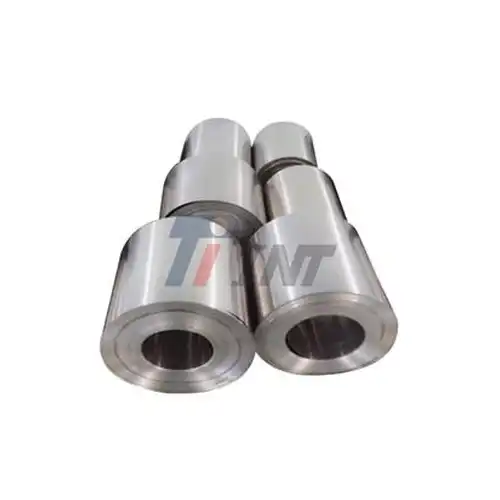
Titanium Plate Supplier Guide for International Importers


 2026-08-19 10:15:56
Sourcing the right titanium plates for medical device manufacturing demands more than competitive pricing—it requires a partner who understands biocompatibility, regulatory compliance, and consistent quality. For international importers supplying medical implants, surgical instruments, or dental equipment, Grade 1 Titanium Plate stands out as the most ductile and corrosion-resistant commercially pure titanium available. This guide walks you through evaluating suppliers, understanding material specifications, and navigating international procurement to ensure your next titanium plate shipment meets ISO, ASTM, FDA, and CE standards without compromise.
|
|
|

Understanding Grade 1 Titanium Plates: Properties and Applications
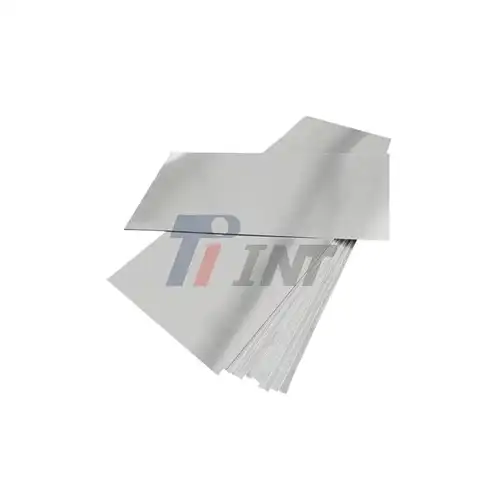
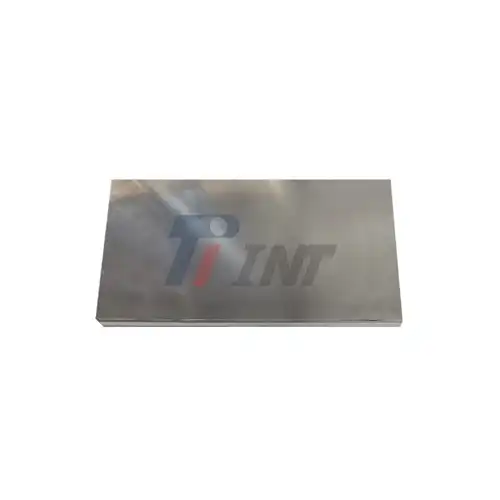
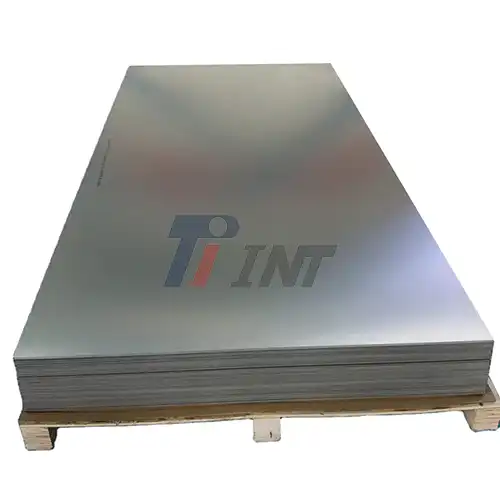
Grade 1 Titanium Plate is the purest type of widely available titanium. It has very little oxygen and iron in it (usually less than 0.18% oxygen). This unalloyed alpha-phase metal is very easy to shape, which makes it the best choice when making medical devices that need complex geometries or deep drawing operations.
Chemical Composition and Mechanical Properties
The chemical makeup has a direct effect on how well the machine works. Grade 1 Titanium Plate has very small amounts of carbon, nitrogen, hydrogen, and oxygen, but mostly titanium (99.5%). This mix has a tensile strength of about 35 ksi (240 MPa) and great stretch qualities of more than 24%, which means it can be cold-formed very hard without breaking. The low amount of intermediate elements makes the material very flexible, which is very important when making complicated implant parts or instrument housings that go through several steps of shaping.
These plates are usually sold by manufacturers in thicknesses between 0.5 mm and 60 mm, and the surface can be hot-rolled, cold-rolled, or polished. Since Grade 1 Titanium Plate can't be made stronger through precipitation hardening like titanium alloys like Ti-6Al-4V, heat treatment is still an option.
Corrosion Resistance Across Medical Environments
Medical device makers like Grade 1 Titanium Plate because it doesn't crack or break when exposed to salt, which is a problem that stainless steel has in physiological settings. To protect the base metal from body fluids, cleaning agents, and sterilisation processes using autoclaving or ethylene oxide, the material creates a stable, self-healing titanium dioxide layer when exposed to air. Grade 1 Titanium Plates can handle mild sulphuric acid, hydrochloric acid, and chlorine solutions when used in chemical processing tasks outside of medicine. This adaptability includes desalination equipment and hydrometallurgical processes. However, Grade 7 plates (enhanced with palladium) are needed when temperatures rise above 260°C or when tight cracks create areas that are corrosive.
Typical Applications in Medical Device Manufacturing
Grade 1 Titanium Plates are perfect for non-load-bearing medical implants, surgical tool cases, dental abutment blanks, and orthopaedic plate parts that need to be machined later because they are more biocompatible and easy to shape. When making prototypes or small batches, procurement managers at ODM/OEM plants often ask for this grade because the cost of making tools for higher grades would be too high. It is possible to machine the material, though it is slower than aluminium, as long as carbide tools and the right cutting fluids are used for turning and milling.
Comparing Grade 1 Titanium Plates with Alternative Materials
R&D engineers and purchasing supervisors can make cost-effective decisions without sacrificing performance or following the rules if they know how Grade 1 Titanium Plate compares to other options.
Grade 1 vs. Grade 2 Titanium
Grade 2 titanium has slightly higher amounts of oxygen and iron than Grade 1 Titanium Plate, which is why its tensile strength is about 50 ksi instead of 35 ksi. This 43% increase in strength comes at the cost of being less easy to shape. While Grade 2 is better at structural industry uses, Grade 1 Titanium Plate is still the best choice when maximum cold workability is needed, like in explosive bonding or complex pressing dies used to make medical devices. Using GTAW (TIG) ways with argon protection, both grades can be welded very well. However, Grade 1 Titanium Plate welding needs a little less heat to keep it from distorting.
Grade 1 vs. Stainless Steel and Aluminum
Stainless steel 316L is stronger and costs less, but it fails horribly in places with a lot of chlorine, where Grade 1 Titanium Plate does well. Titanium is about 45% lighter than steel, which makes implantable devices easier for patients to use and makes it easier to hold surgery tools. Even though aluminium alloys are lighter and easier to work with, they are not biocompatible or resistant to corrosion enough to be used for long-term implants. In contrast, aluminium can cause inflammatory responses in some situations, while titanium's oxide layer stays stable in the body for decades.
Grade 1 vs. Titanium Alloys (Grade 5)
Ti-6Al-4V ELI (Grade 23) is the medical-grade version of Grade 5. Its aluminum-vanadium alloying gives it maximum tensile forces of more than 130 ksi. Grade 5 is needed for load-bearing implants like hip stems and spine bolts because it is strong for its weight. On the other hand, Grade 5 is harder and less flexible, which makes cold forming more difficult and costs a lot more to do. Grade 1 Titanium Plate is more cost-effective when resistance to corrosion and ease of shaping are more important than maximum mechanical strength, especially in thin-section applications less than 3mm thick.
How to Source and Procure Grade 1 Titanium Plates Internationally?
Quality control and planning for logistics must be balanced in order for international buying to work well. This makes sure that materials come on time and meet strict standards for medical devices.
Essential Certifications and Documentation
Mill test certificates (MTCs) should be included with every shipment. These show the chemical make-up, mechanical properties, and history of heat treatment. The ISO 9001:2015 certification shows basic quality management, and the ISO 13485:2016 certification talks about the specifics of making medical devices. Suppliers that sell to the U.S. market must provide products that meet the requirements of ASTM B265 and can be tracked back to FDA-approved facilities when necessary. European buyers should make sure that the materials meet EN standards and that the CE marking is correct.
To independently check a supplier's claims, supply chain managers should ask for inspection reports from third parties such as TÜV, SGS, or Lloyd's Register. This step of verification lowers the chance that fake materials will get into production lines, which is a big problem when buying from suppliers you don't know.
Minimum Order Quantities and Lead Times
Most of the time, the minimum order quantity (MOQ) for Grade 1 Titanium Plates is between 100 kg and 500 kg, based on the width and surface finish requirements. Because of the cost of setting up the tools, custom sizes or measurements that aren't standard may need higher minimums. After an order is confirmed, the production lead time is between four and twelve weeks. Shipping by ocean freight takes an extra two to six weeks, and shipping by air takes one week. For just-in-time inventory methods to work, suppliers must be carefully coordinated with so that they keep enough standard-sized items in store. To balance the risk of supply interruptions with the need to keep cash flow tight, purchasing managers should set up blanket purchase orders with staged delivery schedules.
Pricing Factors and Negotiation Strategies
The price of raw titanium sponge changes depending on how much is made around the world and how much demand there is in the chemistry and aircraft industries. Plate change costs depend on how thick, wide, and treated the surface needs to be. International buyers can get lower unit costs by grouping their orders together, taking mill-finish surfaces when polishing isn't necessary, or choosing standard size ranges that cut down on waste during slicing.
There are usually 30% deposits required and the rest due before the shipment, but if you have a good relationship with the seller, you may be able to pay over 30 to 60 days. Letters of credit are still used for deals over $50,000 because they protect both parties in cross-border business.
Leading Grade 1 Titanium Plate Brands and Suppliers for Global Buyers
Working with well-known manufacturers will help you get consistent quality and reliable technical support as you develop your product.
Global Industry Leaders
Companies like TIMET and ATI Metals have been serving the medical and aircraft industries for decades. They offer a wide range of certifications and have been shown to be consistent from one lot to the next. These companies run more than one production facility, which makes the supply chain less vulnerable to problems in other parts of the country. The Baoji Titanium Industry Zone in China is home to many manufacturers, including medical Grade 1 Titanium Plate makers who have spent a lot of money on pharmaceutical-grade clean rooms and high-tech testing gear. Most of the time, regional suppliers offer better prices while still meeting international standards.
Evaluating Supplier Capabilities
In addition to certifications, you should check out suppliers' facilities and look at their quality control procedures, how they calibrate their equipment, and their training programs for employees. Responding quickly during the quote process is often a good indicator of how well people will communicate during production and shipping planning. Before placing a large order, ask for samples of the materials to be tested mechanically and metallographically. This check makes sure that the supplier's process rules always send materials that meet the needs of your application.
By working with two or three good sources, you can keep your supply chain from being too dependent on a single source, which could stop production if something goes wrong. Long-term partnerships have benefits, such as giving priority when titanium sponges are in short supply and working together to solve problems when new technical problems come up.
Best Practices and Expert Tips for Importers of Grade 1 Titanium Plates
Strategic planning and proactive risk management are what separate buying operations that are good at what they do from those that have problems with quality and are behind schedule.
Quality Verification and Counterfeit Prevention
Set up rules for inspecting items that come in that include looking for flaws on the surface, making sure the dimensions are correct using precise measuring tools, and trying the hardness to make sure the grade is real. Spectroscopy analysis gives exact information about the chemical make-up of materials, letting you spot substitutes before they are used in production. Keep track of all the paperwork from the time the mill is certified until the finished device is put together. This meets legal requirements for traceability and makes it easy to find the root cause of any quality problems that happen.
Inventory Management Strategies
You can find the right balance between the cost of storage and the risk of running out of stock by figuring out the "economic order quantities" based on past patterns of consumption and the variability of lead times. Safety stock levels should be high enough to cover two to four weeks of normal use, as well as uncertain demand and possible supply problems. Climate-controlled storage keeps the material's structure and stops the surface from oxidising, especially for plates that have already been polished and are going to be used for obvious implant parts. Using nylon slings or padded clamps to handle things the right way keeps them from getting scratched or dirty, which could weaken their corrosion resistance.
Managing International Logistics
Work with goods forwarders who know how to handle materials that are sensitive to temperature and can get dirty. Damage during international transport can be avoided with the right packing, which includes moisture barriers and cushioning materials. Insurance should cover the cost of replacing the materials as well as the time it might take to make things again if packages get lost or destroyed. Understanding Incoterms makes it clear where the buyer and seller's responsibilities end. FOB (Free On Board) terms put the responsibility for transportation on the buyer once the goods are loaded at the origin port. DDP (Delivered Duty Paid) terms, on the other hand, put all of that responsibility on the seller, which makes customs processing easier but raises prices.
Conclusion
Finding Grade 1 Titanium Plates from other countries means matching technical requirements, supplier skills, and the difficulties of logistics. By understanding the features of the material, you can be sure that the grade you choose will meet the needs of the application. Thoroughly evaluating the provider will lower the quality risks. Strategic purchase planning, which includes checking certifications, making the best use of inventory, and managing relationships, ensures a steady flow of materials that helps medical device production plans stay on track. As regulatory scrutiny grows around the world, it becomes more valuable to work with suppliers who can show they have a track record of compliance and technical know-how. This turns material procurement from a transactional necessity into a competitive advantage.
FAQ
Q1: What distinguishes Grade 1 Titanium Plate from higher-grade options?
A: Grade 1 Titanium Plate is the best titanium that can be bought in stores. It has a tensile strength of about 35 ksi and is very flexible and easy to shape. Because of this, it is perfect for medical applications that don't need to be structural. Higher grades, like Grade 2, offer more strength through slightly raised interstitial elements. Grade 5 metals offer much higher strength for load-bearing implants, but they can't be cold shaped. The option you choose will depend on whether the application values mechanical performance over ease of fabrication.
Q2: How long does international shipping typically require?
A: It takes four to six weeks for ocean freight from major production hubs in Asia to ports in North America or Europe. Another week is added for shipping by land. Shipping by air freight cuts the time it takes to about one week, but it costs a lot more. When you count the time it takes to make the goods, the lead time from placing an order to receiving it is eight to sixteen weeks. Planning purchase cycles around these dates keeps output from stopping.
Q3: Which certifications verify supplier credibility?
A: The ISO 13485:2016 certification is only for medical device quality management systems, and the ASTM B265 compliance makes sure that the properties of materials meet established standards. FDA licensing (for sales in the U.S.) and CE marking (for sales in Europe) show that the rules are the same. Third-party inspection reports from companies like SGS or TÜV offer extra security over suppliers who certify themselves.
Partner with Baoji INT Medical Titanium Co., Ltd. for Reliable Grade 1 Titanium Plate Supply
Baoji INT Medical Titanium Co., Ltd. has been making medical-grade Grade 1 Titanium Plate products for over 30 years and works with implant makers, surgery tool makers, and ODM/OEM partners all over the world. Our full ISO 13485:2016 certification and full traceability systems make sure that every shipment of Grade 1 Titanium Plate meets your regulatory needs. Our large collection covers a wide range of specs, so you can order in any amount and get it quickly, so it fits with your production needs. Our technical team helps you choose the right materials, makes suggestions for processing, and provides quality paperwork to meet the needs of your FDA or CE application. Email our export experts at export@tiint.com to talk about your project's needs and get a detailed quote from a reliable Grade 1 Titanium Plate supplier who wants you to succeed.
References
1. Boyer, R., Welsch, G., & Collings, E.W. (1994). Materials Properties Handbook: Titanium Alloys. ASM International.
2. Donachie, M.J. (2000). Titanium: A Technical Guide, 2nd Edition. ASM International.
3. Schutz, R.W. & Watkins, H.B. (1998). "Recent developments in titanium alloy application in the energy industry." Materials Science and Engineering: A, 243(1-2), 305-315.
4. ASTM International. (2021). ASTM B265-20a: Standard Specification for Titanium and Titanium Alloy Strip, Sheet, and Plate. West Conshohocken, PA.
5. Lutjering, G. & Williams, J.C. (2007). Titanium, 2nd Edition. Springer-Verlag Berlin Heidelberg.
6. Peters, M., Kumpfert, J., Boyd, C.H., & Leyens, C. (2003). "Titanium alloys for aerospace applications." Advanced Engineering Materials, 5(6), 419-427.
_1753859685128.webp)
_1751958555199.webp)