
Why Gr5 Titanium Straight Wire Fits Dental Implants


 2026-04-07 09:30:21
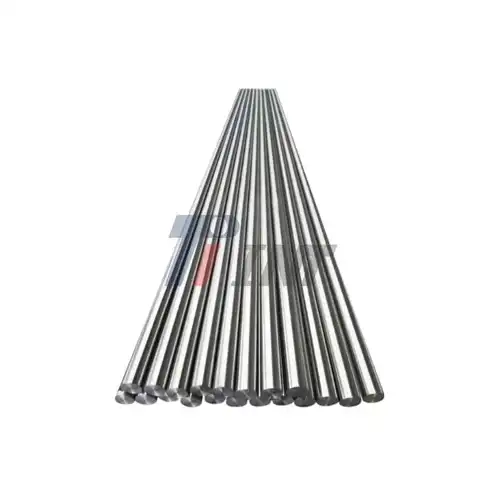
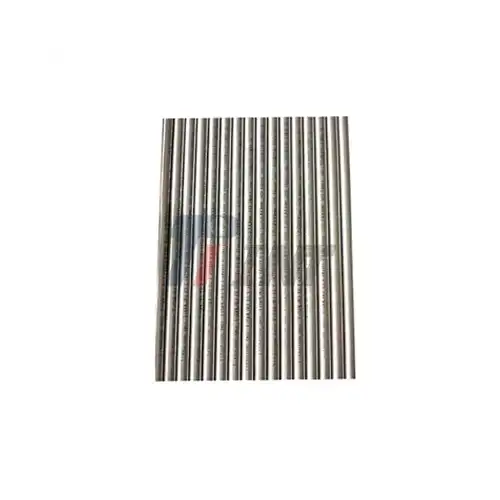
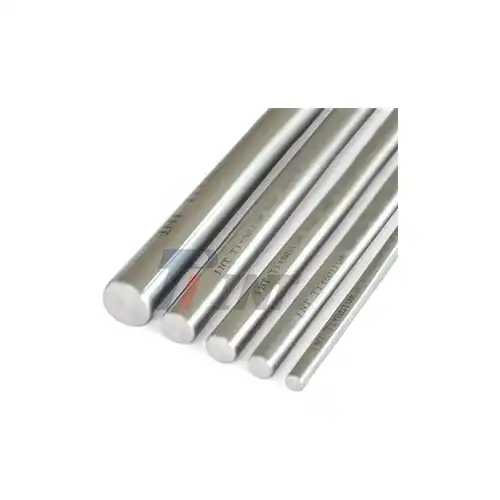
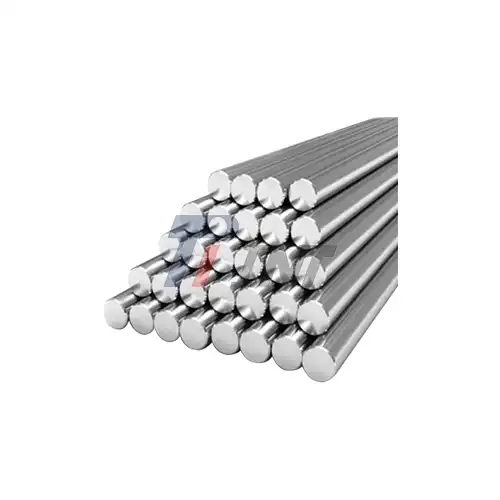
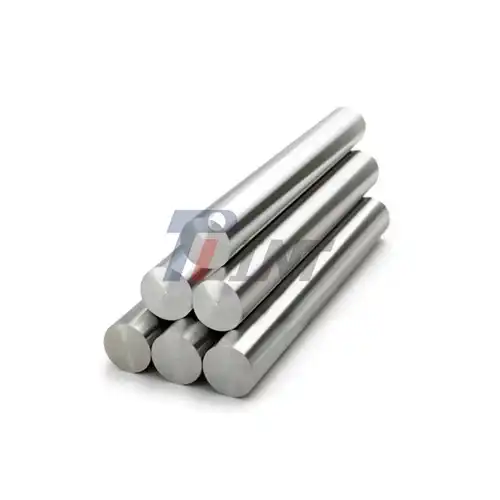
Gr5 Titanium Straight Wire is the best material for making dental implants because it is biocompatible and has the right mechanical qualities for successful implantation treatments. This improved Ti-6Al-4V alloy blends titanium's natural biocompatibility with strengthening elements from aluminum and vanadium. The result is a material that works well with human bone tissue while still being very strong. The precision straightening method gets rid of coil memory, which makes sure that feed rates stay the same during automatic machining operations and that important dental applications have better dimensional accuracy.
|
|
|
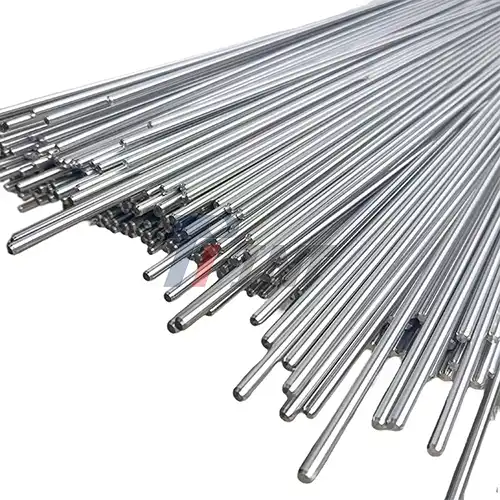
Understanding Grade 5 Titanium Straight Wire: Composition and Properties
Chemical Composition and Metallurgical Structure
Grade 5 titanium, scientifically designated as Ti-6Al-4V, contains approximately 90% titanium balanced with 6% aluminum and 4% vanadium. This alpha-beta alloy structure delivers significantly enhanced mechanical properties compared to commercially pure titanium grades. The aluminum acts as an alpha stabilizer, improving strength and creep resistance, while vanadium serves as a beta stabilizer, enhancing ductility and hardenability.
The microstructure consists of primary alpha phases distributed within a beta matrix, creating an optimal balance between strength and workability. Heat treatment processes can further refine this structure, achieving tensile strengths exceeding 895 MPa while maintaining excellent fatigue resistance crucial for long-term implant performance.
Mechanical Properties Critical for Dental Applications
The mechanical characteristics of Grade 5 titanium make it exceptionally suited for dental implant manufacturing. With a density of 4.43 g/cm³, it provides substantial weight savings compared to traditional steel alternatives while delivering superior performance. The yield strength typically ranges from 828 to 950 MPa, ensuring adequate resistance to occlusal forces experienced during normal chewing activities.
The modulus of stiffness is about 113.8 GPa, which is closer to the range of 15 to 30 GPa found in human cortical bone than stainless steel options. This connection lowers the stress buffering effects that can cause bone loss around implants. The material is also very good at resisting wear under cyclic loads, which is important for it to be able to handle the repeated stresses that come up in oral settings.
Production Process and Quality Control
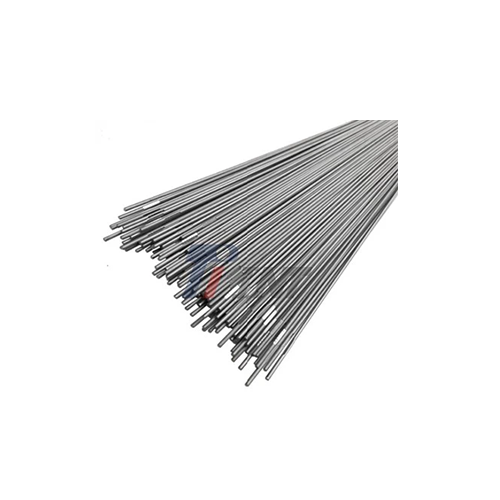
The process of making Gr5 Titanium Straight Wire includes complex drawing steps followed by precise bending steps. The wire starts out as a titanium ingot and goes through several reduction passes to get to the sizes that are needed while still keeping tight standards. Modern equipment for straightening wire gets rid of any remaining curve, making wire with camber specs that are usually less than 1 mm per meter.
During production, quality control methods make sure that the product meets the requirements of ASTM F136 and ISO 5832-3 for medical uses. For uniform quality that can be used for making important dental implants, each batch goes through a lot of tests, such as chemical analysis, proof of mechanical properties, and surface inspection.
Why Grade 5 Titanium Straight Wire is Ideal for Dental Implant Applications?
Exceptional Biocompatibility and Tissue Integration
Grade 5 titanium is biocompatible because it can make a solid oxide layer when it comes into contact with living things. This inactive layer stops ions from dissolving and reduces inflammatory reactions, which helps the bone fuse together properly. Integrity success rates for titanium-based dental implants are higher than 95%, according to clinical studies. This is a much higher rate than for other materials.
Because the material isn't magnetic, it can be used with MRI scans, so patients can get medical images without the implant getting in the way. This trait is very helpful for planning long-term care for patients and their treatments. Also, the lack of nickel and other possibly allergenic elements lowers the risk of hypersensitive responses that are common with other medical metals.
Superior Corrosion Resistance in Oral Environments
Different pH levels, chloride exposure, and bacterial action make oral conditions very difficult. Through its steady oxide formation, Gr5 Titanium Straight Wire is very resistant to these corrosive circumstances. When the inactive layer gets broken, it keeps growing back, protecting the implant for its whole life.
In artificial body fluids, electrochemical research shows that the rate of corrosion is many orders of magnitude lower than for stainless steel. This resistance means that the implant will last longer and there is a lower chance that the material will break down in a way that could damage the structure or cause bad reactions in the tissue.
Optimal Mechanical Properties for Stress Distribution
Grade 5 titanium's balanced strength-to-weight ratio makes it perfect for use in tooth implants because it evenly distributes stress. This alloy's elastic modulus lets the right amount of load be transferred to the bone tissue around it, unlike materials that are too hard and can cause stress buildup and bone resorption. This fit helps the bone grow back in a healthy way and keeps the implant stable for long amounts of time.
The material is very resistant to wear, so it will work well even when it's loaded over and over again during normal mouth function. According to tests done in the lab, the fatigue limits are good enough for expected service lives of more than 20 years with normal use.
Comparing Grade 5 Titanium Wire with Other Wire Grades and Metals
Grade 5 vs. Commercially Pure Titanium Grades
The commercially pure titanium grades (Grades 1-4) are very biocompatible, but they are not strong enough for high-stress dentistry uses. Tensile strengths of Grade 2 titanium, which is often used in less demanding medical uses, are only about 345 MPa, which is much lower than Grade 5's. In cases involving dental implants, where occlusal pressures can be higher than 200 MPa during normal operation, this difference in strength becomes very important.
Grade 5 titanium is easier to machine, which also helps with manufacturing because it lets more complicated shapes and tighter tolerances be made, which are important for current implant designs. Because the alloy works harder when it's heated, producers can control the processing settings to get the mechanical qualities they want.
Performance Comparison with Stainless Steel Alternatives
316L stainless steel has been used in medical uses for a long time because it is less expensive and can be processed in well-known ways. But Gr5 Titanium Straight Wire is better for tooth implants for a number of reasons. Stainless steel (200 GPa) and bone don't have the same elastic stiffness, which can cause stress buffering effects that can make implants less stable over time.
Also, titanium metals are very good at resisting corrosion, which is another big plus. While chromium oxide forms as a protective layer on stainless steel, this layer can break down in some biological situations, causing localized rusting and possibly irritating tissues. It is more stable in a wider range of weather situations because of titanium's oxide layer.
Economic Considerations and Lifecycle Costs
Grade 5 titanium costs more than options made of stainless steel at first, but a lifecycle study shows that it is much more cost-effective in the long run. Because titanium implants last longer and have fewer complications, the total cost of treatment is cheaper when repair procedures and patient care costs are added in.
The higher starting material costs were more than made up for by the higher manufacturing efficiency gains from straight wire's better machinability and physical stability. In high-volume manufacturing settings, general cost-effectiveness is helped by lower tool wear, better surface finishes, and higher production rates.
Procurement Insights: Sourcing Grade 5 Titanium Straight Wire for Dental Implants
Quality Certifications and Compliance Standards
To successfully purchase medical-grade titanium wire, you must check that it has all the necessary quality certifications. Some important certificates are ISO 13485:2016 for managing the quality of medical devices, ASTM F136 for surgical implant uses, and FDA approval for materials that will be implanted in people. These approvals make sure that materials meet strict standards for cleanliness and mechanical properties.
Traceability paperwork is especially important for medical uses that need a full history of the material from making the ingot to the final processing. For each batch of material, suppliers should give reports of analysis that list the chemical make-up, mechanical qualities, and processing factors.
Supplier Evaluation and Partnership Development
When looking for trusted suppliers, you need to look at their manufacturing skills, quality control methods, and expert support services. Established companies that have made a lot of medical devices have a lot of benefits, such as methods that have been tested and proven to work, as well as governmental knowledge. Long-term relationships with reliable providers help keep the supply chain stable and open up chances to work together on technology issues.
When you examine a supplier, you should look at their facilities, their quality systems, and their abilities. For OEM makers who need unique setups, being able to offer customizable specs such as diameter tolerances, surface finishes, and length needs is very useful.
Strategic Sourcing and Inventory Management
Cost optimization and supply security must be balanced in good buying strategies. This is especially important for medical-grade titanium materials because they are very specialized. Strategic sourcing helps keep prices low while building ties with multiple qualified providers, which makes the supply chain more stable.
Inventory management includes things like figuring out how long a material will last, how much space it needs, and how to predict demand. When stored properly, Gr5 Titanium Straight Wire stays very stable, which lets you strategically place your goods to meet production needs while keeping moving costs as low as possible.
Future Trends and Innovation in Grade 5 Titanium Wire for Dental Applications
Advanced Processing Technologies and Surface Modifications
Grade 5 titanium wire for oral uses is getting better all the time thanks to new technologies. Plasma blasting, anodization, and biomimetic coats are some of the more advanced surface treatment methods that can help bones fuse together faster and heal better. These new ideas open up a lot of possibilities for implant makers who want to stay ahead of the competition.
New technologies for additive manufacturing are opening up new ways to use titanium's special qualities to make complex implant shapes. For wire-based uses, traditional subtractive manufacturing is still the most common method. However, hybrid methods that combine wire feedstock with additive processes could lead to more personalized implant solutions.
Sustainability and Environmental Considerations
Growing emphasis on sustainability is driving innovation in titanium production and recycling processes. Closed-loop recycle methods for titanium scrap that are made during production cut down on waste and damage to the environment. Supply companies that use environmentally friendly methods add value for companies that care about the environment.
Titanium production centers that use green energy and processing methods that use less energy help to lower carbon footprints. The goals of the healthcare business for responsible sourcing and environmental management are in line with these sustainability efforts.
Market Expansion and Application Development
Beyond traditional dental implant applications, Gr5 Titanium Straight Wire is being used more and more in orthodontic devices, maxillofacial repair, and new dentistry technologies, in addition to its usual use in dental implants. The material has been used in many different dentistry uses and has been approved by regulators because it works well and doesn't harm teeth.
As international markets grow, sellers and producers can meet the growing demand for high-quality dental care around the world. Access to advanced materials that improve treatment results and patient happiness is especially helpful for emerging markets.
Conclusion
Gr5 Titanium Straight Wire is the best material for making dental implants because it is biocompatible and has great engineering qualities that are important for long-term success. Leading dental implant makers around the world choose this material because it has been used successfully in difficult medical settings and is highly resistant to corrosion and compatible with tissue. By buying high-quality Grade 5 titanium wire in bulk from approved sources, you can be sure that you'll have access to materials that meet strict medical standards and help create new dental solutions that are better for patients.
FAQ
Q1: What makes Grade 5 titanium superior to other materials for dental implants?
A: Specifically designed for dental uses, grade 5 titanium has the best mix of biocompatibility, mechanical strength, and corrosion resistance. It has a lower elastic stiffness than stainless steel, which means it doesn't protect against stress as well. The material is stable over time and works with diagnostic imaging processes because it is not magnetic and doesn't corrode easily in biological settings.
Q2: How does the straightening process affect material properties?
A: When done right, the precision straightening method gets rid of coil memory without changing the mechanical qualities of the material. Controlled stress levels below the material's yield strength are used by advanced straightening tools to get accurate measurements while keeping the material's tensile strength and wear resistance. For automatic production processes, the right processing actually makes the dimensions more stable and the machining more consistent.
Q3: What certifications should buyers verify when sourcing medical-grade titanium wire?
A: Some important certificates are ASTM F136 for surgical implants, ISO 13485:2016 for medical device quality management, and the right FDA licenses. Also, sellers should give full tracking records, such as certificates of chemical analysis, test reports for mechanical properties, and records of processing parameters. These approvals make sure that medical equipment rules and patient safety rules are followed.
Partner with Baoji INT Medical Titanium Co., Ltd. for Premium Grade 5 Titanium Solutions
Baoji INT Medical Titanium Co., Ltd. stands as a trusted Gr5 Titanium Straight Wire manufacturer with over 20 years of specialized experience in medical-grade titanium materials. Our comprehensive quality certifications including ISO 13485:2016 and extensive R&D capabilities ensure consistent supply of premium materials that meet the most demanding dental implant specifications. Contact our technical team at export@tiint.com to discuss your specific requirements and discover how our advanced manufacturing processes and quality control systems can support your dental implant production goals with reliable, high-performance titanium solutions.
References
1. Branemark, P.I., et al. "Osseointegration and its experimental background." Journal of Prosthetic Dentistry, vol. 50, no. 3, 1983, pp. 399-410.
2. Williams, D.F. "Biocompatibility of Clinical Implant Materials: Volume 1." CRC Press, Boca Raton, 1981.
3. Steinemann, S.G. "Metal implants and surface reactions." Injury, vol. 27, no. 3, 1996, pp. SC16-SC22.
4. Ratner, B.D., et al. "Biomaterials Science: An Introduction to Materials in Medicine." Academic Press, San Diego, 2004.
5. Long, M. and Rack, H.J. "Titanium alloys in total joint replacement - a materials science perspective." Biomaterials, vol. 19, no. 18, 1998, pp. 1621-1639.
6. Niinomi, M. "Mechanical properties of biomedical titanium alloys." Materials Science and Engineering A, vol. 243, no. 1-2, 1998, pp. 231-236.
_1755062427525.png)
_1752818317695.webp)
_1750662309903.webp)
_1750210463958.webp)