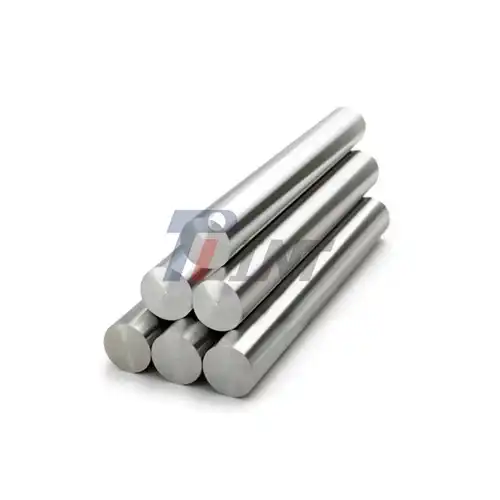
What are the different types of titanium alloy foils?


 2026-04-07 09:30:23
There are different types of titanium metal foils that are made for different business uses. Each type is made up of different chemicals and has different mechanical properties. The main types are pure titanium foils (Grade 1, Grade 2), alpha-beta titanium alloys (such as Gr5 Titanium Alloy Foil (Ti-6Al-4V)), and specialty grades (such as Grade 7 and Grade 12). Because it stays stable at temperatures up to 400°C, Grade 5 is the most popular of these types. It has the best strength-to-weight ratio. Grade 23 (Ti-6Al-4V ELI), which is used in medicine, and beta titanium alloys, which are used to make parts for airplanes that need to be easier to shape, are two other types that stand out.
Titanium metal foils are very useful in the aerospace and industrial fields since they are strong for their weight, don't rust, and don't heat up or cool down quickly. It is important to choose the right type of titanium metal foil so that you get the best performance, longevity, and value for your money when things get tough. This guide is mostly about Gr5 Titanium Alloy Foil (Ti 6Al-4V), which is standard in the business world because it is strong and flexible at the same time. B2B buying experts can make choices that meet technical needs and stay within their budgets when they know how different titanium alloy foils are.
Understanding Titanium Alloy Foils: Types and Key Characteristics
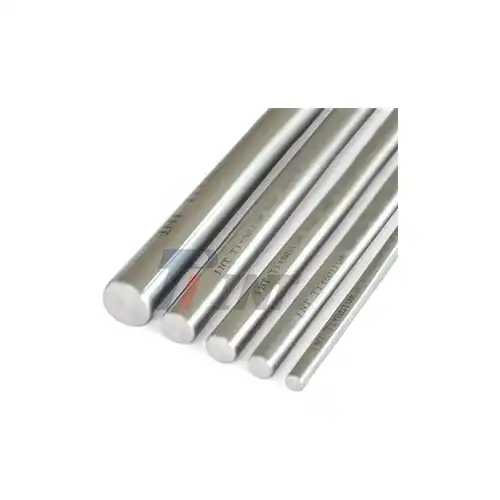
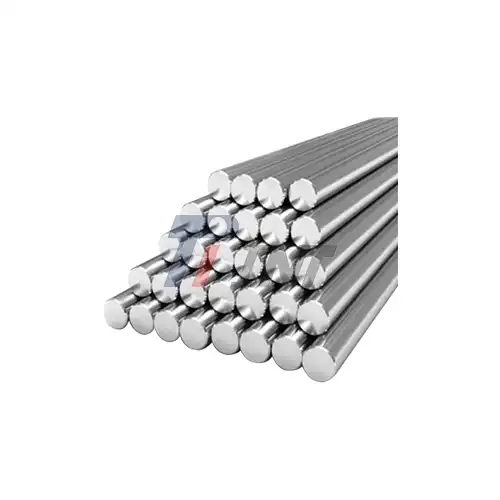
Titanium alloy foils are very thin pieces that can be bent that are made from titanium or titanium alloys. In many ways, they are made to meet strict business standards. It is amazing how these unique materials can bend but still keep their shape in very thin shapes, usually between 0.002mm and 0.5mm thick.
|
|
|
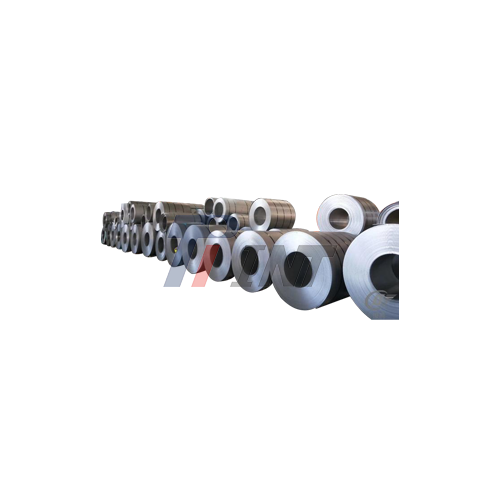
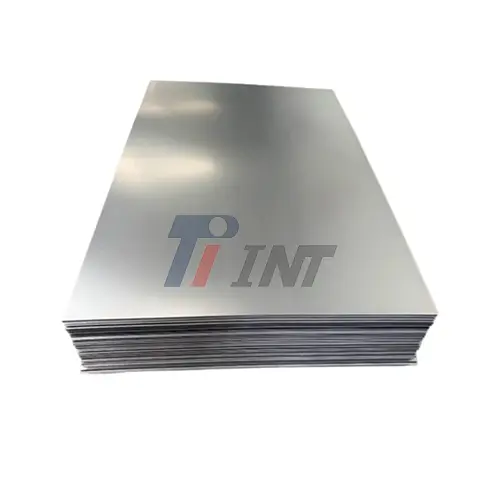
Pure Titanium Foils vs. Titanium Alloy Foils
Why are pure titanium foils and titanium alloys different? The main difference is how they are made and how their mechanical properties change. Pure titanium foils, especially Grade 2, are great for jobs that need to prevent rust but don't need to be strong mechanically. Because these materials are very bendable and simple to shape, they can be used to make structures with complex forms that don't weaken.
Some of the elements that are mixed into titanium alloy foils make it harder, better at some things, and better at handling heat. Gr5 Titanium Alloy Foil is made up of things like titanium, 6% aluminum, and 4% vanadium. A mix of alpha and beta metals, it has a mass of only 4.43 g/cm³ and can withstand more than 895 MPa of force.
Common Titanium Alloy Grades and Their Properties
Because they are made in different ways, different types of titanium meet the needs of different industries. Grade 1 is good for deep writing because it is the most flexible and not too strong. For most business uses, Grade 2 is the best choice because it is strong, flexible, and doesn't rust. Palladium is added to Grade 7 to make it less likely to rust when conditions are bad.
There is more aluminum in Grade 5 than in Grade 4. This makes the alpha phase stronger and more vanadium than in Grade 4. This keeps the beta phase solid. This makes Grade 5 more mechanically sound. This mix is about 300% stronger than Grade 1 foils in terms of tensile strength, but it can still be worked with in controlled conditions.
Gr5 Titanium Alloy Foil vs. Other Titanium and Metal Foils: A Comparative Analysis
If buyers know how the different foils work, they can pick the ones that will give them the best performance and value for their money in the tasks they need to do.
Performance Comparison with Pure Titanium Foils
Metallic Gr5 Titanium Alloy Foil is much better than pure Grade 2 titanium foils in terms of how it works. In demanding uses, this makes up for the fact that it costs more. Pulling power in Grade 5 is between 895 and 1000 MPa, while in Grade 2 it's only 345 MPa. It's almost three times stronger. Because Grade 5 is stronger, structural engineers can use lighter materials that still meet standards. For the first time, this saves weight and pays for the more expensive materials. Being lighter directly leads to better fuel economy and better payload optimization, which makes this benefit very useful in airplane uses.
Advantages Over Alternative Metal Foils
Ti Grade 5 foils are much lighter than stainless steel foils, and in most situations, they protect against rust just as well or better. Because it has a mass of 4.43 g/cm³ instead of 8.0 g/cm³ like stainless steel, it is possible to make structure parts that are much lighter without lowering their performance. Aluminum foil is lighter than Grade 5 titanium metal, but it is not as steady at high temperatures or as strong physically. Most of the time, aluminum foil works at temperatures below 200°C. It is important to note that grade 5 titanium can keep its shape up to 400°C, which makes it ideal for heat control in harsh environments.
Applications and Benefits of Gr5 Titanium Alloy Foil in B2B Industries
The high-performance industries need materials that can be relied on to run smoothly and safely. Grade 5 titanium alloy foil is an important part of these industries because it is so flexible and has so many great qualities.
Aerospace and Defense Applications
In the airplane business, Gr5 Titanium Alloy Foil is a key part of honeycomb core structures, heat protection systems, and making lightweight panels. Because the material is stiff for its weight, it helps airplane makers cut down on weight while keeping the structure strong in tough situations like changing temperatures and vibrational stress. Companies in the defense industry use Grade 5 foil for radar, electromagnetic protection, and precision parts because it is strong, doesn't rust, and isn't magnetic. The material's wear strength makes sure that it will hold up well in battle gear that is loaded and unloaded a lot.
Medical Device Manufacturing
Grade 5 titanium is great for medical gadgets that need to work with MRIs because it doesn't attract magnets and goes well with living things. Some companies that make medical devices use this material to make parts of surgery tools that need to be safe for patients and last a long time. It is also used to protect pacemaker cases and other internal devices. Plus, Grade 5 titanium is very strong and doesn't rust in living things. This means it can be used to make very thin medical parts that keep patients comfy and make sure the device lasts and works well.
Industrial and Chemical Processing
Grade 5 titanium foil doesn't rust easily, which makes it useful in the chemical processing industry for things like covering reaction tanks and heat exchanges. That stuff stays solid at high temperatures and doesn't mix with chemicals, so it can be used in harsh chemical environments where other stuff would break down quickly.
Procurement Considerations for Gr5 Titanium Alloy Foil
You need to understand a lot about the market, the seller, and the quality control standards in order to buy Grade 5 titanium alloy foil. These things will affect both the short-term goals of the project and the long-term success of the business.
Supplier Selection and Quality Assurance
To pick the right providers, you should look at how well they can make things, if they have quality certifications, and if they offer expert support services that make sure the materials are always the same and meet the standards. Some manufacturers take pride in maintaining their ISO 9001:2015 quality management systems and ISO 13485:2016 medical device quality certifications. This shows that they are committed to making the best products possible. You need very precise rolling tools to make Gr5 Titanium Alloy Foil. Most of the time, sendzimir mills are used because they can keep thickness limits tight and surface quality standards high. You can get materials with the best mechanical properties and surface traits from suppliers who can do advanced vacuum heating.
Cost Analysis and Budget Planning
Most of the time, grade 5 titanium foil costs more than pure titanium grades. This is because the raw materials are more expensive and hard to make. The costs of making these grades are two to three times higher than those of pure titanium grades because of the alloying elements and the way they need to be made. This is because the more efficient parts are lighter, last longer, and need less maintenance, which often makes up for the higher cost of the materials. Total cost of ownership studies should be used by buying professionals to help them choose between important choices. These studies should include these useful benefits.
How Gr5 Titanium Alloy Foil is Made and Verified for Quality?
Teams that buy things need to know how Grade 5 titanium alloy foil is made and how its quality is checked so that they can rate sellers and come up with new material requirements.
Manufacturing Process Overview
In order to make Gr5 Titanium Alloy Foil, titanium sponge that has been mixed with the right amounts of aluminum and vanadium to make Ti-6Al-4V is first heated in a vacuum arc. In order to keep the ingot clean and make sure that the chemicals are the same all over it, the melting process takes place in a controlled atmosphere. After that, it goes through a number of hot and cold rolling processes with cooling steps in between to get the right thickness and properties of the material. Since Grade 5 metal is hard to bend and gets stronger over time when worked, the rolling settings and annealing processes need to be carefully controlled to keep the material from breaking and keeping its shape.
Quality Control and Testing Procedures
Mechanical property tests are done to check the tensile strength, yield strength, and stretch values in line with ASTM B265 and AMS 4911 standards. This is done as part of strict quality control. Microstructural analysis checks the alpha-beta phase to make sure it is spread out properly, and chemical analysis checks that the elements are within certain levels. There is paper work for each output lot that shows the full background of the materials, from the raw materials to the final review. Following this paperwork will help you follow the law and help you figure out what went wrong if problems do happen.
Conclusion
When selecting the appropriate titanium alloy foil type, careful consideration must be given to application requirements, performance characteristics, and cost constraints. Gr5 Titanium Alloy Foil offers the optimal combination of high strength-to-weight ratio, exceptional corrosion resistance, and thermal stability for demanding applications. Its performance advantages in aerospace, medical, and industrial sectors justify the higher material costs through enhanced reliability and functionality. Procurement professionals should partner with experienced suppliers who provide technical guidance, quality assurance, and customization capabilities while ensuring compliance with regulatory and industry standards.
FAQ
Q1: What are the primary distinctions between Gr2 and Gr5 titanium foils?
A: Grade 2 and Grade 5 titanium foils are different in how strong they are, how much they cost, and what they can be used for. It takes about 345 MPa of force to pull apart Grade 2, and it doesn't rust easily. Grade 5 is stronger mechanically, and its tensile strength is over 895 MPa. This is because Grade 5 output needs more complex methods and alloying, which is why it costs more.
Q2: How does foil thickness affect mechanical performance and application suitability?
A: If you change the width of foil, it changes how it works mechanically and how it can be made. Smaller sizes (less than 0.05 mm) are more bendable, but they might not last as long if you handle them a lot. Most of the time, normal production lengths of 0.1 to 0.5 mm are the best choice because they are strong and easy to shape. Ultra-thin gauges that are custom made and as thin as 0.01mm can be used for electronic and sensor applications that need the most flexibility.
Q3: Can Gr5 titanium foil dimensions and properties be customized for specialized requirements?
A: By controlling the melting process, you can change the thickness, width, surface finish, and mechanical qualities to make it fit your needs. Companies can make unique solutions that include certain temperature ranges, surface texturing, and size limits so that they can fit the needs of each application. Lead times for custom standards are usually between 6 and 12 weeks, but it depends on how involved the order is and how many are being made.
Q4: What forming limitations should be considered for Gr5 titanium foil?
A: Grade 5 titanium foil is harder to cold form than pure titanium grades because it is stronger and hardens faster after being worked on. Working temperatures of 200°C to 300°C are good for difficult shaping jobs. For hot forming, temperatures of 600°C to 700°C are also good because they make the material more flexible and less likely to spring back. It's important to use the right design and making settings for the tools if you don't want them to crack.
Q5: How does vacuum annealing impact material properties and performance?
A: When you vacuum anneal something, you get rid of the stresses inside it that come from cold rolling and stop the surface from oxidizing, which could damage its shape. This process saves the metal's shiny finish and makes it easier to shape in the future. Controlled oxygen annealing stops the formation of alpha case layers, which would weaken the surface and make it wear less well.
Partner with Baoji INT Medical Titanium Co., Ltd. for Premium Gr5 Titanium Alloy Foil Solutions
Baoji INT Medical Titanium Co., Ltd. stands as your trusted Gr5 Titanium Alloy Foil manufacturer with over 20 years of expertise in medical-grade titanium materials. Our comprehensive ISO 9001:2015 and ISO 13485:2016 certifications demonstrate unwavering commitment to quality excellence and regulatory compliance. We specialize in producing high-precision titanium foils with thickness ranges from 0.01mm to 0.5mm, meeting the stringent requirements of aerospace, medical device, and industrial applications.
Our advanced manufacturing capabilities include precision rolling mills and vacuum annealing systems that ensure consistent material properties and surface quality. Whether you require standard specifications or custom dimensions, our experienced engineering team provides technical support throughout the procurement process, from material selection to final delivery. Contact our specialists at export@tiint.com to discuss your specific requirements and discover how our premium Gr5 Titanium Alloy Foil solutions can enhance your product performance while meeting your budget objectives.
References
1. Boyer, R.R. "An Overview on the Use of Titanium in the Aerospace Industry." Materials Science and Engineering: A, Vol. 213, 1996.
2. Donachie, Matthew J. "Titanium: A Technical Guide, 2nd Edition." ASM International Materials Park, Ohio, 2000.
3. Lütjering, Gerd and Williams, James C. "Titanium: Engineering Materials and Processes." Springer-Verlag Berlin Heidelberg, 2007.
4. Peters, M., Kumpfert, J., Ward, C.H., and Leyens, C. "Titanium Alloys for Aerospace Applications." Advanced Engineering Materials, Vol. 5, No. 6, 2003.
5. Rack, H.J. and Qazi, J.I. "Titanium Alloys for Biomedical Applications." Materials Science and Engineering: C, Vol. 26, No. 8, 2006.
6. Welsch, Gerhard, Boyer, Rodney, and Collings, E.W. "Materials Properties Handbook: Titanium Alloys." ASM International Materials Park, Ohio, 1994.
_1750668405487.webp)
_1750662961697.webp)