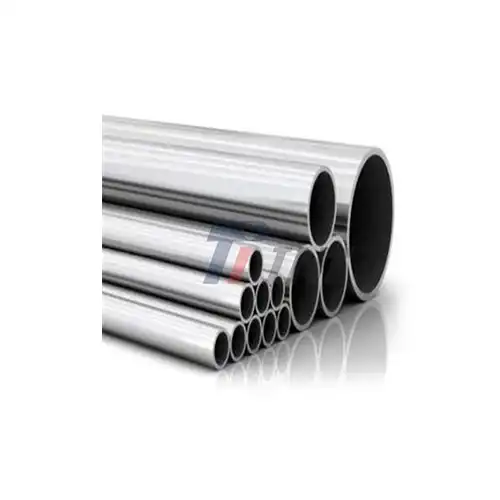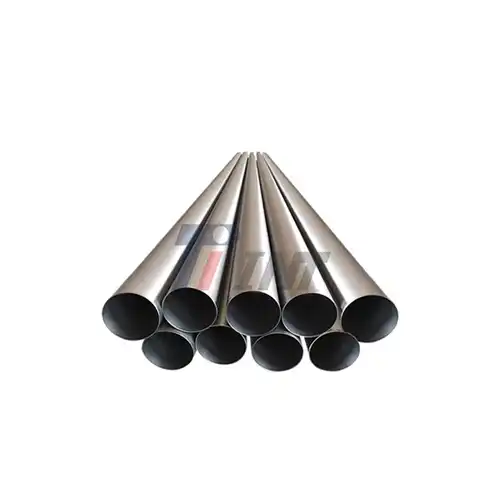

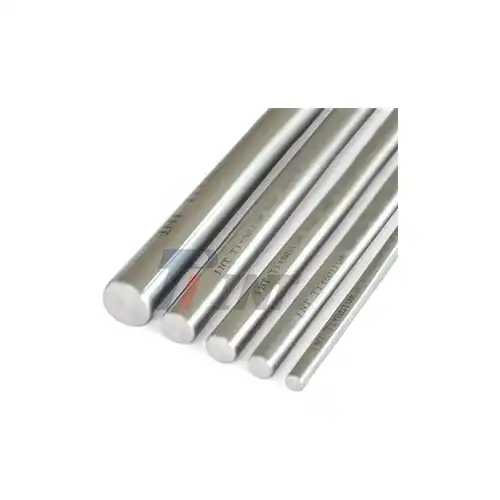
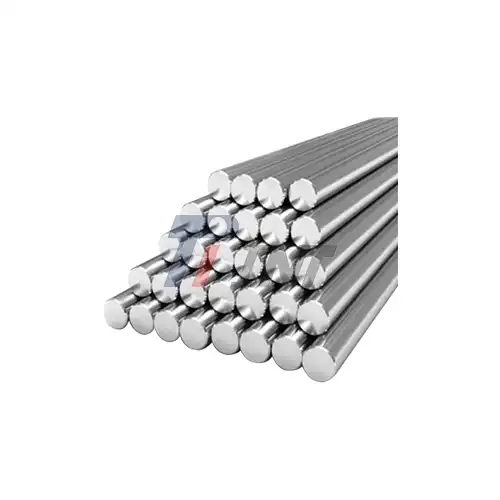
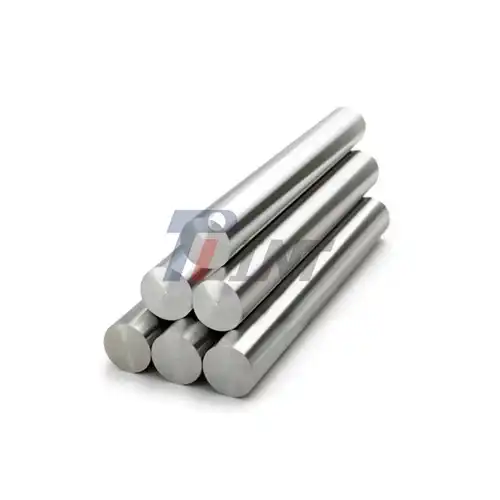
Why Import Ti6Al4V Titanium Bar 8mm from China


 2026-02-26 08:16:25
Because China has advanced production skills, low prices, and follows international quality standards, importing Ti6Al4V Titanium Bar 8mm from that country has become a smart move for medical device makers all over the world. This titanium alloy is made in China and is used in aerospace. It has a high strength-to-weight ratio, is biocompatible, and meets many standards, such as ISO9001:2015, ISO13485:2016, and EU CE. This makes it perfect for use in medical implants, surgical instruments, and precision engineering.
|
|
|


Understanding Ti6Al4V Titanium Bar 8mm
One of the most useful and flexible materials in the medical device business is Ti6Al4V titanium metal, which is also known as Grade 5 titanium. This aerospace-grade metal is made up of titanium (6%) aluminum (4%), and vanadium (4%). Together, they make a material with great performance qualities that are needed for tough medical uses.
Technical Specifications and Properties
The 8 mm diameter titanium stick has amazing mechanical qualities that make it perfect for ultra-precision medical uses. With a density of 4.43 g/cm³, this material is much lighter than most others of the same strength. With a tensile strength of at least 895 MPa and a yield strength of at least 825 MPa, it has the same level of structural stability as alloy steels but is only 60% as heavy.
The material is biocompatible because it can form a passive oxide film on its own, which protects it from saltwater, chlorides, and most organic acids. Because it doesn't rust, this material will work well for a long time in harsh biological settings, which makes it perfect for long-lasting medical procedures.
Manufacturing Excellence and Quality Control
To get exact limits on sizes, Chinese producers have put a lot of money into new production technologies. Centerless ground finishes are applied to high-quality 8mm titanium rods, allowing diameter errors of +0/-0.015mm. This is very important for automatic bar feeder systems and precision cutting tasks.
When 8mm titanium rods are properly annealed, they have a regular Alpha-Beta phase structure in their microstructure. This makes sure that they have a stable fatigue life and are easier to machine. This stops the "chatter" problem that happens a lot with cheap titanium products when they are turned, which makes the manufacturing process smoother and the finished product look better.
Why Choose China as Your Supplier for Ti6Al4V Titanium Bar 8mm?
China has become a world leader in making titanium products. It has many important benefits that make it a desirable place for medical device companies to buy high-quality materials at low prices.
Advanced Manufacturing Infrastructure
Advanced production centers with cutting-edge technology and tools have been built by Chinese titanium manufacturers. These facilities allow for precise control over industrial processes, which makes sure that the qualities of materials are the same from one production batch to the next. Advanced vacuum arc remelting furnaces, precision rolling mills, and full quality control labs that strictly follow international standards are all part of the production infrastructure.
Adding Industry 4.0 technologies to Chinese factories has made it easier to track products and make sure they are of good quality. Real-time tracking systems keep an eye on the features of materials, such as the Ti6Al4V Titanium Bar 8mm, as they are being made. This makes sure that every batch meets the requirements and gives full records for regulatory compliance.
Certification and Compliance Standards
Chinese companies that make titanium have adopted foreign quality management systems. The biggest ones have achieved standards such as ISO9001:2015 for quality management, ISO13485:2016 for making medical devices, and EU CE marking to show that they are compliant with the European market. These certificates show that the company is dedicated to upholding uniform quality standards that meet the needs of all global regulatory bodies.
Compliance with standards like ASTM B348 and ISO 5832-3 makes sure that titanium bars made in China meet the same standards needed in North America and Europe. This uniform gets rid of worries about how well the materials will work together and makes the approval process easier for companies that make medical devices.
Cost-Effectiveness and Value Proposition
A lot of things, like economies of scale, efficient production methods, and smart supply chain management, allow Chinese makers to offer competitive prices. When makers buy titanium bars in bulk, they can save a lot of money while keeping quality standards high. This is possible by improving their manufacturing methods and cutting down on their overhead costs.
Value-added services like custom cuts, specialized heat treatments, and custom surface finishes are often offered by Chinese providers at no extra cost. This all-around service method cuts down on the need for extra processing, which makes things even cheaper for buyers from other countries.
Comparing Ti6Al4V Titanium Bar 8mm with Alternative Materials and Specifications
Learning about the differences and benefits of Ti6Al4V titanium bars helps sourcing specialists choose the right material for the job based on performance standards and application needs.
Material Performance Comparison
Compared to stainless steel options, Ti6Al4V is better at resisting rust and being biocompatible. It also has the same level of mechanical strength but is a lot lighter. The edge in strength-to-weight ratio is especially important when the gadget needs to be portable and the patient needs to be comfortable.
There are types of pure titanium that are biocompatible, but they are not strong enough for high-stress uses. Ti6Al4V is the best combination of biocompatibility and mechanical performance. This makes it ideal for load-bearing implants and surgery tools that need to be strong and compatible with flesh.
Dimensional Considerations
For precise production tasks, the Ti6Al4V Titanium Bar 8mm diameter standard provides the best machinability qualities. Compared to bigger widths like 10mm or 12mm, the 8mm size makes better use of material in situations that need smaller cross-sections while still keeping enough material volume for cutting.
Because 8mm titanium rods are so precise in size, makers can cut down on material waste during machining while still meeting the tight standards needed for medical devices. In addition, this size makes it easier to keep track of goods and makes moving materials around in work settings easier.
Heat Treatment and Processing Options
Because they are so easy to shape and machine, annealed Ti6Al4V bars can be used in situations that need a lot of secondary processing. The annealed state gives the best microstructure for cutting operations while keeping the material's natural ability to fight corrosion and be compatible with living things.
When something is solution-treated and aged, it gets stronger, which is useful for situations where maximum mechanical performance is needed. Being able to define the conditions of the heat treatment lets makers make sure that the properties of the material are best for each application, ensuring that it works well in service.
Procurement Essentials for Ti6Al4V Titanium Bar 8mm from China
To buy titanium products successfully, you need to know about important business and technical factors that affect both cost and quality for companies that make medical devices.
Order Quantities and Pricing Structures
For standard 8mm diameter bars, most Chinese titanium makers set minimum order numbers (MOQs) that are between 100 kg and 500 kg. These MOQs show the economies of scale that are needed to keep prices low while also making sure that the schedule and quality control processes work well.
There are often volume-based discounts built into pricing systems that get better as order numbers rise. Knowing the price breaks helps procurement teams place the best orders at the best times and in the right amounts to get the best value for money while also keeping an eye on inventory costs and investments.
Supply Chain Management
Standard Ti6Al4V titanium bars usually have lead times of 15 to 30 days for stock items. Custom specifications can take 30 to 45 days, based on how complicated they are and how busy production plans are at the moment. Chinese makers have built up effective logistics networks that make delivery times predictable and allow for full shipment tracking.
Regular updates on output, confirmations of quality milestones, and early notice of any possible schedule changes are all good ways to communicate with vendors. Setting up clear lines of contact helps avoid delays and makes sure that the order processing process goes smoothly.
Supplier Qualification and Risk Management
Checking a supplier's credentials means looking at their manufacturing licenses, quality control systems, and history of following the rules. If you ask, reputable Chinese makers will give you all the paperwork you need, such as material test papers, records of how the goods were made, and copies of your certifications.
As part of the due diligence process, facilities should be inspected, references should be checked with current customers, and professional skills should be assessed. For example, the supplier’s capability in processing specific materials such as the Ti6Al4V Titanium Bar 8mm should be verified. This thorough qualification process helps build trust in the supplier's skills and lowers the risks that come with buying things that might not be of good quality or delivered on time.
Maximizing Value Through Strategic Partnership Benefits
The best titanium manufacturers in China offer full solutions that go beyond just supplying the material. They add value by offering expert help and the ability to make changes to the specifications you give them.
Customization and Technical Support
Chinese suppliers can offer custom cutting services, special surface treatments, and mechanical features that are designed to meet the needs of specific applications thanks to their advanced manufacturing capabilities. With these value-added services, you don't have to do any extra preparation steps, and the material will have the best qualities for its intended use.
As part of technical consulting services, experts help clients choose the right materials, make ideas for processing, and suggest ways to make their applications run more efficiently. This expert support helps companies that make medical devices improve their designs and production methods while making sure they follow all the rules and standards that apply.
Quality Assurance and Documentation
Comprehensive quality management systems come with lots of paperwork, like test badges, records of where things came from, and guarantees of compliance. This paperwork backs up regulatory filings and quality system standards, and it gives people faith in the regularity and integrity of the material.
Medical device makers can cut down on the number of inspections that need to be done on new materials while still being confident in the quality of the materials they use thanks to statistical process control data. This streamlined method speeds up production plans and makes administrative work easier.
Long-Term Partnership Benefits
By building smart partnerships with Chinese titanium makers, you can get access to new technologies, better pricing, and faster delivery during times of high demand. As part of these relationships, people often work together to create new uses for things and improve existing ones.
Long-term ties give suppliers the knowledge they need to predict what customers will need and offer quick answers to new needs. This collaborative method makes the supply chain more stable and encourages more new ideas in the creation of medical devices.
Conclusion
Choosing to buy Ti6Al4V Titanium Bar 8mm from China is a smart move for companies that make medical devices that want to improve their supply lines while still keeping the highest quality standards. Chinese manufacturers have shown their dedication to quality by getting a lot of certifications, using advanced production techniques, and setting prices that are cheap and give foreign customers real value. Chinese suppliers are trusted partners for medical device makers who need constant access to high-performance titanium materials because they offer technical know-how, quality guarantee, and low prices. As the medical device industry around the world changes, Chinese titanium manufacturers will continue to offer important strategic benefits to businesses that want to stay competitive while also making sure product quality and regulatory compliance.
FAQ
How does Ti6Al4V compare to other titanium grades for medical applications?
The mechanical strength of Ti6Al4V is higher than that of pure titanium grades, and it is still very biocompatible. The addition of aluminum and vanadium makes it stronger while also making it lighter. This makes it perfect for use in load-bearing implants and medical tools that need to be strong and compatible with tissue.
What quality certifications should I expect from Chinese titanium suppliers?
Manufacturers of titanium from China that you can trust usually have ISO9001:2015 quality management certification, ISO13485:2016 medical device certification, and EU CE marking. International quality standards are always met when materials are made in line with ASTM B348 and ISO 5832-3 standards.
What are typical lead times for Ti6Al4V titanium bar orders from China?
It usually takes 15 to 30 days for standard 8mm Ti6Al4V titanium bars to be delivered from stock. Lead times may go up to 30 to 45 days if you need special surface treatments or custom specs. This depends on how complicated the job is and how busy the factory is right now.
Can Chinese manufacturers provide custom certifications or testing reports?
Yes, well-known Chinese titanium makers always give full material test reports, chemical composition analyses, mechanical property tests, and paperwork that shows how the titanium was made. If you ask, you can also get third-party testing certificates from approved labs.
How do I verify the reliability of a Chinese titanium supplier?
Checking a supplier should include looking at their manufacturing certifications, doing site surveys, calling past customers for references, and going over their quality management systems. Asking for samples of products and paperwork helps you figure out how capable the supplier is and how committed they are to quality standards.
Contact Baoji INT Medical Titanium Co., Ltd. for Premium Ti6Al4V Solutions
With more than 20 years of experience making medical-grade titanium, Baoji INT Medical Titanium Co., Ltd. is ready to help you with your buying needs. As a top provider of Ti6Al4V Titanium Bar 8mm, we offer a full range of services to meet your exact needs, such as custom cutting, special surface processes, and full certification paperwork. Our dedication to quality excellence, shown by our ISO9001:2015, ISO13485:2016, and EU CE certifications, guarantees that the materials we provide will work reliably in your important medical uses. Get in touch with our technical team at export@tiint.com to talk about your unique needs and see the benefits of working with a reliable titanium maker that wants to help you succeed.
References
1. ASTM International. Standard Specification for Titanium and Titanium Alloy Bars and Billets. ASTM B348-19. West Conshohocken: ASTM International, 2019.
2. International Organization for Standardization. Implants for Surgery - Metallic Materials - Part 3: Wrought Titanium 6-Aluminum 4-Vanadium Alloy. ISO 5832-3:2016. Geneva: ISO, 2016.
3. Rack, Henry J., and John M. Qazi. "Titanium alloys for biomedical applications." Materials Science and Engineering C 26, no. 8 (2006): 1269-1277.
4. Geetha, M., et al. "Ti based biomaterials, the ultimate choice for orthopaedic implants–a review." Progress in Materials Science 54, no. 3 (2009): 397-425.
5. Boyer, Rodney R. "An overview on the use of titanium in the aerospace industry." Materials Science and Engineering A 213, no. 1-2 (1996): 103-114.
6. Niinomi, Mitsuo. "Mechanical biocompatibilities of titanium alloys for biomedical applications." Journal of the Mechanical Behavior of Biomedical Materials 1, no. 1 (2008): 30-42.
_1752644608314.webp)
_1750664157440.webp)
_1750663253486.webp)