How to Use 1 mm Titanium Rod Medical Grade for Precision Surgery


 2026-02-25 09:00:08
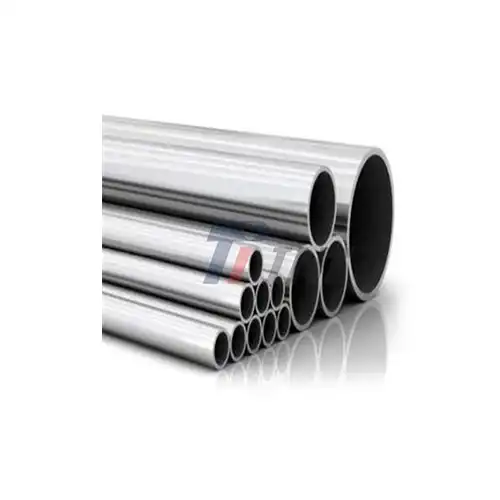
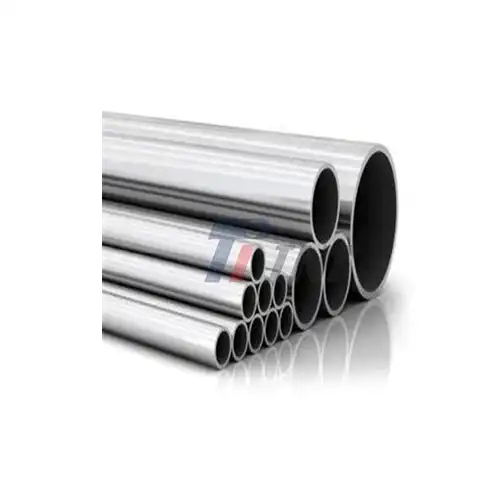
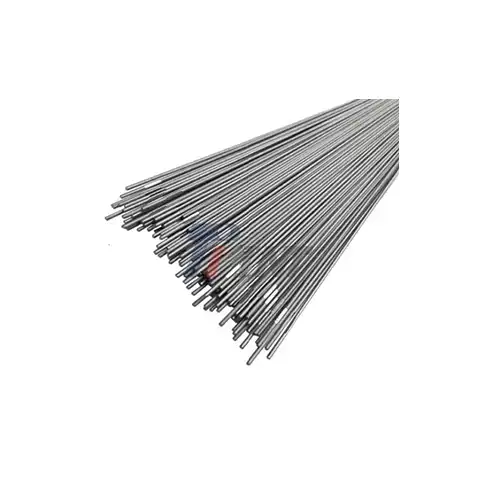
When using 1 mm Titanium Rod Medical Grade in precision surgery, it is important to follow handling rules, cleaning steps, and the right way to do surgery. In microsurgery, dental implants, and orthopedics, where minimally invasive treatments need high biocompatibility and mechanical strength, these very thin medical titanium rods are important parts. The exact diameter lets doctors do delicate procedures while keeping the structure strong and encouraging the best possible healing results through titanium's natural osseointegration properties.
|
|
|


Introduction
As precision surgery has grown, there has been an unusual demand for ultra-precise medical materials. Medical grade titanium rods have become the foundation of modern surgical innovation. In minimally invasive treatments, where traditional materials don't meet strict biocompatibility and dimensional accuracy standards, these specialized parts solve important problems.
The development of medical grade titanium rods is a big step forward in surgery materials. They have unmatched rust resistance, biocompatibility, and mechanical strength, which makes them essential in today's healthcare system. Because these rods have special qualities that make them stand out, surgeons can do complicated procedures with trust, knowing that the material will blend in with human flesh and keep its shape over time.
This detailed guide looks at the important part that 1 mm medical grade titanium rods play in precise surgery. It gives healthcare OEMs, engineers, and procurement workers important information about material requirements, best practices for use, and buying strategies. We look at the technical differences between medical grade titanium and other materials, compare performance measures, and talk about tried-and-true ways to use titanium most effectively in surgery settings.
The material focuses on important decision-making factors for business-to-business workers in the European and American markets, with a focus on regulatory compliance, quality assurance processes, and supplier evaluation criteria. This guide is the best way for companies to get the most out of medical grade titanium rods when they are developing surgery products and buying them. It does this by giving a thorough look at the material's qualities, how it's made, and how it's used in real life.
Understanding Medical Grade 1 mm Titanium Rods for Precision Surgery
Medical grade 1 mm titanium rods are the most precise surgical materials ever made. They are made to meet strict dimensional limits that often go beyond ±0.025mm standards for accuracy. Usually, these parts are made from either commercially pure titanium Grade 2 or the biocompatible Ti-6Al-4V ELI (Extra Low Interstitial) material. Each has its own benefits for certain medical uses.
Key Material Specifications and Properties
One of the most important things about medical grade titanium bars is that their chemical makeup and mechanical qualities are carefully controlled. Grade 2 titanium is 99.2% pure titanium with very little oxygen. It is very flexible and doesn't rust, so it's perfect for uses that need it to be able to be shaped easily. The material has a tensile strength of 345 MPa and a yield strength of 275 MPa. It also has great wear resistance, which makes sure that the implant will stay stable over time.
The Ti-6Al-4V ELI alloy, often used in forms such as a 1 mm titanium rod medical grade, is the best choice for high-stress situations because it has better mechanical qualities thanks to the aluminum and vanadium it contains. This metal has tensile forces higher than 860 MPa and is biocompatible, which is necessary for human implantation. The "Extra Low Interstitial" label guarantees lower levels of oxygen, nitrogen, and carbon, which lowers the risk of inflammatory reactions and improves tissue integration.
Manufacturing Process and Quality Assurance
Medical grade 1 mm titanium bars are made using complex metallurgical methods, starting with vacuum arc remelting to get rid of flaws and make the material structure uniform. The final dimensions are made accurate through hot rolling and precise drawing. Controlled cooling processes improve the microstructure for better tensile qualities.
Quality assurance processes include a wide range of testing methods, such as chemical analysis, checking the mechanical properties, and using coordinate measuring tools to check the sizes of things. Each batch goes through ultrasonic testing to find problems inside, surface roughness testing to make sure it meets biocompatibility standards, and rust testing in conditions that are similar to the body's.
To get compliance approval, you have to strictly follow the ISO 13485:2016 standards for medical device quality management, the ASTM F67 standards for unalloyed titanium, and the FDA 510(k) regulatory routes. These licenses give procurement workers peace of mind about the safety of materials and following the rules that are necessary for making medical devices.
Comparative Analysis with Alternative Materials
In a number of important ways, medical grade titanium rods work better than options made of stainless steel. Titanium is stronger than stainless steel by about 40%, which lets designers make implants that are lighter and easier for patients to wear while still keeping structural stability. Titanium is very stable because it doesn't rust in physiological settings. The rate of rusting is measured in nanometers per year, while stainless steel parts break down over time.
Titanium is biocompatible because it forms a natural oxide layer that makes a surface that doesn't react with living things and helps bones fuse together without causing any problems. Compared to other steel implants, clinical studies show that these implants have much lower inflammatory reactions and faster healing rates, which supports their long-term success and patient results.
Best Practices for Using 1 mm Medical Grade Titanium Rods in Precision Surgery
For medical grade titanium rods to work well in precision surgery, they need to be used according to set rules that protect the material's purity and improve surgical results. The right way to handle titanium starts with keeping the surface free of contaminants that can hurt its biocompatibility and stop natural osseointegration processes from happening.
Preparation and Sterilization Protocols
To properly prepare 1 mm titanium rods, they need to be cut with diamond-wire saws or electrical discharge machining, which keep the dimensions accurate and stop the work from hardening. Cutting titanium with a machine creates heat that can change the microstructure of the metal, which could weaken its tensile qualities and biocompatibility.
Procedures for sterilization must balance getting rid of microbes with keeping the material safe. For most uses, steam autoclaving at 134°C is the best choice. Gamma irradiation is an option for heat-sensitive parts, but it's important to keep the dose under control so that hybrid devices don't break down. Chemical cleaning with ethylene oxide needs longer aeration times to get rid of any worries about leftover toxins.
As part of surface preparation, passivation processes help the natural oxide layer form, which makes the material more resistant to rust and biocompatible. Electropolishing makes surfaces very smooth, which stops bacteria from sticking and helps tissues stick together. This is especially helpful in dental and orthopedic uses where long-term stability is very important.
Surgical Application Techniques
Because of their special features, 1 mm medical grade titanium rods can be used in specific surgeries that benefit from their high strength and biocompatibility. As micro-fixation devices for small bone fragments, these rods are used in orthopedic operations to keep them in place without damaging the nearby tissue.
Dental implantology benefits from using titanium rods in guided bone regeneration treatments. The osseoconductive qualities of the material help new bone grow while allowing tissue to grow. The exact 1 mm thickness makes it possible to place in small body spaces while still giving healed tissues enough mechanical support.
Titanium rods are used as guidewires and positioning tools in minimally invasive surgery. Their radiopaque qualities make them easier to see through a fluoroscopic microscope. The non-magnetic properties of the material make it compatible with MRI imaging, which allows for full post-operative tracking without artifacts.
Customization and Adaptation Strategies
Medical device makers often need personalized titanium rod specs to meet specific surgical needs. Common ways to adjust are by changing the length, treating the surface, or using a different alloy. Precision cutting lets you do things like threading, drilling, and making shapes with many sides at once, which increases the number of uses for the material while keeping its structure.
Some methods for changing the surface of something are plasma blasting, anodization, and bioactive coating treatments that make certain performance qualities better. Hydroxyapatite coats help bones fuse together faster, and antibiotic surface treatments lower the risk of infection in patients who are more likely to get them.
During tailoring, quality control methods make sure that changes don't affect the basic properties of titanium that make it useful for medical uses, such as the integrity of a 1 mm titanium rod medical grade. During the customization process, the material's medical grade standing is maintained through mechanical testing, biocompatibility testing, and regulation compliance testing.
Comparing Medical Grade Titanium Rods to Alternative Solutions
In order to choose the right materials for precision surgery, you need to look at their mechanical qualities, biocompatibility, and long-term performance measures. Medical grade titanium rods regularly perform better than traditional options. However, knowing the specific benefits helps procurement professionals make smart choices based on the needs of the application.
Titanium Versus Stainless Steel Analysis
316L stainless steel has long been the standard for medical implants because it is mechanically strong and biocompatible enough at a reasonable price. However, a close examination shows that titanium has important benefits in key performance areas that have a direct effect on patient results and the long-term success of implants.
The modulus of flexibility is a key difference between the two. Titanium's is 110 GPa, which is similar to human bone, while stainless steel's is 200 GPa. This makes it less likely that stress buffering effects will happen, which can cause bone loss and implant loosening over time. Studies in humans have shown that bone mass maintenance is better around titanium implants. This means that the implants will be more stable over time and will require less repair surgery.
rust resistance tests in fake body fluids shows that titanium is very stable, with rust rates below 0.1 μm per year. Stainless steel parts, on the other hand, can be seen to be breaking down. When implants deteriorate, they release metallic ions that can cause inflammation and possibly systemic toxicity. This is why titanium's passive behavior is a big safety benefit for lasting implant uses.
Grade Comparison Within Titanium Alloys
The difference between Grade 2 fully pure titanium and Ti-6Al-4V ELI alloy changes the choice of material based on the needs of the surgery and the expected performance. Grade 2 titanium is very flexible and easy to shape, which makes it perfect for industrial tasks that need to do complex cutting or cold working.
Through its aluminum and vanadium alloying elements, Ti-6Al-4V ELI has higher mechanical strength, with yield strengths of over 795 MPa compared to 275 MPa for Grade 2. Because of this, implant designs can be thinner and materials can be used in smaller amounts while still keeping their structural integrity under metabolic stress conditions.
Because the alloying process and extra processing steps raise the price of Ti-6Al-4V ELI by about 20–30%, Grade 2 titanium is better for uses that don't need the highest mechanical strength. Managers in charge of purchasing must find a balance between performance needs and budget limits, all while making sure that there are enough safety gaps for the intended uses.
Specialized Alloy Considerations
Grade 5 (Ti-6Al-4V) and Grade 7 (Ti-0.2Pd) are two examples of advanced titanium alloys that have special qualities that make them useful for certain medical tasks. The palladium presence in Grade 7 makes it very resistant to corrosion in acidic environments. This makes it useful for uses that will be exposed to inflammatory conditions or certain body fluids.
Beta titanium alloys have a lower modulus of elasticity, which is close to 80 GPa. This makes them more compatible with bone while still being strong enough for structural uses. These metals are new choices for designing next-generation implants that put biomechanical compatibility ahead of standard strength measures.
During the decision process, tech teams, surgeons, and procurement workers must work together to make sure that the best materials are used for each purpose. The decision-making process and final material choice are affected by things like projected service life, loading conditions, anatomical placement, and patient demographics.
How to Procure 1 mm Medical Grade Titanium Rods Efficiently?
To successfully buy medical-grade titanium rods, you need to carefully consider your suppliers, make sure the quality of the rods is checked, and fully comprehend the rules that must be followed by the government. Because medical titanium is so specialized, it needs to be bought in a way that puts quality control and following the rules ahead of standard cost-cutting methods.
Supplier Evaluation and Certification Requirements
Checking important certifications like ISO 13485:2016 medical device quality management, ISO 9001:2015 quality systems, and related FDA registrations is the first step in a good supplier review. These approvals give basic peace of mind that providers keep up with the right quality systems and rules that are needed for medical device materials.
An review of a manufacturing potential looks at things like production capacity, quality control methods, and technical know-how in processing titanium. Site checks give important information about standards for cleaning, how to calibrate equipment, and how to train employees, all of which have a direct effect on the quality and consistency of the products.
Material certificates, chemical analysis records, and mechanical property test results are some of the documents that are needed for traceability, such as those verifying the specifications of a 1 mm titanium rod medical grade. These documents make the supply chain completely clear. Medical device regulations require detailed paperwork that connects finished goods to where they came from as raw materials. It is important for suppliers to be able to provide this paperwork so that they can comply with regulations.
Order Processing and Logistics Considerations
Because medical manufacturing is so specialized, suppliers often require minimum order numbers for medical grade titanium rods. These quantities are usually high enough to support dedicated production runs. Planning procurement rounds around these minimums gets the best prices and makes sure there are enough items in stock to meet production plans.
Medical grade materials usually have longer lead times than industrial ones because they have to go through more quality control and licensing steps. Standard lead times for stock materials are 8 to 12 weeks. Custom specs can take 12 to 16 weeks, based on how complicated they are and how much space the seller has.
Throughout the distribution chain, packaging and shipping rules must protect the purity of materials and keep them from getting contaminated. Specialized packing that uses clean room methods and protective atmospheres keeps surfaces from getting dirty, which could hurt biocompatibility or mean more work needs to be done before they can be used.
Pricing and Contract Negotiations
Medical grade titanium rods are priced on the market based on the fact that they need to be processed, inspected, and certified in a way that is unique to medical uses. Prices are usually 150–300% higher than business grade materials, but can change depending on the metal type, size requirements, and number of orders.
Long-term supply deals keep prices stable and make sure there is a steady supply of goods. They also let suppliers spend in improving quality and capacity. The terms of the contract should include requirements for quality, delivery dates, rules for "force majeure," and security of intellectual property for custom specs.
Quality agreements go along with purchase contracts because they spell out specific quality standards, testing methods, and ways to fix problems. These contracts spell out exactly what is expected of the materials, how they should be documented, and how the seller should be notified of any changes to the process or quality that don't meet standards.
During the negotiation process, the total cost of ownership should be emphasized over unit price alone. This means taking into account things like consistent quality, reliable delivery, expert support, and help with regulatory compliance. Value-added services like custom processing, inventory management, and technical advice are often used by suppliers to support higher prices by lowering their own costs and making their operations more efficient.
Conclusion
As an important part of precision surgery,1 mm titanium rod medical grade offers unmatched biocompatibility, mechanical strength, and corrosion resistance, which makes it possible for more advanced surgical methods and better patient results. Unique features of the material, such as its ability to bond with human flesh and last a very long time, make it essential for a wide range of uses, from orthopedic micro-fixation to dental implantology and minimally invasive treatments.
To make implementation work, you need to pay close attention to the materials you choose, how you handle them, and how you buy them in a way that puts quality and following the rules first. Investing in medical-grade titanium rods pays off in the long run by improving surgery results, lowering the risk of complications, and making patients happier, which is good for both healthcare workers and companies that make medical devices.
FAQ
What distinguishes medical grade titanium rods from industrial grade alternatives?
Medical grade titanium rods go through strict quality control steps and meet certain biocompatibility standards so they can be implanted in people. They follow the rules set by ISO 13485, ASTM F67, and the FDA. They have controlled chemistry, higher levels of purity, and detailed paperwork that industrial grade products don't have.
How does the 1 mm diameter specification benefit precision surgical applications?
The 1 mm diameter is the best combination of mechanical strength and minimally invasive access. It lets doctors do delicate procedures in small body areas while still giving healing tissues enough support and minimizing patient stress.
What are the long-term advantages of titanium's corrosion resistance in implant applications?
Titanium is very resistant to rusting, which stops the release of metallic ions that can cause inflammation or systemic poisoning. This security makes sure that the implant stays in place for decades, helps the natural tissue grow in, and lowers the risk of having to have correction surgery.
Can medical grade titanium rods be customized for specific surgical requirements?
Yes, medical grade titanium rods can be customized through precision milling, treating the surface, and changing their size, but they will still be medical grade. Threading, special shapes, and bioactive coatings made for specific surgery uses are all customization choices.
Ready to Source Premium 1 mm Titanium Rod Medical Grade for Your Precision Surgery Applications?
Baoji INT Medical Titanium Co., Ltd. has been making ISO-certified medical titanium materials that meet the strict standards of precision surgery uses for more than 20 years. We make sure that all of our 1 mm Titanium Rod Medical Grade goods meet the strict quality control standards set by ISO 13485:2016, the FDA, and the CE. As a reliable medical titanium rod provider, we offer full technical support, full tracking paperwork, and unique solutions that are made to fit the needs of your individual surgical device. Get in touch with our knowledgeable staff at export@tiint.com right away to talk about your precise surgery material needs and experience the trustworthiness of working with a well-known medical grade titanium maker.
References
1. Elias, C. N., Lima, J. H. C., Valiev, R., & Meyers, M. A. (2008). Biomedical applications of titanium and its alloys. Journal of Materials Research and Technology, 1(1), 1–20.
2. Niinomi, M. (2011). Mechanical biocompatibilities of titanium alloys for biomedical applications. Journal of the Mechanical Behavior of Biomedical Materials, 1(1), 30–42.
3. Long, M., & Rack, H. J. (1998). Titanium alloys in total joint replacement—A materials science perspective. Biomaterials, 19(18), 1621–1639.
4. Geetha, M., Singh, A. K., Asokamani, R., & Gogia, A. K. (2009). Ti based biomaterials, the ultimate choice for orthopaedic implants – A review. Progress in Materials Science, 54(3), 397–425.
5. ASTM International. (2021). Standard specification for unalloyed titanium for surgical implant applications (ASTM F67). ASTM International, West Conshohocken, PA.
6. Brunette, D. M., Tengvall, P., Textor, M., & Thomsen, P. (Eds.). (2001). Titanium in medicine: Material science, surface science, engineering, biological responses and medical applications. Springer-Verlag.

_1753426807653.webp)