


 2026-01-22 09:01:27


The Unique Properties of Titanium for Cervical Spine Stabilization
Biocompatibility: Ensuring Patient Safety
One of the most crucial aspects of any surgical implant is its biocompatibility. Titanium excels in this area, demonstrating remarkable compatibility with human tissue. This high level of biocompatibility significantly reduces the risk of adverse reactions or rejection by the body, making titanium plates an ideal choice for neck surgery. The human body readily accepts titanium, allowing for better integration with surrounding tissues and promoting a more effective healing process.
Strength and Durability: Long-lasting Support
Neck surgery with titanium plates offers unparalleled strength and durability. Despite being lightweight, titanium boasts an impressive strength-to-weight ratio, providing robust support to the cervical spine without adding unnecessary bulk. This strength ensures that the plates can withstand the daily stresses placed on the neck, maintaining structural integrity over extended periods. The durability of titanium plates means they can remain in place for years, if not decades, without degradation, offering patients long-term stability and peace of mind.
Corrosion Resistance: Ensuring Longevity
Another standout feature of titanium plates used in neck surgery is their exceptional corrosion resistance. This property is particularly valuable in the moist, saline environment of the human body, where other materials might degrade over time. The corrosion-resistant nature of titanium ensures that the plates maintain their structural integrity and performance long after implantation. This resistance to degradation not only contributes to the longevity of the implant but also minimizes the risk of complications that could arise from material breakdown.
Advanced Manufacturing Techniques for Superior Titanium Plates
Precision Machining: Ensuring Optimal Fit
The effectiveness of neck surgery with titanium plates is significantly enhanced by advanced manufacturing techniques. Precision machining, particularly through Computer Numerical Control (CNC) technology, allows for the creation of plates with exact dimensions and smooth edges. This level of precision is crucial for ensuring a perfect fit within the cervical spine, minimizing the risk of tissue damage or implant migration. The ability to create plates with such exacting specifications contributes to improved surgical outcomes and patient comfort.
Surface Treatment: Enhancing Performance
Surface treatment of neck surgery with titanium plates plays a vital role in their performance and integration within the body. Advanced techniques are employed to modify the surface properties of the plates, enhancing their already impressive corrosion resistance and improving osseointegration. These treatments can include processes like anodization or plasma spraying, which create a more favorable surface for bone growth and attachment. By optimizing the surface characteristics, titanium plates can achieve better long-term stability and fusion with the surrounding bone tissue.
Quality Control: Meeting Rigorous Standards
The production of titanium plates for neck surgery is subject to stringent quality control measures. Manufacturers like Baoji INT Medical Titanium Co., Ltd. adhere to international standards such as ISO9001:2015 and ISO13485:2016, ensuring that every plate meets the highest safety and performance criteria. Rigorous testing, including ultrasonic inspections, is conducted throughout the production process to detect any flaws or inconsistencies. This commitment to quality ensures that surgeons and patients can rely on the integrity and performance of each titanium plate used in cervical spine procedures.
Customization and Versatility in Neck Surgery Applications
Tailored Solutions for Diverse Surgical Needs
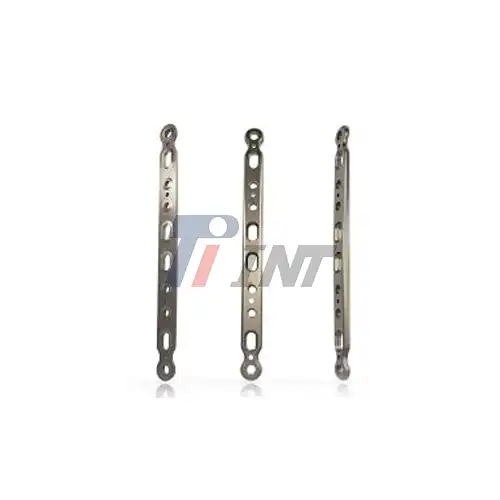
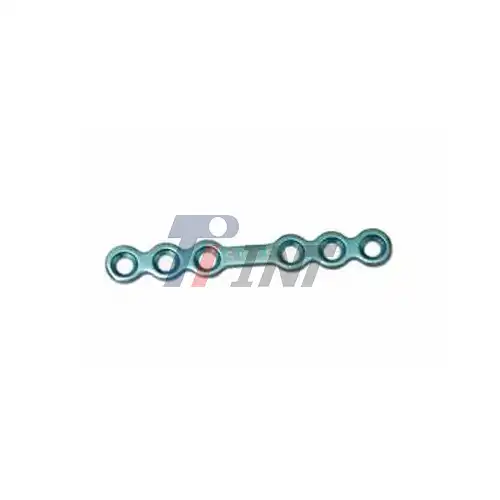
One of the most significant advantages of neck surgery with titanium plates is their versatility and potential for customization. Recognizing that each patient's anatomy and surgical requirements are unique, manufacturers offer a range of plate sizes, shapes, and thicknesses. This flexibility allows surgeons to select or even custom-order plates that perfectly match the specific needs of each procedure. Whether it's a simple stabilization or a complex reconstruction, the ability to tailor titanium plates ensures optimal outcomes across a wide spectrum of cervical spine surgeries.
Applications Across Various Cervical Conditions
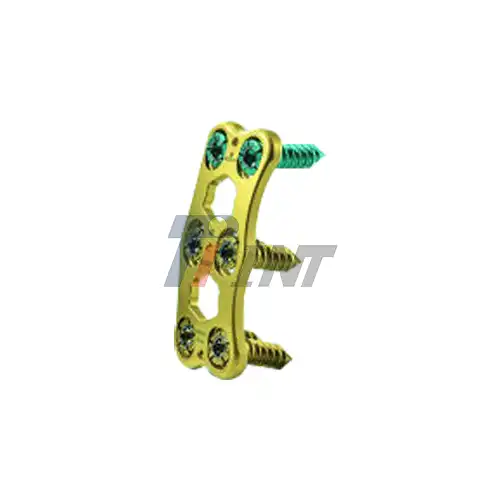
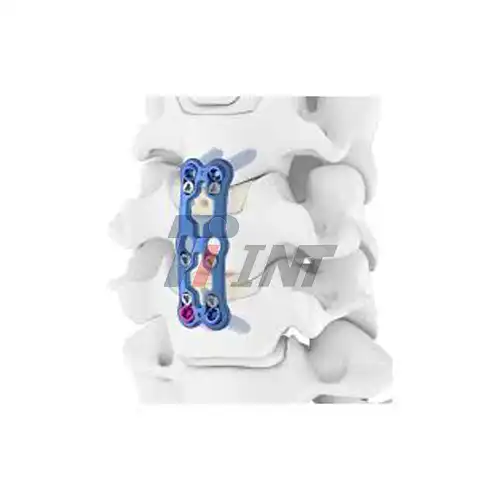
The versatility of titanium plates extends to their applicability across various cervical spine conditions. From traumatic injuries requiring immediate stabilization to degenerative disorders necessitating long-term support, titanium plates prove invaluable. They are commonly used in procedures such as anterior cervical discectomy and fusion (ACDF), where they provide crucial support during the fusion process. Additionally, titanium plates play a vital role in correcting cervical deformities and stabilizing fractures, showcasing their broad utility in addressing a wide range of neck-related medical issues.
Innovation in Design for Enhanced Functionality
Ongoing research and development in the field of titanium plate design continue to push the boundaries of what's possible in neck surgery. Innovations such as low-profile plates minimize soft tissue irritation, while dynamic plates allow for controlled movement, potentially reducing stress on adjacent vertebral segments. Some designs incorporate features that facilitate easier screw placement or enhance the plate's ability to conform to the natural curvature of the spine. These advancements in design and functionality underscore the continuous evolution of titanium plates to meet the ever-changing demands of cervical spine surgery.
Conclusion
The use of titanium plates in neck surgery represents a significant advancement in cervical spine stabilization and recovery. Their unparalleled combination of biocompatibility, strength, and durability makes them the optimal choice for ensuring successful surgical outcomes and patient well-being. As manufacturing techniques continue to evolve and customization options expand, the future of neck surgery with titanium plates looks increasingly promising. For those seeking further information on high-quality titanium medical products, including plates for neck surgery, Baoji INT Medical Titanium Co., Ltd. offers extensive expertise and innovative solutions. Interested parties are encouraged to reach out to export@tiint.com for more details on how titanium can revolutionize surgical outcomes.
FAQ
How long do titanium plates last after neck surgery?
Titanium plates are designed for long-term use and can last for decades, often for the patient's lifetime. Their corrosion resistance and durability contribute to their longevity.
Are titanium plates safe for MRI scans?
Yes, titanium plates are MRI-compatible. They do not pose safety risks during MRI scans, although they may cause some local image distortion.
Can titanium plates cause allergic reactions?
Allergic reactions to titanium are extremely rare due to its excellent biocompatibility. This is one of the reasons titanium is preferred for medical implants.
References
1. Baoji INT Medical Titanium Co., Ltd. Internal Product Documentation.
2. ISO. (2015). ISO 9001:2015 Quality management systems — Requirements.
3. ISO. (2016). ISO 13485:2016 Medical devices — Quality management systems — Requirements for regulatory purposes.
4. European Commission. CE marking.
5. American Academy of Orthopaedic Surgeons. (2021). Cervical Fracture (Broken Neck).
_1753859685128.webp)