
Finding Reliable Dental Titanium Rod Manufacturers


 2026-01-23 16:25:44
Finding reliable dental titanium rod manufacturers requires careful evaluation of quality standards, certifications, and production capabilities. Medical device manufacturers and dental implant companies must prioritize suppliers who demonstrate consistent biocompatibility, precision manufacturing, and regulatory compliance. The dental titanium rod market demands materials that meet stringent FDA, ISO, and CE requirements while offering exceptional corrosion resistance and osseointegration properties. Successful procurement depends on identifying manufacturers with proven track records, comprehensive quality assurance protocols, and the technical expertise to support custom specifications and volume production requirements.
|
|
|


Comprehending Dental Titanium Rods and Their Applications
One of the most important parts of contemporary dental implantology and prosthetic restorations are dental titanium rods. Because of their specific blend of mechanical strength, corrosion resistance, and biocompatibility, these medical-grade materials have completely changed the industry. In contrast to conventional materials like cobalt-chromium alloys or stainless steel, titanium exhibits remarkable osseointegration properties that enable a direct structural and functional bond with live bone tissue.
Material Properties and Characteristics
The exceptional material qualities of dental titanium rods are what make them so appealing. Ti6Al4V ELI (Extra Low Interstitial), another name for GR23 medical titanium, provides the best possible compromise between biocompatibility and strength. In comparison to commercially pure titanium, this grade offers improved fatigue resistance while retaining superior corrosion resistance in biological settings. Because the material's elastic modulus more closely resembles that of human bone, stress shielding effects that may cause bone resorption surrounding implants are lessened.
To create a homogenous microstructure, the production process starts with high-purity titanium sponge that goes through many cycles of melting and forging. Consistent mechanical qualities, with tensile strength usually falling between 860 and 1,200 MPa and yield strength between 795 and 1,100 MPa, are ensured by advanced quality control procedures used throughout the manufacturing process. To improve osseointegration properties, surface treatments like plasma spraying, acid etching, or sandblasting may be used.
Clinical Applications in Dental Practice
Dental titanium rods are used in many different dental specialties. These elements serve as the cornerstone of endosseous implants in implantology, giving crowns, bridges, and prosthetic devices secure anchoring. The material has become the gold standard for tooth replacement treatment because it can directly connect bone to implant without any fibrous tissue intervention. Titanium rods are used in maxillofacial surgery for bone rebuilding treatments, especially when trauma or oncological resection are involved. The material's non-magnetic characteristics make it compatible with MRI imaging methods, and its radiolucency permits clear radiographic examination. Applications in orthodontics include bone-anchored appliances that need consistent osseointegration and temporary anchoring devices.
Key Criteria to Identify Reliable Dental Titanium Rod Manufacturers
Selecting a dependable manufacturer requires systematic evaluation of multiple critical factors that directly impact product quality and supplier reliability. The complexity of medical device regulations and the stringent requirements for biocompatible materials necessitate thorough due diligence throughout the supplier selection process.
Regulatory Compliance and Certifications
Suppliers that maintain complete regulatory compliance across various countries must be given priority by medical device makers. While ISO 9001:2015 offers further assurance of continuous quality procedures, ISO 13485:2016 accreditation shows a manufacturer's dedication to medical device quality management systems. For providers to the US market, FDA registration and adherence to 21 CFR Part 820 regulations are crucial.
The Medical Device Regulation (MDR 2017/745), which superseded the earlier Medical Device Directive, mandates CE marking compliance for European markets. Clinical evidence, post-market monitoring capabilities, and biocompatibility data are all rigorously evaluated throughout this certification procedure. ASTM F136 and F1472 standards, which particularly address titanium alloy parameters for surgical implant applications, should also be shown by suppliers.
Manufacturing Capabilities and Technology
Reliable suppliers may be distinguished from commodity manufacturers by their advanced production skills. Sophisticated machinery like as vacuum arc remelting (VAR) furnaces, precise machining facilities, and extensive metrology systems are necessary for the manufacturing of dental titanium rods nowadays. Clinical results are strongly impacted by the capacity to provide consistent surface finishes while maintaining strict dimensional constraints.
Manufacturers are able to handle developing applications and unique standards because to their research and development skills. Technical advice on material selection, heat treatment optimization, and surface modification methods may be given by suppliers with internal metallurgical experience. From prototype quantities to high-volume production runs, production scalability guarantees constant supply chain performance across a range of order sizes.
Quality Assurance and Traceability
Thorough quality assurance procedures provide assurance on the performance and consistency of the product. With documented proof of capability studies and continuous process validation, trustworthy manufacturers use statistical process control throughout the manufacturing process. Complete documentation from the procurement of raw materials to the delivery of the finished product is made possible by material traceability systems.
Testing capabilities should include biocompatibility evaluation, chemical composition analysis, and mechanical property verification. Additional confirmation of product specifications and regulatory compliance is provided by independent third-party testing. In order to handle quality concerns and carry out continuous improvement activities, suppliers should maintain strong corrective and preventative action (CAPA) procedures.
Comparing Dental Titanium Rods: What to Look for When Choosing a Supplier?
A methodical assessment of material requirements, service capabilities, and commercial terms is necessary for an effective supplier comparison, particularly when sourcing dental titanium rod products. Making educated decisions that satisfy specific clinical needs and performance standards is made possible by understanding the differences between titanium grades and surface treatments.
Material Grades and Specifications
Clinical performance and application compatibility are greatly impacted by the choice of titanium grade. Grades 1-4 of commercially pure titanium (CP Ti) have different strengths, whereas Grade 4 offers the best mechanical qualities of all unalloyed titanium. Although grade 1 titanium has limited strength for load-bearing applications, it offers exceptional formability and corrosion resistance. The high-end choice for demanding applications needing exceptional strength and fatigue resistance is Ti6Al4V ELI (Grade 23). Compared to regular Grade 5 titanium, this alloy has less interstitial elements (oxygen, nitrogen, and carbon), which improves its ductility and fracture toughness.
The material is the recommended option for permanent implant applications due to its substantial biocompatibility data and verified clinical experience. While other materials like titanium-zirconium alloys (Roxolid) provide improved strength qualities, long-term clinical performance data must be carefully examined. When compared to titanium alloys, pure zirconia offers superior aesthetics but restricted mechanical qualities. Although stainless steel is more affordable, it is less biocompatible and resistant to corrosion in biological settings.
Surface Treatments and Modifications
Surface properties have a significant impact on long-term implant durability and osseointegration rates. Although the geometry of machined surfaces is predictable, the first bone reaction may be delayed than that of roughened surfaces. The micro-roughness produced by sandblasted and acid-etched (SLA) surfaces promotes cellular adhesion and protein adsorption.
Controlled oxide layers produced by anodization procedures may change surface energy properties or add medicinal ions. Although hydroxyapatite coatings provide bioactive surfaces that encourage rapid bone growth, rigorous application methods are needed to guarantee coating integrity. Titanium surfaces blasted with plasma provide intermediate levels of roughness and have shown clinical efficacy.
Commercial Considerations and Service Support
Material quality, quantity levels, and processing needs all have a substantial impact on pricing structures. While minimum order numbers may affect smaller manufacturers, volume pricing tiers usually provide significant cost savings for large-scale purchases. The total cost of ownership for foreign sourcing agreements may be impacted by payment periods and currency hedging choices.
Premium suppliers are distinguished from commodity providers by their technical support skills. While high-quality documentation packages make regulatory submissions easier, engineering consulting services help with material selection and application optimization. Effective product development cycles are made possible by quick prototyping capabilities and custom machining services.
Procurement Tips: How to Effectively Source Dental Titanium Rods?
Successful procurement requires a structured approach that balances quality requirements with commercial objectives. The complexity of medical device supply chains demands careful planning and thorough supplier evaluation to ensure reliable, long-term partnerships that support business growth and regulatory compliance.
Define Project Requirements and Specifications
Effective procurement strategies are based on the formulation of clear specifications. Dimensional tolerances, surface polish standards, and mechanical property ranges should all be included in technical requirements. The testing specifications and material certifications must match the planned uses and regulatory filings. Suppliers may improve price and production scheduling by using volume forecasts. Precise demand forecasts enhance volume price discussions and make capacity allocation and raw material procurement easier. Lead times for manufacturing and quality control methods should be taken into consideration when creating a delivery timetable.
Research and Supplier Identification Methods
Opportunities for direct supplier contact and product assessment are offered by industry trade exhibitions like the International Dental Show (IDS) and the annual meetings of the American Academy of Oral and Maxillofacial Surgeons (AAOMS). Verified supplier lists with pertinent capacity information are provided by trade publications and professional groups. Effective supplier screening is made possible by online B2B platforms, which also provide users access to performance evaluations and customer feedback. Case studies and technical publications show the application experience and supplier competence. Checking references with current clients offers important information about the dependability and performance of suppliers.
Sample Evaluation and Testing Protocols
Before making significant procurement commitments, thorough sample assessment procedures guarantee material compliance and performance verification. Tensile strength, yield strength, and fatigue resistance data should all be included in mechanical testing in accordance with applicable ASTM standards. The content of interstitial elements and alloy requirements are confirmed by chemical composition analysis. Biological safety is ensured by biocompatibility testing in accordance with ISO 10993 standards. Studies on cytotoxicity, sensitization, and irritation show that the material is suitable for applications involving patient contact. The efficacy and uniformity of surface treatments are confirmed by surface characterisation methods like as microscopy and profilometry.
Commercial Negotiation and Contract Terms
Good negotiating techniques strike a balance between supply security, quality control, and cost efficiency. Long-term contracts may allow suppliers to invest in process enhancements while offering capacity allocation and pricing stability. Protocols for remedial action, certification, and testing should all be included in quality agreements.
Supply chain continuity is ensured by risk mitigation techniques such as backup supplier agreements and supplier certification procedures. Proprietary specifications and application data are safeguarded by confidentiality agreements and intellectual property rights. Continuous supplier development and relationship strengthening are driven by performance indicators and continuous improvement initiatives.
Baoji INT Medical Titanium Co., Ltd.: Your Trusted Partner for Premium Dental Titanium Rods
Baoji INT Medical Titanium Co., Ltd. has established itself as a leading manufacturer and supplier of medical-grade titanium materials since our founding in 2003. Under the leadership of Mr. Zhan Wenge, who brings more than 30 years of titanium industry expertise, we have developed into a benchmark enterprise specializing in R&D, production, and processing of medical titanium materials.
Comprehensive Product Portfolio and Manufacturing Excellence
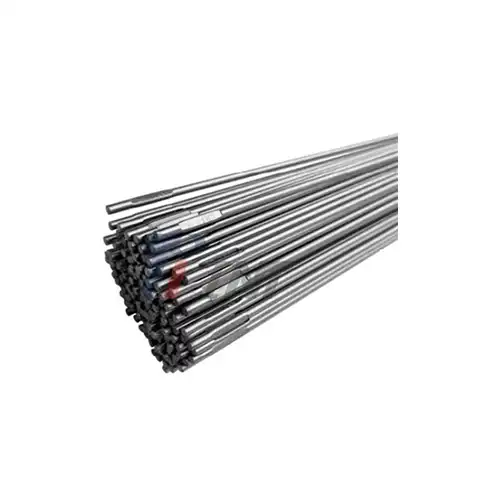
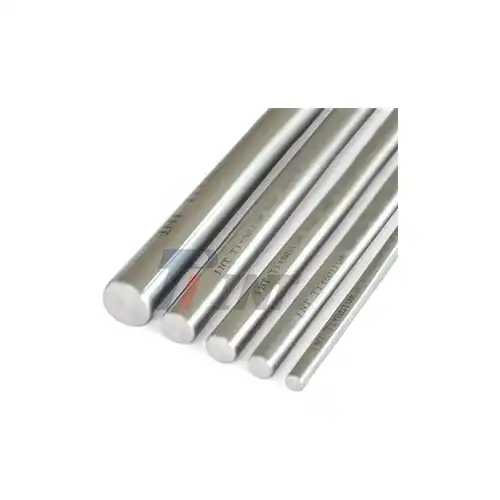
Our extensive product line encompasses pure titanium, Ti6Al4V ELI titanium, and specialized titanium alloy rods designed specifically for dental and medical applications. We maintain complete production capabilities for various specifications including rods, wires, plates, and forged products that meet diverse customer requirements. Our manufacturing processes incorporate advanced equipment and precision techniques that ensure consistent quality and dimensional accuracy.
The company’s commitment to innovation led to the establishment of Shaanxi Stand Biotechnology Co., Ltd., which focuses on precision die forging products and advanced medical device components, including high-performance dental titanium rod solutions. This vertical integration enables us to provide comprehensive solutions from raw materials through finished components, supporting our customers’ complete supply chain requirements.
Quality Certifications and Regulatory Compliance
Baoji INT Medical Titanium maintains comprehensive quality certifications including ISO 9001:2015 international quality management systems, ISO 13485:2016 medical device quality management, and EU CE safety certification. These certifications demonstrate our commitment to meeting the highest international standards for medical device manufacturing and quality assurance.
Our products undergo rigorous testing and validation procedures to ensure compliance with FDA, ASTM, and international standards. Complete material traceability and documentation packages support our customers' regulatory submission requirements while providing confidence in product consistency and performance. We maintain detailed records throughout the manufacturing process, enabling complete supply chain transparency and accountability.
Technical Support and Customer Partnership
Our technical team provides comprehensive support throughout the product development and procurement process. We offer material selection guidance, processing technology consultation, and quality control assistance to help customers optimize their applications. Our extensive experience in the medical titanium industry enables us to provide valuable insights and recommendations for specific requirements.
Long-term customer partnerships have been developed over more than 10 years, demonstrating our commitment to reliability and customer satisfaction. We work closely with medical device manufacturers, dental implant companies, and ODM/OEM suppliers to understand their unique requirements and provide customized solutions that meet their specific needs.
Conclusion
The selection of reliable dental titanium rod manufacturers requires careful evaluation of multiple critical factors including regulatory compliance, manufacturing capabilities, and quality assurance protocols. Successful procurement depends on understanding material specifications, supplier capabilities, and long-term partnership potential. The dental industry's stringent requirements for biocompatibility, precision, and regulatory compliance demand suppliers with proven expertise and comprehensive quality systems. Through systematic evaluation and thorough due diligence, medical device manufacturers can identify suppliers who provide the reliability, quality, and technical support necessary for successful product development and market success.
FAQ
What makes dental titanium rods superior to alternative materials?
Dental titanium rods offer exceptional biocompatibility that enables direct osseointegration with human bone tissue, a property unmatched by stainless steel or other metallic alternatives. The material's corrosion resistance in biological environments prevents degradation and ion release that could cause adverse reactions. Titanium's elastic modulus closely matches that of human bone, reducing stress shielding effects that can lead to bone resorption around implants. Additionally, the material's non-magnetic properties ensure MRI compatibility while its radiolucency allows clear radiographic evaluation.
How do I select the appropriate titanium grade for my dental application?
Grade selection depends on specific application requirements and mechanical property needs. Commercially pure titanium (Grades 1-4) provides excellent biocompatibility and formability for non-load-bearing applications. Ti6Al4V ELI (Grade 23) offers superior strength and fatigue resistance for demanding applications such as dental implants and load-bearing prosthetics. The extra low interstitial content in Grade 23 enhances ductility and fracture toughness compared to standard Grade 5 titanium. Consider factors including anticipated loads, implant geometry, and long-term performance requirements when making grade selections.
What certifications should I require from dental titanium rod suppliers?
Essential certifications include ISO 13485:2016 for medical device quality management and ISO 9001:2015 for general quality systems. FDA registration and 21 CFR Part 820 compliance are required for U.S. market access, while CE marking under MDR 2017/745 is necessary for European markets. Material compliance with ASTM F136 and F1472 standards ensures appropriate titanium alloy specifications for surgical applications. Additionally, suppliers should provide biocompatibility testing according to ISO 10993 standards and maintain comprehensive material traceability documentation.
What are typical lead times for bulk dental titanium rod orders?
Lead times vary based on material grade, specifications, and order quantities but typically range from 4-12 weeks for standard products. Custom specifications or special surface treatments may require additional processing time of 2-4 weeks. Large volume orders may necessitate longer lead times to ensure adequate raw material procurement and production scheduling. Suppliers with established inventory programs can often provide shorter delivery times for common specifications. Planning ahead and establishing forecast sharing with suppliers can help optimize delivery schedules and ensure material availability.
How can I verify the quality and consistency of dental titanium rod suppliers?
Quality verification requires comprehensive evaluation of supplier certifications, testing capabilities, and quality management systems. Request material test certificates, process capability studies, and statistical process control data to assess consistency. Conduct supplier audits to evaluate manufacturing processes, quality systems, and technical capabilities. Sample evaluation through independent testing laboratories provides objective verification of material properties and specifications. Reference checks with existing customers offer insights into supplier performance and reliability over time.
Partner with Baoji INT Medical Titanium Co., Ltd. for Superior Dental Titanium Rod Solutions
Baoji INT Medical Titanium Co., Ltd. stands ready to support your dental titanium rod requirements with over 20 years of manufacturing excellence and technical expertise. Our comprehensive product portfolio includes GR23 medical titanium rods and Ti6Al4V ELI materials that meet the highest international standards for dental applications. We invite you to experience our commitment to quality, reliability, and customer service. Contact us at export@tiint.com for detailed product specifications, technical consultation, and complimentary sample requests.
References
1. Brunette, D.M., Tengvall, P., Textor, M., and Thomsen, P. "Titanium in Medicine: Material Science, Surface Science, Engineering, Biological Responses and Medical Applications." Springer Science & Business Media, 2012.
2. Albrektsson, T., and Wennerberg, A. "Oral Implant Surfaces: Part 1 - Review Focusing on Topographic and Chemical Properties of Different Surfaces and In Vivo Responses to Them." International Journal of Prosthodontics, Vol. 17, No. 5, 2004.
3. ASTM International. "Standard Specification for Wrought Titanium-6Aluminum-4Vanadium ELI (Extra Low Interstitial) Alloy for Surgical Implant Applications (UNS R56401)." ASTM F136-13, 2013.
4. International Organization for Standardization. "Medical Devices - Quality Management Systems - Requirements for Regulatory Purposes." ISO 13485:2016, 2016.
5. Williams, D.F. "Biocompatibility of Clinical Implant Materials." CRC Press, Boca Raton, Florida, 1981.
6. Ratner, B.D., Hoffman, A.S., Schoen, F.J., and Lemons, J.E. "Biomaterials Science: An Introduction to Materials in Medicine." Academic Press, Third Edition, 2013.

_1772162494331.jpg)
_1753926358324.jpg)
_1752463076575.webp)