

 2025-12-19 08:32:42


Understanding the Need for Chest Plates in Medical Scenarios
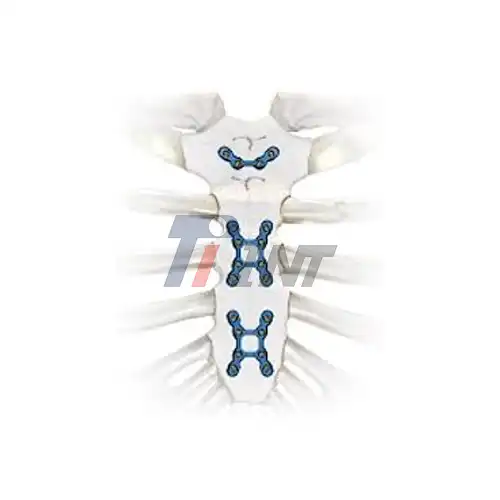
Chest plates, also known as sternal plates or rib plates, are medical devices used to stabilize and protect the chest area. They're typically employed in situations where the natural protection of the ribcage has been compromised or needs additional support. Some common scenarios include:
- Traumatic chest injuries
- Post-surgical recovery
- Congenital chest wall deformities
- Tumor resections in the chest area
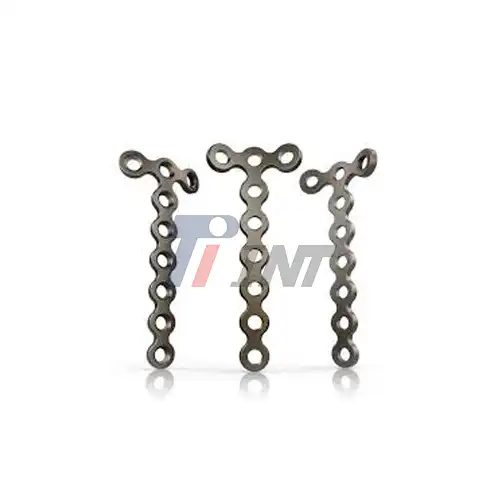
Traumatic chest injuries, such as those maintained in car mishaps or falls, can result in different rib breaks or a flail chest. In these cases, a titanium chest plate can be utilized to stabilize the rib cage, permitting legitimate recuperating and anticipating encourage complications. The plate acts as an outside framework, holding the ribs in place and dispersing the strengths of breathing more equitably over the chest divider. Post-surgical recuperation, especially after open-heart surgery or other methods that include part of the sternum, may require extra bolster. A titanium plate can be utilized to fortify the sternum as it recuperates, lessening the hazard of complications such as sternal dehiscence (partition of the sternum).
Congenital chest wall deformities, such as pectus excavatum (sunken chest) or pectus carinatum (pigeon chest), may be corrected using titanium implants. These plates can help reshape the chest wall, improving both the aesthetic appearance and functional capacity of the thoracic cavity. In cases of tumor resections in the chest area, titanium plate in chest can be used to reconstruct the chest wall after the removal of cancerous tissue. This helps maintain the structural integrity of the thoracic cavity and protects vital organs.
The Advantages of Titanium Plates in Chest Surgeries
Titanium plate in chest has become the go-to material for many medical implants, including chest plates. Its popularity in the medical field is due to several key advantages:
1. Biocompatibility: Titanium is well-tolerated by the human body, rarely causing allergic reactions or rejections. This makes it an excellent choice for long-term implants.
2. Strength-to-weight ratio: Titanium offers exceptional strength while remaining lightweight. This is crucial for chest plates, as they need to provide robust protection without adding unnecessary burden to the patient.
3. Corrosion resistance: Titanium resists corrosion from bodily fluids, ensuring the longevity of the implant.
4. Osseointegration: Titanium has the unique ability to integrate with bone tissue, a process known as osseointegration. This can lead to a more stable and long-lasting implant.
5. Radiolucency: Titanium is relatively radiolucent, meaning it allows X-rays to pass through. This property is beneficial for post-operative monitoring and future diagnostic imaging.
These properties make titanium plates in the chest an ideal arrangement for numerous patients requiring thoracic back or remaking. The utilization of titanium permits more slender, lighter plates that still give the fundamental quality and steadiness. This can lead to less obtrusive surgeries, quicker recuperation times, and progressed quiet results.
Recovery and Life After Chest Plate Surgery
Accepting a titanium plate in chest is a critical therapeutic method, and the recuperation handle is pivotal for ideal results. Patients who experience this surgery can anticipate a recuperation period that regularly keeps going a few weeks to months, depending on the particular method and person components.
Amid the quick post-operative period, patients are frequently required to constrain their physical exercises to permit appropriate mending. This may incorporate confinements on lifting overwhelming objects, locks in a strenuous workout, or performing certain developments that put stretch on the chest zone. Torment administration is an imperative angle of recuperation, and patients are ordinarily endorsed suitable solutions to oversee inconvenience.
As healing progresses, patients gradually increase their activity levels under the guidance of their healthcare team. Physical therapy may be recommended to help restore chest mobility and strength. The titanium plate itself doesn't typically require specific care, as it's designed to remain in place permanently.
Long-term outcomes for patients with titanium plates in the chest are generally positive. Many patients report significant improvements in their quality of life, including:
- Reduced pain and discomfort
- Improved breathing and respiratory function
- Enhanced physical appearance (in cases of chest wall deformities)
- Increased ability to engage in physical activities
- Greater peace of mind due to the protection offered by the plate
It's worth noticing that whereas titanium plates are planned for long-term use, a few patients may encounter complications or require amendment surgeries. Customary follow-up arrangements with healthcare suppliers are fundamental to screen the mending process and address any concerns that may emerge.
In rare cases, patients may experience discomfort or other issues related to the titanium plate. These can include:
- Infection at the surgical site
- Allergic reactions to the titanium (although this is extremely rare)
- Displacement or loosening of the plate
- Chronic pain or discomfort
Conclusion
The need for a chest plate, particularly a titanium plate in chest, can arise from various medical conditions and traumatic injuries. These plates play a vital part in stabilizing the thoracic depression, securing imperative organs, and moving forward patients' quality of life. The one of a kind properties of titanium make it an fabulous fabric for these inserts, advertising a combination of quality, lightweight plan, and biocompatibility.
If you're considering a method including a titanium plate in the chest, or if you're a restorative proficient looking for high-quality titanium materials for such strategies, it's pivotal to work with legitimate providers. Baoji INT Medical Titanium Co., Ltd. has been a leader in the medical titanium industry since 2003, providing a full range of titanium products for various medical applications. Their commitment to quality and innovation ensures that patients receive the best possible care.
For more information about medical titanium products or to discuss your specific needs, don't hesitate to reach out to the experts at INT. You can contact them at export@tiint.com to learn more about their offerings and how they can support your medical titanium requirements.
_1750668472070.webp)
_1750210148763.webp)
_1749195818446.webp)