
Common Misconceptions About Titanium Plates in the Chest


 2025-12-19 08:32:36
When it comes to medical procedures involving the chest, titanium plates have become increasingly common. However, there are numerous misconceptions surrounding the use of titanium plate in chest that can lead to unnecessary worry or confusion. In this article, we'll debunk some of these myths and provide accurate information about titanium plates used in chest surgeries.
|
|
|

Comprehending the Purpose and Composition of Titanium Plates
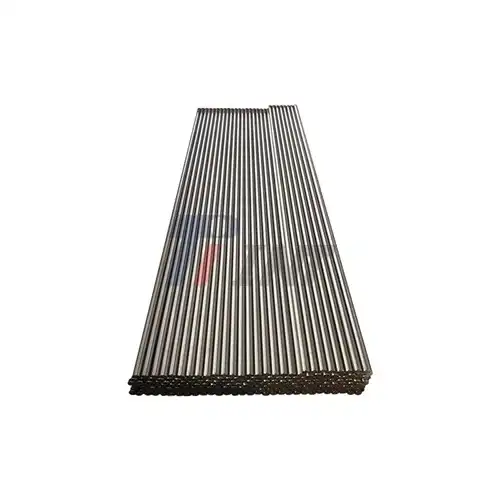
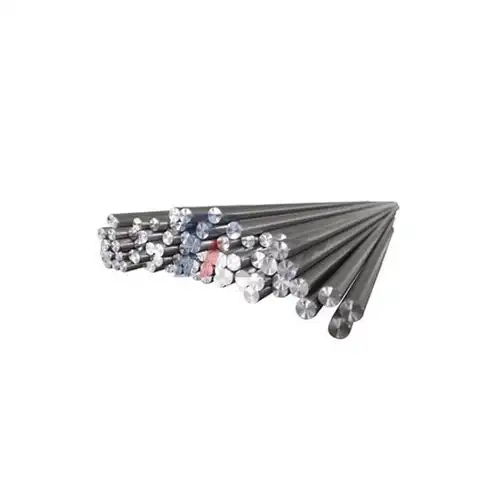
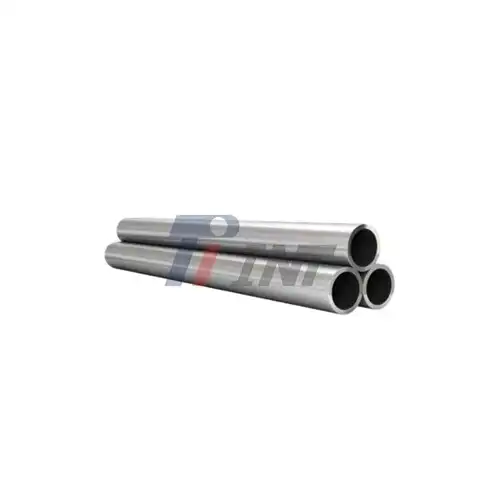
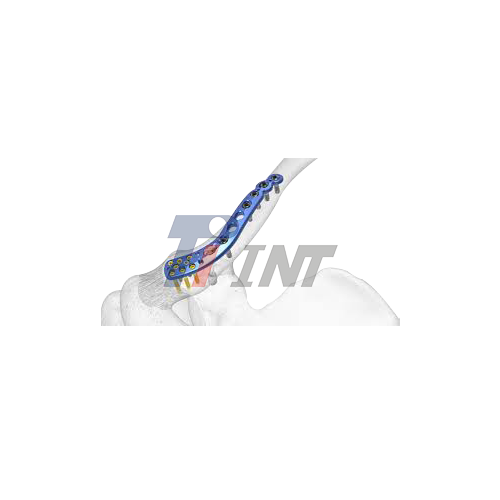
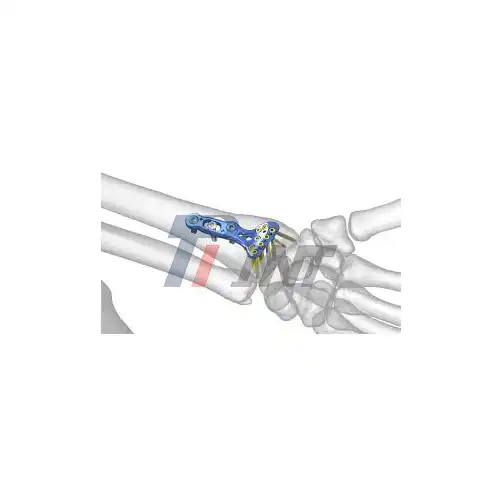
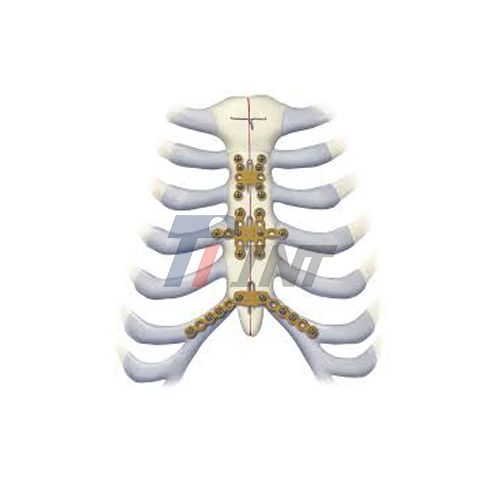
Titanium plates in the chest serve a crucial role in various medical procedures, particularly in thoracic surgeries. These plates are typically used to stabilize fractured ribs, repair chest wall deformities, or provide support after the removal of tumors. The titanium used in these plates is a biocompatible material, meaning it's well-tolerated by the human body and doesn't cause adverse reactions in most patients.
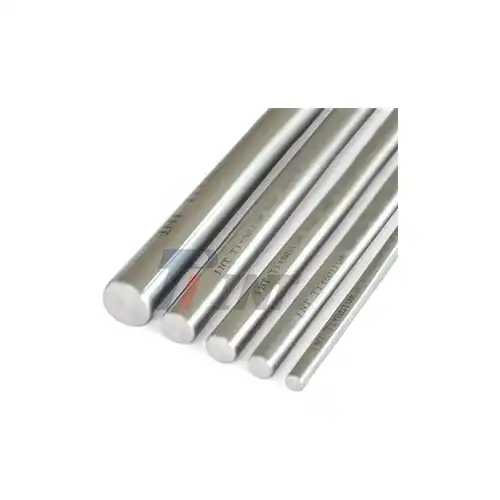
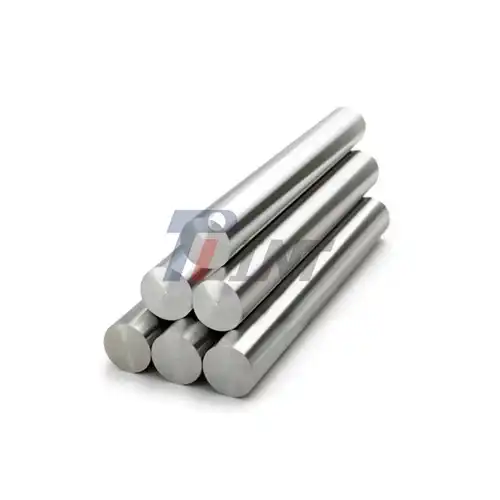
One common misconception is that titanium plates are made of pure titanium. In reality, medical-grade titanium plates are often composed of titanium alloys, such as Ti6Al4V ELI (Extra Low Interstitial). This alloy combines titanium with small amounts of aluminum and vanadium to enhance its strength and durability while maintaining excellent biocompatibility.
Another misunderstanding is that titanium plates are rigid and inflexible. In truth, modern titanium plates are designed to be malleable, allowing surgeons to contour them to fit the unique anatomy of each patient's chest. This flexibility ensures a more comfortable fit and better overall outcomes for patients.
Debunking Safety Concerns and Long-term Effects
A prevalent myth surrounding titanium plates in the chest is that they pose significant safety risks or lead to long-term health issues. However, extensive research and clinical experience have demonstrated that titanium plates are generally safe for long-term use in the body.
One unfounded concern is that titanium plates may increase the risk of cancer. There is no scientific evidence to support this claim. Titanium is a bioinert material, meaning it doesn't react with bodily tissues or fluids in ways that could promote cancer development. Numerous studies have shown that titanium implants do not increase cancer risk.
Another misconception is that titanium plates will trigger metal detectors or interfere with medical imaging. While it's true that some metal implants can set off metal detectors, titanium plates are typically too small to cause this issue. As for medical imaging, titanium is compatible with MRI scans, although it may cause some artifacts in CT scans. However, these artifacts rarely impede diagnostic accuracy, and radiologists are trained to interpret images with metal implants present.
Some patients worry about the potential for allergic reactions to titanium plate in chest. While titanium allergies are possible, they are extremely rare. Titanium is chosen for medical implants precisely because of its low allergenic potential. In the unlikely event of an allergy, alternative materials can be used.
Addressing Recovery and Quality of Life Concerns
Many patients have concerns about how titanium plates in the chest will affect their recovery and quality of life. One common misconception is that these plates will significantly limit mobility or cause constant discomfort. In reality, most patients experience minimal limitations once they've fully recovered from surgery. It's important to understand that the initial discomfort following surgery is primarily due to the surgical procedure itself, not the titanium plate. As healing progresses, most patients find that they can return to their normal activities without significant restrictions. Some even report forgetting about the plate's presence entirely.
Another myth is that titanium plates in the chest will need to be removed after a certain period. In most cases, these plates are intended to remain in place permanently. Removal is typically only considered if there are complications or if the plate is causing discomfort, which is uncommon. Some patients worry about the impact of temperature changes on titanium plates. While it's true that metal can conduct heat and cold, the effect on titanium plates in the chest is minimal. The surrounding tissue provides insulation, and patients rarely report temperature-related discomfort.
A less common but still prevalent misconception is that titanium plates will corrode over time. Titanium is highly resistant to corrosion, which is one of the reasons it's chosen for medical implants. The titanium alloys used in chest plates are designed to withstand the body's internal environment for many years without degradation. Some individuals express concern about the weight of titanium plate in chest. In reality, these plates are remarkably lightweight. The density of titanium is about 60% that of steel, making it an ideal material for implants where minimizing additional weight is crucial.
There's also a misconception that having titanium plates in the chest means a person can no longer undergo certain medical treatments. While it's true that some procedures may need to be adapted, having titanium plates doesn't automatically disqualify a person from most medical treatments. It's important to inform healthcare providers about the presence of the plates, but in most cases, alternative approaches or precautions can be taken to accommodate them.
Some patients worry about the visibility of titanium plates through the skin. In the vast majority of cases, these plates are not visible externally. They are placed beneath muscle and other tissues, making them undetectable from the outside. Any visible changes are typically due to the surgical incision rather than the plate itself. A less common but interesting misconception is that titanium plates in the chest will interfere with the body's natural healing processes. On the contrary, titanium is chosen for its biocompatibility, which means it integrates well with the body's tissues. The plates actually support and facilitate the healing process by providing stability to the affected area.
Some individuals express concern about the potential for titanium plates to migrate within the body. This is extremely unlikely. Titanium plate in chest surgeries is securely fastened to the bone using screws. The body's natural healing process further anchors the plate in place as bone and tissue grow around it. There's a myth that titanium plate in chest will make a person more susceptible to lightning strikes. This is entirely false. The presence of a titanium plate does not increase the risk of being struck by lightning or exacerbate the effects if such an unlikely event were to occur.
Some individuals believe that having titanium plates in the chest will make them more vulnerable to injury in the future. In reality, properly placed titanium plates often provide additional protection to the area they're supporting. They can actually make the chest wall more resistant to certain types of injuries.
Conclusion
In conclusion, while there are many misconceptions about titanium plate in chest, the reality is that these medical devices are safe, effective, and have significantly improved outcomes for countless patients. As with any medical procedure, it's important to discuss any concerns with a healthcare provider who can provide personalized information based on individual circumstances. For those seeking more information about medical titanium products, including plates used in chest surgeries, feel free to reach out to us at export@tiint.com.
References
1. Niinomi, M. (2019). Metals for biomedical devices. Woodhead Publishing.
2. Morlock, M., Bünte, D., Guhrs, J., & Bishop, N. (2017). Corrosion of the head-stem taper junction—Are we on the verge of an epidemic?: review article. HSS Journal, 13(1), 42-49.
3. Gotman, I. (1997). Characteristics of metals used in implants. Journal of endourology, 11(6), 383-389.
4. Elias, C. N., Lima, J. H. C., Valiev, R., & Meyers, M. A. (2008). Biomedical applications of titanium and its alloys. Jom, 60(3), 46-49.
5. Granchi, D., Cenni, E., Tigani, D., Trisolino, G., Baldini, N., & Giunti, A. (2008). Sensitivity to implant materials in patients with total knee arthroplasties. Biomaterials, 29(10), 1494-1500.