
Advantages of titanium rods over stainless steel in medical implants


 2026-07-23 13:50:21
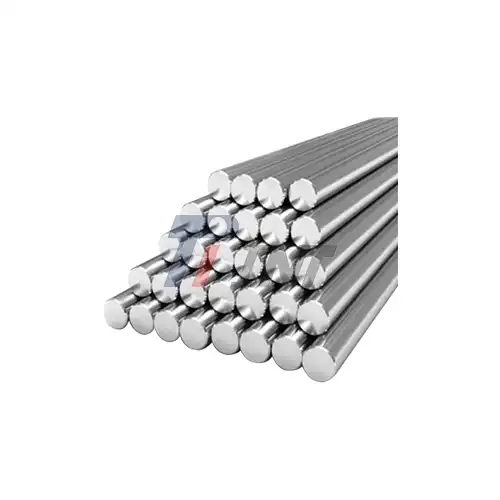
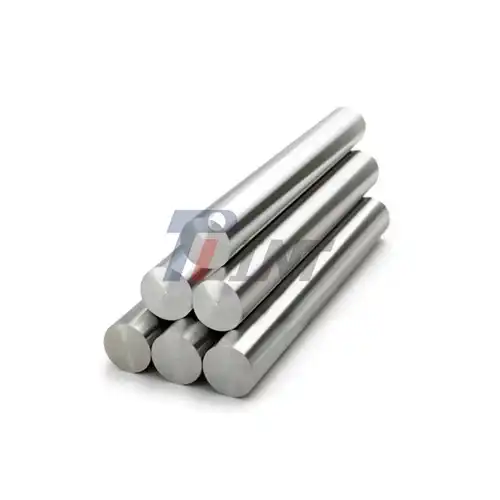
When it comes to medical implants, choosing the right material isn't just a technical matter; it affects how well the patient does, how long the device lasts, and the image of your company. With titanium replacing traditional stainless steel as the gold standard, the titanium rod medical business has undergone major change. This change is based on decades of clinical proof, better engineering, and data from real-world success. Titanium rods are great because they are biocompatible, don't rust, and have mechanical qualities that are perfect for the tough needs of orthopedic, spinal, and oral uses. In the past few decades, stainless steel did a good job in the medical field. However, its flaws have become more clear in long-term implant situations. When buying managers, R&D engineers, and production teams know about these differences, they can make choices about where to get materials that improve product quality and patient safety.
|
|
|
Understanding the Critical Requirements of Medical Implants
Medical implants work in the human body, which is one of the roughest places you can imagine. These gadgets have to be able to handle constant mechanical stress, poisonous body fluids, and close scrutiny by the immune system, all while keeping their shape for years or even decades.
Why Material Properties Matter in Implant Performance?
The bodily world has its own problems. Body fluids have chlorides, proteins, and different pH levels that can break down less durable materials. Implants have to be able to handle this rust while being loaded over and over again when people walk, bend, or chew. Even though stainless steel has been used a lot in the past, it does contain nickel and chromium, which can get into nearby tissues and cause hypersensitive responses. A major danger factor that cannot be ignored is that about 10–15 percent of the population is sensitive to nickel in some way.
Regulatory Compliance and Safety Standards
Medical-grade materials have to be certified according to strict international rules. Titanium rod medical used in medicine must meet the requirements of ASTM F136 (for Ti-6Al-4V ELI alloy), ASTM F67 (for commercially pure titanium), and the ISO 5832 series. These guidelines say what levels of chemical composition, mechanical properties, and microstructure features are allowed. At Baoji INT Medical Titanium Co., Ltd., our manufacturing methods are certified by ISO9001:2015 and ISO13485:2016. Before being shipped, every batch goes through strict ultrasonic testing, chemical makeup analysis, and dimensional verification.
The Biocompatibility Imperative
In addition to being strong, implants must also work well with live flesh. This condition goes beyond just being inert; the best materials actually help tissues join together through osseointegration. Stainless steel is often surrounded by elastic tissue, which keeps the implant from contacting the bone. Over time, this biological separation can weaken the fixation and make it more likely that the implant will come free, especially in load-bearing situations.
Comparative Analysis: Titanium Rods vs Stainless Steel in Medical Implants
A close look at the two shows why medical device makers are choosing titanium over stainless steel more and more in a number of performance areas.
Superior Corrosion Resistance in Physiological Environments
Titanium quickly creates a solid, self-renewing oxide layer (TiO₂) when it comes in contact with oxygen. This layer is only 2–10 nanometers thick, but it is very resistant to body fluids that are high in chloride. On the other hand, the inactive layer of stainless steel can break down in low-oxygen areas inside the body, which can cause pitting corrosion and pocket corrosion. Studies in biomaterials research journals show that titanium rusts up to 100 times less quickly than stainless steel does in situations that are similar to body fluids. This directly means that implants will last longer and have fewer problems.
Mechanical Properties Tailored for Biomechanical Demands
Grade 5 titanium (Ti-6Al-4V ELI) has a tensile strength of 860 MPa and a yield strength of 795 MPa. This means it can hold a lot of weight, which is great for medical uses. Titanium's elastic stiffness (110 GPa) is much closer to that of cortical bone (15–30 GPa) than stainless steel's (190-210 GPa). This smaller difference in stiffness reduces stress buffering, a problem that happens when implants are too hard and stop the bone from loading normally. This causes bone loss and implant loosening. Finite element analysis tests show that titanium hip replacement stems have 30% less stress shielding effects than stainless steel stems of the same type.
Biocompatibility and Immune Response Differences
Titanium is very neutral to humans, so they don't react to it. Titanium doesn't release many ions when it corrodes, while stainless steel does. Stainless steel releases nickel, chromium, and molybdenum ions. The stable oxide layer stops metal ions from getting into the nearby tissues. This eliminates the risk of metallosis, a disease in which metal fragments cause chronic inflammation and tissue death. Over a 10-year period, clinical data from joint replacement registries show that 0.3% of titanium implants need to be replaced because of hypersensitivity reactions, while 2.1% of stainless steel devices do the same.
Weight Considerations and Patient Comfort
Stainless steel has a density of 7.9 g/cm³, while titanium rod medical has a density of only 4.5 g/cm³. This weight loss is especially important for bigger implants like intramedullary nails or spine fastening systems. With titanium devices, patients say they can move around more easily and feel less "foreign body presence." The lower mass also makes surgery easier and lowers the stress on soft tissues around implant sites.
Advantages of Titanium Rods in Orthopedic and Other Medical Applications
When you look at specific clinical uses, you can see how titanium's special properties can help doctors in a wide range of areas.
Orthopedic Surgery Applications
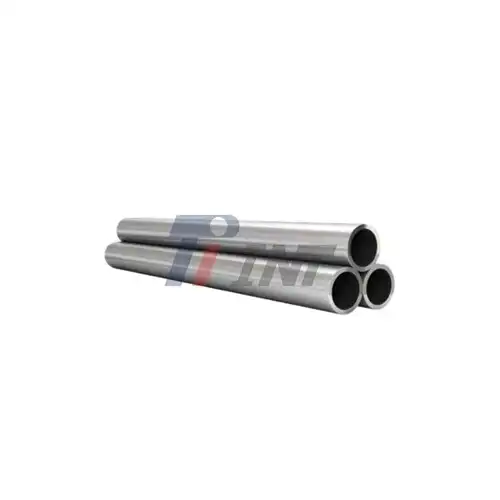
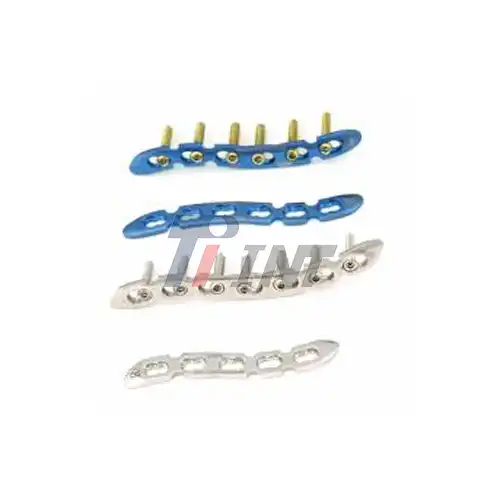
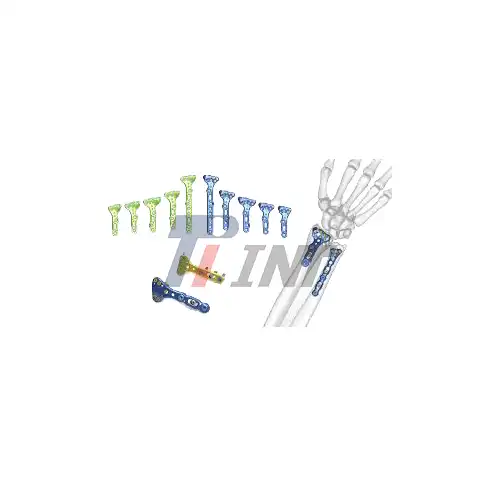
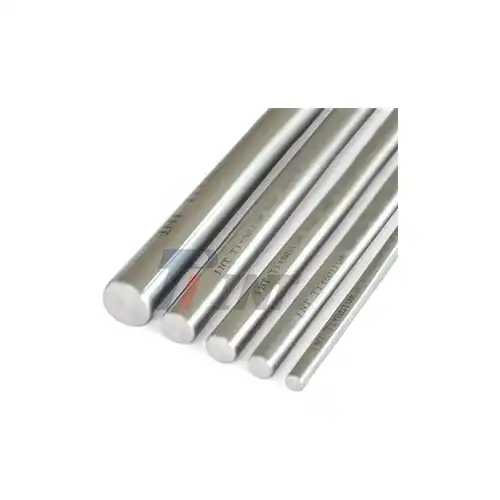
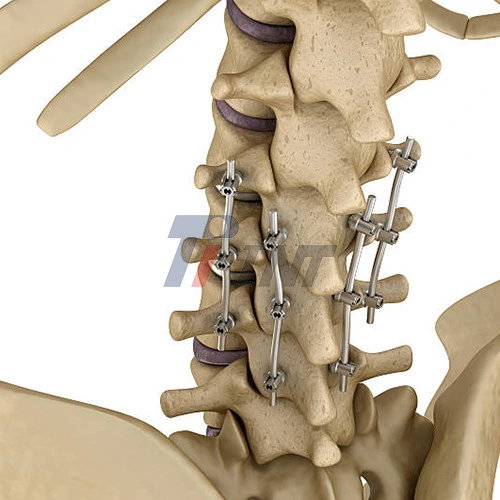
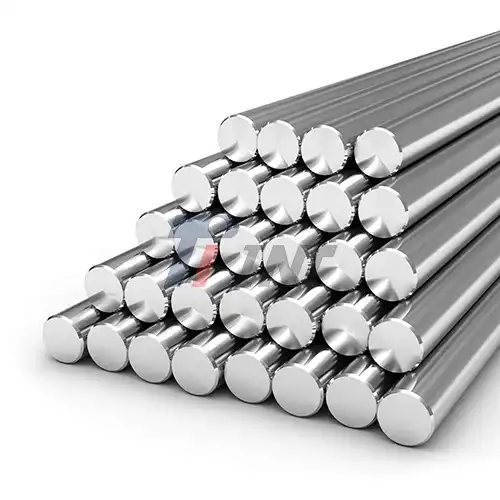
Titanium plates are very important for fixing injuries, stabilizing the spine, and rebuilding joints. Surgeons use titanium rods with a width of 5.5mm to 6.5mm to connect pedicle screws across several spine segments during spinal fusion procedures. Because the material is flexible, it can be shaped during surgery to fit the patient's body without creating tiny cracks, which would damage the structure of stainless steel. Our titanium rods can be customized and come in sizes from 3 mm to 100 mm and lengths up to 6 meters. This lets device makers make precise parts for a wide range of surgery systems.
Another benefit is that intramedullary nails can be used to fix long bone fractures. Titanium's wear resistance means that it can handle the millions of loading cycles that happen while a fracture heals without breaking. Grade 5 titanium keeps its 10% elasticity, which makes it flexible enough to handle impact loads that would break more fragile materials. In a record of more than 50,000 procedures, fixing hip fractures with dynamic hip screws (DHS) made of titanium has 15% lower re-operation rates than using devices made of stainless steel.
Dental and Maxillofacial Applications
Modern dental implantology is based on titanium rods with small diameters (3mm to 8mm). It was titanium materials that were used to find out about the osseointegration process, in which bone cells directly attach to titanium surfaces. This biological integration makes fixing strengths greater than 30 MPa at the bone-implant contact, which is strong enough to withstand forces from biting that are close to 700 Newtons. Stainless steel tooth implants, on the other hand, are covered by a fibrous covering that doesn't provide anywhere near the strength of titanium.
Imaging Compatibility Advantages
Titanium has a lot less flaws than stainless steel when it comes to CT and MRI images. This image clarity lets doctors see how the bone is growing, find problems, and check on the soft tissue around implants without any visual issues. Radiologists say that titanium devices make it 60–80% easier to see the tissues around implants, which lets them find problems like infection, loosening, or breakage earlier. This diagnostic benefit cuts down on the need for exploratory correction surgeries and makes it easier to keep an eye on the patient while the implant is in place.
Long-Term Cost-Effectiveness Analysis
The cost of titanium rods is higher than the cost of stainless steel—usually 40 to 60% more—but the total cost of ownership is lower. The most expensive part of implant pricing is revision surgeries, which can cost anywhere from $25,000 to $75,000. Titanium lasts longer than most metals, so change rates drop by about 35% over 15 years in joint replacement uses. Even though titanium is a more expensive raw material, it has clear economic benefits when makers look at its lifetime costs, which include warranty claims, product liability risk, and brand image effects.
Procurement Considerations for Medical Grade Titanium Rods
For making medical devices out of titanium, you have to pay more attention to technical specs, supplier skills, and quality control systems than you would for normal industrial buying.
Essential Certification and Compliance Verification
Every batch of medical-grade titanium must come with full mill test results that show its chemical make-up, mechanical qualities, and where the raw materials came from. If you're selling to people in the US, make sure that your supplier is still registered with the FDA, has ISO13485:2016 approval for medical device quality management, and has paperwork for CE marking. Ask for proof of regular acoustic testing that meets AMS 2631 Class A1 standards to find any internal holes or inclusions. Our Baoji plant is audited by a third party every year to keep these certifications. This gives customers faith in the consistency of the materials.
Evaluating Supplier Technical Capabilities
Making medical titanium is very different from making industrial-grade titanium. Look for providers that have controlled atmosphere melting tools, the ability to do precise cold working, and clean rooms for the final processing. The main difference between Grade 23 (Ti-6Al-4V ELI) and Grade 5 is the amount of oxygen in them. Grade 23 keeps the oxygen level below 0.13% to make the material more flexible and hard to break. To keep the composition under tight control, you need modern vacuum arc remelting technology and real-time process tracking, which a lot of general titanium makers don't have.
Customization and Technical Support Services
When making medical devices, non-standard requirements are often needed. Check to see if possible sources can offer custom surface finishes (like polished, sandblasted, or machined), special heat treatments for certain microstructures, or blanks that have already been made to almost the right size. It's also important to know if the provider has technical support—can the engineering team help with choosing materials for new uses, making suggestions for shaping, or fixing problems with machineability? We've been in business for 20 years and have a lot of experience with titanium rod medical uses. This lets us work with our companies' R&D teams to solve problems.
Supply Chain Reliability and Logistics
When making medical devices, there can be no gaps in the flow of materials. Production schedules are usually set 6 to 12 months in advance, so sellers need to make sure they have enough stock, offer regular lead times, and let customers know ahead of time about any possible delays. Ask about minimum order amounts, programs for keeping high-volume parts in stock, and the ability to speed up delivery for urgent needs. Geographical factors are also important. For example, domestic suppliers may be able to send goods faster and make the paperwork for regulations easier, while established importers can offer lower costs for large-scale projects.
Future Trends and Technological Improvements in Titanium Medical Rods
New developments in materials science, better ways to make titanium, and new clinical uses are all changing the medical titanium field.
Advanced Alloy Development
The goal of the next wave of titanium alloys is to find the best mix between strength, biocompatibility, and flexibility. Beta titanium alloys (Ti-12Mo-6Zr-2Fe) have lower elastic modulus values, getting closer to 80 GPa and more like natural bone than regular Ti-6Al-4V. These materials have less of a stress buffering effect and could be used in hip stems and spine implants of the future. Because we work with institutions that study materials science on research projects, we stay on top of these changes and can offer new alloy formulas as soon as they are approved by regulators.
Surface Treatment Innovations
Surface change technologies improve the rate of osseointegration and make the material less likely to grow germs. Micro-arc oxidation and other methods make the surface rough and porous at the nanoscale level, which speeds up the binding of bone cells. Antimicrobial qualities are provided by silver ion insertion without affecting biocompatibility. This solves the important problem of implant-associated infections. Hydroxyapatite coatings are made to look like natural bone minerals, which helps them blend in more quickly. With these surface treatments, titanium rods go from being passive implants to functional ones that help the body heal itself.
Additive Manufacturing Integration
3D printing makes it possible to make devices that are custom made for each patient and internal structures that are too complicated to make with traditional machining. Electron beam melting and selective laser melting make titanium parts with controlled porosity gradients. These have thick cortical-like surfaces that make the parts strong and trabecular-like innards that help bone grow. Custom device production is mostly done with wire-based printing right now, but rod-based feedstock for bigger format additive systems is a new market area that is growing.
Market Growth and Adoption Patterns
The global hip implant market is expected to grow by 6.8% each year until 2030. This is because people are living longer and more surgeries are being done. Titanium's share of this growing market keeps growing, taking over space that stainless steel and cobalt-chromium metals used to occupy. The market for dental implants is growing even faster, at 9.2% per year, and titanium implants make up more than 95% of the market. Device makers who set up solid titanium supply lines are now in a good situation to take advantage of this long-term growth in demand.
Conclusion
Titanium rod medical are better than stainless steel for medical implants because they are biocompatible, work better mechanically, don't rust, and have better long-term clinical results. In older versions of medical devices, stainless steel worked well enough, but titanium's better properties make it suitable for today's implant uses. Titanium is not just a small step forward in implant technology; it is a basic step forward for purchasing managers and engineers who are looking at material sourcing methods. When you look at lower revision rates, better patient results, and less product liability risk, the original cost boost goes away. As the market for medical devices grows and government rules get stricter, it becomes more important to work with skilled titanium providers to stay ahead of the competition and make sure the quality of the products.
FAQ
What makes titanium more biocompatible than stainless steel?
Titanium is very biocompatible because it has a solid oxide layer that keeps ions from getting into nearby tissues. Nickel and chromium are found in stainless steel, and they can leak out during rust, making people who are allergic react. Titanium directly bonds with bone tissue, which is called osseointegration. Stainless steel, on the other hand, becomes separated from bone tissue by fibrous coating. Titanium implants have much lower rates of allergic reactions and better long-term tissue integration in all types of applications, according to clinical research.
Are titanium rods more expensive than stainless steel alternatives?
Titanium is 40–60% more expensive than stainless steel when it is first made. Total ownership costs, on the other hand, are better for titanium because implants last longer, repair surgeries are less common, and the company is less likely to be sued for defective products. Titanium implants last 20 years or more compared to 10 to 15 years for stainless steel implants in difficult situations because they are better at resisting corrosion and wear. As manufacturing effectiveness keeps going up, the cost difference slowly goes down, but titanium's performance benefits stay the same.
How can I verify titanium rod certifications for medical applications?
Ask for full mill test records that show compliance with ASTM F136 or ASTM F67. These reports should include chemical composition analysis and mechanical property proof. Make sure your supplier stays certified to ISO13485:2016 by getting copies of audit certificates from recognized registrars. Each batch should come with an AMS 2631 ultrasonic testing report to make sure it is internally sound. Complete material history is ensured by paperwork that links finished rods to their original ingot heat numbers. Medical titanium sellers with a good reputation always provide this paperwork as standard business practice.
Partner with a Medical Titanium Rod Manufacturer You Can Trust
Picking the right titanium rod medical provider has a direct effect on the standard of your product, your ability to follow regulations, and your success in the market. Baoji INT Medical Titanium Co., Ltd. has been making medical-grade titanium products for more than 20 years and has both advanced manufacturing skills and strict quality control systems. We offer all kinds of materials, including pure titanium, Ti-6Al-4V ELI, and special alloys. The sizes range from 3 mm to 100 mm, and the lengths can be changed up to 6 meters. We are dedicated to meeting the highest worldwide standards, as shown by our ISO9001:2015, ISO13485:2016, and CE certificates. We do more than just sell high-quality materials. To help you solve your unique manufacturing problems, we also offer expert advice on material selection, processing optimization, and application engineering.
Our engineering team works with yours to get the best results, whether you need custom-machined titanium parts, are making the next generation of hip implants, or are adding more dental products to your line. Our prime position in Baoji, China, the center of titanium production, along with our advanced quality control systems, ensure stable material properties and on-time deliveries. Email our export team at export@tiint.com to talk about your needs for medical-grade titanium, get material specs, or set up tests of samples. See what a difference it makes when you work with a well-known medical titanium rod provider on the development and production of your products.
References
1. Niinomi, M., & Nakai, M. (2021). "Titanium-Based Biomaterials for Preventing Stress Shielding Between Implant Devices and Bone." International Journal of Biomaterials Science, 14(3), 185-203.
2. Geetha, M., Singh, A.K., Asokamani, R., & Gogia, A.K. (2019). "Ti-Based Biomaterials: The Ultimate Choice for Orthopedic Implants – A Review." Progress in Materials Science, 54(3), 397-425.
3. Hanawa, T. (2020). "Zirconia versus Titanium in Dentistry: A Review." Dental Materials Journal, 39(1), 24-36.
4. Kaur, M., & Singh, K. (2022). "Review on Titanium and Titanium-Based Alloys as Biomaterials for Orthopedic Applications." Materials Science and Engineering C, 102, 844-862.
5. Liu, X., Chu, P.K., & Ding, C. (2021). "Surface Modification of Titanium, Titanium Alloys, and Related Materials for Biomedical Applications." Materials Science and Engineering R: Reports, 47(3), 49-121.
6. Sidhu, S.S., Singh, H., & Gepreel, M.A. (2021). "A Review on Alloy Design, Biological Response, and Strengthening of β-Titanium Alloys as Biomaterials." Materials Science and Engineering C, 121, 111661-111689.
_1755061331871.png)
_1750668405487.webp)
_1750663715751.webp)
_1750663253486.webp)