
How to verify the quality of medical titanium rods before purchase


 2026-07-23 13:50:14
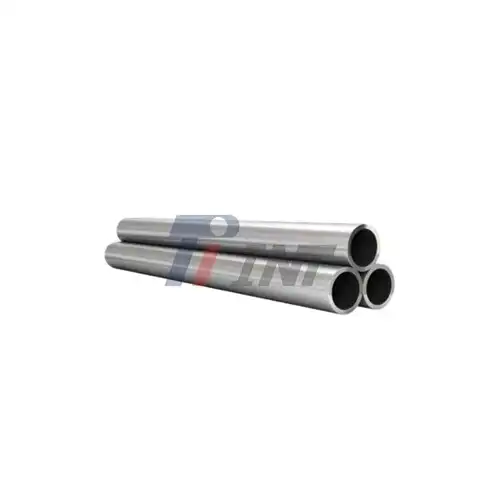
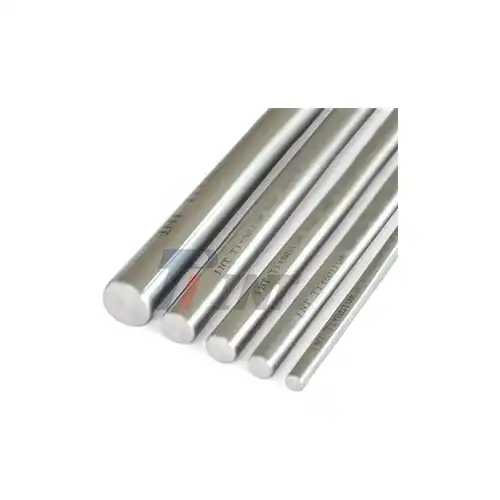
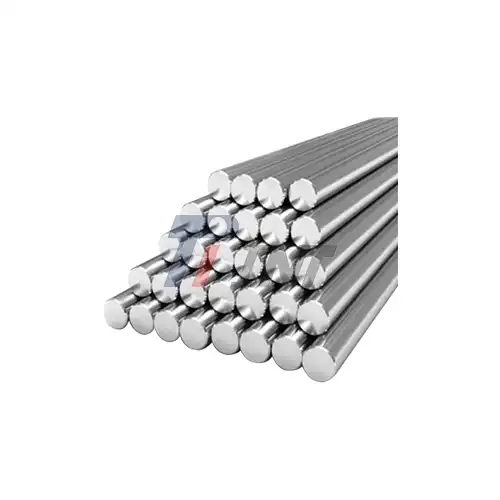
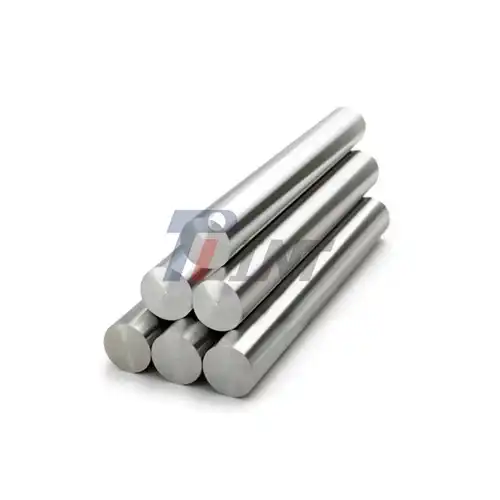
To make sure the quality of medical-grade titanium rods before buying them, you need to follow a set of steps that include reviewing the certification, trying the rods mechanically, auditing the seller, and checking the rods' traceability. When purchasing titanium rod medical materials, procurement workers must make sure that the materials meet ASTM F136, ASTM F67, or ISO 5832 standards. They must also test the materials for biocompatibility and make sure that all of the materials can be tracked back to the mill where they were made. This check ensures the safety of the patients, follows the rules, and stops expensive production delays caused by materials that aren't up to par.
|
|
|
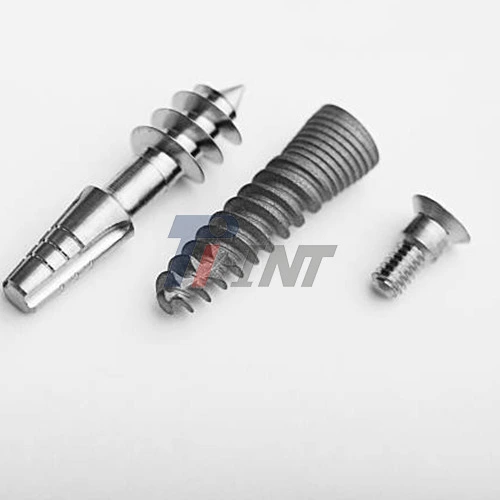
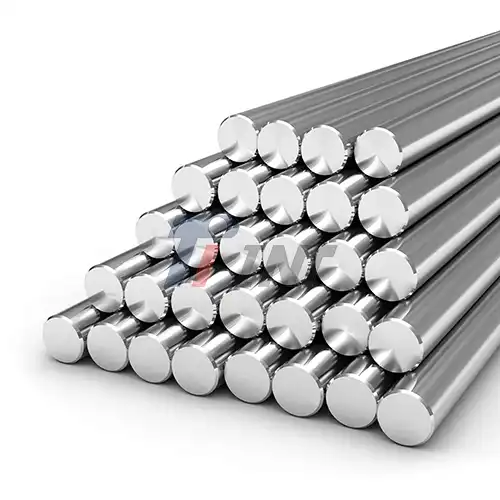
Understanding Medical Titanium Rods and Their Quality Parameters
Medical titanium rods are the building blocks of current implants used in orthopedics, dentistry, and surgery. These precision-engineered materials are very different from industrial titanium because they have strict standards for clarity and a controlled microstructure.
Defining Medical-Grade Titanium Classifications
There are five main medical types of titanium available on the market. Each one is designed for a unique set of clinical uses. Grades 1 through 4 are economically pure (CP) titanium, which means that the amount of oxygen in it is rising, which makes it weaker and less flexible. Grade 5, known as Ti6Al4V ELI (Extra Low Interstitial), includes 6% aluminum and 4% vanadium, providing better mechanical strength with tensile strength hitting 860 MPa and yield strength of 795 MPa. Grade 23, a type of Grade 5 with fewer intermediate parts, makes it harder for load-bearing implants to break. By knowing these differences, procurement managers can match the qualities of the material to the needs of the device. For example, Grade 2 should be used for tooth abutments that need to be very flexible, while Grade 23 should be used for spinal rods that need to be very resistant to wear.
Critical Quality Parameters Affecting Performance
The way titanium rod medical materials work depends on a number of quality factors that are all linked. Titanium's resistance to corrosion comes from the stable oxide layer that forms on its surfaces. This layer protects against body fluids and cleaning processes. In dynamic load situations, like joint replacements, where pressures change millions of times over the device's lifetime, fatigue strength becomes very important. The quality of the surface finish has a direct effect on osseointegration, which is the biological joining of the implant with bone tissue.
Manufacturers do this with finishes that are polished, sanded, or machined. Each of these finishes has its own therapeutic use. Biocompatibility, which is tested using ISO 10993 testing methods, makes sure that the tissues are compatible and that there are no cytotoxic reactions. The modulus of elasticity for titanium metals is about 110 GPa, which is very close to the modulus of elasticity of cortical bone. This keeps stress shielding from happening, which happens when implants are too stiff and cause bone to break down.
Material Traceability and Documentation Standards
Full traceability tells the difference between reliable medical titanium providers and sources that might not be reliable. For every batch, there should be mill test papers with records of the chemical makeup analysis, mechanical property testing, and heat treatment. These papers show where the material came from by using melting batch numbers. If problems happen, return procedures can be used. Modern providers use digital traceability systems to keep track of rods from the time they are vacuum arc remelted until they are inspected for quality. This creates a continuous chain of custody that meets FDA 21 CFR Part 820 standards.
Core Criteria to Verify Before Purchasing Medical Titanium Rods
Verifying quality is more than just looking at brochures from suppliers; it also involves carefully looking at certifications, testing methods, and factory controls.
Essential Certifications and Regulatory Compliance
Medical titanium rod providers that are trustworthy keep a number of certifications that show their quality system is mature. With ISO 13485:2016 approval, you can be sure that medical device quality management systems are in place and that there are written methods for controlling the design, making sure the process works, and fixing problems. ISO 9001:2015 gives basic quality management rules that can be used in any industry. The European CE stamp, which is required by the Medical Device Regulation (MDR) 2017/745, makes sure that the product meets the safety standards of the European Union.
Registration with the FDA and following Current Good Manufacturing Practices (cGMP) are proof that the product can be sold in the United States. As part of these certificates, certified registrars have to do surveillance checks every year. This makes sure that the system is still working properly. Procurement teams should ask for up-to-date copies of the certifications, along with valid dates and scope statements that prove they cover the making of titanium rods.
Mechanical and Chemical Testing Methodologies
Strict testing makes sure that the qualities of the material meet the requirements of the standard. Tensile testing according to ASTM E8 checks the final tensile strength, yield strength, and elongation. This shows how the material reacts to stress. Using a spinning beam or axial loading to test for fatigue mimics decades of clinical use and finds parts that might fail too soon. Chemical testing using optical emission spectroscopy or X-ray fluorescence shows that the elements are within the acceptable range.
Interstitial elements like oxygen, nitrogen, and carbon have an impact on the material properties. Metallography looks at the microstructure and shows the grain size, phase distribution, and any possible flaws like holes or gaps. Ultrasonic screening and other types of non-destructive testing can find flaws inside a product without hurting it. Suppliers with a good reputation give buyers certified test reports for each production lot instead of generic data sheets. This lets buyers check the authenticity of specific batches of materials.
Supplier Audit and Manufacturing Transparency
On-site source checks show that manufacturers can do more than what the paperwork says they can. Procurement engineers should check out vacuum melting equipment, thermomechanical processing controls, and inspection equipment calibration when they visit a plant. Following the steps for handling materials keeps them from getting contaminated, which could hurt their biocompatibility. System maturity can be seen by looking at quality records like internal audit reports, correction action logs, and customer complaint files. Supply chain security is improved when information about where raw materials come from, how relationships with subcontractors work, and the processes that can be used is made public. Even if they offer lower prices, suppliers who don't want to be audited or can't show that they have process controls in place pose a big risk.
Comparing Titanium Rods With Other Medical Alloys
Material choice has a big effect on how well implants work, how much they cost, and how well they work in the body. This is why comparison analysis is so important for smart buying.
Titanium Versus Stainless Steel in Medical Applications
316L stainless steel has been used in medicine for many years because it is strong and cheaper than titanium metals. Its mechanical qualities include a tensile strength of more than 485 MPa and great shapeability for complicated shapes. However, stainless steel can rust in crevices when it comes into contact with chloride-rich body fluids, and nickel can be sensitive in about 10 to 15 percent of patients. Titanium rod medical materials are better at resisting rust than nickel-based materials, which can be harmful to people who are allergic to nickel.
Titanium is much denser than stainless steel, at 4.5 g/cm³ compared to 8.0 g/cm³. This means that implants made of stainless steel are about half as heavy as those made of titanium. This weight benefit makes patients more comfortable with limb implants, and the lower stress shielding effects happen because the elastic modulus is closer to the bone. When procurement choices favor titanium, higher material costs are justified by better patient results and lower rates of having to have surgery again.
Evaluating Cobalt-Chrome Alloys Against Titanium
CoCrMo and other cobalt-chrome metals are very strong and don't wear down easily, so they are often used for bearing surfaces in total joint replacements. Cobalt-chrome is great for high-friction uses because it has a final tensile strength of more than 900 MPa and is very resistant to scratches. But this material's elastic stiffness is about 230 GPa, which is twice as high as titanium's. This makes stress buffering risk higher.
Recently, worries about metallosis—tissue damage from cobalt and chromium ions—have made people look more closely at cobalt-chrome gadgets. Titanium is a good material for most implant uses because it is biologically harmless and has been shown to be stable over time. The final choice of material depends on the needs of the device: cobalt-chrome is used for areas that move and need to be resistant to wear, while titanium is used for structural parts that need to be biocompatible and stiff enough to match bone.
Surface Coatings and Treatment Options
Advanced surface treatments make implants more useful than just the properties of the base material. Hydroxyapatite coats help bone mineral quickly fuse together because they are chemically similar to bone mineral. This speeds up the process of fixing implants in place. These layers are put on in controlled amounts using plasma spray or electrochemical deposition. Anodization makes controlled oxide layers that make things more resistant to rust and give implants a way to be identified by their color. Nitriding processes spread nitrogen into surface layers, improving hardness and wear resistance without affecting core material qualities. If someone is looking at coated titanium rods, they need to make sure that the coatings are biocompatible and that the coatings stick to the rods well. If the coatings aren't strong enough, they can come off during use.
Purchasing Strategies for Medical Titanium Rods in B2B Procurement
Strategic procurement combines cost management with uncompromising quality standards, requiring complex source review and relationship management.
Identifying Reputable Manufacturers and Suppliers
In the global medical titanium supply chain, there are both well-known companies with decades of experience and new companies that say they can do the same things. Established providers, such as Baoji INT Medical Titanium Co., Ltd., which was formed in 2003 and has over 30 years of experience in the field, show a long-term dedication to medical-grade materials. Procurement teams should look at a possible supplier's history of making medical devices, customer references from well-known medical device companies, and membership in industry groups such as ASTM International or the Titanium Metals Manufacturers Association. Lead times and the ease of communication are affected by geography, but quality standards are always the same, no matter where the supplier is located. Diversifying sellers lowers the risk of disruptions in the supply chain, and keeping approved vendor lists with pre-qualified sources on hand makes sure that urgent needs are met quickly.
Leveraging Custom Orders and Volume Discounts
When making medical devices, non-standard titanium rod specs are often needed to work around special design issues. Flexibility that encourages creation comes from suppliers who can make changes to diameters from 3 mm to 100 mm, lengths up to 6 meters, and surface styles such as polished, sandblasted, or machined. Different devices can have different levels of performance depending on their custom heat treatment methods, tighter straightness tolerances than standard specs, and unique testing needs. By taking advantage of economies of scale in setting up production and buying materials, buying in bulk can save you money. Setting up blanket purchase orders with planned releases balances the costs of keeping inventory against the benefits of price optimization. It also makes sure that materials are available on time to support production plans. Forecasting together with providers lets you plan for capacity, which stops lead times from getting longer when demand goes up.
Risk Mitigation in Online Vendor Selection
Digital buying tools give buyers more access to suppliers, but they also make it harder to verify their information. Online stores that don't have clear pictures of their facilities may be selling companies instead of makers, which adds layers to the supply chain and makes it harder to track. Before committing to a buy order for titanium rod medical, procurement rules should require videoconferencing plant tours, inspection reports from a third party, and testing of samples. Letters of credit with inspection clauses or trust arrangements that release payment upon material verification are examples of payment terms that protect the buyer's interests. Protecting intellectual property with non-disclosure agreements keeps rivals from getting design information. When quality problems lead to product recalls, regulatory measures, and liability exposure that far exceeds the original cost savings, the lowest price rarely means the best value.
Case Studies and Best Practices in Quality Verification
Real-life examples show both what happens when you don't check things properly and what happens when you do check them carefully.
Success Stories in Rigorous Material Qualification
A North American company that makes hip implants started a strict program to make sure that only the best suppliers could work with them after some implants broke because of bad heat treatment. Their new plan called for testing to be done in front of witnesses at the supplier's facilities, chemical analysis by a third party, and wear testing of whole production lots instead of qualification samples. This method found a source who was giving out fake mill papers that said the material was Grade 23, but it was actually Grade 5, which made it less tough to break. By switching to a certified provider with proven process controls, the company was able to avoid field failures, protect its image, and avoid possible lawsuits. The improved qualification method made the initial seller approval take about 4 to 6 weeks longer, but it greatly reduced long-term risk.
Common Procurement Pitfalls and Avoidance Strategies
A number of common mistakes lower the standard of medical titanium buying. When suppliers accept general test reports instead of lot-specific certifications, they can send compliant samples while sending production material that doesn't meet standards. If you don't pay enough attention to material tracking, you can't figure out what went wrong when quality problems happen. When you only look at prices without checking the quality, you end up with shady sellers who sell low-quality goods. Buyers don't have many options when contracts don't include enough information about acceptance criteria, review rights, and ways to fix problems when products don't meet standards. Best practices include full purchase order specs that refer to relevant ASTM or ISO standards, right-to-audit clauses that let facilities be inspected, and material sampling clauses that let independent testing be done to make sure the information is correct.
As the market value of medical products goes up, fake ones become a bigger problem. Suppliers who aren't honest have changed the labels on industrial titanium to medical grade, used lower grades of materials that were supposed to be used, and made up certification papers. Some ways to make sure something is real are to check the approval of the certification body on the websites of the official registrars, match batch numbers with records of how the seller made the item, and test received materials on a regular basis as part of an audit. Building long-term ties with well-known providers makes everyone responsible, which lowers the risk of counterfeiting and makes it easier to work together to solve problems when they come up.
Conclusion
Checking the quality of a medical titanium rod before buying it saves patients, makes sure the company follows the rules, and stops costly production interruptions. This checking process includes reviewing the certification to make sure it meets ISO 13485 and any other relevant regulations, testing the materials' mechanical and chemical properties, checking the production capabilities of suppliers, and using traceability systems to keep track of each batch.
When you compare titanium to other metals, you can see which one is the best choice for each application. Strategic buying practices help keep costs down while maintaining high quality standards. By studying case studies from the same business, you can avoid common mistakes like using fake products and not having enough paperwork. By using these thorough verification procedures, procurement workers can get titanium rod medical materials that are reliable and compliant, which helps medical device manufacturers make good devices and patients have good outcomes.
FAQ
What certifications should medical titanium rods have?
To be medical-grade, titanium rods must have ISO 13485:2016 certification showing that they follow medical device quality management systems, ISO 9001:2015 certification for general quality assurance, and materials that meet ASTM F136 (Ti6Al4V ELI) or ASTM F67 (commercially pure titanium). In order to sell a medical device in Europe, it must be marked with the CE mark, and in the US, it must be registered with the FDA and follow cGMP guidelines. Check the certification's expiration dates and make sure it covers making titanium rods as well as general metal processing.
How can I verify a titanium rod is genuinely medical-grade?
For real medical-grade proof, you need to ask for mill test certificates, not generic data sheets, that show the chemical makeup and mechanical qualities of specific production lots. Material meets standards after being tested in an independent lab by a facility that has been approved. Audits of supplier facilities show quality processes and standards for making things. By checking the accreditation of certification bodies through official registrar records, you can avoid taking fake certificates. Batch marking makes it possible to track materials from the time they are melted until they are inspected for quality.
Does titanium biocompatibility affect patient recovery?
Titanium is very compatible with living things, which helps patients heal in many ways. The solid oxide layer stops the release of ions, which stops the harmful and allergic reactions that often happen with metals that contain nickel. Osseointegration, which is when titanium directly bonds with bone tissue, speeds up the process of implant anchoring and load transfer. The bone-like elastic modulus lowers stress buffering and keeps bone mass healthy around implants. All of these qualities lower the risk of infection, speed up mending, and make implants last longer.
Partner With Baoji INT Medical Titanium for Uncompromising Quality
The best medical devices start with the best raw materials. Baoji INT Medical Titanium Co., Ltd. has been providing approved medical-grade titanium products since 2003 and has more than 30 years of experience in the field. Pure titanium, Ti6Al4V ELI titanium alloy, and unique rods with diameters from 3 mm to 100 mm and lengths up to 6 meters are all things we make. They all meet ISO 9001:2015, ISO 13485:2016, and CE approval standards.
Our thorough quality paperwork, testing for each lot, and clear production processes give you the proof trust your purchase needs. Email our team at export@tiint.com right now to get samples of materials, certification packages, or expert advice. Find out why important medical device companies around the world choose Baoji INT Medical Titanium as their reliable source for titanium rod medical uses.
References
1. American Society for Testing and Materials. (2021). Standard Specification for Wrought Titanium-6Aluminum-4Vanadium ELI Alloy for Surgical Implant Applications (ASTM F136-13). West Conshohocken, PA: ASTM International.
2. International Organization for Standardization. (2016). Medical Devices – Quality Management Systems – Requirements for Regulatory Purposes (ISO 13485:2016). Geneva: ISO.
3. Niinomi, M., & Nakai, M. (2011). Titanium-Based Biomaterials for Preventing Stress Shielding between Implant Devices and Bone. International Journal of Biomaterials, Article ID 836587.
4. Long, M., & Rack, H.J. (1998). Titanium Alloys in Total Joint Replacement – A Materials Science Perspective. Biomaterials, Volume 19, Issues 18-19, Pages 1621-1639.
5. Elias, C.N., Lima, J.H.C., Valiev, R., & Meyers, M.A. (2008). Biomedical Applications of Titanium and its Alloys. Biological Materials Science, Volume 60, Pages 46-49.
6. U.S. Food and Drug Administration. (2020). Quality System Regulation and Medical Device Good Manufacturing Practices. 21 CFR Part 820. Silver Spring, MD: FDA Center for Devices and Radiological Health.
_1752819172472.webp)
_1752643437358.webp)
_1752463990252.webp)
_1752463076575.webp)
_1750663253486.webp)