
What is the difference between gr2 and gr5 titanium?


 2026-09-04 10:00:12
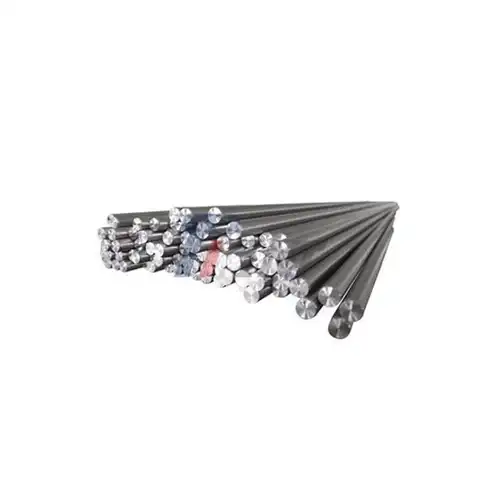
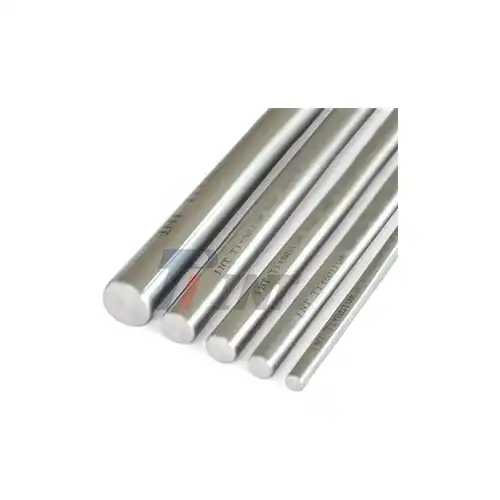
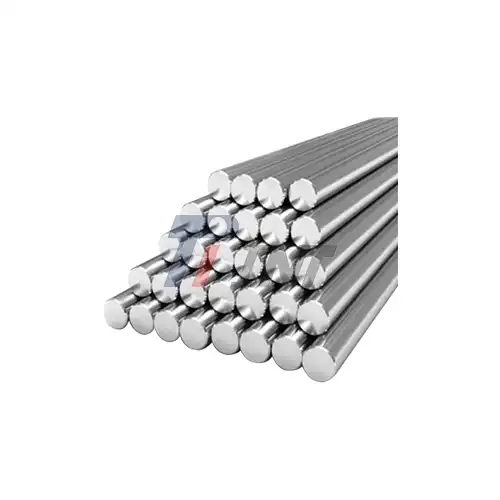
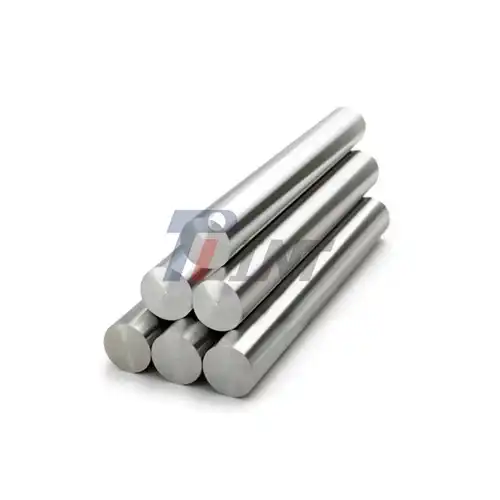
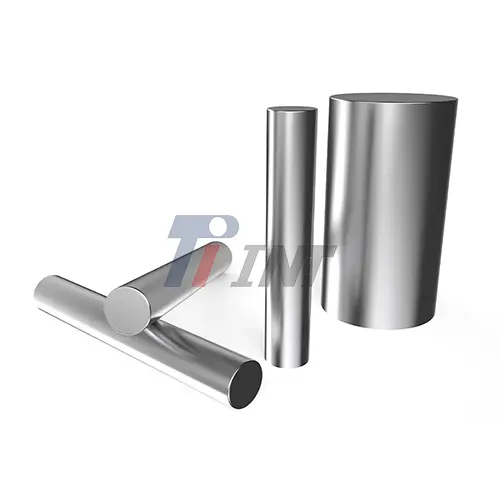
Knowing the difference between Grade 2 and Grade 5 titanium is important when looking for titanium products for making medical devices. Gr2 Titanium Medical Bar is commercially pure titanium that is very resistant to corrosion and biocompatible, making it perfect for medical tools and implants that don't have to hold weight. Gr5, also called Ti-6Al-4V, is a titanium alloy that has aluminum and vanadium in it. It has a lot more strength and resistance to wear, making it perfect for orthopedic uses like hip replacements and spinal implants that need to be strong. Which of these grades you choose has a direct effect on how well the gadget works, how well it meets regulations, and how much it costs to make.
|
|
|
Understanding Titanium Grades: An Overview
Titanium has changed the medical device business because it is biocompatible, has a structure that is very light, and is very strong. Different types of titanium are often used by companies that make medical devices, but Gr2 and Gr5 are the ones that are most often asked for in implantable devices and surgery tools.
Why Titanium Dominates Medical Applications
Companies in the medical field need products that can safely work inside the body without causing harm. Titanium meets these needs because it can form a solid oxide layer that stops rusting even in the harsh physiological environment. This passive oxide film, which is mostly made up of titanium dioxide (TiO2), keeps chloride ions, proteins, and other body fluids from getting to the metal below. Titanium also has a low modulus of elasticity, which means that orthopedic implants don't protect against stress as well. This helps the bone integrate better and improves long-term patient results.
Defining Grade 2 and Grade 5 Titanium
Commercially pure (CP) titanium with controlled intermediate elements is shown by Gr2. The ASTM B348 and ASTM F67 guidelines say that it has no more than 0.30% iron and 0.25% oxygen, with the rest being titanium. This mix guarantees consistent mechanical qualities and great weldability. Gr2 Titanium Medical Bar stock is a safe material for tools that value resistance to corrosion over high mechanical strength.
Gr5 titanium, which is categorized under ASTM B348 and ASTM F136 (for extra-low interstitial forms), has about 6% aluminum and 4% vanadium in it. Compared to pure titanium grades, this alloying makes the tensile strength and wear resistance much better. The Extra Low Interstitial (ELI) version of Gr5 lowers the amount of oxygen, nitrogen, and iron even more. This makes it stronger and more flexible, and it is the best material for lasting implants.
Core Differences Between Gr2 and Gr5 Titanium Bars
The technical differences between these grades affect all stages of making a medical device, from the initial design to production and use in patients.
Chemical Composition and Structure
Gr2 keeps the purity of titanium above 99% by carefully controlling the intermediate elements that change how the metal behaves mechanically. The lack of important alloying elements keeps the material's natural ability to fight rust and make things easily. When aluminum and vanadium are added to Gr5, they make a two-phase microstructure with alpha and beta titanium phases. This changes the material's dynamic properties in a basic way. Aluminum stabilizes the alpha phase and vanadium stabilizes the beta phase. This makes the material stronger even at high temperatures.
Mechanical Performance Comparison
When you look at standardized test results, you can see the difference in mechanical properties between these groups. According to ASTM guidelines, Gr2 has a minimum tensile strength of 345 MPa, a yield strength of 275 MPa, and a stretch of more than 20%. This mild strength is good enough for surgery tools, dental bridges, and temporary fixation devices that need to be flexible and easy to shape.
In the annealed state, Gr5 has a tensile strength of 895 MPa and a yield strength of 828 MPa, which are both much better performance measures. This is almost three times as strong as Gr2, which means that load-bearing implant designs can last for decades of continuous stress. The Gr5 ELI version keeps these strength benefits while also making it more flexible, which is very important for implants that are loaded in complex ways.
Corrosion Resistance and Biocompatibility
Both types are very resistant to physiological rusting, but they do so in slightly different ways. The pure titanium matrix in Gr2 creates an incredibly stable passive layer that can fix itself if it gets broken. This makes it completely resistant to crevice corrosion and pitting in chloride-rich conditions up to 315°C. Clinical tests have shown that saline solutions that are made to look like body fluids have no measured corrosion rates.
Biocompatibility is not affected by Gr5's alloying elements when they are handled properly. The titanium mesh keeps the aluminum and vanadium tightly bound, which stops the release of ions under normal metabolic conditions. Both materials have great osseointegration, which means they can directly connect with bone without making fibrous tissue. For long-term security, this quality is important for tooth implants, joint replacements, and bone fixation devices.
Density and Machinability Factors
Material density affects both the weight of the implant and how quickly it can be made. Gr2's density of 4.51 g/cm³ is about 45% of steel's weight, which makes big devices easier on patients. Because aluminum has a smaller atomic weight, Gr5 measures a little higher at 4.43 g/cm³. However, this difference isn't important in real life.
Different grades have very different machinability traits. When the right solvent and sharp tools are used, Gr2 can be machined in a way that is similar to austenitic stainless steel. Because it is not as hard, tools don't wear out as quickly and cutting speeds can be increased. Because Gr5 is stronger, it needs more active cutting settings, special carbide tools, and careful thermal control to keep it from becoming work hardened. These things affect how much it costs to make unique medical bar parts and how long it takes to get them.
Applications of Gr2 vs Gr5 Titanium in Medical Devices
Material selection directly impacts gadget performance, governmental approval timelines, and commercial success. Knowing where each grade does its best helps buying teams make the best specs.
Gr2 Titanium in Clinical Settings
Manufacturers of surgical instruments like Gr2 for making forceps, retractors, clamps, and laparoscopic tools because it is resistant to rust and doesn't need to be very strong. The material doesn't break down when put through repeated autoclaving cycles; its dimensions stay the same after thousands of sterilization sessions. Dental offices use Gr2 Titanium Medical Bars for custom abutments, healing caps, and orthodontic tools because they are easy to modify and work well with a wide range of tissues.
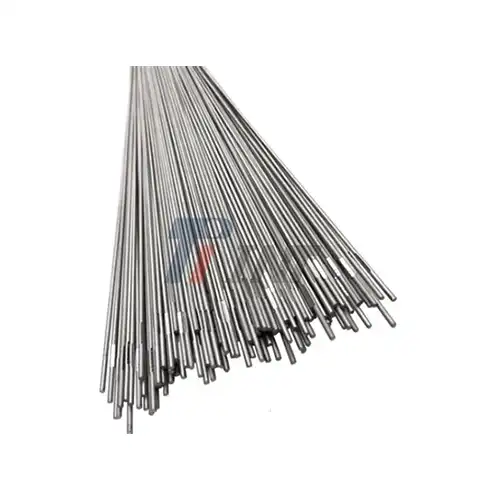
Some orthopedic uses also call for Gr2, especially in temporary fixing hardware like Kirschner wires and small bone pins that will be taken out once the bone is healed. The material's flexibility keeps it from breaking easily during placement, and its strength keeps the crack in place while it heals.
Gr5 Titanium in Load-Bearing Implants
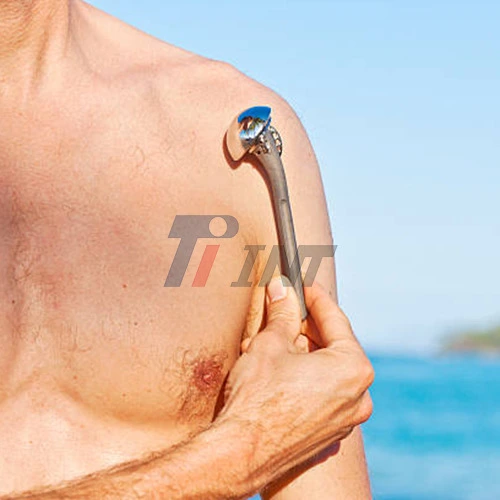
For femur stems, tibial trays, and acetabular shells, all hip and knee replacement systems use Gr5 titanium metal. The material has a great strength-to-weight ratio, which lets doctors make implants with better shapes that spread weight evenly and require less bone removal during surgery. Testing for fatigue shows that the resistance to failure goes beyond ten million cycles, which is more than what the average patient does in decades of exercise.
Spinal fusion gear, such as pedicle screws, interbody cages, and linking rods, use Gr5's mechanical benefits to keep the spine in the right position even when it's under constant torsional and compressive loads. Even though the material has a higher modulus of elasticity than cortical bone, it is still much lower than stainless steel options. This means that there is less stress at the surfaces between the bone and the implant.
When fixing long bones that hold weight, trauma fixation devices like intramedullary nails, bone plates, and external fixator pins use Gr5. When you combine high strength with biocompatibility, you can use strong therapy methods that help patients get better faster without worrying about hardware failure.
Procurement Considerations for Gr2 and Gr5 Titanium Medical Bars
Making choices in the supply chain affects the quality of the product, following the rules, and making money in the end. Professionals in procurement have to look at more than just unit prices.
Cost Analysis and Value Assessment
Gr2 usually costs 15–25% less per kilogram than Gr5 because it is easier to make and costs less for alloying elements. This cost benefit becomes important when making a lot of instruments or using throwaway devices. But efficiency needs must be taken into account when figuring out the total cost of ownership. If you use Gr2 for load-bearing purposes, you might need bigger cross-sections or stronger designs, which could cancel out any material savings you made at first.
Gr5 costs more than other alloys because it has more features and needs to be made with more precision. Medical device companies that are making permanent implants think this investment is worth it because the implants last longer, patients do better, and the companies' market place is strengthened.
Supplier Qualification and Compliance
Medical gadget rules say that companies that supply titanium must have full quality control systems. Teams in charge of buying things should check that the company has ISO 13485:2016 certification, which shows that they can regularly meet the needs of medical devices. Also, the products need to meet ASTM B348 for bar stock and ASTM F67 (Gr2) or ASTM F136 (Gr5 ELI) for surgery implants.
Each lot of materials should come with a Certificate of Conformance that lists the chemical makeup using optical emission spectroscopy and the mechanical qualities using tensile tests. Trace element research, especially for hydrogen levels below 0.015 percent, stops problems with embrittlement that damage the integrity of the gadget. Regulatory audit risks are lower for suppliers who offer full tracking from the melt batch to the delivery of the finished product.
Logistics and Customization Capabilities
Global supply chains for medical devices need providers who can meet tight delivery deadlines. Partners who keep a collection of different sizes, lengths, and surface finishes are helpful for manufacturers who make more than one family of devices. Standard Gr2 Titanium Medical Bar stock lead times are between four and eight weeks, while Gr5 lead times can go up to ten weeks based on size and amount.
Customization services like precise grinding, centerless turning, and specialized heat processes make products more valuable by cutting down on the number of steps needed to make them. When a supplier offers margins as small as ±0.025 mm, it's possible to machine directly to the finished measurements, which cuts out the need for extra steps. Acid pickling, electropolishing, and passivation are some surface finishing methods that get materials ready to be used right away in sterile production settings.
How to Choose Between Gr2 and Gr5 Titanium for Medical Applications
When choosing materials strategically, you have to think about how well they meet performance needs, government rules, producing skills, and cost. The best results are guaranteed by a systematic review method.
Evaluating Mechanical Requirements
To start, figure out how much stress your gadget will be under. Implants that have to withstand constant physiological loads of more than 200 MPa, like femoral stems or spine rods, need to be made of Gr5. Gr2 has middling mechanical qualities, which means that devices working below this level, like many surgical tools and dental parts, work consistently. When parts are loaded and unloaded over and over, they need to be analyzed for fatigue. Gr5's durability limit gives a lot of safety gaps.
Regulatory and Biocompatibility Standards
When processed correctly, both materials meet FDA biocompatibility standards set out in ISO 10993 testing procedures. But some regulatory groups and clinical schools have views that are based on a lot of data from the past. As a result of Gr5 ELI's long history of making orthopedic implants, new device submissions can be made with trust. On the other hand, Gr2's safety record in surgical tools supports 510(k) clearance paths.
Think about how regulations vary by area when you're planning to enter a foreign market. The Medical Device Regulation (MDR) in the European Union and the National Medical Products Act (NMPA) in China may define specific types of materials or testing methods. Working with regulatory experts early on can help you avoid having to make expensive changes during the approval process.
Manufacturing Process Compatibility
When choosing material types, think about how much the company can produce. Facilities that are already set up to work with stainless steel can usually handle Gr2 with only minor equipment changes. For Gr5, you need to buy carbide or ceramic cutting tools, set up your machine rigidly, and hire workers who know how titanium works. Both grades need to be shielded with inert gas during welding, but Gr5's heat-affected zone needs to be carefully controlled to keep its mechanical qualities.
Finishing steps like surface treatments, cleaning, and packing must be in line with the choice of material. Passivation methods are different for each grade. For example, Gr5 needs different chemistry to handle alloying elements. Set these process settings during material approval to make sure that production can be scaled up consistently.
Conclusion
Choosing between Gr2 and Gr5 titanium has a big impact on how well medical devices work, how efficiently they are made, and how well they do in the market. Gr2 Titanium Medical Bar is biocompatible and resistant to corrosion, making it a great choice for surgery tools, dental devices, and other non-load-bearing uses where cost is important. Gr5 is the strongest and most durable material available, making it perfect for permanent orthopedic implants and trauma fixing hardware. When making a purchase choice, the total cost of ownership, seller standards, and mechanical needs must all be taken into account. Working with skilled titanium experts makes sure that the material specs match the goals of the gadget while still meeting international medical standards.
FAQ
Can Gr2 titanium be used for load-bearing implants?
Gr2 can still be used for implants that don't hold a lot of weight, like head plates, small bone screws, and tooth abutments. Its 345 MPa tensile strength is enough for modest amounts of stress. But high-stress uses like hip stems and spine rods need Gr5's better mechanical qualities to keep them from breaking over time when they are loaded and unloaded.
How does titanium compare to stainless steel for corrosion resistance?
Titanium types are better at resisting rust than 316L stainless steel in chloride settings. Stainless steel implants can get crevice rust and pitting, but the steady titanium oxide layer protects against these problems. This benefit is especially useful for long-term implantable devices, where even small rust can cause bad effects in the tissue.
Are Gr5 titanium bars available with medical certifications?
Reliable sources offer Gr5 titanium that meets ASTM F136 standards and is designed for use in medical implants. The Extra Low Interstitial (ELI) makeup is included in this standard. It has less oxygen, nitrogen, and iron. Material certifications show the chemical make-up, the results of mechanical tests, and the ability to track back to the original melt batches. This helps with FDA and foreign regulatory reports.
Partner with Baoji INT Medical Titanium Co., Ltd. for Superior Gr2 Titanium Medical Bar Solutions
Baoji INT Medical Titanium Co., Ltd. is a reliable company that makes approved medical-grade titanium products. We have been in business since 2003 and have over 30 years of experience in the field. We are experts at making Gr2 Titanium Medical Bar and Gr5 titanium alloys that meet the standards set by ASTM F67, ASTM F136, ISO 13485:2016, and the EU CE.
We offer a wide range of products, such as rods, plates, wires, and precision-forged parts that are made to your exact specs. As a major supplier to medical device makers around the world, we promise stable supply chains, strict quality control with full paperwork for traceability, and expert help for the whole process of making your product. Email our team at export@tiint.com to talk about how you want to buy titanium and to get material approvals for your next project.
References
1. Titanium: A Technical Guide (Second Edition), Materials Properties Handbook, ASM International, 2018.
2. Medical Applications of Titanium and Its Alloys: Material and Biological Issues, ASTM Special Technical Publication, 2016.
3. Biomaterials Science: An Introduction to Materials in Medicine (Fourth Edition), Academic Press, 2020.
4. Standard Specification for Wrought Titanium-6Aluminum-4Vanadium ELI Alloy for Surgical Implant Applications, ASTM F136-13, ASTM International.
5. Corrosion Behavior of Titanium Alloys in Physiological Solutions, Journal of Biomedical Materials Research, Volume 58, Issue 4, 2019.
6. ISO 5832-2:2018 Implants for Surgery - Metallic Materials - Part 2: Unalloyed Titanium, International Organization for Standardization.
_1750663715751.webp)
_1750662961697.webp)