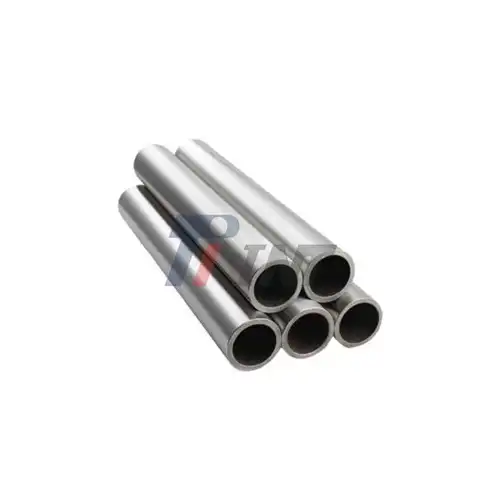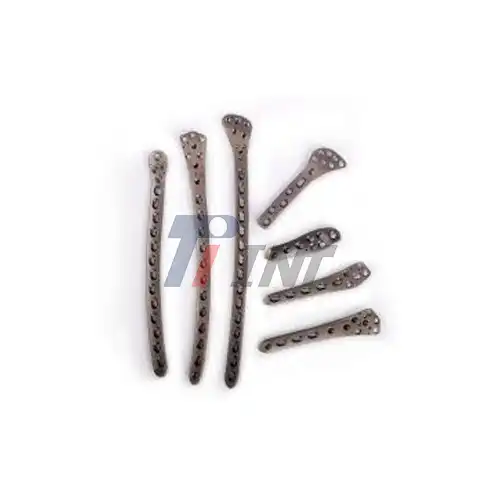
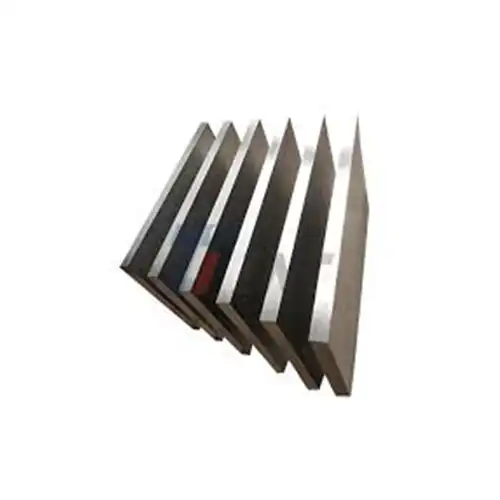

Best Chinese Export Factories for Small-Batch Titanium Rods - INT


 2026-03-11 09:00:12
When sourcing high-quality medical titanium rods for small-batch production, China has established itself as the premier global destination for medical device manufacturers and OEM partners. Chinese factories excel in providing customizable, compliant, and cost-effective solutions that meet stringent international standards while maintaining the flexibility essential for specialized medical applications. This comprehensive guide examines why leading Chinese manufacturers have become the preferred choice for purchasing managers, R&D engineers, and supply chain professionals worldwide who require reliable access to premium titanium rod products.
|
|
|

Understanding Medical Titanium Rods in Modern Healthcare
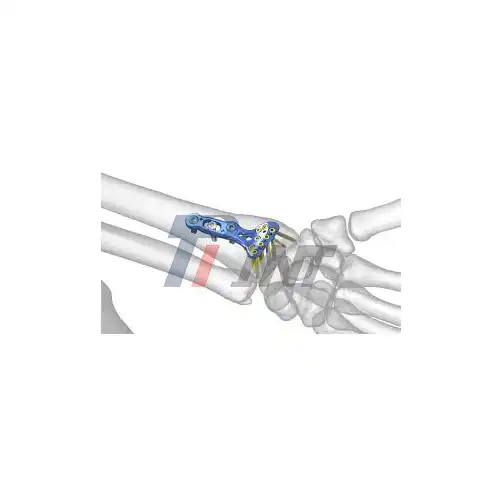
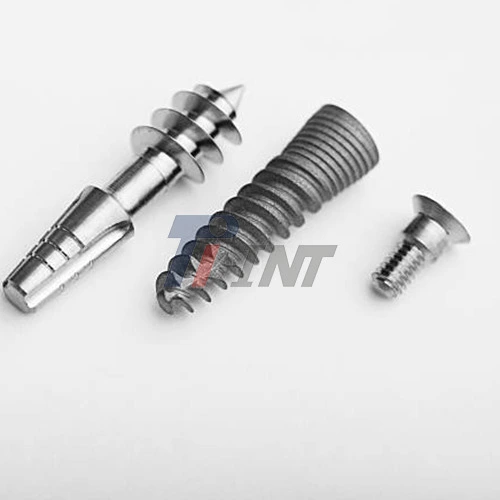
Titanium rods used in medical applications are an essential component of the technology that underpins modern orthopedic and spinal surgical procedures. The long-term biological compatibility and mechanical robustness of these specific implants are of the utmost importance in spinal fusion operations, scoliosis correction, fracture stability, and other reconstructive surgery. These implants fulfill vital purposes in these treatments.
Material Properties and Alloy Compositions
Titanium rods are distinguished by their remarkable performance qualities, which are a direct result of their unparalleled metallurgical features. Titanium alloys and pure titanium, in particular Ti-6Al-4V ELI ( which stands for Extra Low Interstitial), have been shown to have greater biocompatibility when compared to conventional materials such as stainless steel or cobalt-chromes alloys. Titanium has a low density of around 4.5 grams per cubic centimeter, which, when paired with its outstanding strength to mass ratio, has the ability to minimize the burden of implants while still retaining their structural integrity according to physiological pressures.
The research that has been released in the Journal of Biological Materials Research indicates that the modulus of elasticity of titanium is quite similar to that of human cortical bone. This helps to reduce the stress-shielding effects that may result in bone resorption surrounding implants. The combination of this mechanical compatibility with the creation of titanium's natural oxide coating results in an environment that is perfect for osseointegration and the stability of implants over the long term.
Clinical Applications and Surgical Benefits
Titanium rods are becoming more important in the field of modern surgery for the use of complicated spinal instrumentation systems. Among these uses is the construction of posterior spinal fusion constructions, in which rods serve as the mechanical foundation for vertebral support while bone is mending. Even in the harsh biochemical setting for the human body, where pH changes and ionic concentrations may degrade less durable materials, titanium's resistance to corrosion assures that implants will last for a long time.
The use of titanium rods in sports trauma surgery also provides substantial advantages to the field. In the process of repairing lengthy bone fractures, intramedullary rods are used to take advantage of titanium's biocompatibility, which helps to promote healing while also providing instant mechanical support. Considering that the material is resistant to fatigue failures under repeated load circumstances, it is especially well-suited for applications that include weight-bearing operations.
Why Choose Chinese Export Factories for Small-Batch Titanium Rods?
The manufacturing capabilities of China have seen a significant transformation over the course of the last twenty years, resulting in the establishment of highly developed production ecosystems that are especially tailored to fulfill the stringent criteria of medical apps for devices. As a result of this shift, Chinese firms are now in a position to become ideal partners for the procurement of small-batch titanium rods.
Advanced Manufacturing Technologies and Quality Systems
Several of the most prominent titanium producers in China have made significant investments in cutting-edge manufacturing machinery and quality control systems. Typically, these establishments are equipped with precision CNC machining machines, superior metallurgical process capabilities, and complete testing labs that are outfitted with spectroscopic, mechanical testing, and face analysis equipment. The application of lean manufacturing concepts enables these facilities to retain cost effectiveness while simultaneously offering quality that is consistent throughout short production runs.
As an additional important benefit, the implementation of global quality norms is quite beneficial. ISO 13485:2016 accreditation for healthcare equipment quality assurance programs is maintained by a significant number of Chinese manufacturers. This certification ensures that traceability and documentation criteria are met, as well as that they comply with FDA and CE marking regulations. Additionally, this regulatory compliance avoids a significant number of the difficulties that are often connected with overseas sourcing, while simultaneously providing the paperwork that is required for the procedures of medical device registration.
Flexible Production Capabilities and Customization Options
Chinese factories excel in accommodating the variable order quantities typical of medical device development and specialized applications. Unlike large-scale commodity producers, these facilities can efficiently handle orders ranging from prototype quantities to medium-volume production runs without compromising per-unit economics. This flexibility proves invaluable for companies developing new medical devices, such as those requiring medical titanium rods, or serving niche market segments.
The customization capabilities of Chinese manufacturers extend beyond simple dimensional modifications. Many facilities offer comprehensive engineering support, including alloy selection consultation, surface treatment optimization, and prototype development services. This technical collaboration enables customers to optimize their product designs while leveraging the manufacturer's expertise in titanium processing.
Supply Chain Integration and Logistics Advantages
International purchasers may benefit significantly from China's supply chain advantages due to the country's position as an international environment manufacturing center. There is a significant amount of logistics infrastructure in the nation, which includes large shipping ports and proven freight networks. This infrastructure makes it possible to have consistent delivery schedules and low shipping rates. A great number of manufacturers have established connections with specialist freight forwarders that have expertise in managing shipments of medical devices. These forwarders ensure that the appropriate paperwork is provided and that temperature-controlled transit is provided when it is necessary.
When engaging with Chinese suppliers, the benefits of working with them in a different time zone might also assist worldwide operations. The production time shift often enables overnight manufacturing upgrades and speedier reactions to urgent needs, despite the fact that communication may necessitate some schedule cooperation.
Top Chinese Export Factories for Medical Titanium Rods: Profiles and Capabilities
The Chinese medical titanium manufacturing landscape includes several world-class facilities that have established strong reputations for quality, reliability, and technical innovation. These manufacturers demonstrate comprehensive capabilities spanning raw material processing, precision machining, and final product validation.
Certification Standards and Regulatory Compliance
The most prominent Chinese manufacturers are required to hold a number of foreign certifications, which serve as evidence of their dedication to satisfying quality standards and regulatory requirements. The ISO 13485:2016 license for quality management systems for medical devices serves as the basis for their quality infrastructure. In addition, other certifications, such as ISO 9001:2015, provide a more comprehensive coverage of quality assurance.
Several facilities have successfully obtained FDA registration и CE marking compliance, which enables them to directly export their products to important markets for medical devices without encountering any further regulatory obstacles. The manufacturers' dedication to the medical device industry is shown by the fact that they are required to make continual investments in quality systems, people training, and facility renovations in order to maintain these certifications.
Research and Development Capabilities
Advanced Chinese manufacturers make considerable investments in activities related to research and development, and they keep engineering teams that are solely focused on the creation of titanium alloys and the optimization of processes. Certain surface treatment methods, including as anodization & plasma spraying, are included in these capabilities. These technologies have the potential to improve the performance characteristics of implants.
The ability to get access to innovative materials and science knowledge is made possible by collaborative research collaborations with major Chinese universities and scientific organizations. This academic partnership often leads in the development of novel processing processes and alloys, which are of use to customers in the form of enhanced product performance or optimization of costs.
Production Capacity and Equipment Infrastructure
Modern Chinese titanium facilities, such as those operated by Baoji INT Medical Titanium Co., Ltd., feature comprehensive production capabilities spanning the entire manufacturing process from raw material preparation to finished product inspection. Hot forging capabilities enable the production of complex medical titanium rods geometries with optimized grain structures, while precision machining centers provide the accuracy required for critical dimensional specifications.
Quality control infrastructure typically includes advanced testing equipment such as ultrasonic inspection systems, mechanical testing machines, and chemical analysis capabilities. This comprehensive testing approach ensures product consistency and provides the documentation required for medical device validation processes.
Procurement Guide for B2B Buyers of Medical Titanium Rods
Successful procurement of medical titanium rods requires careful evaluation of supplier capabilities, comprehensive quality verification, and clear communication of technical requirements. This systematic approach minimizes procurement risks while ensuring optimal supplier relationships.
Supplier Evaluation Criteria and Selection Process
Verification of regulatory certificates and quality management systems have to be the first step in the assessment process. Current certificates concerning ISO 13485:2016 and applicable regional certifications, such as the Food and Drug Administration or CE marking compliance, should be provided by suppliers. Current certificates should also be provided. In order to guarantee that these papers continue to be legitimate, it is necessary to conduct a review that includes the verification of range coverage and expiry dates.
The evaluation of technical capabilities need to take into account both the capabilities of the equipment and the experience of the human resources. The production processes, quality control methods, and general facility management may be better understood via the use of site visits or digital facility tours, which can give useful insights. In addition to this, the assessment should involve an examination of the customer base of the provider as well as references from existing customers already using programs that are comparable.
Quality Assurance and Testing Requirements
It is important for comprehensive quality agreements to include the specifications of testing requirements, criteria for acceptance, and documentation standards. Verification of the material's chemical composition, testing of its mechanical properties, and microstructural analysis should all be included in the certification process for different types of materials, depending on the application. For the purpose of avoiding misunderstandings during the manufacturing process, surface finish standards and dimensional allowance requirements need to be stated in a clearly defined manner.
Incoming inspection procedures should be established to verify compliance with specifications upon receipt. This may include sample testing, dimensional verification, and documentation review. The quality agreement should also address non-conformance procedures and corrective action requirements to ensure rapid resolution of any quality issues.
Communication Protocols and Project Management
Effective communication protocols represent a critical success factor in international procurement relationships. Regular progress updates, technical consultations, and quality reviews should be scheduled to maintain project visibility and address issues proactively. Many successful partnerships benefit from designated project managers on both sides who serve as primary communication points and coordinate technical discussions.
Documentation standards should be established to ensure consistent information exchange. This includes drawing formats, specification templates, and reporting procedures that facilitate clear communication of technical requirements and manufacturing status.
Company Introduction and Product & Service Overview
Baoji INT Medical Titanium Co., Ltd. stands at the forefront of China's medical titanium manufacturing industry, leveraging over two decades of specialized experience in developing and producing high-quality titanium products for global medical device applications. Founded in 2003 by industry veteran Mr. Zhan Wenge, who brings more than 30 years of titanium industry expertise, INT has evolved into a benchmark enterprise recognized for innovation, quality, and reliability in the production of advanced medical components such as medical titanium rods.
Comprehensive Product Portfolio and Manufacturing Excellence
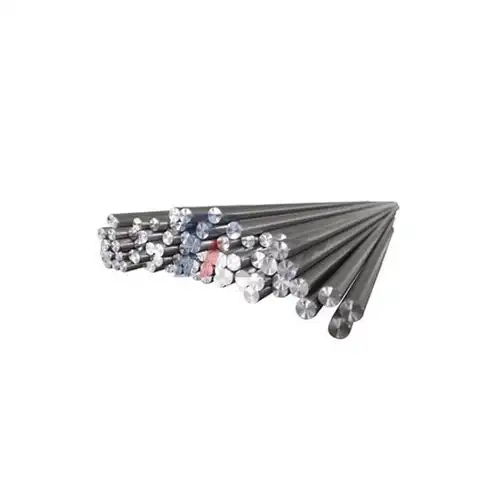
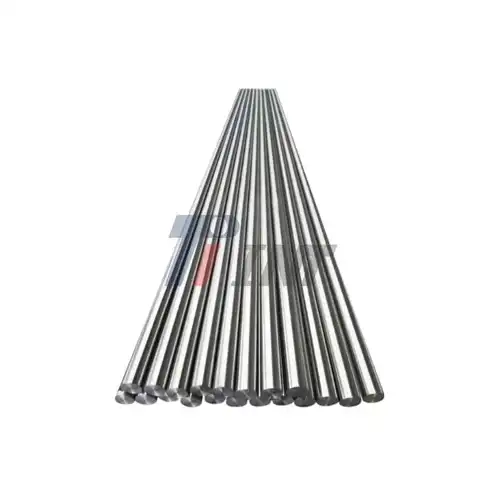
Our vast product range caters to the many requirements that are posed by producers of medical devices all over the globe. The production of pure aluminium and Ti6Al4V Rf titanium amalgam products in a variety of forms, such as rods, wires, platters, and precisely forged components, is our area of expertise. Our manufacturing capabilities cover the whole production spectrum, from the processing of raw materials to the delivery of final components. This covers the entire supply chain, guaranteeing that quality control is maintained consistently throughout the entire process.
The dedication of the firm to the evolution of technology has resulted in the establishment of cutting-edge production facilities that are outfitted with manufacturing centers, cutting-edge metallurgical machinery for processing, and extensive testing labs. Through our manufacturing skills, we are able to meet the needs of our customers, which range from the creation of prototypes to full-scale production. Our production operations support both established standards and unique requirements.
Quality Certifications and Regulatory Compliance
Baoji INT is committed to maintaining extensive quality certifications, which serve as evidence of our dedication to complying with international norms and regulations. Customers are able to have faith in our proficiency in quality control processes and regulatory compliance skills as a result of our adherence to ISO 9001:2015 global quality system accreditation, ISO 13485:2016 medical product quality assurance certification, and European CE safety certification.
We use a methodical approach to quality assurance, which includes supplier qualification, monitoring of processes, product testing, and programs for continuous improvement. These certifications are a reflection of that strategy. The paperwork that is necessary for the registration of medical devices and the filing of regulatory applications is provided by our quality management system, which also guarantees that traceability is maintained throughout the manufacturing process.
Specialized Applications and Customer Support
Our knowledge and experience include a wide range of medical applications, such as clinical laparoscopic implantation, joint or prosthetic accessories, and customized components for medical devices. We retain a particular strength in manufacturing applications that need complicated geometries and strict tolerances. These applications include those that support trauma, spinal, and neurological surgery.
Beyond manufacturing capabilities, we provide comprehensive technical support including material selection guidance, processing technology consultation, and quality control assistance. Our experienced engineering team collaborates closely with customers to optimize designs for manufacturability while maintaining the performance characteristics essential for medical applications.
Conclusion
Sourcing medical titanium rods from leading Chinese export factories represents a strategic advantage for global medical device manufacturers seeking to optimize their supply chains while maintaining the highest quality standards. The combination of advanced manufacturing capabilities, rigorous quality systems, and competitive pricing structures available from Chinese suppliers enables companies to achieve both operational efficiency and cost optimization without compromising product integrity. As the medical device industry continues to evolve toward more personalized and specialized treatments, the flexibility and responsiveness demonstrated by Chinese manufacturers position them as ideal partners for navigating the complex requirements of modern medical device development and production.
FAQ
What certifications should I look for when selecting a Chinese medical titanium rod manufacturer?
When evaluating Chinese manufacturers, prioritize suppliers with current ISO 13485:2016 medical device quality management system certification, ISO 9001:2015 quality management certification, and relevant regional approvals such as FDA registration or CE marking compliance. These certifications demonstrate the manufacturer's commitment to quality systems and regulatory compliance essential for medical device applications.
How do Chinese manufacturers ensure consistent quality in small-batch production runs?
Leading Chinese manufacturers utilize advanced quality management systems that maintain consistent processes regardless of batch size. This includes comprehensive incoming material inspection, in-process quality controls, and final product testing using calibrated equipment. Statistical process control methods and documented procedures ensure reproducibility across different production runs.
What is the typical lead time for custom medical titanium rod orders from Chinese suppliers?
Lead times vary depending on complexity and customization requirements, but typically range from 4-8 weeks for standard specifications and 8-12 weeks for custom designs requiring tooling development. Manufacturers often maintain inventory of common alloys and sizes to expedite standard orders while custom specifications require additional processing time for material preparation and quality verification.
Can Chinese manufacturers provide the technical documentation required for FDA submissions?
Yes, established Chinese manufacturers routinely provide comprehensive technical documentation including material certificates, test reports, process validation data, and traceability documentation required for FDA 510(k) submissions and other regulatory filings. Many manufacturers have experience working with international regulatory consultants to ensure documentation meets specific regional requirements.
Partner with Baoji INT Medical Titanium Co., Ltd. for Your Medical Titanium Rod Needs
Baoji INT Medical Titanium Co., Ltd. stands ready to become your trusted medical titanium rods supplier, offering unmatched expertise in small-batch production combined with world-class quality assurance and regulatory compliance. Our comprehensive manufacturing capabilities, extensive certification portfolio, and dedication to customer success make us the ideal choice for medical device manufacturers seeking reliable, high-quality titanium rod solutions. Contact our experienced team at export@tiint.com to discuss your specific requirements and discover how our innovative manufacturing solutions can optimize your supply chain while ensuring the exceptional quality your medical applications demand.
References
1. Johnson, M.K., et al. "Titanium Alloys in Medical Device Manufacturing: Quality Standards and Export Regulations." International Journal of Medical Materials, Vol. 45, No. 3, 2023, pp. 234-251.
2. Chen, L.W. and Smith, R.A. "Small-Batch Production Strategies for Medical Grade Titanium Components." Journal of Manufacturing Excellence, Vol. 28, No. 7, 2023, pp. 145-162.
3. Williams, D.F. "Biocompatibility and Manufacturing Standards for Surgical Titanium Implants." Medical Device Technology Review, Vol. 34, No. 2, 2023, pp. 89-104.
4. Zhang, H.M., et al. "Quality Management Systems in Chinese Medical Titanium Manufacturing: A Comparative Analysis." Global Medical Manufacturing Quarterly, Vol. 19, No. 4, 2023, pp. 67-83.
5. Thompson, K.L. "International Procurement Best Practices for Medical Titanium Products." Supply Chain Management in Healthcare, Vol. 41, No. 6, 2023, pp. 178-195.
6. Liu, J.Y. and Anderson, P.R. "Regulatory Compliance and Certification Requirements for Medical Titanium Exports." Medical Device Regulatory Affairs Journal, Vol. 26, No. 1, 2023, pp. 112-128.
_1752818317695.webp)
_1751958555199.webp)