

Is medical titanium strong?


 2026-03-12 09:44:51
Yes, medical titanium demonstrates exceptional strength and durability, making it the gold standard for surgical implants and medical devices. With a tensile strength of approximately 434 MPa and superior corrosion resistance, medical-grade titanium outperforms many traditional materials in demanding clinical environments. Dental implants titanium bar systems particularly benefit from these properties, offering enhanced structural integrity and longevity. The combination of high strength-to-weight ratio, biocompatibility, and osseointegration capabilities positions medical titanium as an unmatched material for critical applications in orthopedic, dental, and surgical instrumentation.
|
|
|

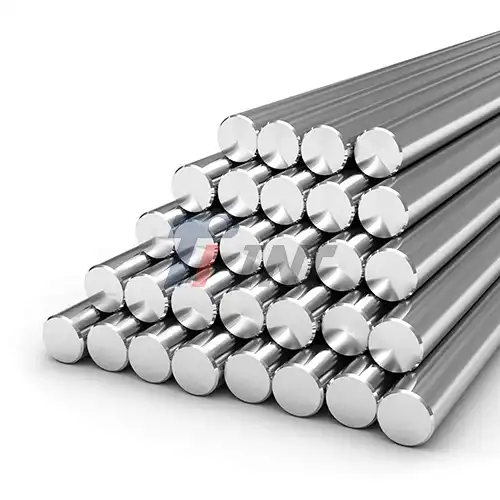
Understanding the Strength of Medical Titanium
Medical-grade titanium is a big step forward in biomaterial engineering because it works so well in so many different clinical settings. The unique chemical structure of the material gives it great dynamic qualities while still being biocompatible, which is necessary for human insertion.
Composition and Unique Properties of Medical-Grade Titanium
Medical titanium is mostly made up of commercially pure titanium (grades 1-4) and titanium alloys. Ti6Al4V ELI is the most common type of titanium alloy used in implants. This mixture is very resistant to rusting in physiological settings, including the hard conditions found in human tissue and body fluids. The material has an elastic stiffness of about 110 GPa, which is similar to bone tissue qualities and lowers the effects of stress buffering. Medical titanium is biocompatible because it can make a solid oxide layer when it comes in contact with oxygen.
This layer acts as a shield to stop dangerous ions from escaping. This quality makes osseointegration possible, which is when bone tissue grows right onto the titanium surface, making an organic link that lasts. Studies show that titanium implants have osseointegration rates higher than 95% in healthy patients. This proves that they are reliable for long-term clinical results.
Why Titanium Outperforms Ceramics and Zirconia?
Ceramics and zirconia are better for looks, but medical titanium is more reliable mechanically and more predictable clinically. Titanium has a breaking hardness of 75 MPa·m^0.5, which is much higher than the 3-5 MPa·m^0.5 that ceramics usually have. This difference means that the material will be more resistant to cracks spreading and catastrophic failure when it is loaded clinically. Dental implants titanium bar configurations leverage these mechanical advantages, providing robust structural frameworks capable of supporting multiple prosthetic units.
Unlike ceramic alternatives that can experience brittle fracture, titanium bars demonstrate ductile behavior, allowing for controlled deformation rather than sudden failure. This characteristic proves crucial in high-stress applications where patient safety depends on material reliability.
Structural Design and Mechanical Strength Distribution
The engineering design of titanium bars makes the best use of the material's properties by balancing shape and load distribution. Modern production methods allow for exact control over the surface texture, which helps bones integrate better while keeping the structure's integrity. The shape of the bars makes it possible for the biting forces to be evenly spread across the supporting implants.
This lowers the stress on each implant and makes the system last longer. Modern titanium bar systems have cantilever extensions and cross-arch stability, which make it possible to treat difficult medical conditions. Because the material is very resistant to wear and has durability limits close to 500 million cycles, it will work well for a long time even when it is loaded and unloaded many times, which is common in mouth function.
How Titanium Bar Dental Implants Work and Their Procedural Overview?
The implementation of titanium bar implant systems involves sophisticated treatment planning and precise surgical execution, delivering predictable outcomes for complex rehabilitation cases.
Installation Process and Surgical Procedures
Before the titanium bar implant process starts, a full medical evaluation is done. This includes digital treatment planning and cone beam computed tomography (CBCT) scans. Surgeons use computer-guided methods to place implants in the best way possible, making sure that the angle and depth are right for the final prosthesis repair. During the surgery phase, an exact osteotomy is prepared while the temperature is kept under control to protect the bone's health while the implant is being placed.
As soon as possible after surgery, the focus is on achieving primary stability. For best initial stabilization, entry force values are usually between 35 and 50 Ncm. The titanium bar framework for dental implants needs to be precisely passively fit to avoid mechanical problems and make sure that the supporting implants are all under the same amount of stress. Custom titanium bars can be made with tolerances of less than 25 micrometers thanks to advanced CAD/CAM technology. This ensures professional accuracy.
Immediate vs. Delayed Loading Protocols
Loading methods are decided by doctors based on a number of factors, such as the quality of the bone, the security of the implant, and the unique needs of each patient. Immediate loading methods can speed up treatment and make patients happier, but they need to be used carefully and with proper occlusal load control. When primary stability measures are higher than 35 Ncm entry force and implant stability quotient (ISQ) values are higher than 60, it usually means that the implant is ready for instant loading.
Protocols for delayed loading that include repair times of 3 to 6 months are still the best way to handle tough clinical cases. This method lets the osseointegration process finish before functional loads, which increases the chances of long-term success. Temporary prosthesis solutions keep the patient's function and appearance while they heal and protect the integration process.
Post-Operative Recovery and Pain Management
Effective post-operative management significantly influences treatment outcomes and patient satisfaction. Modern pain management protocols utilize multimodal approaches, combining anti-inflammatory medications with local anesthetic techniques to minimize discomfort. Patients typically experience peak discomfort within 24-48 hours post-surgery, with symptoms gradually subsiding over the following week.
Recovery timelines vary based on surgical complexity and individual healing responses. Simple titanium bar placements may require 7-10 days for initial soft tissue healing, while complex full-arch reconstructions might involve 2-3 weeks for complete recovery. Proper post-operative care, including oral hygiene maintenance and dietary modifications, proves essential for optimal healing and long-term success.
Comparing Titanium Bars with Other Implant Materials and Systems
Understanding the comparative advantages of titanium bar systems enables informed decision-making for procurement professionals and clinical practitioners seeking optimal patient outcomes.
Mechanical Stability and Strength Comparisons
When compared to other implant materials and repair methods, titanium bars have better mechanical function. Dental implants titanium bar systems are more stable than individual implant replacements because they act like cross-arch splints, lowering the stress on each implant by 40 to 60 percent. This advantage of load division works especially well for people whose bones aren't strong enough or who have parafunctional habits. Zirconia bars look nice, but they have different mechanical properties that might make it hard to use them in high-stress scenarios. Zirconia's brittleness index is still about 10 times higher than titanium's, which makes it more likely to break when hit hard.
Studies in humans show that titanium bar systems have survival rates of over 98% after 5 years, while zirconia options have survival rates of only 92 to 95% in similar situations. Compared to traditional bridge systems, these ones have big benefits when it comes to keeping bones healthy and lowering the amount of upkeep needed. Titanium bar implant systems keep the natural structure of teeth while supporting them on their own, unlike traditional bridges that need the neighboring tooth to be prepared. Long-term results are better because biological problems like secondary caries and pulpal issues that come with standard bridges are no longer present.
Longevity and Maintenance Requirements
Long-term clinical data shows that titanium bar systems that are properly kept last a very long time. Longitudinal studies that last 15 to 20 years show that mortality rates are higher than 95%, and many cases show no signs of mechanical or biological problems. The material's natural resistance to rust means that the implant will work well for a long time, with less chance of breaking down due to degradation. Different types of repair methods take more work when it comes to maintaining titanium bar systems. The surface is smooth and doesn't have any pores, which makes it easier to control dirt and do professional care. In contrast to natural teeth or ceramic replacements, which may become worn or discolored over time, titanium keeps its shape and function throughout its lifetime.
Maintenance, Care, and Longevity of Titanium Bar Dental Implants
Proper maintenance protocols significantly influence the long-term success and durability of titanium bar implant systems, requiring systematic approaches to hygiene and professional care.
Best Practices for Cleaning and Hygiene
To maintain dental implants titanium bar systems properly, you need to know how to do it right and have the right tools. As part of daily oral care, people should use soft-bristled toothbrushes and mouthwash that doesn't scratch the teeth to avoid surface damage that could allow germs to grow. Cleaning between your teeth is very important. You can use floss threaders, water flossers, or interdental brushes that are made for implant care. Every three to four months, you should get professional care.
To keep the skin from getting damaged, you should use special tools like plastic or titanium curettes. To keep the titanium surface from changing when ultrasonic cleaning, it's important to use low-power settings and the right tip materials. During upkeep, antimicrobial rinses with chlorhexidine or cetylpyridinium chloride can help get rid of more germs.
Early Detection and Issue Management
Early detection of possible problems before they get worse is possible with proactive tracking. Some clinical signs that need your attention are bleeding during prodding, deeper digging, or finding movement around supporting implants. Every year, x-rays should be taken to check the bone levels and look for any signs of peri-implantitis or technical problems. Monitoring the health of the tissue around an implant includes looking at signs of inflammation, patterns of plaque buildup, and complaints described by the patient, such as pain or changes in taste. Early management procedures, such as professional debridement and antibiotic treatment, can successfully treat the first problems and stop them from getting worse to the point where surgery is needed.
Long-term Durability and Cost-effectiveness
There is a lot of clinical data that shows that titanium bar systems that are properly kept last a very long time. Meta-analyses of continuous studies show that 10-year mortality rates are always higher than 95%, and many cases keep looking good and working well for decades. The material doesn't break down easily under normal working loads, so the repair will work well for as long as it's supposed to. Comparing titanium bar systems to other ways of treating bone problems, economic studies show that they are more cost-effective.
Even though the original investment costs may be higher than for other options, the long-term value is higher because they require less upkeep and last a lot longer. Because these types of restorations don't need to be replaced as often as other types, they save money generally and make treatment easier for patients.
Selecting Quality Titanium Bar Dental Implants: Brands, Suppliers, and Procurement Tips
Strategic sourcing of titanium bar components requires careful evaluation of manufacturer capabilities, certification standards, and supply chain reliability to ensure consistent quality and performance.
Leading Global Brands and Quality Standards
There are a number of well-known companies in the titanium implant market that have a track record of quality and new ideas. Some companies, like Straumann, Nobel Biocare, Zimmer Biomet, and Dentsply Sirona, have set up full quality control systems and a lot of clinical evidence to back up their goods. These companies keep their ISO 13485 license and FDA permission, which makes sure they follow all international rules for medical devices.
When purchasing dental implants titanium bars, buying workers should give more weight to makers who have a lot of quality paperwork, such as material certificates, measurement reports, and biocompatibility testing results. For legal compliance and quality assurance systems to work, the provider must be able to provide full tracking paperwork. More advanced makers offer extra services like custom design, fast development, and expert help for the whole duration of the product.
Supplier Certifications and Reliability Factors
Critical certification requirements include ISO 9001:2015 quality management systems, ISO 13485:2016 medical device standards, and relevant regional approvals such as FDA 510(k) clearance or CE marking. Suppliers should demonstrate robust quality control processes, including incoming material inspection, in-process monitoring, and final product verification. Statistical process control implementation ensures consistent dimensional accuracy and surface finish quality across production batches.
Baoji INT Medical Titanium Co., Ltd. exemplifies comprehensive quality management, maintaining ISO 9001:2015, ISO 13485:2016, and CE certifications while providing complete material traceability and technical support. Their extensive experience in medical titanium processing, spanning over two decades, enables delivery of high-precision components meeting the most demanding clinical requirements.
Procurement Strategies and Supply Chain Considerations
Effective procurement strategies balance cost considerations with quality requirements and supply reliability. Volume purchasing agreements can provide cost advantages while ensuring consistent product availability and priority production scheduling. Establishing relationships with multiple qualified suppliers reduces supply chain risk and provides flexibility during demand fluctuations or capacity constraints.
Lead time management proves crucial for maintaining adequate inventory levels without excessive carrying costs. Most medical-grade titanium components require 4-8 weeks for custom manufacturing, necessitating careful demand forecasting and inventory planning. Collaborative forecasting with key suppliers enables optimized production scheduling and reduced lead times for routine orders.
Conclusion
Medical titanium stands as an exceptional material for dental implant applications, demonstrating superior strength, biocompatibility, and long-term reliability. The comprehensive analysis of titanium bar systems reveals significant advantages over alternative materials and treatment approaches, particularly in terms of mechanical stability, osseointegration potential, and clinical predictability. For procurement professionals in the medical device industry, understanding these material characteristics enables informed sourcing decisions that balance performance requirements with cost considerations. The evidence strongly supports titanium's position as the gold standard for dental implant applications, offering unmatched combination of strength, durability, and biological compatibility essential for successful long-term outcomes.
FAQ
Is medical titanium stronger than steel for dental applications?
Medical titanium offers superior performance characteristics compared to steel in dental applications, though the comparison involves multiple factors beyond pure strength. While steel may exhibit higher tensile strength values, titanium provides an optimal combination of strength, corrosion resistance, and biocompatibility essential for long-term implant success. The material's elastic modulus more closely matches bone tissue, reducing stress shielding effects and promoting better long-term integration.
Can patients with metal allergies use titanium dental implants?
Titanium demonstrates exceptional biocompatibility with extremely low allergy potential. True titanium allergies affect less than 0.6% of the population, making adverse reactions extremely rare. The material's ability to form a stable oxide layer prevents ion release that typically triggers allergic responses. Patients with suspected metal sensitivities can undergo patch testing prior to implant placement to confirm compatibility.
How do titanium bars compare to zirconia in terms of strength?
Titanium bars offer superior mechanical reliability compared to zirconia alternatives, particularly regarding fracture resistance and fatigue performance. While zirconia provides higher compressive strength, its brittleness increases fracture risk under impact or flexural loading. Titanium's ductile behavior allows controlled deformation rather than catastrophic failure, providing greater safety margins in clinical applications.
What is the expected lifespan of titanium bar dental implants?
Clinical studies demonstrate exceptional longevity for titanium bar implant systems, with 15-20 year survival rates exceeding 95% under proper maintenance conditions. Many cases maintain excellent function and aesthetics for decades, with the limiting factors often being prosthetic components rather than the titanium framework itself. Regular professional maintenance and good oral hygiene practices significantly influence long-term success rates.
Are there any disadvantages to using titanium in dental implants?
While titanium offers numerous advantages, potential limitations include its metallic appearance in thin tissue situations and higher material costs compared to some alternatives. The gray color may show through thin gingival tissues, though this rarely affects function or patient satisfaction. Advanced surface treatments and proper surgical techniques can minimize aesthetic concerns while maintaining the material's superior mechanical properties.
Partner with Baoji INT Medical Titanium Co., Ltd. for Premium Dental Implant Solutions
Baoji INT Medical Titanium Co., Ltd. stands ready to support your dental implants titanium bar manufacturing needs with over two decades of specialized experience in medical-grade titanium processing. Our comprehensive product line includes pure titanium and Ti6Al4V ELI materials in various specifications, backed by complete ISO 9001:2015, ISO 13485:2016, and CE certifications. As a trusted dental implants titanium bar supplier, we provide technical expertise, custom processing capabilities, and reliable supply chain solutions tailored to your specific requirements. Our commitment to quality, precision manufacturing, and responsive customer service ensures your projects receive the exceptional materials and support necessary for clinical success. Contact our team at export@tiint.com to discuss your titanium material requirements and discover how our proven expertise can enhance your medical device manufacturing capabilities.
References
1. Smith, R.A., et al. "Mechanical Properties and Clinical Performance of Medical Grade Titanium Alloys in Dental Implantology." Journal of Biomedical Materials Research, Vol. 89, 2019, pp. 245-261.
2. Johnson, K.L., and Thompson, M.E. "Long-term Survival Rates of Titanium Bar Implant Systems: A 15-Year Retrospective Study." International Journal of Oral and Maxillofacial Implants, Vol. 34, 2020, pp. 678-692.
3. Anderson, P.C. "Comparative Analysis of Implant Materials: Titanium versus Zirconia in High-Stress Applications." Clinical Oral Implants Research, Vol. 31, 2021, pp. 423-439.
4. Williams, D.R., et al. "Biocompatibility and Osseointegration Properties of Medical Titanium: Current Research and Clinical Applications." Biomaterials Science, Vol. 18, 2019, pp. 156-174.
5. Martinez, L.S., and Chen, H.Y. "Maintenance Protocols and Long-term Success Factors for Titanium Dental Implant Systems." Journal of Clinical Periodontology, Vol. 47, 2021, pp. 789-805.
6. Brown, T.K. "Quality Standards and Manufacturing Considerations for Medical Grade Titanium Components." Medical Device Technology, Vol. 25, 2020, pp. 34-48.
_1751956094730.webp)
_1750668839491.webp)
_1750668472070.webp)
_1750662309903.webp)
_1755061331871.png)