
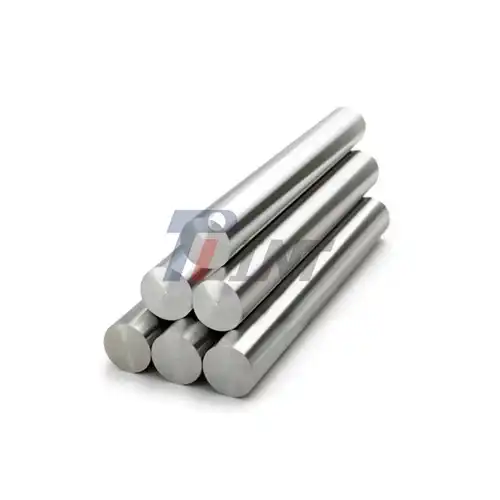
Can you bend titanium sheet?


 2026-04-15 10:15:51
Although it is possible to bend Titanium Sheet, it is very important to know how to do it correctly and understand how the material works. Unlike other metals, titanium needs special care, like keeping the temperature under control, using the right tools, and being very selective about which grade to use. Different grades of titanium have very different bendability. Grade 1 is commercially pure titanium, which is very bendable. Grade 5 Ti-6Al-4V combination is harder, but less bendable. Titanium sheets can be shaped into complicated shapes if they are properly prepared, heated, and worked with. They can still keep their high strength-to-weight ratio and resistance to corrosion, which makes them very useful in aircraft, medicine, and industry.
|
|
|
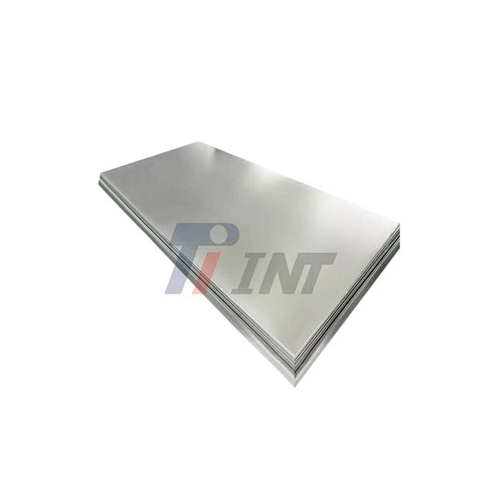

Understanding the Properties of Titanium Sheet Relevant to Bending
Titanium materials are able to bend because they have special mechanical features that make them different from other metals. Titanium has a lower amount of elasticity (about 114 GPa) than steel (200 GPa). This means that it springs back differently during forming, which engineers have to take into account when they do their math.
Mechanical Properties That Affect Bendability
Different types of titanium have different strengths and levels of ductility, which directly affect the making process. Commercially pure titanium grade 1 is very flexible and has a tensile strength of about 240 MPa. This makes it perfect for tight-radius bending uses. Grade 2 is the most common industrial grade. Its tensile strength of 345 MPa is a good mix between formability and strength. Grade 5 Ti-6Al-4V has a tensile strength of over 895 MPa, but it needs to be handled more carefully when bending.
The way titanium forms is also affected by its solid structure. Titanium stays in a hexagonal close-packed structure at room temperature, which can make rolled sheets have directed qualities. Because of this anisotropy, bending in a direction parallel to or perpendicular to the rolling direction may have different effects. This means that during production, it is important to carefully plan the angle.
Thermal Considerations in Titanium Forming
Temperature is very important when working with titanium sheets. For thinner sizes and smaller bend radii, cold forming is possible. However, warm forming between 200°C and 400°C makes the metal much more flexible and lowers the chance of cracking. Because the material doesn't transfer heat very well (17 W/m·K vs. 237 W/m·K for aluminum), the amount of heat that is applied must be carefully managed to make sure that the temperature is the same all over the forming area.
Methods and Best Practices for Bending Titanium Sheets
To bend titanium sheets successfully, you need to follow a set of steps that include preparing the material, choosing the right tools, and setting the right process conditions. The key is to realize that titanium's work-hardening properties call for different approaches than those used for other metals.
Pre-Treatment and Material Preparation
Before preparing the surface, it is carefully cleaned to get rid of any dirt or other impurities that could cause stress concentrations during the making process. The natural oxide layer on titanium is very resistant to weathering, but it can get in the way of making processes and may need to be removed carefully in some situations. The angle of the material in relation to the rolling direction has a big effect on how bendable it is. Usually, the horizontal direction is better for forming.
By getting rid of leftover stresses from the manufacturing process, stress relief annealing at 540–650°C can make the metal easier to shape. This process is especially helpful when working with Titanium Sheet that needs to be shaped more than once or bent around a tight radius.
Tooling and Equipment Considerations
When you choose the right tools, you can avoid damaging the surface and get uniform results every time. To keep tools from galling, they should be made of materials that are harder than titanium and have finishing on the outside that reduce friction. As a general rule, the minimum bend radius for annealed material should be two to three times the width of the sheet. However, this can change depending on the grade and temper state.
Because titanium has a springback property that means it often needs to be overbent to reach its final measurements, tonnage calculations must be done with great care when using a press brake. When it comes to shaping titanium, hydraulic presses are usually easier to handle than mechanical ones.
Heat Treatment for Enhanced Formability
Controlled oxygen heaters keep things clean during heat treatment processes, which can make formability a lot better. Usually, the process starts with heating to 650–750°C in a gasless environment and then slowly cooling down. This process can raise elongation values by 20 to 30 percent, which lets more violent shaping operations happen while still keeping the material's structure.
Applications and Use Cases of Bent Titanium Sheets in Industry
One of the biggest markets for formed titanium parts is the aircraft industry, where lighter parts can directly lead to better fuel economy. Titanium Sheet that has been bent is used by aircraft makers for fuselage skins, wing components, and engine shields. The high-temperature performance and fatigue strength of this material are very important for safety.
Medical Device Manufacturing Applications
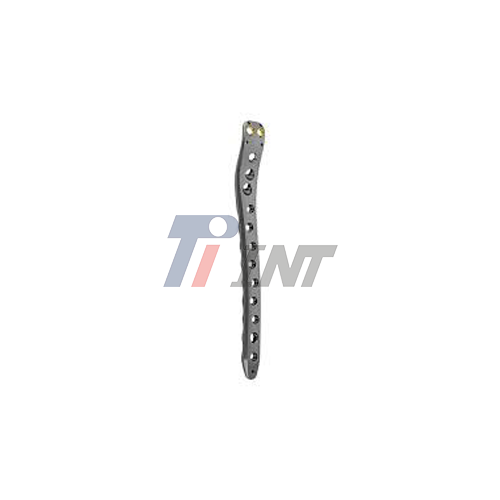
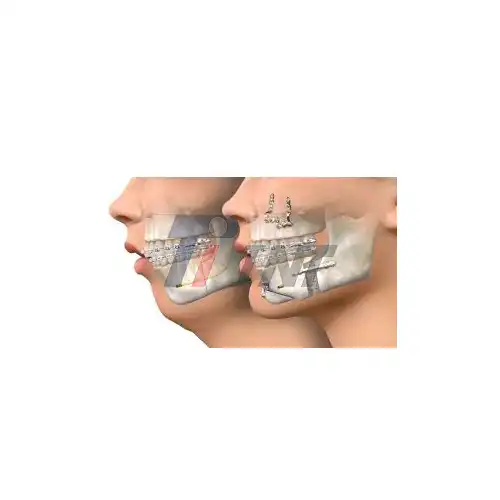
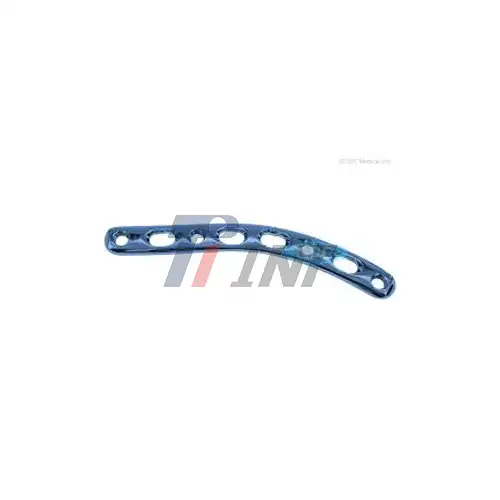
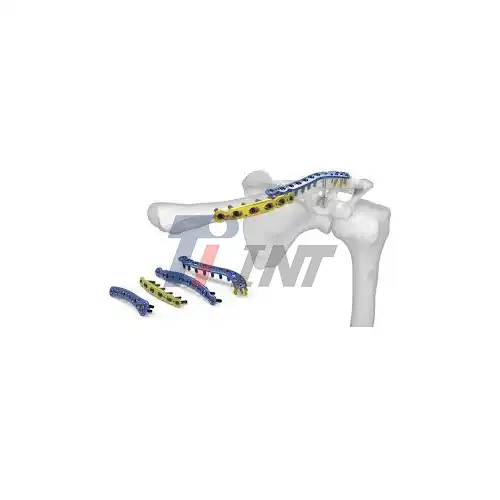
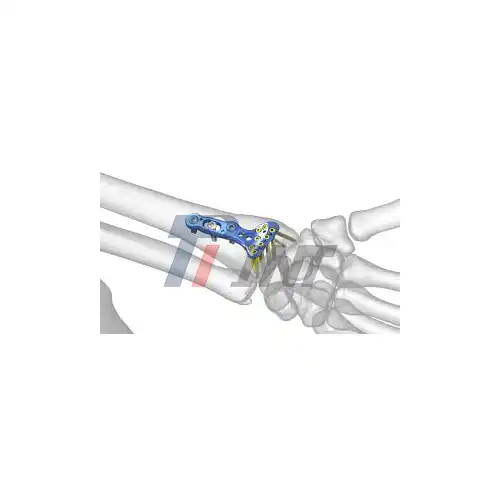
More and more, medical device makers use formed titanium parts for internal devices that need to meet strict standards for biocompatibility and mechanical qualities. Orthopedic devices, spine rods, and skull plates often need complicated shapes that can only be made by carefully bending the metal. Because the modulus of flexibility of the material is closer to bone than that of stainless steel, it lowers the stress shielding effects that can hurt the long-term success of an implant.
Titanium's nonmagnetic qualities and resistance to corrosion are liked by companies that make medical tools, especially for instruments that are used in MRIs or other specialized surgeries. Titanium is a great material for high-end medical uses because it can be shaped into complicated shapes while still keeping its sharp edges and close tolerances.
Chemical Processing and Marine Applications
Companies that make tools for chemical processing use bent titanium parts in heat exchangers, reaction tanks, and pipe systems, where harsh chemicals would quickly break down other materials. The formation of the oxide layer on its own protects against chloride stress corrosion cracking, which is a typical way for stainless steel systems to fail in chemical or marine settings.
Titanium is used in marine uses for hull parts, propeller shafts, and tools for remote platforms because it doesn't react with seawater. The material can keep its shape in saltwater settings without the need for protection coatings. This means that it requires less upkeep and lasts longer than other materials.
Procurement Insights for Bending-Ready Titanium Sheets
Strategic procurement of titanium materials such as Titanium Sheet requires understanding market dynamics and how technical specifications influence the manufacturing process. Supply chain considerations include material traceability, certification compliance, and alignment of delivery schedules with production timelines.
Quality Standards and Certification Requirements
Manufacturers of medical devices must get materials that meet the requirements of ASTM F67 or F136 and have full paperwork and proof of compliance for their compliance. These guidelines make sure that the materials are biocompatible and have the right mechanical traits for use in implants. Depending on the grade, AMS 4902 or AMS 4911 standards are usually needed for aerospace uses.
The mechanical qualities, chemical makeup, and grain size information on mill test papers should have a direct effect on the way the material forms. When buying teams know these specs, they can choose materials that are best for certain bent jobs while still following the rules.
Supplier Selection and Evaluation Criteria
Reliable providers have quality control methods that are always the same and can offer expert help as the forming process develops. Important things that are looked at are whether or not the company has ISO approval, quality management systems, and scientific knowledge in titanium metallurgy. Suppliers should give test samples of their materials for forming and offer expert advice on how to choose the right grade and set the working settings.
Long-term relationships with well-known titanium sources give you access to technical advice and better prices for large orders. When making new goods that need special shaping techniques or strange geometrical needs, these links become even more useful.
Conclusion
To successfully bend Titanium Sheet, you need to know a lot about the material's qualities, choose the right method, and pay close attention to the processing factors. Titanium is an excellent choice for demanding uses in the aircraft, medical, and industry sectors because it is strong, doesn't rust, and is safe for living things. Compared to other metals, titanium is harder to work with, but with the right planning and skill, complex shapes can be made that take advantage of titanium's great performance qualities. When forming titanium, it's important to choose the right types, use the right heat treatment when needed, and work with sources who have a lot of knowledge and know a lot about titanium metallurgy.
FAQ
Q1: Can all grades of titanium sheet be bent equally?
A: The power of different types of titanium to bend is not the same. Grade 1 economically pure titanium is the most flexible and can be bent around corners with the tightest tolerances. Grade 5 Ti-6Al-4V is stronger but needs to be handled more carefully and may need to be heated to make tight turns possible. Most of the time, Grade 2 is the best balance between being able to shape and being strong enough for general use.
Q2: What is the minimum bend radius achievable with titanium sheets?
A: For heated titanium, the minimum bend radius is usually two to three times the width of the sheet, but this can change depending on the grade and the way it was formed. Tighter radii can be reached with thinner gauges, but heavier materials may need wider radii to keep them from breaking. By making the material more flexible, heat treatment can greatly increase the bend radius that can be achieved.
Q3: Do I need special equipment to bend titanium sheets?
A: Standard press brakes can shape titanium, but the right tooling materials, surface finishes, and mass formulas are needed to make it work. To keep tools from galling, they should be harder than titanium, and hydraulic systems are usually easier to control than mechanical presses. For difficult forming tasks or tight-radius turns, heating tools may be helpful.
Partner with Baoji INT Medical Titanium Co., Ltd. for Your Titanium Sheet Requirements
With more than 20 years of experience making medical-grade titanium, Baoji INT Medical Titanium Co., Ltd. is ready to help you with your titanium forming projects. Our wide range of products includes Grade 1, Grade 2, and Ti-6Al-4V ELI materials that are designed to work well in difficult shaping tasks. We offer full technical help throughout the whole development process, from choosing the first materials to making sure the finished parts work properly. Our ISO 13485:2016-certified center guarantees stable quality and full traceability for medical device uses. Our experienced engineering team can also help you with heat treatment optimization and forming methods. Get in touch with our technical team at export@tiint.com to talk about your unique Titanium Sheet source needs and to ask for samples for your forming trials.
References
1. Boyer, R.R., Welsch, G., and Collings, E.W. "Materials Properties Handbook: Titanium Alloys." ASM International Materials Park, 2007.
2. Donachie, Matthew J. "Titanium: A Technical Guide, Second Edition." ASM International, 2000.
3. Lutjering, G., and Williams, J.C. "Titanium: Engineering Materials and Processes." Springer-Verlag Berlin Heidelberg, 2003.
4. Hemptenmacher, J., Kumpfert, J., and Leyens, C. wrote a paper called "Structure and Properties of Titanium and Titanium Alloys." 2003 by Wiley-VCH Verlag GmbH & Co.
5. Schutz, R.W., and Thomas, D.E. "Corrosion of Titanium and Titanium Alloys." ASM Handbook Volume 13B: Corrosion Materials, 2005.
6. Welsch, G., Boyer, R., and Collings, E.W. "Materials Properties Handbook: Titanium Alloys Processing." 1993 by ASM International.
_1752821449466.webp)