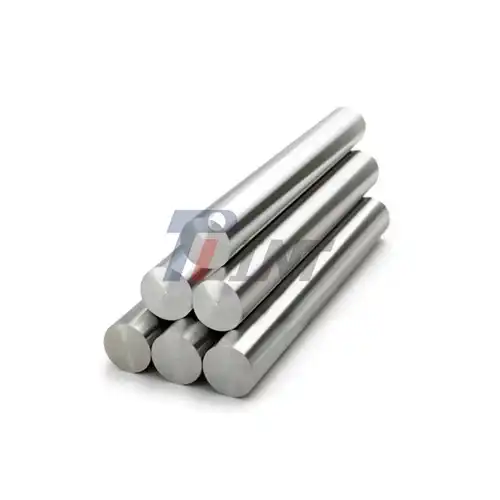
Best Freight Strategies for Medical Titanium Rod Imports


 2026-02-04 10:41:59
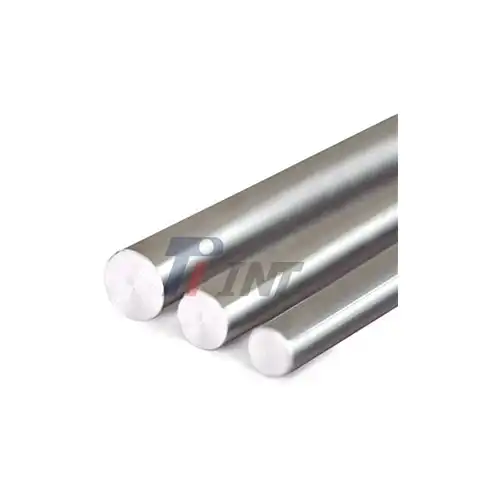
When importing medical titanium rods, selecting the optimal freight strategy becomes crucial for maintaining product integrity while ensuring cost-effectiveness and regulatory compliance. Medical titanium rods require specialized handling throughout the shipping process due to their precision manufacturing tolerances and critical applications in orthopedic surgeries, dental implants, and surgical instruments. Successful importers understand that choosing between air, sea, or multimodal freight options depends on balancing delivery timelines, budget constraints, and the specific requirements of medical-grade materials. Strategic freight management encompasses everything from supplier coordination and customs clearance to risk mitigation and quality preservation during transit.
|
|
|


Understanding the Challenges in Importing Medical Titanium Rods
Purchasing specialists are required to negotiate the specific logistical hurdles that are presented by the medical device sector when it comes to the importation of materials based on titanium. Medical titanium rods, in contrast to ordinary industrial components, need rigorous handling practices in order to maintain their approved quality requirements across the supply chain.
Regulatory Compliance Requirements
Titanium rods used in medical applications are required to comply with stringent regulatory frameworks, such as clearances from the FDA, certificates from ISO 13485, and standards from ASTM F67. Certificates of conformity, material test results, and records of the chain of custody are all required to be included in the full documentation packages that are required for these items. When the paperwork does not fulfill the standards set out by customs or when regulatory authorities seek extra verification of medical devices categories, import delays are a common occurrence.
Product Sensitivity and Handling Protocols
Titanium rods that are created for use in medical applications carry with them certain tolerances for size and surface polish standards, both of which are susceptible to being compromised if they are handled improperly. It is possible for material qualities to be influenced by environmental conditions such as variations in temperature and humidity, as well as physical effects that occur during transportation. The need of chilly storage and sophisticated packing solutions that preserve these delicate components is something that is well understood by professional freight handlers who have expertise working with medical equipment.
Communication Barriers with International Suppliers
Effective communication between importers and manufacturers becomes essential for coordinating shipment schedules and ensuring product specifications align with delivery requirements. Language differences, time zone variations, and cultural business practices can create misunderstandings that lead to shipping delays or incorrect product deliveries. Establishing clear communication protocols and designated points of contact helps minimize these challenges while maintaining project timelines.
Evaluating Freight Options for Medical Titanium Rods: Air vs Sea vs Land
In order to establish which mode of transportation is most suited to meet their particular needs, procurement managers are need to do a thorough analysis of the many freight options available. The various modes of transportation each have their own set of benefits and drawbacks, which have direct implications for the pricing structures, delivery timetables, and threat levels concerned.
Air Freight Advantages and Considerations
The most expedient mode of transportation for urgent medical bronze rod shipments is air freight, which often reduces the amount of time it takes for the cargo to arrive from weeks to days. When facilitating time-sensitive surgical operations or in cases when there is an immediate need to replenish supplies, this mode of transportation shows to be extremely useful. The prices of air freight, on the other hand, are much higher than those of other shipping methods, sometimes doubling or triple the amount of money spent on transportation for large orders.
Weight and dimensional restrictions may limit air freight viability for large-volume shipments, such as those containing medical titanium rods, often requiring shipment splitting that increases handling complexity. Additionally, airport security protocols sometimes cause delays for medical device shipments, including specialized implants, requiring additional screening procedures.
Sea Freight for Volume Shipments
Ocean freight offers the most economical solution for large-quantity medical titanium rod imports, providing substantial cost savings compared to air transportation. Container shipping allows for consolidated shipments that reduce per-unit transportation costs while accommodating various rod specifications within single shipments.
Extended transit times represent the primary disadvantage of sea freight, typically requiring 2-6 weeks depending on origin and destination ports. Weather conditions, port congestion, and customs processing can further extend delivery schedules. Importers must also consider potential exposure to saltwater environments and humidity that could affect packaging integrity during prolonged ocean voyages.
Multimodal Transportation Solutions
Combining different transportation modes creates flexible shipping strategies that optimize both cost and delivery performance. Multimodal solutions might utilize sea freight for the primary international leg followed by expedited land transportation for final delivery. This approach balances economical ocean shipping with responsive domestic distribution networks.
Best Practices for Freight Management and Supplier Coordination
In order to import titanium rods for medical purposes successfully, it is necessary to use methodical ways to freight management. These approaches should include supplier relationships, technological integration, and complying with regulations procedures. In order to ensure that supply chain operations are dependable, these procedures serve as the basis.
Establishing Clear Communication Channels
The establishment of organized methods of communication with suppliers guarantees the transmission of correct information about product specifications, shipment timetables, and quality standards. It is possible for importers to monitor development and rectify any delays before they have an influence on delivery deadlines if they do regular check-ins throughout the manufacturing stages. The presence of designated project managers on both sides helps to ensure continuous communication while also lowering the likelihood of misunderstanding.
Technology Integration for Shipment Visibility
In today's modern freight management, innovative tracking systems are used to offer real-time insight into the whereabouts of shipments as well as status updates. Integrated logistics platforms, GPS tracking systems, and RFID tags make it possible to perform ongoing surveillance of medical platinum rod imports throughout the whole transit process. Through the use of automated notifications, procurement teams are informed of any possible delays or variations in route, which enables them to take rapid remedial steps.
Digital documentation systems streamline customs clearance processes by maintaining electronic copies of all required certificates and compliance records, including certifications for specialized imports such as medical titanium rods. Cloud-based platforms ensure document accessibility across time zones while reducing paperwork processing delays at international borders.
Regulatory Compliance During Transit
Shipments of medical devices are required to comply with all applicable regulations throughout the whole of the transportation procedure. The correct labeling of items, the monitoring of temperatures for environmentally sensitive materials, and the documentation of the chain of custody that monitors handling at each movement point are all included in this description. Through collaboration with freight partners that are experts in the transportation of medical devices, it is possible to guarantee compliance with the industry-specific regulations and regulatory requirements.
Integrating Quality Medical Titanium Rod Products with Reliable Freight Solutions
Whether or not medical titanium tube import operations are successful as a whole is determined by the junction of good quality products and logistical excellence. In order to properly assess suppliers, procurement managers need to take into consideration not only their production skills but also their capacity to provide full shipping solutions.
Supplier Selection Criteria
There are a number of verifiable certifications that quality medical aluminum rod providers must exhibit. These certifications include ISO 9001:2015 management system requirements and the 2016 edition of ISO 13485 medical device standards. These certificates are evidence of quality control methods that have been previously developed and extend to the procedures for packing and shipping. The criteria for international shipment are well understood by suppliers that have considerable expertise in exporting, and they are able to give the appropriate paperwork packages that assist a smooth customs clearing process.
In order to produce a wide range of titanium grades, including Grade 2 titanium that is 100% pure and Ti6Al4V ELI alloys, manufacturing facilities need be equipped with modern production capabilities. By providing wide product ranges, suppliers make it possible to combine shipments, which in turn reduces the costs of freight while also simplifying the procurement process.
Integrated Logistics Support
Manufacturing companies who are at the forefront of titanium manufacturing provide logistics services that are integrated that combine the scheduling of production with the preparations for delivery. Through this cooperation, optimum packing timing is ensured, while at the same time, the needs for warehouse storage are minimized. There are several suppliers that keep strategic storage spaces in major markets, which enables them to respond more quickly to urgent supply requests.
Quality packaging systems specifically designed for medical titanium rods protect products during international transportation while maintaining traceability through individual component identification. Suppliers experienced in medical device exports understand packaging requirements for different transportation modes and can recommend optimal solutions for specific shipment profiles.
Cost Control and Risk Mitigation in Import Freight
Risk assessment and financial management are two essential elements that must be included in order for medical steel rod import plans to be effective. To ensure that profitable operations are maintained while also guarding against the possibility of losses, procurement experts need to strike a balance between the aims of cost optimization and the needs of risk mitigation.
Freight Cost Structure Analysis
The expenses of freight for medical devices include both the standard transportation rates and the particular handling fees that are associated with medical equipment. These extra fees are a reflection of the fact that regular freight services are not sufficient to meet the needs for specialist packaging, temperature monitoring, and other security measures. Accurate budgeting and discussions with suppliers are made possible by having a thorough understanding of these cost components.
Volume consolidation strategies can significantly reduce per-unit shipping costs by combining multiple product types or specifications within single shipments. Regular shipping schedules allow for planned consolidation that maximizes container utilization while reducing expedited shipping requirements.
Insurance and Risk Protection
Having comprehensive cargo insurance safeguards against the possibility of a package being lost, damaged, or stolen while it is being transported internationally. Titanium rods used in medical applications are considered high-value cargo, which means that they need adequate insurance coverage that takes into account the costs of replacement as well as the possible implications on business interruption. It is essential that insurance plans particularly address the risks associated with the shipping of medical devices and provide cover for legal failures that may result in the rejection of shipments when they occur.
There are a number of possible disruption scenarios that are evaluated by risk assessment methods. These situations include adverse weather, port strikes and customization processing problems. Through the development of contingency plans that include alternate shipping routes or suppliers, it is possible to guarantee supply chain continuity while simultaneously enabling a speedy reaction to unforeseen obstacles.
Conclusion
Successful medical titanium rod imports require strategic freight management that addresses the unique challenges of medical device transportation. Procurement professionals must carefully evaluate shipping options, establish strong supplier relationships, and implement comprehensive risk management protocols. The combination of quality products, reliable logistics partners, and proactive planning creates supply chain operations that support consistent delivery performance while maintaining cost-effectiveness. As the medical device industry continues expanding, companies that master these freight strategies will maintain competitive advantages through superior supply chain reliability.
FAQ
What makes medical titanium rods different from other titanium products in shipping requirements?
Medical titanium rods require specialized handling due to their precise manufacturing tolerances and regulatory compliance requirements. These products must maintain sterile packaging conditions and specific environmental controls during transportation. Unlike industrial titanium components, medical grades require comprehensive documentation packages and chain of custody records that track handling throughout the shipping process.
How do I ensure compliance with international medical device standards during import?
Compliance begins with supplier selection, requiring partners who possess proper certifications including ISO 13485 and FDA registrations. Documentation packages must include material certificates, test reports, and regulatory compliance statements. Working with freight partners experienced in medical device transportation ensures proper handling protocols and customs clearance procedures that meet international standards.
What are typical lead times for different shipping methods?
Air freight typically delivers medical titanium rods within 3-7 days from shipment, making it suitable for urgent requirements. Sea freight requires 2-6 weeks depending on origin and destination ports, but offers significant cost savings for bulk shipments. Multimodal solutions can reduce sea freight timelines through expedited final delivery while maintaining cost advantages for the primary transportation segment.
How can I minimize freight costs without compromising quality?
Volume consolidation provides the most effective cost reduction strategy by combining multiple orders into single shipments. Planning regular shipping schedules enables efficient consolidation while avoiding expedited shipping premiums. Developing long-term supplier relationships can provide access to preferential shipping rates and integrated logistics services that reduce overall transportation costs.
Partner with Baoji INT Medical Titanium Co., Ltd. for Your Medical Titanium Rod Supply Chain Excellence
Baoji INT Medical Titanium Co., Ltd. combines over 30 years of titanium industry expertise with comprehensive freight management solutions tailored for medical device manufacturers. Our ISO 13485:2016 certified facility produces premium medical titanium rods including Grade 2 and Ti6Al4V ELI alloys that meet ASTM F67 standards. We provide integrated logistics support that coordinates production scheduling with international shipping arrangements, ensuring your medical titanium rods supplier delivers consistent quality and on-time performance. Contact export@tiint.com today to discuss your specific requirements and discover how our proven supply chain solutions can enhance your procurement efficiency.
References
1. American Society for Testing and Materials. "Standard Specification for Unalloyed Titanium for Surgical Implant Applications (F67-13)." ASTM International Standards Manual, 2019.
2. Food and Drug Administration. "Guidance for Industry: Regulatory Requirements for Medical Device Import Procedures." FDA Medical Device Guidelines, 2021.
3. International Organization for Standardization. "Medical devices - Quality management systems - Requirements for regulatory purposes (ISO 13485:2016)." ISO Standards Publication, 2016.
4. Journal of Materials Processing Technology. "Freight Transportation Best Practices for Medical Device Supply Chains: A Comprehensive Analysis." Materials Processing Research, Vol. 284, 2020.
5. Logistics Management International. "Risk Mitigation Strategies in Medical Device Import Operations: Cost Analysis and Performance Metrics." Supply Chain Management Quarterly, 2022.
6. Titanium Industry Association. "Global Trade Patterns and Logistics Considerations for Medical Grade Titanium Products." TIA Annual Report on Market Trends, 2023.
_1772162494331.jpg)
_1752818317695.webp)