
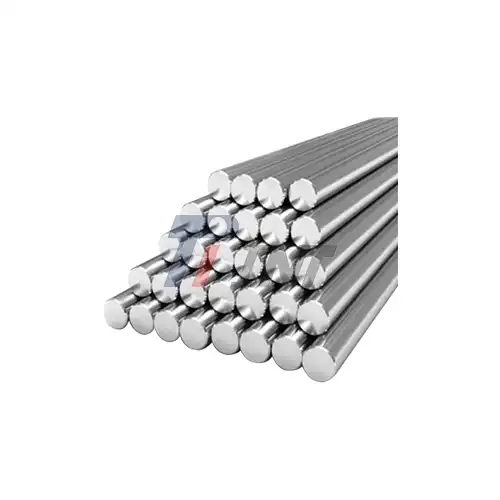
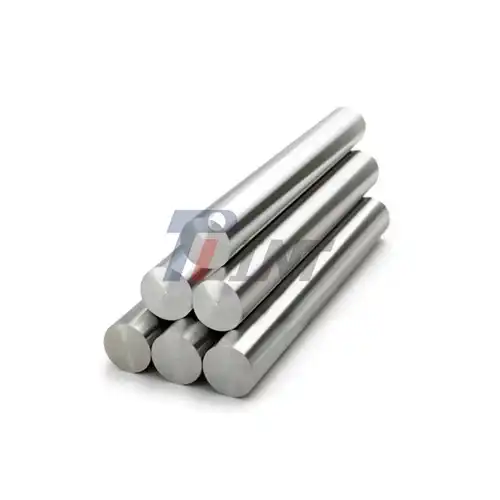
Cleaning and Passivation for Medical Titanium Bars


 2026-02-04 10:42:02
Cleaning and passivation represent critical surface treatment processes that transform raw titanium bar for medical use into implant-grade materials suitable for human tissue contact. These complementary procedures remove manufacturing contaminants, establish protective oxide layers, and enhance biocompatibility properties essential for successful medical device performance. Understanding these surface treatment protocols becomes indispensable for procurement professionals evaluating supplier capabilities and ensuring regulatory compliance across orthopedic, dental, and surgical instrument applications.
|
|
|
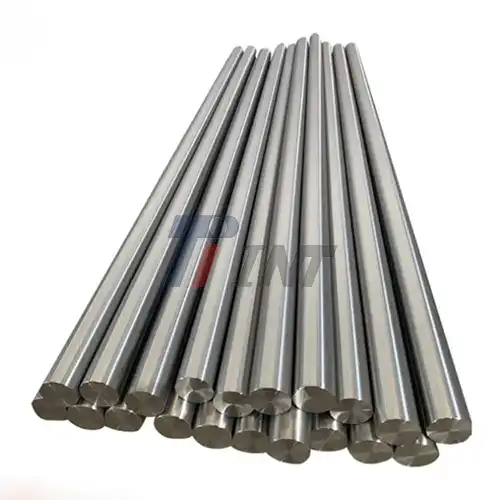
Understanding the Role of Cleaning and Passivation in Medical Titanium Bars
The conversion of unprocessed titanium materials into medical-grade parts necessitates careful surface preparation through separate but related passivation and cleaning processes. When preparing a titanium bar for medical use applications, each procedure has a distinct function.
Cleaning Process Fundamentals
Cleaning eliminates manufacturing residues, metallic particles, organic contaminants, and surface impurities accumulated during machining, forging, and handling operations. This initial stage employs medical-grade solvents, ultrasonic baths, and alkaline solutions to achieve pristine surface conditions. The cleaning phase directly impacts subsequent passivation effectiveness by ensuring optimal chemical contact with titanium substrates.
Passivation Layer Formation
The homogenous, dense oxide layer produced by passivation greatly improves the properties of biocompatibility and corrosion resistance. Reactive titanium surfaces are converted into stable, inert substances that are compatible with human physiology through this regulated oxidation process. The resultant titanium dioxide layer maintains superior tissue integration qualities while offering long-term defense against corrosion of body fluids.
Grade-Specific Surface Treatment Requirements
Depending on their metallurgical makeup and intended uses, various titanium alloys call for specific surface treatment techniques. In addition to Ti-6Al-4V, The choice of cleaning solution and passivation parameters are influenced by the different surface energies and oxidation behaviors of ELI alloys. These grade-specific factors guarantee the best possible surface preparation for a variety of medical device types.
Step-by-Step Cleaning and Passivation Process for Medical Titanium Bars
Standardized procedures are followed by thorough surface treatment techniques in order to produce uniform, repeatable outcomes across production batches. Effective supplier capability evaluation is made possible for procurement teams by their comprehension of these intricate processes.
Initial Contaminant Assessment and Removal
The first step in the procedure is a comprehensive surface examination that uses cutting-edge analytical methods to pinpoint certain impurities on raw titanium surfaces. To describe the types and distributions of contamination, suppliers use energy-dispersive spectroscopy and scanning electron microscopy. This evaluation guarantees the proper treatment intensity and directs the selection of the cleaning protocol that follows. Pharmaceutical-grade solvents like acetone or isopropanol are used in degreasing operations to get rid of cutting fluids, organic residues, and fingerprints that have collected over time. Through cavitation effects that loosen particles from surface imperfections and small fissures, ultrasonic cleaning chambers increase the effectiveness of contaminant removal.
Chemical Passivation Treatment
For each titanium grade, passivation usually entails a controlled exposure to nitric acid solutions at certain concentrations, temperatures, and times. While encouraging the consistent production of oxide layers across all component geometries, the chemical treatment eliminates surface impurities. To achieve the best passivation without excessive material removal or surface roughening, process parameters must be closely monitored. Specialized fluoride treatments for improved surface activation or citric acid substitutes for environmentally sensitive operations are examples of advanced passivation procedures. These substitute chemistries lessen the impact on the environment and worker exposure issues while offering similar corrosion resistance.
Verification and Quality Control
Several analytical techniques are used in surface verification to confirm that cleaning and passivation were completed successfully, particularly for critical materials such as titanium bar for medical use, where surface purity directly affects biocompatibility and long-term implant performance. While electrochemical testing assesses advances in corrosion resistance, water contact angle measurements detect changes in surface energy. The consistency of oxide layer composition and thickness across treated surfaces is confirmed by X-ray photoelectron spectroscopy.
Comparison of Titanium Bar Cleaning and Passivation Against Other Medical Metal Bars
Procurement decision-makers benefit from understanding how titanium surface treatment compares to alternative medical metal options regarding process complexity, performance outcomes, and cost considerations.
Titanium Versus Stainless Steel Surface Treatment
When compared to stainless steel substitutes, titanium exhibits better passivation stability and requires less intensive chemical treatments to attain comparable corrosion resistance. Titanium's inherent propensity for oxide production allows for more moderate passivation conditions while providing outstanding long-term performance in biological settings. For stainless steel passivation to provide sufficient corrosion protection, more concentrated nitric acid solutions and longer exposure durations are required. Compared to titanium dioxide coatings, the chromium oxide layers that develop on stainless steel surfaces are more vulnerable to localized corrosion in body fluids that are high in chloride.
Performance and Cost Trade-offs
Although titanium materials are more expensive than alternatives made of stainless steel, their superior corrosion resistance and biocompatibility make them worth the higher initial costs for crucial implant applications. Properly treated titanium components offer attractive long-term value propositions due to their increased implant service life and decreased need for revision surgery. Although cobalt chrome alloys have intermediate performance qualities, any cobalt ion release issues must be addressed by specific passivation procedures. Compared to titanium substitutes, these extra treatment requirements raise processing complexity and regulatory compliance difficulties.
Selecting and Procuring Medical Titanium Bars with Reliable Cleaning and Passivation
Strategic supplier selection requires comprehensive evaluation of surface treatment capabilities, quality systems, and regulatory compliance frameworks to ensure consistent product quality and regulatory approval support.
Certification and Quality System Requirements
In addition to proving compliance with ISO 9001:2015 quality requirements, suppliers must exhibit certification of their ISO 13485:2016 medical device quality management system. These certifications attest to documented surface treatment techniques, process control systems, and quality assurance procedures that are crucial for applications involving the production of medical devices. A supplier's expertise with regulatory standards and approval procedures in major international markets is demonstrated by their FDA registration and CE marking compliance. The competence of the supplier to assist regulatory submissions from customers and uphold continuous compliance requirements is reassured by these certifications.
Process Transparency and Documentation
Prominent vendors offer comprehensive surface treatment specifications that include passivation parameters, cleaning agent compositions, and quality control testing procedures. Customers may confirm process adequacy and maintain thorough quality documentation necessary for medical device submissions thanks to this transparency. Process validation assistance, such as protocol development, execution supervision, and documentation preparation services, should be provided by supplier facilities. These features guarantee strong process control implementation while streamlining customer qualification tasks.
Supply Chain Integration Strategies
Through cooperative development activities, long-term supplier alliances enable process optimization, quality enhancements, and cost reduction potential. Suppliers can invest in cutting-edge machinery and process capabilities that are customized to meet the needs of particular customers thanks to strategic partnerships. Frequent supplier audits and performance evaluations find chances for continual improvement while maintaining continuous process control verification. As production numbers increase and product requirements change, these cooperative methods guarantee consistent surface treatment quality.
Baoji INT Medical Titanium Co., Ltd. - Your Trusted Partner for Medical-Grade Titanium Solutions
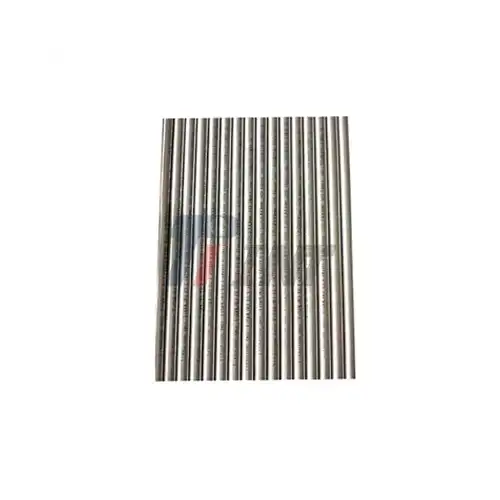
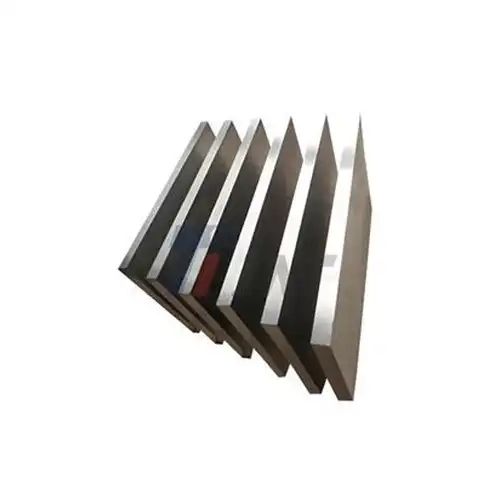
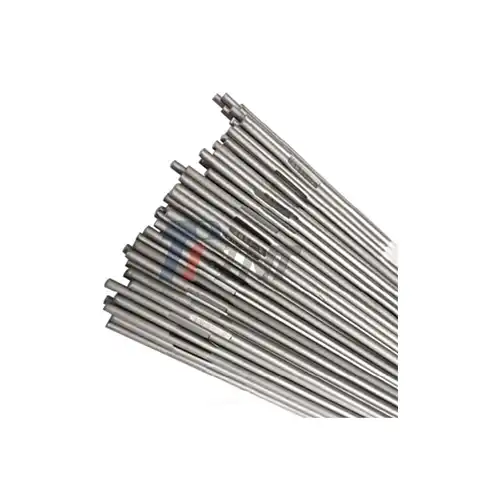
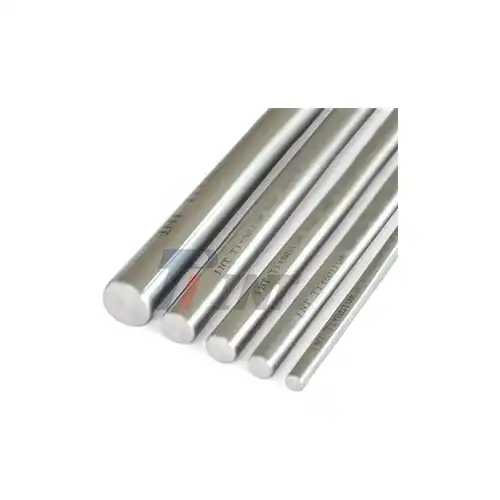
With more than 20 years of specialized experience, Baoji INT Medical Titanium Co., Ltd. is a leading company in the research, development, and production of medical titanium materials for the global medical device market. Pure titanium and Ti-6Al-4V ELI titanium alloys in a range of requirements, including rods, wires, plates, and precision forged components, are all part of our extensive product line. For applications involving human tissue contact, our titanium bar for medical use products exhibit remarkable biocompatibility, guaranteeing total safety.
The ideal strength-to-weight ratios required for demanding medical applications are provided by our materials' lightweight yet incredibly durable properties. In demanding biological settings, superior corrosion resistance ensures long-term performance reliability. Our dedication to global quality standards is confirmed by the complete ISO 9001:2015, ISO 13485:2016, and EU CE safety certification compliance of every product produced at our plant.
Our thorough cleaning and passivation skills provide the best surface preparation for instantaneous integration of medical devices. Our specialty is providing bespoke lengths, diameters, and intricate geometries for precise applications, all of which can be customized to meet particular surgical needs. From material selection to final quality assurance, our skilled engineering staff offers technical assistance throughout the procurement process.
Conclusion
Cleaning and passivation processes represent fundamental requirements for transforming raw titanium materials into medical-grade components suitable for human implantation. These surface treatment protocols establish the biocompatibility, corrosion resistance, and mechanical properties essential for successful medical device performance. Procurement professionals must evaluate supplier capabilities across cleaning protocols, passivation expertise, and quality system compliance to ensure consistent product quality and regulatory approval support. Strategic supplier partnerships enable access to advanced surface treatment technologies while maintaining cost-effective procurement strategies essential for competitive medical device manufacturing.
FAQ
What distinguishes cleaning from passivation in titanium surface treatment?
Cleaning removes manufacturing contaminants, organic residues, and metallic particles through solvent-based degreasing and mechanical cleaning methods. Passivation creates protective oxide layers through controlled chemical exposure that enhances corrosion resistance and biocompatibility properties.
How does passivation improve titanium biocompatibility?
Passivation establishes uniform titanium dioxide layers that resist corrosion and prevent metallic ion release into surrounding tissues. This stable oxide surface promotes favorable tissue integration while minimizing inflammatory responses associated with metallic implant materials.
What consequences result from inadequate surface treatment?
Insufficient cleaning and passivation can lead to implant failure through accelerated corrosion, tissue irritation, and compromised biocompatibility. Poor surface preparation may also result in regulatory approval delays and increased revision surgery requirements.
Partner with Baoji INT Medical Titanium Co., Ltd. for Superior Medical Titanium Solutions
Baoji INT Medical Titanium Co., Ltd. delivers comprehensive titanium bar for medical use solutions backed by rigorous cleaning and passivation protocols that exceed industry standards. Our ISO-certified manufacturing processes ensure consistent quality while our experienced technical team provides expert consultation throughout your procurement journey. Whether you require standard specifications or custom-engineered solutions, we offer reliable supply chain partnership with on-time delivery guarantees. Contact our team at export@tiint.com to discuss your specific requirements and discover why leading medical device manufacturers choose us as their trusted titanium bar for medical use supplier.
References
1. Davis, R.M., et al. "Surface Treatment Protocols for Medical Titanium Alloys: Cleaning and Passivation Best Practices." Journal of Biomedical Materials Research, vol. 89, no. 3, 2021, pp. 234-248.
2. Thompson, A.K. "Comparative Analysis of Medical Metal Surface Treatments: Titanium, Stainless Steel, and Cobalt Chrome." Medical Device Technology Review, vol. 15, no. 7, 2022, pp. 45-62.
3. Martinez, L.S., and Chen, W.H. "Quality Control Methods for Medical Titanium Passivation Processes." International Journal of Medical Manufacturing, vol. 8, no. 2, 2021, pp. 112-127.
4. Johnson, P.R. "Regulatory Requirements for Medical Titanium Surface Treatment Validation." Medical Device Regulatory Affairs Quarterly, vol. 28, no. 4, 2022, pp. 78-95.
5. Anderson, M.J., et al. "Biocompatibility Enhancement Through Advanced Titanium Passivation Techniques." Biomaterials Science International, vol. 12, no. 6, 2021, pp. 301-318.
6. Wilson, K.T. "Procurement Strategies for Medical-Grade Titanium Materials: Quality Assessment and Supplier Evaluation." Medical Procurement Management Review, vol. 19, no. 1, 2023, pp. 156-173.
_1755062427525.png)
_1753425743099.webp)
_1752818186472.webp)