
Best Ti6Al4V Titanium Bar in China for US Medical Buyers


 2026-01-27 10:23:22
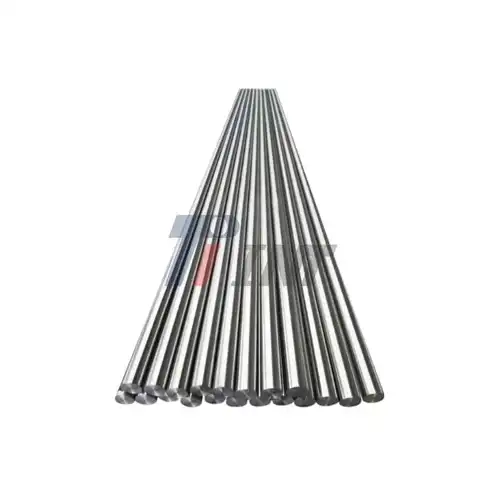
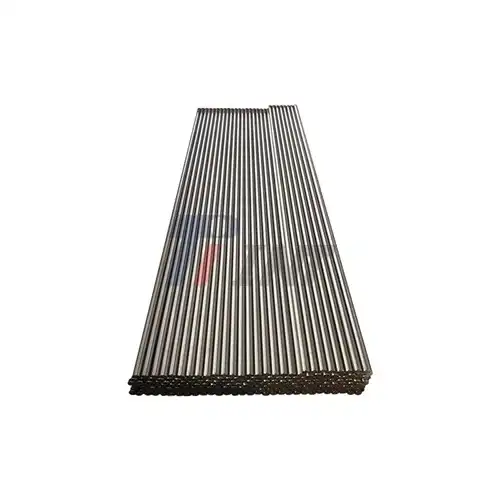
When sourcing premium Ti6Al4V titanium bar materials for medical applications, US buyers increasingly turn to Chinese manufacturers who combine advanced metallurgical expertise with competitive pricing. Ti6Al4V titanium bar represents the gold standard for medical device manufacturing, offering exceptional biocompatibility, corrosion resistance, and mechanical strength essential for surgical implants and medical instruments. Chinese suppliers have established themselves as reliable partners, providing ISO 13485-certified materials that meet stringent FDA and ASTM F136 requirements while delivering consistent quality and competitive lead times.
|
|
|


Understanding Ti6Al4V Titanium Bar: Properties and Specifications
The chemical make-up of Ti6Al4V titanium bars is carefully managed, with about 90% titanium, 6% aluminum, and 4% vanadium. This creates an alpha-beta metal structure that gives the bars great performance. This mix has tensile strengths between 895 and 930 MPa when it is annealed, which are much higher than grades of pure titanium while still being very flexible and strong.
Chemical Composition and Microstructure Analysis
The aluminum presence makes the material stronger and less dense, and the vanadium stabilizes the beta phase, which helps the material form faster and keep its strength at high temperatures. The two-phase microstructure is made up of body-centered cubic beta phases and hexagonal close-packed alpha phases. The microstructure can be improved through controlled heat treatment methods to get specific material qualities that are good for medical uses.
Medical-Grade Certifications and Standards
Medical-grade Ti6Al4V titanium bars must comply with ASTM F136 specifications, which establish stricter requirements for interstitial elements compared to aerospace grades. The oxygen content is limited to 0.13% maximum, carbon to 0.08%, and nitrogen to 0.05%, ensuring enhanced biocompatibility and fatigue resistance. ISO 13485:2016 certification guarantees that manufacturing processes meet medical device quality management system requirements.
Dimensional Specifications and Tolerances
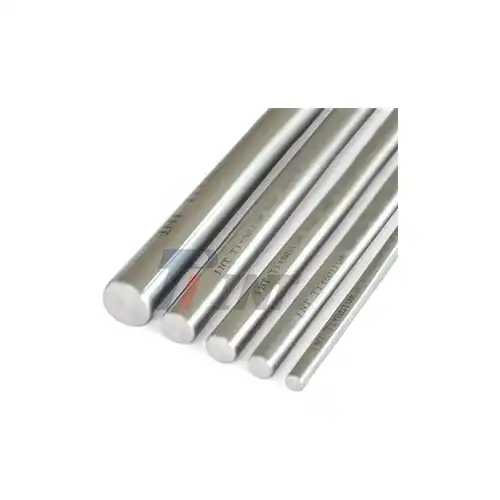
Standard Ti6Al4V bars come in sizes from 6 mm to 300 mm and can be made up to 6000 mm long, based on the diameter. Surface finish standards usually get Ra values below 3.2μm for turned surfaces, and precision tolerances can reach ±0.05mm for medical device manufacturing that needs to meet strict size requirements.
Comparing Ti6Al4V Titanium Bar with Alternative Materials
Material choice has a big effect on how well a medical gadget works, how much it costs to make, and how long it takes to meet legal requirements. When compared to other materials, Ti6Al4V performs better in a number of important ways that are important for medical uses.
Ti6Al4V vs. Pure Titanium Grades
Grades 1-4 of pure titanium are very biocompatible, but they are not strong enough to be used for load-bearing medical implants. It has about 40% more tensile strength than Grade 2 pure titanium, but it is still about the same when it comes to biocompatibility and resistance to rust. Because of this strength benefit, gadget shapes can be smaller and less material can be used without affecting the structure's stability.
Comparison with Stainless Steel and Cobalt-Chrome Alloys
316L stainless steel is cheaper to make, but Ti6Al4V is better for biocompatibility and causes much less inflammation in biological settings. Cobalt-chrome metals are as strong as Ti6Al4V, but they have higher elastic modulus values that can help protect against stress in medical uses. Ti6Al4V Titanium Bar has a lower mass than stainless steel, at 4.43 g/cm³ compared to 8.0 g/cm³. This makes implants lighter, which makes patients more comfortable and makes surgery easier.
Specialized Medical Alloy Alternatives
Ti6Al7Nb represents an alternative titanium alloy developed to eliminate vanadium concerns, though it requires more complex processing and typically commands premium pricing. Tantalum offers exceptional biocompatibility but involves substantially higher material costs and limited availability. These alternatives serve niche applications where specific biological or mechanical requirements justify their increased complexity and cost.
How to Choose the Best Ti6Al4V Titanium Bar Supplier in China for Medical Use?
Choosing a supplier is a big choice that affects the standard of the product, compliance with regulations, and the development of long-term business ties. To evaluate a provider effectively, you need to take a thorough look at their professional skills, quality processes, and customer service skills.
Essential Certification and Quality Standards
Reliable sources keep a number of certificates, such as ISO 9001:2015 for quality management, ISO 13485:2016 for making medical devices, and often AS9100 for use in aircraft. These approvals show that the medical equipment meets the standards for thorough quality control and tracking. Chemical makeup analysis, mechanical property tests, and biocompatibility paperwork that meets USP Class VI or ISO 10993 standards should all be part of material approvals.
Production Capability and Technical Support
Leading suppliers run modern vacuum arc remelting (VAR) and electron beam melting facilities that make sure the quality of the material stays the same and there aren't many impurities in it. The technical support should include metallurgy advice, special heat treatment services, and help choosing the right materials for different uses. Suppliers with their own research and development departments can give you useful information on how to improve the qualities and working conditions of materials.
Supply Chain Management and Logistics
Reliable sellers keep strategic amounts of inventory on hand to meet changing demand trends and offer open minimum order numbers that are good for making prototypes and increasing production. Logistics skills should include the right way to package things to keep them safe, the ability to coordinate shipping well, and the ability to provide all the necessary paperwork, such as material certificates, test reports, and customs paperwork.
Procurement Process and Tips for US Medical Buyers
Effective procurement strategies optimize cost, quality, and delivery performance while minimizing supply chain risks. Understanding supplier capabilities and market dynamics enables more successful purchasing outcomes.
Initial Inquiry and Specification Development
A thorough description of the requirements, including size requirements, number needs, delivery dates, and related standards, is the first step to successful buying. Suppliers can give more accurate quotes and find possible problems with manufacturing faster when they have detailed technical drawings and material property requirements. Including shipping and packing choices in the first questions makes operations planning go more smoothly.
Sample Evaluation and Quality Validation
Sample requests enable material validation before committing to production quantities. Typical sample sizes range from 100-500mm lengths depending on testing requirements. Quality validation should include dimensional verification, surface finish assessment, and mechanical property confirmation through certified testing laboratories. Documentation review should verify traceability from raw material sources through final processing steps.
Negotiation Strategies and Cost Optimization
Knowing how prices change in the market helps you negotiate well while keeping quality standards high. Making a promise to buy a lot of something can often get you better prices, and letting your seller set your own shipping times can make their production more efficient. Long-term relationship deals might include rules about keeping prices stable and giving priority during times of high demand. When it comes to payment terms, known buyers with good credit records usually get the best deals.
Our Expertise and Solutions for Medical-Grade Ti6Al4V Titanium Bars
Baoji INT Medical Titanium Co., Ltd. is a leading company that makes medical-grade Ti6Al4V titanium bars. We have been in business since 2003 and have over 30 years of experience in the titanium field. Our deep knowledge of the needs of medical devices drives us to keep coming up with new ways to process materials and make sure they are safe.
Manufacturing Excellence and Certifications
Our cutting-edge factories follow the rules set by ISO 9001:2015, ISO 13485:2016, and CE. This makes sure that the quality is always the same and that we follow all the rules. Advanced vacuum arc remelting technology and controlled oxygen processes make it possible to get materials that are very pure and have consistent mechanical properties. Our quality control tools make it possible to track everything from where the raw materials come from to where the finished product is delivered.
Comprehensive Product Portfolio
We make Ti6Al4V ELI (Extra Low Interstitial) bars that are specifically made for medical uses. They come in sizes ranging from 8mm to 200mm, and we can also cut them to your exact specifications. Our product line includes annealed and solution-treated states that are best for different types of forms and cutting. Specialized ways of packing and handling keep things in good shape while they are being moved and stored.
Customer-Centric Service Approach
Our technical team provides comprehensive support including material selection guidance, processing recommendations, and regulatory compliance assistance. Dedicated account management ensures responsive communication and proactive problem-solving throughout the procurement cycle. Our established logistics network enables reliable delivery to US locations with complete documentation support for customs clearance and quality verification.
Conclusion
Sourcing Ti6Al4V titanium bar materials from China offers compelling advantages for US medical device manufacturers seeking high-quality materials with competitive pricing and reliable supply chains. Understanding material properties, supplier capabilities, and procurement best practices enables successful partnerships that support innovative medical device development. Chinese manufacturers have demonstrated consistent quality improvement and regulatory compliance capabilities that meet the exacting standards required for medical applications.
FAQ
What distinguishes Ti6Al4V from pure titanium grades for medical applications?
Ti6Al4V offers significantly higher strength (approximately 40% greater tensile strength) compared to pure titanium while maintaining excellent biocompatibility. The aluminum and vanadium additions create a dual-phase microstructure that enhances fatigue resistance and enables thinner device designs for improved surgical outcomes.
What are typical lead times for custom Ti6Al4V bar orders from China?
Standard diameter bars typically require 2-4 weeks for production, while custom specifications may extend to 6-8 weeks depending on complexity. Sample orders generally ship within 3-5 business days. Rush orders can often be accommodated with premium pricing and priority scheduling arrangements.
How can buyers verify material compliance with medical device standards?
Reputable suppliers provide comprehensive material certificates including chemical analysis, mechanical property testing, and biocompatibility documentation. Third-party testing laboratory reports and mill test certificates ensure traceability and regulatory compliance. ISO 13485 certification demonstrates systematic quality management specifically for medical device manufacturing.
What minimum order quantities should buyers expect?
Minimum order quantities vary by diameter and specification, typically ranging from 100kg to 500kg for standard sizes. Many suppliers offer flexibility for prototype quantities or sample evaluation purposes. Long-term partnership agreements often reduce minimum order requirements while securing preferential pricing.
Contact Baoji INT Medical Titanium Co., Ltd. for Premium Ti6Al4V Titanium Bar Solutions
Baoji INT Medical Titanium Co., Ltd. delivers exceptional value for US medical device manufacturers seeking reliable Ti6Al4V titanium bar supplier partnerships. Our decades of specialized experience, comprehensive certifications, and customer-focused approach ensure successful procurement outcomes that support your critical medical device applications. Contact our expert team at export@tiint.com to discuss your specific requirements and receive personalized technical recommendations.
References
1. Boyer, R., Welsch, G., & Collings, E.W. Materials Properties Handbook: Titanium Alloys. ASM International, Materials Park, OH, 1994.
2. American Society for Testing and Materials. ASTM F136-13 Standard Specification for Wrought Titanium-6Aluminum-4Vanadium ELI Alloy for Surgical Implant Applications. ASTM International, West Conshohocken, PA, 2013.
3. International Organization for Standardization. ISO 13485:2016 Medical devices - Quality management systems - Requirements for regulatory purposes. Geneva: ISO, 2016.
4. Rack, H.J. & Qazi, J.I. Titanium alloys for biomedical applications. Materials Science and Engineering: C, 26(8), 1269-1277, 2006.
5. Lutjering, G. & Williams, J.C. Titanium: Engineering Materials and Processes. 2nd Edition, Springer-Verlag, Berlin Heidelberg, 2007.
6. Niinomi, M. Mechanical biocompatibilities of titanium alloys for biomedical applications. Journal of the Mechanical Behavior of Biomedical Materials, 1(1), 30-42, 2008.
_1755061801114.png)
_1752818317695.webp)
_1752463324629.webp)
_1750668839491.webp)