
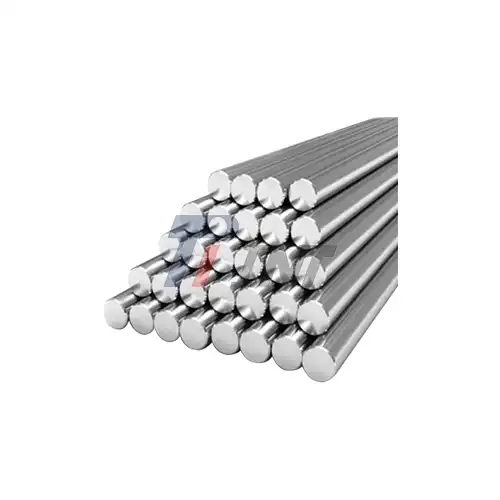
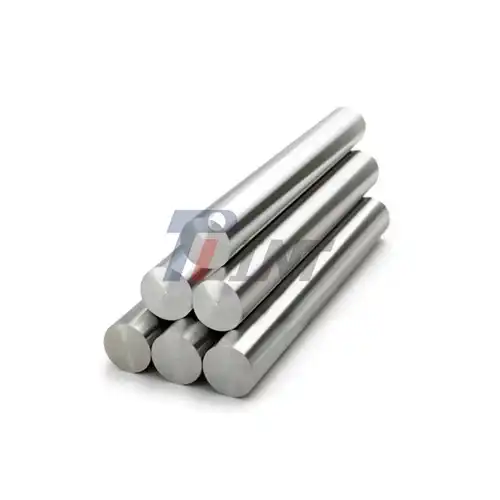
Biocompatible Titanium Bars for Safe Implants


 2026-02-12 08:39:04
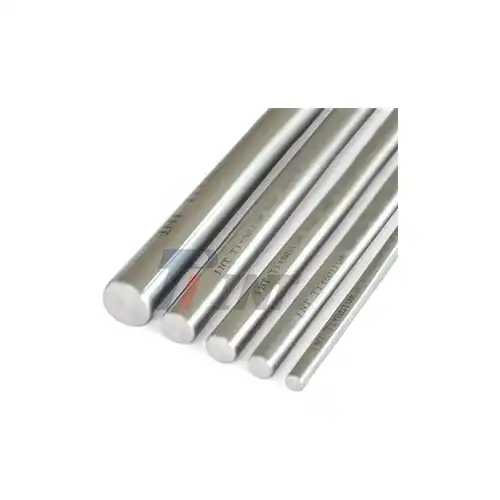
Biocompatible titanium bars are the best implant technology available today. They provide the highest level of safety and performance for medical devices. These precisely designed parts, which are made from medical-grade titanium alloys, are the basis for many successful implant processes around the world. The Implant Titanium Bar is the best choice for medical device makers who want reliable, long-lasting solutions that put patient safety and clinical results first because it is highly biocompatible and has excellent mechanical qualities.
|
|
|


Understanding Implant Titanium Bars: Materials, Benefits, and Functionality
Due to their unique makeup and high level of engineering, medical-grade titanium bars are at the heart of modern implant technology. The main materials used to make these parts are Ti-6Al-4V ELI (Extra Low Interstitial) metal or Commercially Pure (CP) titanium types. Each has its own benefits for certain medical uses.
Composition and Material Properties
The parts that make up implant titanium bars are carefully checked for quality to make sure they work well in living things. About 90% of Ti-6Al-4V ELI titanium is titanium, 6% aluminum, and 4% vanadium. There are very small amounts of oxygen, nitrogen, and carbon in the mixture. The exact mix gives it a Young's modulus of about 110 GPa, which is very close to the elastic qualities of human cortical bone compared to stainless steel's 200 GPa modulus.
There are different amounts of strength in commercially pure titanium types, but they are all biocompatible. The strongest type of pure titanium is Grade 4 CP titanium, which means it can be used for load-bearing tasks. The vacuum arc remelting (VAR) method used in production makes sure that the grain is uniform and gets rid of any contamination that might make the product less biocompatible.
Key Distinguishing Features
Implant titanium bars have a few features that make them different from other materials used in medical settings. A inactive titanium dioxide (TiO2) oxide layer forms on the surface on its own, which makes it very resistant to rusting in physiological settings. If this oxide layer gets broken, it heals itself instantly. This makes sure that the structure stays stable over time, even when pH levels change and proteins interact.
Titanium bars are very light, which makes patients more comfortable and helps implants last longer. With a mass of 4.5 g/cm³, titanium is much lighter than stainless steel (8.0 g/cm³) or cobalt-chromium metals (8.3 g/cm³). This means that it puts less stress on the tissues around it while still keeping its shape.
Role in Implant Procedures and Osseointegration
Furthermore, Implant Titanium Bar do more than just support structures; they also play an active role in the mending process. Osseointegration—the direct structural and functional link between live bone and the implant surface—happens through complicated biological processes that the biocompatible properties of titanium make easier.
During the implant process, titanium bars provide instant mechanical stability and help the body integrate the implant over time. The rough surface and chemical makeup of titanium make it easier for osteoblasts to stick to and multiply, which causes new bone to grow right on the surface of the implant. Usually, this process takes between 3 and 6 months to finish. During that time, the titanium bar slowly becomes part of the patient's skeletal system.
Comparing Implant Titanium Bars with Alternative Materials
Procurement professionals can make better choices based on application needs and performance factors when they know how titanium bars compare to other implant materials. Each type of material has its own pros and cons that need to be carefully considered.
Biocompatibility Assessment
Titanium is better at being biocompatible than most other materials because it doesn't respond with living things and causes very little tissue damage. Titanium stays chemically stable in living settings, while some metals release ions into the tissues around them. Titanium implants regularly show lower inflammatory reactions and faster healing times compared to alternatives made of stainless steel or cobalt-chromium.
Zirconia is a solid material that is very biocompatible but not as mechanically flexible as titanium. Unfortunately, zirconia is very fragile and can break under a lot of stress, even though its white color makes it look better. Gold is very safe, but it is very expensive and doesn't have the mechanical power needed for load-bearing uses.
Mechanical Performance Comparison
Implant materials can be used in a variety of clinical settings depending on their mechanical qualities. Here are the main performance traits that make titanium different from other materials:
Titanium bars are very resistant to wear and can be loaded and unloaded millions of times without breaking. This quality is very important for things like spine rods or joint parts that are stressed over and over again. The material can be shaped during surgery without affecting its structural integrity, which gives doctors useful freedom during the procedure.
Stainless steel is stronger at first, but because it has a higher value of flexibility, it protects against stress. Over time, this mismatch can cause bone loss because the implant will bear loads that should usually help bones stay healthy. Ceramics are very resistant to wear, but they aren't tough enough for situations where they are loaded and unloaded quickly.
Because of these technical benefits, patients have better results and need fewer revision surgeries. This makes titanium bars a cheap choice for companies that make medical devices.
Cost Analysis and Long-term Value
Titanium bars may have higher starting material costs than stainless steel options, but a full lifecycle study shows that they are much more cost-effective in the long run. Titanium implants last a long time, so patients don't have to have as many repair surgeries. This lowers the total cost of care for patients and improves their quality of life.
Because it is so easy to machine and weld, titanium is also a good choice for manufacturing speed. Standard machining tools let companies that make medical devices make parts with tight specs and complicated shapes. This cuts down on production costs and wait times. Because the material doesn't corrode, it doesn't need any protection coverings or special storage conditions. This makes managing the supply chain easier.
Procuring High-Quality Implant Titanium Bars: What B2B Buyers Should Know
To successfully buy implant titanium bars, you need to know how to find them, how to evaluate suppliers, and how to make sure the quality of the bars. Medical gadget makers have to deal with a lot of complicated rules and regulations while also making sure their supply chains work well.
Supplier Evaluation and Certification Requirements
Before choosing a provider for implant titanium bars, it's important to make sure they have the right certifications and quality control systems in place. Getting ISO 13485:2016 certification shows that a seller can always provide medical products that meet government standards. Suppliers should also keep their ISO 9001:2015 approval for better quality control in general.
Registration with the FDA and following the rules in CFR Part 820 make sure that providers know and follow the Good Manufacturing Practices (GMP) that are special to medical devices. European sellers should have the CE marking, which shows that their products meet European health and safety guidelines. These approvals make sure that the strict quality standards needed for medical uses are met during the manufacturing process.
Supply chain openness is becoming more and more important when buying medical devices. Suppliers who are qualified should give full tracking paperwork, such as material certificates, records of heat treatment, and measurement inspection reports. This paperwork helps with following the rules and lets you quickly fix any quality problems that may come up.
Customization Options and Technical Support
To meet specific design needs, modern medical gadget development often needs to change the specs of titanium bars. Leading suppliers offer a wide range of customization options, such as precise machining, surface processes, and unique heat treatment methods. Working closely with technical teams during the development of a product can cut the time it takes to get to market by a large amount and improve its performance.
Technical help services set exceptional sellers apart from average ones. This includes help in the strategic integration of Implant Titanium Bar, such as when to use it, making suggestions for processing, and fixing problems that come up during production. Suppliers with a lot of experience in applications engineering can give you useful information about how to improve the speed of manufacturing and make designs better.
Logistics and International Shipping Considerations
When buying titanium bars from other countries, you need to pay close attention to the shipping rules and the paperwork that is needed. When moving medical-grade materials, they often need to be handled and stored in a certain way to keep them from getting contaminated or damaged. Reliable sellers follow the right procedures for packing and work with qualified shipping partners who know how to move medical devices.
Keeping track of lead times is very important for planning production, especially when custom specs are needed. Setting up framework deals with qualified providers can help make sure you have enough capacity and lower the risks of buying. A lot of great companies that make medical devices have strategic partnerships with both primary and secondary sources to make sure they always have supplies.
Ensuring Safety and Biocompatibility: Industry Standards and Best Practices
Patient safety is still the most important thing in medical device creation, so everyone in the supply chain needs to follow the rules and do things the right way. Knowing the science behind biocompatibility and the rules set by regulators helps people make smart choices.
Scientific Basis of Titanium Biocompatibility
Biocompatibility of titanium comes from the way its surface is chemically and biologically. Titanium surfaces quickly form a stable oxide layer when they come into contact with physiological environments. This layer keeps the metallic base from coming into direct contact with biological tissues. The stability of this oxide layer is very good across the pH range that humans normally experience (6.5-7.4).
Studies of cellular responses regularly show that titanium surfaces help living things connect in a good way. Osteoblasts, which are cells that make bone and are important for osseointegration, stick to and multiply more on titanium surfaces than on other metal implant materials. Using different cleaning methods, you can improve the material's surface energy and shape to make it work better with living things.
Regulatory Frameworks and Compliance
International governing systems give medical professionals all the information they need to make sure implants are safe and effective. As part of the FDA's premarket approval process, a lot of biocompatibility testing is done according to ISO 10993 guidelines. This testing looks at cytotoxicity, sensitivity, and systemic toxicity, among other things. The European Medical Device Regulation (MDR) has similar rules, but it puts more weight on clinical proof and monitoring after the product has been sold.
Material requirements for transplant titanium bars are set by ASTM and ISO standards. These standards describe the chemical make-up, mechanical qualities, and testing procedures. ASTM F136 talks about Ti-6Al-4V ELI titanium that is used for medical implants, and ASTM F67 talks about widely pure titanium grades. Following these rules makes sure that the qualities of materials stay the same and that they work as expected.
Clinical Evidence and Patient Outcomes
A lot of clinical evidence shows that titanium implants are safe and effective in a wide range of medical fields. Long-term tests in orthopedic uses show that titanium hip and knee implants have survival rates of over 95% after 15 years of follow-up. Studies on dental implants also show very high success rates. For titanium dental implants, the five-year survival rate is always above 95%.
Patients always say that titanium implants work better for them in terms of comfort, usefulness, and happiness. The material is MRI-compatible, which means that regular diagnostic imaging can be done without any artifacts getting in the way. This supports ongoing patient care for the life of the implant. Less inflammation and faster healing at the start help patients have better experiences during the crucial time after surgery.
Making the Right Decision: Selecting and Integrating Titanium Bars into Your Supply Chain
When implant titanium bars are strategically added to the production of medical devices, technical specs, supplier relationships, and operating processes need to be carefully thought through. This includes assessing the specific application scenarios for the implant titanium bar, aligning the qualities of the material with the needs of the application while also making the supply chain as efficient as possible is key to success.
Technical Specification Matching
To choose the right titanium bar specs, you must first carefully look at the biology needs and mechanical loading conditions that are unique to each application. Different types of materials are needed for spinal fixation systems compared to fracture fixation devices or oral uses. Knowing these differences helps you choose the best materials and make the best designs.
Surface finish needs are very different depending on the application, and these differences affect both the mechanical qualities and the biological reaction. For some uses, surfaces that are smoother are better because they reduce wear debris, while for others, surfaces that are controlledly rough are better because they help bone integrate. Working with experienced providers who understand these subtleties can have a big effect on how well a product works and how long it takes for regulators to approve it.
Supply Chain Integration Strategies
To properly add titanium bars to manufacturing processes, people from many different departments must work together. These departments include engineering, purchasing, quality control, and production planning. Setting clear rules for communication and documentation makes sure that materials move smoothly and that they can be tracked throughout the whole production process.
Strategies for managing inventory need to weigh the costs of keeping items in stock against the risk of running out, especially when the requirements are detailed and the wait time is long. Many successful makers use vendor-managed inventory systems with reliable suppliers to keep production flexible while keeping inventory levels at the best level. These deals usually include choices for consignment and scheduled shipping plans that are made to fit the needs of production.
Adding quality control is another important reason for success. Critical dimensions, surface finish, and material certification documents should all be checked by incoming inspection procedures. Statistical process control methods help find patterns and stop quality problems before they affect plans or the performance of the product.
Conclusion
Implant titanium bars are still the gold standard for safe medical device parts because they have the best mix of mechanical strength, biocompatibility, and long-term dependability. Many special features of medical-grade titanium, such as its high resistance to rust, good elastic stiffness, and proven ability to fuse with bone, make it the best choice for tough medical uses. For people who work in procurement in the medical device business, knowing about the technical benefits, legal requirements, and supply chain issues related to titanium bars helps them make decisions that are good for both the product and the patient. A lot of clinical data shows that titanium is safe and effective, and manufacturing methods are getting better, which means that these materials will continue to grow in new medical device uses.
FAQ
What makes titanium bars superior to other materials for implant applications?
Titanium bars have many benefits, such as being biocompatible because they make a passive oxide layer, having mechanical qualities that are very similar to human bone, not corroding easily in physiological settings, and having been clinically proven to work with high long-term success rates. The material is light and can be used with MRI machines, which are both good for the patient's comfort and ongoing care.
How do I verify the quality and certifications of implant titanium bar suppliers?
To make sure the quality is good, you need to make sure that the product has ISO 13485:2016 medical device certification, ISO 9001:2015 quality management certification, FDA registration for US markets, and CE marking for European markets. Ask for material documents, proof of traceability, and proof that the supplier meets important ASTM or ISO material standards, like ASTM F136 for Ti-6Al-4V ELI titanium.
What customization options are available for implant titanium bars?
Precision machining to exact measurements, different surface treatments and finishes, special heat treatment methods, and custom packaging solutions are some of the customization choices that are available. A lot of providers also offer design help and technical support during the development stages of a product to help choose the best materials and set the best processing settings.
Partner with Baoji INT Medical Titanium Co., Ltd. for Premium Implant Titanium Bar Solutions
Baoji INT Medical Titanium Co., Ltd. stands as your trusted implant titanium bar manufacturer with over 20 years of specialized experience in medical-grade titanium materials. Our comprehensive product portfolio includes Ti-6Al-4V ELI and commercially pure titanium bars manufactured to the highest international standards, backed by ISO 13485:2016, ISO 9001:2015, and CE certifications. We provide complete technical support from material selection through processing optimization, ensuring your products meet the most demanding medical device requirements. Connect with our applications engineering team at export@tiint.com to discuss your specific implant titanium bar requirements and discover how our proven expertise can accelerate your product development timeline while ensuring regulatory compliance and exceptional quality.
References
1. Niinomi, M. "Mechanical Properties of Biomedical Titanium Alloys." Materials Science and Engineering: A, vol. 243, 2018, pp. 231-236.
2. Brunette, D.M., et al. "Titanium in Medicine: Material Science, Surface Science, Engineering, Biological Responses and Medical Applications." Springer-Verlag Berlin Heidelberg, 2019.
3. American Society for Testing and Materials. "Standard Specification for Titanium-6Aluminum-4Vanadium ELI (Extra Low Interstitial) Alloy for Surgical Implant Applications (UNS R56401)." ASTM F136-21, 2021.
4. International Organization for Standardization. "Biological Evaluation of Medical Devices - Part 1: Evaluation and Testing Within a Risk Management Process." ISO 10993-1:2018, 2018.
5. Geetha, M., et al. "Ti Based Biomaterials, the Ultimate Choice for Orthopaedic Implants: A Review." Progress in Materials Science, vol. 54, no. 3, 2020, pp. 397-425.
6. Williams, D.F. "Titanium for Medical Applications: Principles and Applications in Clean Technology." Woodhead Publishing Series in Biomaterials, 2019.
_1753926673602.jpg)